
Colorado, often dubbed the “Centennial State,” offers a captivating array of landscapes, from its majestic Rocky Mountains to its sprawling eastern plains. This topographical diversity is the primary driver of its complex and varied climate, presenting a unique set of considerations for travelers planning an unforgettable trip. Understanding Colorado’s climate isn’t just about packing appropriate clothing; it’s about anticipating the experiences, challenges, and unparalleled beauty that each season and region offers. The state’s climate is characterized by significant shifts in temperature, precipitation, and sun exposure, largely influenced by altitude, geographic features, and continental air masses.
The Diverse Climates of Colorado: A State of Extremes
Colorado’s geographical tapestry creates a mosaic of microclimates, each with distinct characteristics. Travelers should be prepared for rapid weather changes, especially in mountainous regions, where it’s not uncommon to experience all four seasons in a single day.
High-Altitude Alpine and Mountain Climates
The most iconic aspect of Colorado’s climate is found in its mountainous western half. Here, elevations routinely exceed 8,000 feet, leading to classic alpine conditions. Winters are long, cold, and snowy, attracting skiers and snowboarders to world-renowned resorts like Aspen, Vail, and Breckenridge. Summer days are typically mild and sunny, ideal for hiking, climbing, and mountain biking, but nights can be surprisingly cool, even at lower elevations within the mountains. Precipitation often manifests as heavy snowfall in winter and afternoon thunderstorms in summer, which can be intense but usually short-lived. The high altitude also means stronger ultraviolet (UV) radiation, making sun protection essential year-round.
Semi-Arid Plains and Basins
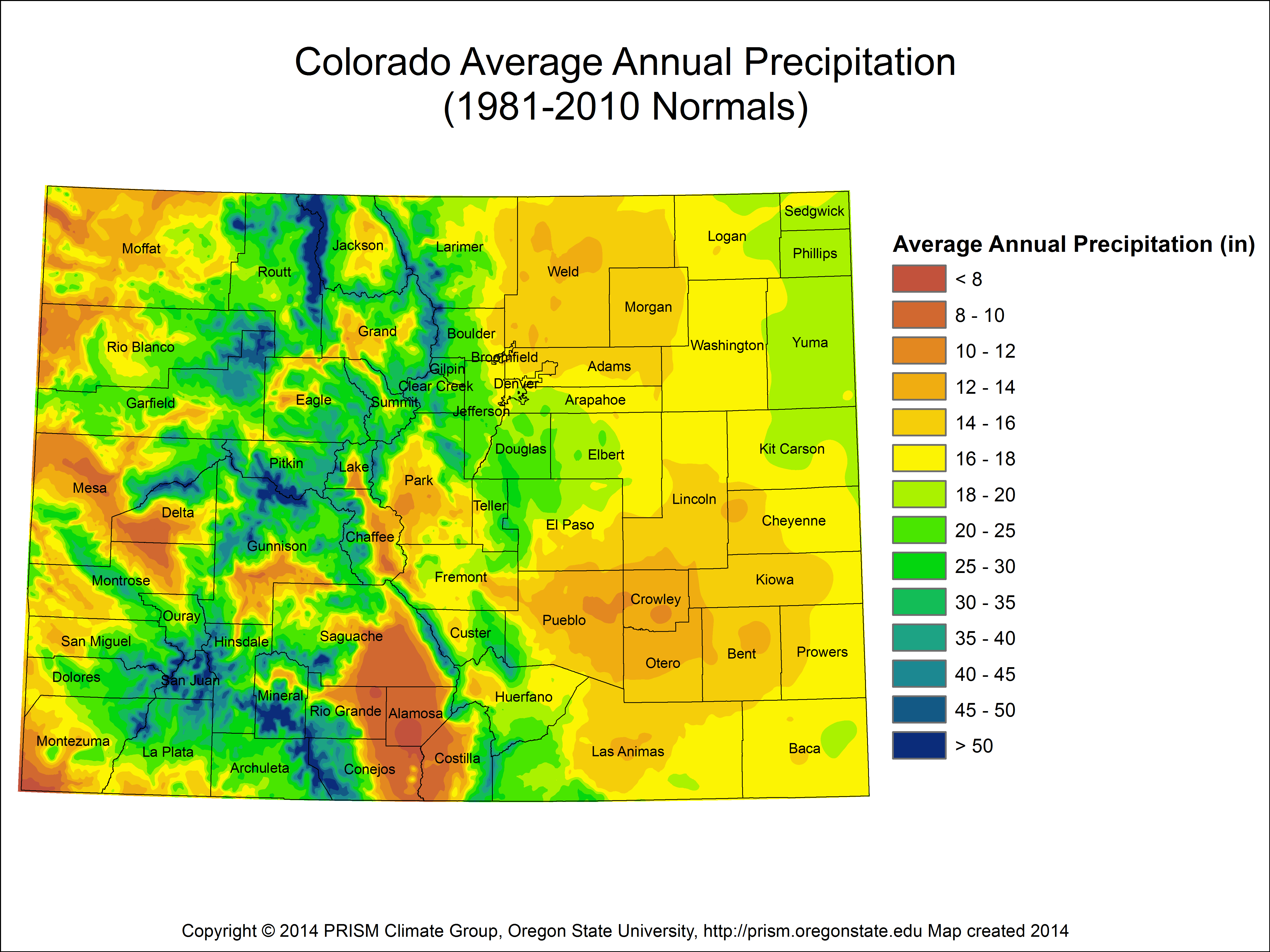
To the east, the Great Plains portion of Colorado experiences a semi-arid continental climate. This region, home to cities like Denver and Colorado Springs, sees warmer summers and colder winters compared to the mountains, with less overall precipitation. Snowfall still occurs in winter, sometimes quite heavily, but it tends to melt faster than in higher elevations. Summers are hot and dry, though afternoon thunderstorms can provide brief relief. The Front Range, where the plains meet the mountains, benefits from the “banana belt” effect in winter, where chinook winds can bring sudden warm-ups, melting snow rapidly and offering pleasant breaks from the cold.
Unique Microclimates and Weather Patterns
Beyond these broad classifications, Colorado is dotted with unique microclimates. The southwestern corner, near Durango and Mesa Verde National Park, has a drier, high-desert climate, resembling parts of Arizona or New Mexico. This area experiences hot summers and mild winters with less snow than the northern mountains. Conversely, the high plateaus and canyons of the Western Slope, around Grand Junction, are known for their hot, arid summers and relatively mild winters, making them popular for viticulture. Regardless of the region, Colorado’s weather is notoriously unpredictable. Travelers must always be prepared for sudden changes, especially when venturing into the backcountry.
Seasonal Climate Breakdown for Travelers
Each season in Colorado offers a distinct climatic profile and thus, a different travel experience.
Spring: Awakening and Variability (March-May)
Spring in Colorado is a season of transition and variability. In the mountains, late-season snowstorms are common, often delivering some of the best powder days for skiing and snowboarding through April and even into May at higher resorts. As the snow melts, rivers swell, creating prime conditions for whitewater rafting. Lower elevations, including the Front Range, see warmer temperatures, blooming wildflowers, and vibrant green landscapes. However, spring can also bring dramatic temperature swings, from warm, sunny days to sudden cold snaps and heavy, wet snow. Travelers should pack layers and be ready for anything from sunshine to showers to snow flurries. This is also the season for potential severe weather, including hail and thunderstorms on the plains.
Summer: Sunshine and Adventure (June-August)
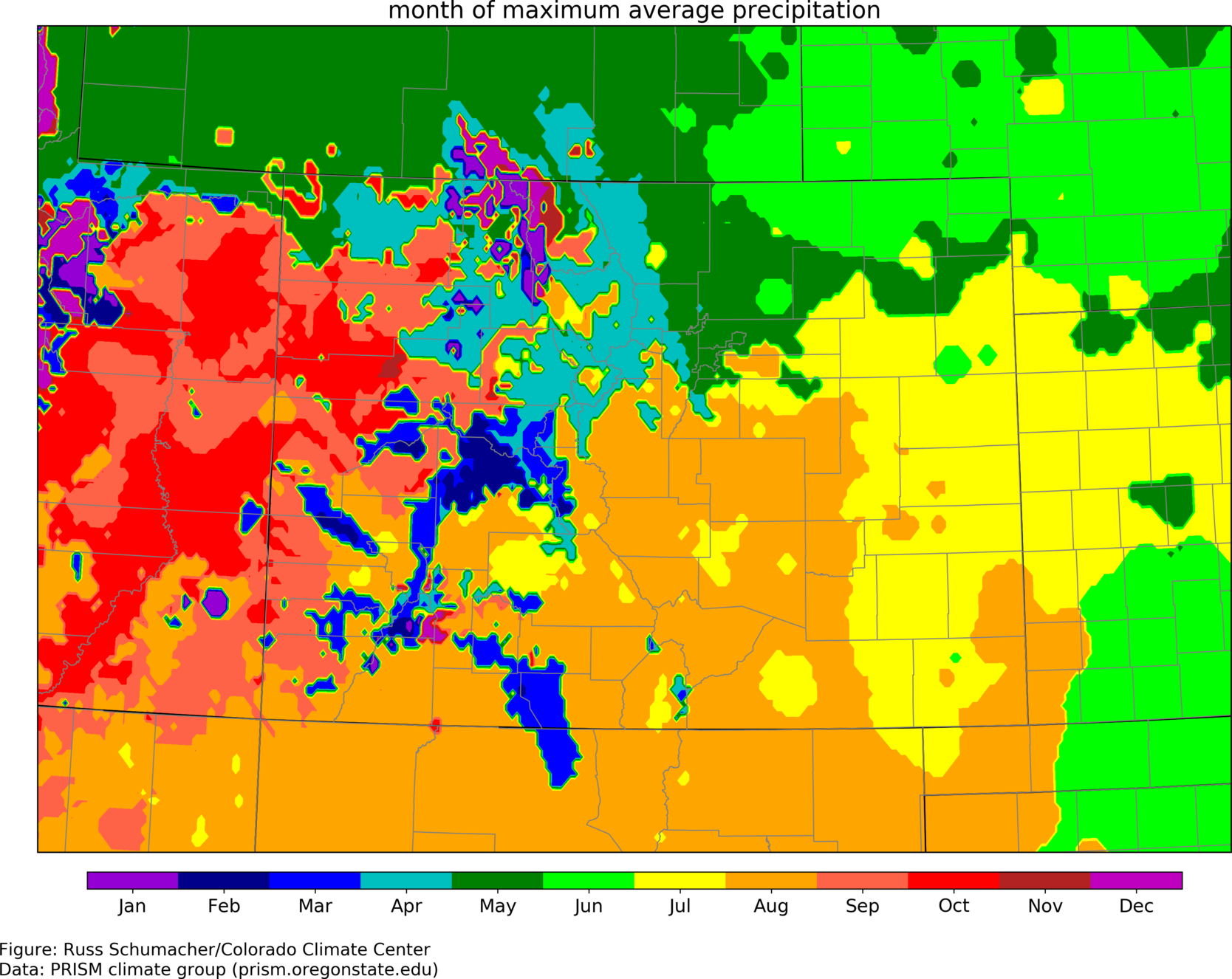
Summer is peak travel season in Colorado, offering consistently pleasant weather for outdoor activities. Mountain towns experience comfortable daytime temperatures in the 70s and 80s Fahrenheit, with cool, crisp evenings. The plains and urban areas like Denver can reach the 90s, but low humidity often makes the heat more bearable. Afternoon thunderstorms are a daily occurrence in the mountains during July and August, typically building in the early afternoon and clearing by evening. These storms, while often dramatic, rarely last long. Summer is ideal for hiking, camping, fishing, mountain biking, and exploring Colorado’s numerous national parks and forests.
Autumn: Golden Hues and Crisp Air (September-November)
Autumn in Colorado is spectacular, renowned for its dazzling displays of golden aspen leaves. September and early October bring crisp, cool air, abundant sunshine, and generally stable weather, making it a prime time for scenic drives and hiking. Daytime temperatures are mild, but nights become significantly colder, especially in the mountains. Snowfall can begin in higher elevations by late September or early October, signaling the approaching winter sports season. By November, winter conditions generally set in across the state, with colder temperatures and more frequent snow. Travelers during this period should plan for layering and be aware that mountain passes may experience early season closures due to snow.
Winter: Snowy Paradise (December-February)
Winter transforms much of Colorado into a snowy wonderland, attracting millions to its world-class ski resorts. Mountain regions experience consistent snowfall and cold temperatures, often staying below freezing for extended periods. The Front Range cities like Boulder and Colorado Springs also receive significant snowfall, but periods of warmer, sunny weather are common, allowing snow to melt. Sub-zero temperatures are possible across the state, especially during cold snaps. Despite the cold, Colorado is famous for its abundance of sunshine even in winter, with many days featuring bright blue skies. This makes for ideal conditions for skiing, snowboarding, snowshoeing, and enjoying cozy lodge experiences.
Preparing for Colorado’s Climate: Essential Travel Tips
A successful trip to Colorado hinges on understanding and preparing for its unique climate.
Layering for Success
Due to rapid temperature shifts and varied activities, layering is the golden rule for dressing in Colorado. Begin with a moisture-wicking base layer, add insulating middle layers (fleece or down), and top with a waterproof and windproof outer shell. This system allows you to adapt quickly to changing conditions, whether hiking at elevation or enjoying a city stroll.
Hydration and Sun Protection
The high altitude and generally dry air in Colorado lead to faster dehydration. Drink plenty of water, even if you don’t feel thirsty. The sun’s rays are also significantly more intense at higher elevations due to thinner atmosphere and less filtering. Wear sunscreen with a high SPF, a wide-brimmed hat, and sunglasses year-round, even on cloudy days or in winter when snow reflection can amplify UV exposure.
Understanding Altitude Sickness
For travelers coming from sea level, Colorado’s high altitude can be a concern. Denver sits at 5,280 feet, and many mountain towns are much higher. Symptoms of altitude sickness include headache, nausea, dizziness, and fatigue. To mitigate this, hydrate well, avoid strenuous activity on your first day, limit alcohol and caffeine, and consider spending a night at a lower elevation before ascending to higher altitudes. If symptoms worsen, descend immediately.
Checking Forecasts and Road Conditions
Given the variability, always check the local weather forecast before heading out, especially for mountain excursions. For winter travel, or even during spring and fall, mountain passes can close due to heavy snowfall or ice. Consult Colorado Department of Transportation (CDOT) resources for real-time road conditions, chain laws, and potential closures, particularly if your itinerary involves driving through high mountain areas.
Climate’s Influence on Colorado Experiences and Attractions
Colorado’s climate profoundly shapes the types of activities and attractions available, making it a year-round destination with distinct seasonal draws.
Winter Sports and Mountain Resorts
The cold, snowy winters are the backbone of Colorado’s reputation as a premier winter sports destination. Resorts like Vail, Aspen, and Breckenridge thrive on consistent snowfall, offering world-class skiing, snowboarding, snowshoeing, and ice skating. The clear, sunny days that often follow a snowfall create perfect conditions for enjoying the slopes and the stunning mountain scenery. Beyond the resorts, backcountry skiing and snowmobiling are popular for those seeking more remote adventures.
Summer Outdoor Adventures
The mild, sunny summers unlock a different set of adventures. The melting snow feeds Colorado’s rivers, making it a top destination for whitewater rafting and kayaking. Hiking trails, from easy walks to challenging fourteeners (peaks over 14,000 feet), become accessible, offering breathtaking views of alpine meadows and majestic peaks. Mountain biking, rock climbing, fishing in crystal-clear streams, and camping under star-filled skies are all quintessential summer Colorado experiences made possible by the favorable climate.
Year-Round Scenic Drives and National Parks
Many of Colorado’s scenic drives and national parks offer unique experiences in every season. Rocky Mountain National Park is a prime example; while its highest roads are closed in winter, the lower elevations offer serene snowshoeing and cross-country skiing, and wildlife viewing opportunities persist. In spring, wildflowers carpet the valleys, and in autumn, the aspens glow. Great Sand Dunes National Park and Preserve can be visited year-round, though the climate dictates the best time for sandboarding or hiking, with spring and fall offering more moderate temperatures than the intense summer heat.
Regional Climate Variations and Popular Destinations
Understanding the climate of specific regions helps tailor a Colorado itinerary.
The Rockies: Aspen, Vail, Breckenridge
These renowned mountain resorts are epitomes of Colorado’s alpine climate. Winters are cold, snowy, and long, ideal for winter sports. Summers are mild and pleasant, perfect for hiking and exploring the high country. Spring and fall are transitional, with variable weather but stunning scenic beauty. Travelers here should always be prepared for sudden weather changes, even in summer.
Front Range: Denver, Boulder, Colorado Springs
The major metropolitan areas along the Front Range experience a semi-arid continental climate. Summers are hot and dry with occasional thunderstorms, while winters are cold with periods of snow, often interrupted by warmer chinook winds. Spring and fall are generally mild and pleasant, making these cities attractive for urban exploration, cultural events, and accessing nearby foothills for hiking and biking. Denver, Boulder, and Colorado Springs offer diverse attractions that can be enjoyed throughout the year.
Western Slope: Grand Junction, Durango
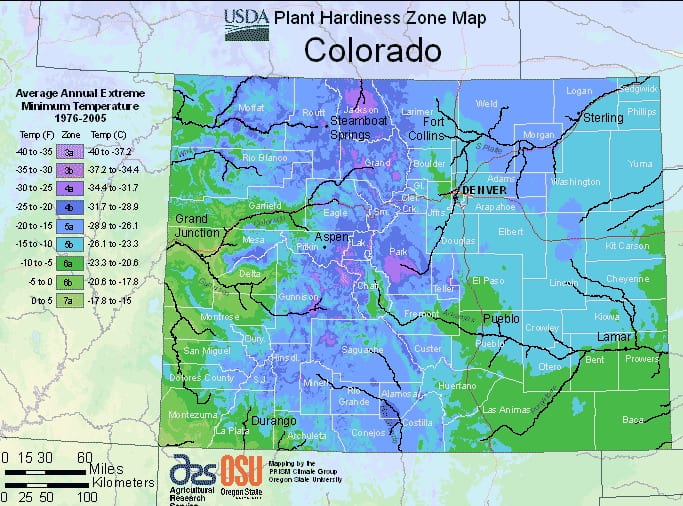
The Western Slope generally has a drier and often warmer climate than the mountains to the east. Grand Junction in particular experiences hot, arid summers and relatively mild winters, making it excellent for fruit orchards and vineyards. Durango, further south and higher in elevation, has a more varied climate with hot summers and snowy but generally milder winters than its northern mountain counterparts. This region is a gateway to diverse landscapes, from desert canyons to alpine peaks, each with its own microclimate.
In summary, Colorado’s climate is as diverse and dynamic as its landscapes. From the alpine chill of the Rockies to the sun-drenched plains, understanding these climatic nuances is key to planning a fulfilling and safe travel experience, ensuring that every visit to the Centennial State is memorable, regardless of the season.
LifeOutOfTheBox is a participant in the Amazon Services LLC Associates Program, an affiliate advertising program designed to provide a means for sites to earn advertising fees by advertising and linking to Amazon.com. Amazon, the Amazon logo, AmazonSupply, and the AmazonSupply logo are trademarks of Amazon.com, Inc. or its affiliates. As an Amazon Associate we earn affiliate commissions from qualifying purchases.