
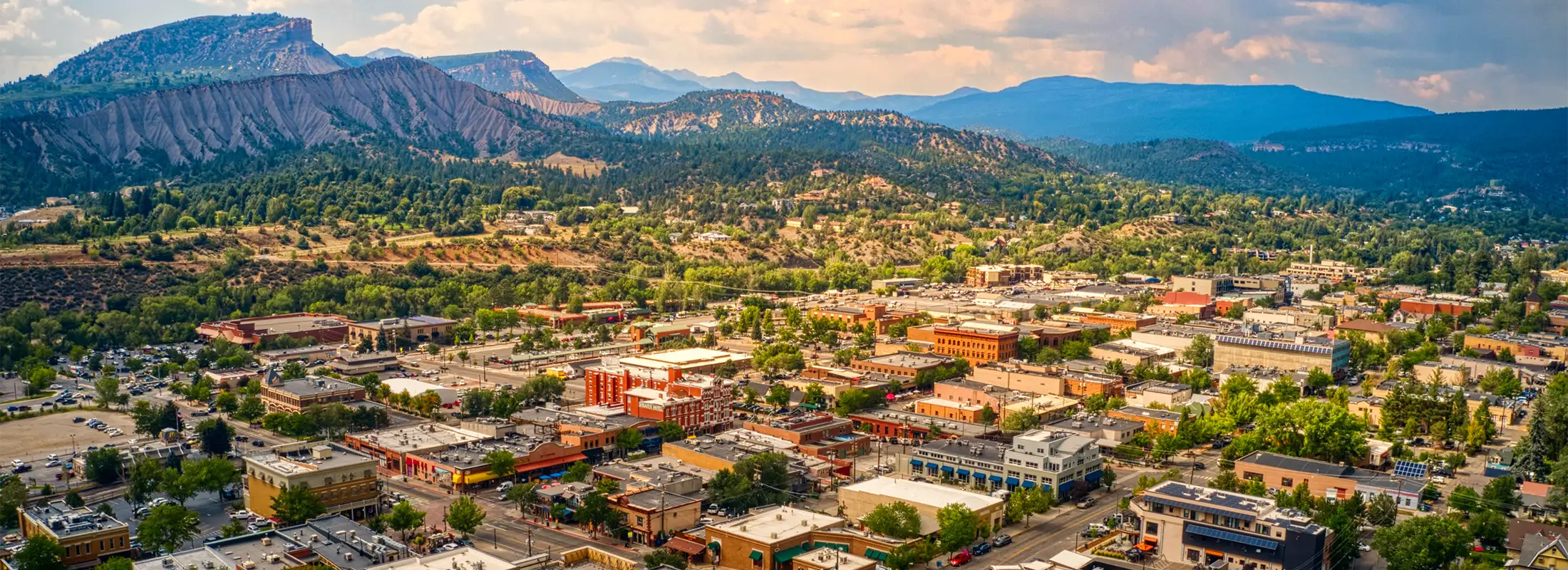
Nestled majestically in the southwestern corner of the state, Durango, Colorado, offers travelers a unique blend of rugged outdoor adventure and charming small-town appeal. A pivotal characteristic that defines much of the experience here, from its breathtaking landscapes to the physiological considerations for visitors, is its elevation. Durango sits at an average elevation of approximately 6,512 feet (1,985 meters) above sea level. This significant altitude places it firmly within the sub-alpine zone, providing crisp mountain air, distinct seasonal changes, and unparalleled access to the towering peaks of the San Juan Mountains. Understanding this elevation is not merely a geographical fact; it’s the key to fully appreciating and preparing for a memorable journey to this captivating destination.

Durango’s High-Altitude Allure: Unveiling the Elevation
The city of Durango itself is situated in the fertile Animas River Valley, a verdant corridor carved by the powerful Animas River. While the valley floor where the main urban area lies hovers around 6,512 feet, the surrounding terrain rapidly ascends, with peaks in the nearby San Juan Mountains reaching well over 13,000 and even 14,000 feet. This dramatic topographic contrast is what gives Durango its distinctive charm and makes it a magnet for adventurers and nature enthusiasts alike.
The specific elevation of Durango is a critical factor influencing everything from the local climate to the types of activities available. At 6,512 feet, visitors can expect a generally milder high-altitude experience compared to towns situated directly in the higher alpine, such as Silverton (9,318 feet) or Ouray (7,792 feet). This makes Durango an ideal basecamp, offering a slightly gentler introduction to mountain living while still providing immediate access to truly towering landscapes. The elevation contributes to clear skies, abundant sunshine, and low humidity for much of the year, creating conditions often described as invigorating. The surrounding mountains, sculpted by ancient glaciers and geological forces, frame the city, creating a picturesque setting that shifts dramatically with each season, from lush green summers to golden autumns and snow-laden winters. This specific elevation acts as a crucial transition zone, bridging the lower, drier mesas of the Colorado Plateau to the west with the rugged, high-alpine environment of the San Juan Mountains to the east and north. It is this unique geographical positioning that truly defines the high-altitude allure of Durango, beckoning travelers to explore its diverse offerings.
Preparing for Altitude: Essential Tips for Travelers
For many travelers, particularly those accustomed to sea-level environments, Durango’s elevation of 6,512 feet can present a physiological adjustment. While not as extreme as some of the state’s highest ski resorts or mountain passes, it is sufficient to warrant preparation to ensure a comfortable and enjoyable visit. The primary concern is Acute Mountain Sickness (AMS), characterized by symptoms like headaches, nausea, dizziness, fatigue, and shortness of breath. These symptoms typically appear within 6-24 hours of arrival and usually subside within a day or two as the body acclimatizes.
- Hydration is Paramount: The dry mountain air and increased respiration at higher altitudes lead to accelerated fluid loss. Drink significantly more water than usual, starting even before your arrival. Aim for at least 3-4 liters per day. Avoid excessive alcohol and caffeine, especially during your initial days, as they can contribute to dehydration and exacerbate AMS symptoms.
- Pace Yourself: Resist the urge to dive into strenuous activities immediately upon arrival. Take it easy on your first day or two. Enjoy a leisurely stroll along the Animas River or explore Durango’s historic downtown. Gradually increase your activity level as your body adjusts.
- Nutritional Considerations: Opt for light, carbohydrate-rich meals. Your body processes carbohydrates more efficiently at altitude, providing readily available energy. Avoid heavy, fatty foods that require more digestive effort.
- Sun Protection: With less atmosphere to filter ultraviolet (UV) rays at higher elevations, the sun’s intensity is significantly increased. Always wear broad-spectrum sunscreen with a high SPF, even on cloudy days. A wide-brimmed hat, sunglasses, and protective clothing are also highly recommended.
- Layered Clothing: Mountain weather can be unpredictable, with temperatures fluctuating dramatically throughout the day. Dress in layers, allowing you to easily adjust to changing conditions from cool mornings to warm afternoons and chilly evenings.
- Monitor Symptoms and Seek Advice: Pay close attention to how you’re feeling. If you experience persistent or worsening symptoms of AMS, it’s crucial to descend to a lower elevation or seek medical attention. For those with pre-existing medical conditions or concerns about altitude, consulting a doctor before your trip is always advisable. They may suggest preventative measures or medications like Diamox. By following these simple guidelines, you can significantly mitigate the effects of altitude and fully embrace all that Durango has to offer.
Adventures Above Sea Level: Activities in Durango’s High Country
Durango’s elevation and its proximity to the rugged San Juan Mountains make it an unparalleled hub for outdoor adventures, drawing enthusiasts year-round. The array of activities available directly capitalizes on the diverse topography and the pristine natural environment shaped by its high-altitude setting.
Hiking and Backpacking: From leisurely riverside strolls to challenging multi-day treks, the hiking opportunities are boundless. Trails around Durango range from accessible paths in the lower foothills to demanding ascents into the alpine wilderness. Popular options include sections of the Colorado Trail, which passes just north of town, and countless trails within the nearby Weminuche Wilderness, Colorado’s largest wilderness area. These higher elevation trails often reward hikers with panoramic views of snow-capped peaks, alpine lakes, and meadows bursting with wildflowers.
Skiing and Snowboarding: In winter, Durango transforms into a snowy paradise. Purgatory Resort (formerly Durango Mountain Resort), located just a short drive north of the city, boasts a base elevation of 8,793 feet (2,680 meters) and a summit elevation of 10,822 feet (3,299 meters). This significant elevation ensures abundant snowfall and excellent powder conditions throughout the season, offering fantastic skiing and snowboarding for all skill levels. Beyond the resort, cross-country skiing and snowshoeing are popular activities on groomed trails and in the backcountry.
Mountain Biking: Durango is renowned as a premier mountain biking destination. The diverse terrain provides everything from smooth, flowing singletrack to technical, rocky descents. Trails like those at Phil’s World, located southwest of town, offer an extensive network of exhilarating rides. The higher elevation trails often wind through pine and aspen forests, offering cooler temperatures and stunning vistas during the summer months.
Scenic Drives: The elevation changes along the region’s scenic byways are an integral part of their allure. The San Juan Skyway, often called “America’s Most Beautiful Drive,” encompasses the famed Million Dollar Highway. Travelers experience dramatic shifts in elevation, from lower valleys to high mountain passes over 10,000 feet, revealing unparalleled vistas of the rugged San Juan Mountains.
Durango & Silverton Narrow Gauge Railroad: Perhaps one of the most iconic experiences, the Durango & Silverton Narrow Gauge Railroad offers a historic journey through the unspoiled wilderness. As the train chugs along the narrow gauge tracks, passengers are treated to breathtaking canyon views, including segments that cling to cliffs high above the Animas River, ascending from Durango’s 6,512 feet to Silverton’s 9,318 feet. This scenic railway provides a comfortable way to witness the majesty of the high country and the dramatic elevation changes that characterize the region.
Beyond the Peaks: Understanding Durango’s Unique Climate and Ecosystem
The elevation of Durango, Colorado, is the primary determinant of its distinct climate and the rich, diverse ecosystem that thrives in its surroundings. Situated at approximately 6,512 feet, Durango experiences a semi-arid, high-desert mountain climate, characterized by four pronounced seasons, significant temperature variations, and generally low humidity.
Summers in Durango are typically warm and sunny, with daytime temperatures often reaching the 80s Fahrenheit (27-32°C), but evenings remain refreshingly cool, often dipping into the 50s (10-15°C). This diurnal temperature swing is a hallmark of high-altitude environments, where the thinner atmosphere allows heat to escape quickly after sunset. The summer months also bring the “monsoon season” from July to August, characterized by afternoon thunderstorms that often provide dramatic sky displays and vital moisture to the parched landscape. Autumn is a spectacle of color, as the aspens and other deciduous trees in the higher elevations transform into brilliant hues of gold, orange, and red, drawing leaf-peepers from across the globe.
Winters are cold and snowy, with average daytime temperatures in the 30s Fahrenheit (-1 to 4°C) and nighttime lows often below freezing. While Durango itself receives a moderate amount of snow, the higher elevations of the San Juan Mountains accumulate significantly more, providing the snowpack crucial for skiing, snowboarding, and eventually feeding the local rivers and reservoirs. Spring brings a gradual thaw, with wildflowers emerging and the landscape slowly greening as temperatures rise.
The flora and fauna around Durango are intricately adapted to these high-altitude conditions. The lower elevations of the Animas River Valley and surrounding mesas support pinyon-juniper woodlands and scrubland, giving way to Ponderosa pine forests as elevation increases. Above approximately 8,000 feet, mixed conifer forests transition to vibrant aspen groves, which are particularly stunning in the fall. Ascending further, sub-alpine fir and Engelmann spruce dominate, eventually giving way to the treeless alpine tundra above the timberline, typically around 11,500 feet. Here, resilient alpine wildflowers bloom in a brief summer window.
Wildlife is abundant and diverse, influenced by these varied vegetation zones. Deer and elk are common sightings, particularly in the early morning and late evening. Bears, mountain lions, and coyotes also inhabit the region, primarily in the wilderness areas. Birdwatchers can spot raptors soaring overhead, while smaller mammals like marmots and pikas thrive in the rocky, high-alpine environments. The Animas River itself, fed by the clean, cold snowmelt from the mountains, supports thriving populations of trout, making it a popular spot for fly fishing. Understanding this unique climate and ecosystem enriches the travel experience, allowing visitors to appreciate the intricate balance of nature that elevation helps to dictate in Durango.
A Gateway to the San Juan Mountains: Durango’s Strategic Position
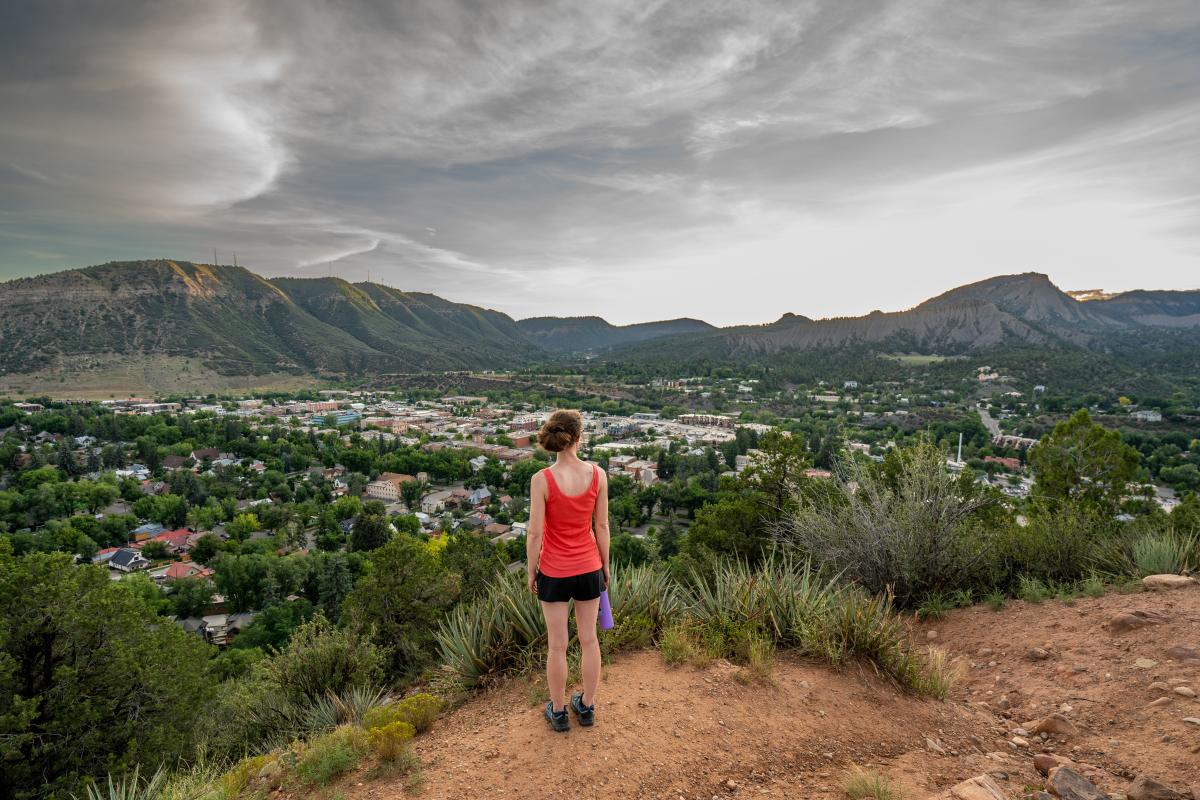
Durango’s elevation and location at the foot of the San Juan Mountains firmly establish it as a premier gateway to one of Colorado’s most spectacular mountain ranges. While the city itself provides a comfortable altitude for initial acclimatization, its strategic position allows travelers easy access to far higher elevations and the deep wilderness beyond. This makes it an ideal basecamp for extended exploration into Southwest Colorado’s rugged beauty.
From Durango, adventurers can embark on journeys that swiftly take them thousands of feet higher. The scenic drives, such as the San Juan Skyway, wind through breathtaking passes like Coal Bank Pass (10,640 feet) and Molas Pass (10,910 feet), offering unparalleled views of jagged peaks and pristine valleys. The historic Durango & Silverton Narrow Gauge Railroad provides a unique ascent into the mining town of Silverton at 9,318 feet, offering a glimpse into the region’s rich past and its intimate connection to the mountains.
Historically, Durango’s development was intrinsically linked to its role as a supply hub for the surrounding mining districts deep within the San Juan Mountains. The railroad, built in 1881, was designed to transport silver and gold from Silverton to Durango for smelting and further transport. This historical context underscores the town’s enduring function as a vital link between civilization and the untamed high country. Today, this tradition continues, albeit for recreation rather than resource extraction.
Its elevation also offers a distinct advantage for those seeking to tackle Colorado’s famed “Fourteeners” (peaks over 14,000 feet). While Durango itself is not a 14er town, it serves as a launching point for ascents of nearby giants such as Mount Eolus, Sunlight Peak, and Windom Peak, all located in the rugged Weminuche Wilderness north of town. The ability to return to a slightly lower elevation at the end of an adventurous day provides a welcome respite and aids in recovery. For travelers aspiring to explore the vast and spectacular wilderness of the San Juan Mountains, Durango’s elevation and strategic location make it not just a stopping point, but an essential starting point for an unforgettable high-altitude adventure.
LifeOutOfTheBox is a participant in the Amazon Services LLC Associates Program, an affiliate advertising program designed to provide a means for sites to earn advertising fees by advertising and linking to Amazon.com. Amazon, the Amazon logo, AmazonSupply, and the AmazonSupply logo are trademarks of Amazon.com, Inc. or its affiliates. As an Amazon Associate we earn affiliate commissions from qualifying purchases.