
The name “Chicago” resonates globally, conjuring images of towering skyscrapers, deep-dish pizza, and a vibrant cultural tapestry. But what does this iconic name truly signify? Beyond its immediate recognition as a major American metropolis, the meaning of Chicago is deeply rooted in its indigenous past, its resilient history, and its enduring spirit of innovation and community. For travelers, understanding this meaning enriches the experience, revealing layers of local culture, historical landmarks, and the lifestyle that defines this dynamic city.
The Ancient Echoes: Tracing Chicago’s Etymological Roots
To truly grasp the essence of Chicago, one must journey back to its origins, long before it became a bustling urban center. The name itself is a direct link to the land’s earliest inhabitants, reflecting a connection to nature that still subtly influences the city’s parks and lakeside charm.
From Wild Onions to Urban Sprawl: The Algonquin Legacy
The most widely accepted origin of the name Chicago comes from the Algonquian language family, specifically from the Miami-Illinois word “shikaakwa,” which means “stripe-skunk” or “wild onion/garlic.” French explorers and missionaries, who were among the first Europeans to document the area, noted the abundance of wild garlic or leeks growing along the banks of the Chicago River. In their journals and maps, they rendered the Native American term phonetically, eventually leading to “Checagou” and then “Chicago.”
This initial meaning—a place defined by its pungent wild plants—might seem far removed from the modern steel and glass city. However, it speaks to the fertile, marshy landscape that first attracted settlement. The strategic location, nestled by Lake Michigan and a portage connecting the Great Lakes to the Mississippi River system, made it an invaluable hub for trade and transportation for centuries. This foundational characteristic, of being a crossroads and a place of abundance, has remained a constant thread through Chicago’s history, even as the specific “wild onions” gave way to a concrete jungle. Understanding this etymology provides travelers with a deeper appreciation for the land itself, inviting them to explore the city’s green spaces and contemplate its natural heritage.
Early Explorers and the Birth of a Settlement
The first recorded European to pass through the area now known as Chicago was French explorer Louis Jolliet in 1673, accompanied by Jesuit missionary Father Jacques Marquette. They recognized the strategic importance of the portage between the Chicago River and the Des Plaines River, which offered a continuous waterway from the Great Lakes to the Gulf of Mexico. This discovery laid the groundwork for future European interest and trade.
However, it was Jean Baptiste Point du Sable, a Haitian fur trader of African descent, who is widely considered the first permanent non-indigenous settler in Chicago. Arriving in the late 1770s, he established a prosperous trading post at the mouth of the Chicago River, recognizing the region’s commercial potential. His presence, often highlighted in local culture and historical tours, symbolizes the diverse and entrepreneurial spirit that would come to define the city. Du Sable’s homestead served as the embryonic stage of Chicago, a testament to the early convergence of trade, travel, and cultural exchange. Today, visitors can learn about his pivotal role through historical markers and museums, offering insights into the diverse origins of this truly global city.
Forging an Identity: Resilience, Rebirth, and a City of Innovation
The journey from a marshy outpost to a global metropolis was fraught with challenges, yet Chicago’s ability to not just overcome but to thrive in the face of adversity has forged a robust and unique identity. This resilience, alongside a pioneering spirit in architecture and culture, truly defines what Chicago means today.
The Great Fire and the Spirit of Reinvention
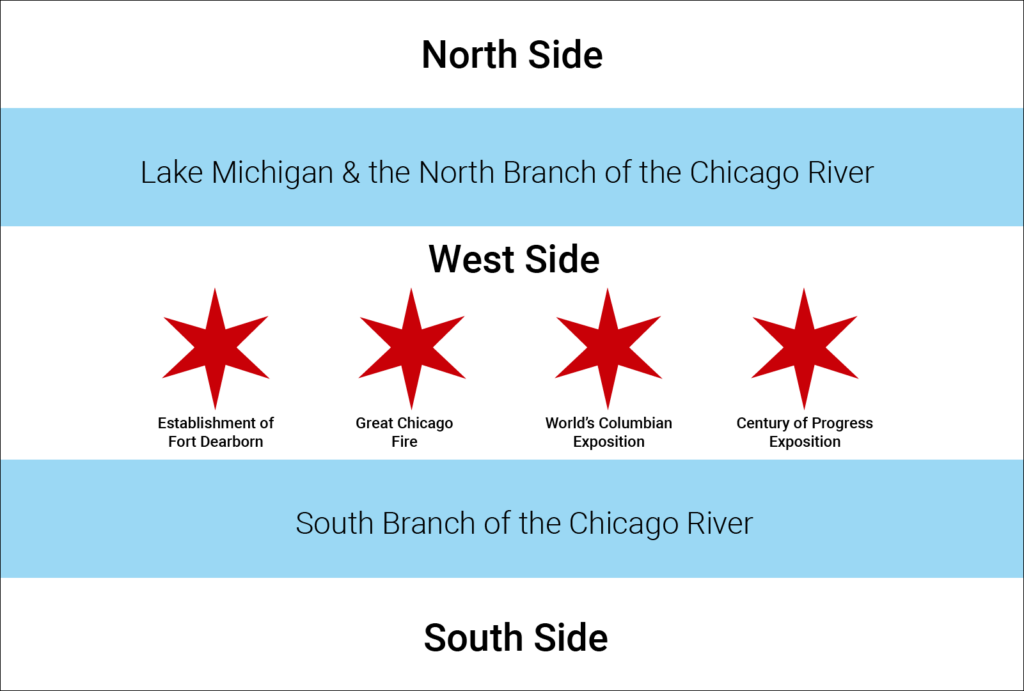
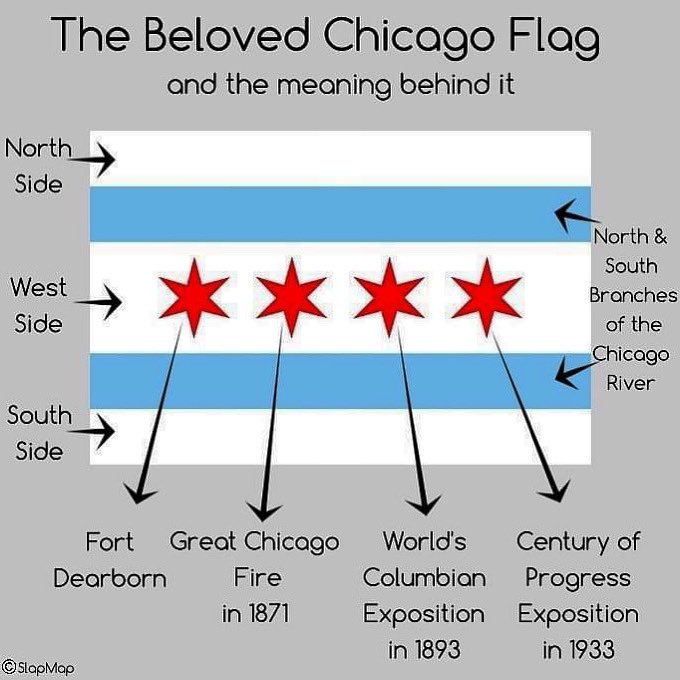
Perhaps no single event has more profoundly shaped the narrative of Chicago than the Great Chicago Fire of 1871. In just three days, the inferno consumed much of the central city, leaving over 100,000 people homeless and destroying billions in property. What followed was not despair, but an extraordinary display of civic will and ambition. The city, largely built of wood, recognized the need for a radical transformation. This catastrophe, rather than breaking its spirit, ignited an unprecedented period of rebuilding and innovation.
The rapid and determined reconstruction effort became legendary, solidifying Chicago’s image as the “City of Big Shoulders,” a place where hard work and ingenuity could overcome any obstacle. This spirit of reinvention is a fundamental part of Chicago’s meaning, a testament to its people’s enduring capacity for renewal. For tourists, this history imbues the city with a powerful narrative of resilience, making the modern skyline even more impressive as a symbol of triumph over disaster. Historic hotels and newly built accommodations rose from the ashes, showcasing an early commitment to hospitality even amidst hardship.

Architectural Marvels and the “City of Big Shoulders”
From the ashes of the Great Chicago Fire emerged a crucible of architectural innovation that would reshape urban landscapes worldwide. With vast tracts of land cleared, architects and engineers had a unique opportunity to experiment, leading to the birth of the modern skyscraper. Figures like Louis Sullivan, Daniel Burnham, and later Frank Lloyd Wright pioneered new techniques and aesthetics, developing what became known as the Chicago School of architecture. The city became a living laboratory for steel-frame construction, curtain walls, and efficient urban planning.
This architectural legacy is a cornerstone of Chicago’s identity and a primary draw for tourism. Landmark buildings like the Willis Tower (formerly Sears Tower), the John Hancock Center, and the historic buildings along the Chicago River are not just structures; they are monuments to human ambition and design ingenuity. Architectural boat tours are among the most popular attractions, offering unparalleled insights into this monumental achievement. These tours provide an understanding of how form meets function, how beauty meets engineering, and how the city’s built environment tells a story of relentless progress. For those interested in landmarks and design, Chicago’s architecture is a profound expression of its meaning.
A Melting Pot of Culture and Sound
Beyond its physical structures, Chicago’s meaning is deeply embedded in its rich and diverse cultural landscape. As a major industrial and transportation hub, the city attracted waves of immigrants from around the world, creating a vibrant tapestry of communities and traditions. This confluence of cultures fostered an incredibly fertile ground for artistic expression, particularly in music.
Chicago became the birthplace of modern urban blues, drawing musicians from the American South who brought their distinct sounds north. It also played a pivotal role in the development of jazz, gospel, and house music, leaving an indelible mark on global music history. Venues across the city continue to host live performances, offering visitors an authentic taste of Chicago’s musical heritage.
The city is also a significant center for theater, particularly improvisational comedy, with institutions like The Second City launching the careers of countless comedic legends. Its museums, such as The Art Institute of Chicago and the Field Museum, house world-class collections that reflect the city’s intellectual curiosity and global outlook. This vibrant cultural scene offers endless experiences for tourists, from budget-friendly performances to luxury cultural events, showcasing the city’s dynamic lifestyle and rich local culture.
Experiencing the Meaning Today: Chicago as a Global Destination
Today, Chicago means a world-class travel destination, seamlessly blending its historical significance with modern amenities and diverse attractions. The city’s original “meaning” as a strategic, thriving crossroads continues to manifest in its role as a global city welcoming millions of visitors annually.
Iconic Landmarks and Unforgettable Attractions
Chicago’s identity as a city of landmarks is undeniable. From the serene beauty of Millennium Park, home to the famous Cloud Gate sculpture (affectionately known as “The Bean”), to the historic grandeur of Grant Park, these spaces offer both reflection and recreation. The waterfront along Lake Michigan is dotted with major attractions like Navy Pier, offering Ferris wheel rides, dining, and boat tours, and the Museum Campus, which includes the Shedd Aquarium, Field Museum, and Adler Planetarium.
Beyond these well-known sites, the city’s neighborhoods each tell a part of Chicago’s story. From the upscale shopping on the Magnificent Mile to the charming streets of Lincoln Park with its free Lincoln Park Zoo, there is an attraction for every interest and lifestyle. For travelers, these landmarks and attractions are not just points of interest; they are tangible expressions of what Chicago means – a city that values public art, natural beauty, and accessible entertainment. They offer diverse experiences, catering to family trips, solo adventures, or luxury getaways.
Culinary Journeys and Diverse Lifestyles
The “meaning” of Chicago is also tasted in its diverse and celebrated food scene. While synonymous with its iconic Chicago Deep-Dish Pizza and Chicago-style hot dogs, the city offers a culinary landscape as varied as its population. From Michelin-starred restaurants pushing the boundaries of gastronomy to beloved neighborhood eateries and food trucks, there’s a dining experience for every palate and budget.
The city’s markets, such as Fulton Market, reflect a vibrant local culture focused on fresh, innovative cuisine. Whether you’re seeking a casual bite at Portillo’s, a luxurious steak dinner at Gibsons Bar & Steakhouse, or exploring ethnic enclaves for authentic global flavors, Chicago’s food scene is an integral part of its lifestyle. This culinary diversity not only satiates appetites but also offers a pathway to understanding the city’s rich immigrant history and its continuous evolution.
Accommodations and the Modern Traveler’s Experience
The broad “meaning” of Chicago as a destination is also reflected in its wide array of accommodation options, catering to every type of traveler. From ultra-luxury hotels like The Peninsula Chicago and Waldorf Astoria Chicago offering opulent suites and resorts with every amenity imaginable, to stylish boutique hotels such as Thompson Chicago and Virgin Hotels Chicago, the city ensures a comfortable and memorable stay.
For those on a budget, numerous apartments, villas, and hostels like HI Chicago Hostel provide excellent value without compromising on experience. Business travelers find ample choices with amenities tailored to their needs, while families can opt for spacious suites or serviced apartments. The city’s approach to accommodation underscores its welcoming nature, ensuring that whether you’re seeking luxury travel, a family trip, or a long-term stay, Chicago has a place for you. Reviews and comparison tools make booking easy, aligning with the website’s focus on seamless travel planning. Each hotel, resort, or apartment tells a small story of the city’s hospitality, offering a unique perspective on Chicago’s meaning as a global host.
Beyond the Name: Chicago’s Enduring Symbolism
Ultimately, “What does Chicago mean?” is a question whose answer evolves with each passing decade, yet certain core values remain. It signifies a blend of natural beauty and urban grandeur, a history of overcoming adversity, and a constant drive for progress.
A Hub of Innovation and Progress
Chicago means innovation. It’s not just a city that built the first skyscraper; it continues to be at the forefront of urban development, technological advancement, and cultural trends. Its universities and research institutions are world-renowned, and its diverse industries drive economic growth not just for Illinois but for the entire United States. This forward-looking approach means that the city is constantly reinventing itself, offering new experiences and opportunities for residents and visitors alike. From cutting-edge art installations in public spaces to new culinary concepts, Chicago is always pushing boundaries.
The Heartbeat of American Urbanism
In many ways, Chicago means the quintessential American city—a testament to hard work, ingenuity, and the melting pot of cultures. Its history is a microcosm of the American story, from indigenous roots to European settlement, industrial boom, immigration, and modern global leadership. It’s a city that embraces its past while relentlessly building its future.
For someone planning a trip, understanding what Chicago means allows for a richer, more meaningful experience. It’s not just about visiting attractions; it’s about connecting with a city that embodies resilience, architectural ambition, cultural depth, and a vibrant, welcoming lifestyle. From the wild onions of its origins to the bustling energy of its present, Chicago continues to be a city of profound meaning, inviting all to explore its depths and discover their own connection to its unique spirit.
LifeOutOfTheBox is a participant in the Amazon Services LLC Associates Program, an affiliate advertising program designed to provide a means for sites to earn advertising fees by advertising and linking to Amazon.com. Amazon, the Amazon logo, AmazonSupply, and the AmazonSupply logo are trademarks of Amazon.com, Inc. or its affiliates. As an Amazon Associate we earn affiliate commissions from qualifying purchases.