
Planning a trip to Colorado requires more than just picking a destination; it demands a keen understanding of its famously varied temperatures. Known as the “Centennial State,” Colorado’s climate is a mosaic influenced by its dramatic topography, ranging from high-altitude peaks to expansive plains. For travelers, deciphering these thermal nuances is paramount to packing appropriately, selecting the best activities, and ultimately, ensuring a comfortable and memorable experience. Unlike many states, Colorado doesn’t offer a single temperature profile; instead, it presents a spectrum that can change drastically within a few miles or hours.
Understanding Colorado’s Diverse Climates and Topography
Colorado’s vast geographic diversity is the primary driver of its unpredictable and often extreme temperatures. The state encompasses distinct regions, each with its own microclimate, directly impacting what a traveler might experience.
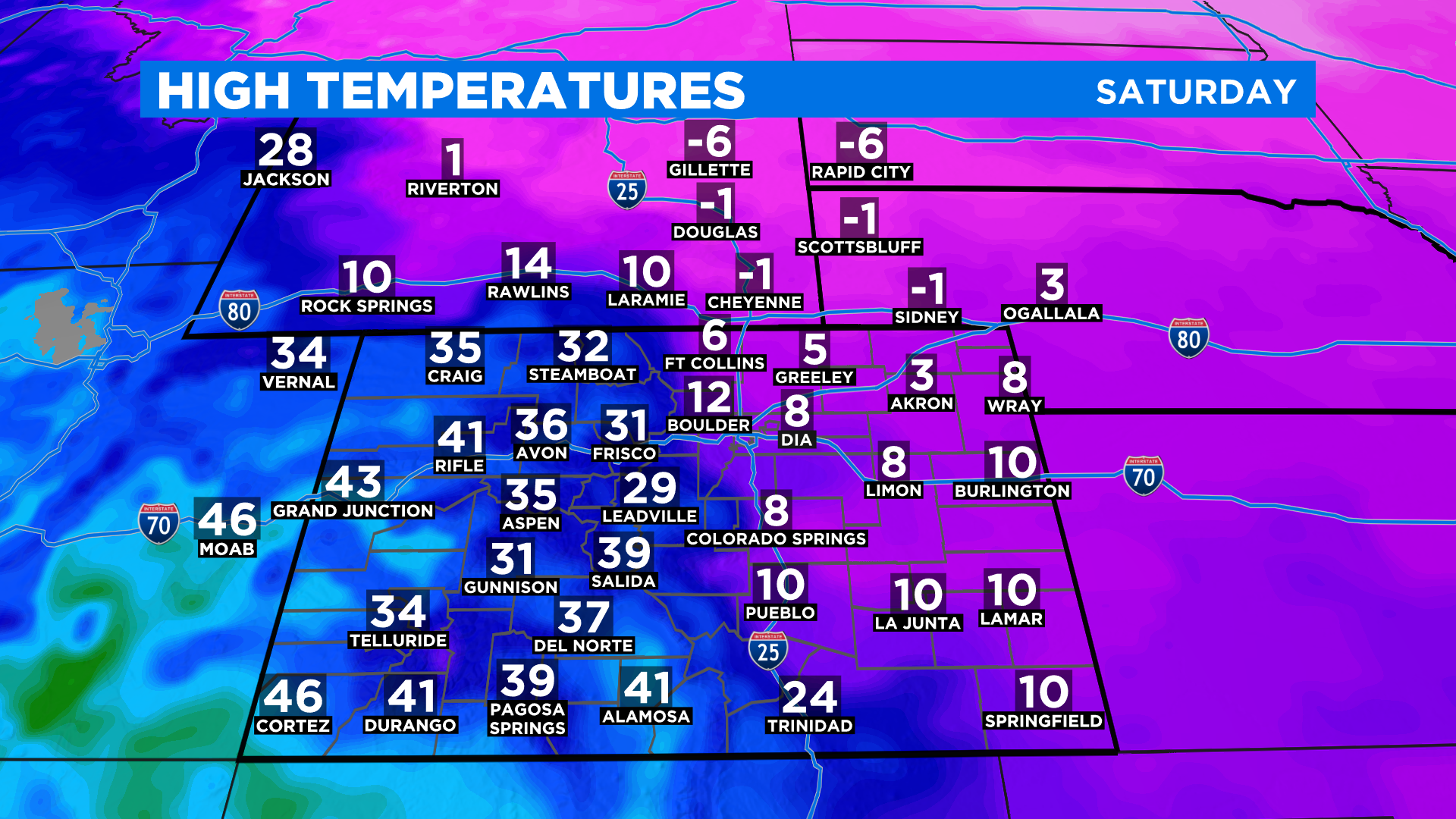
The majestic Rocky Mountains dominate the western and central parts of the state, where elevation plays a critical role. For every 1,000 feet gained in altitude, temperatures typically drop by about 3.5 degrees Fahrenheit. This means that while a city like Denver on the Front Range might experience a warm summer day, mountain towns such as Aspen or Vail, nestled at over 8,000 feet, will be significantly cooler, often requiring a light jacket even in July. Winter brings abundant snowfall and freezing temperatures to these mountainous regions, creating world-class skiing conditions.
East of the Rocky Mountains lie the Eastern Plains, characterized by a semi-arid, continental climate. Here, temperatures swing more dramatically between day and night, and between seasons. Summers can be hot, often exceeding 90°F, while winters are cold, windy, and can see significant snow, though it often melts quickly due to abundant sunshine. Cities like Lamar or Burlington on the plains reflect this pattern.
The Western Slope, west of the Continental Divide, presents another unique climatic zone. Regions like Grand Junction experience warmer, drier summers with less humidity than the plains, and milder winters with less snow accumulation compared to the high mountains. This area’s high desert characteristics mean substantial diurnal temperature variations. Understanding these regional distinctions is the first step in preparing for any Colorado adventure.
Seasonal Temperature Expectations for Travelers
Colorado’s four distinct seasons each offer unique temperature profiles and corresponding travel experiences.
Spring (March – May)
Spring in Colorado is famously unpredictable, often dubbed “mud season” in the mountains. Days can range from mild and sunny, often reaching the 50s and 60s Fahrenheit in cities like Denver and Boulder, to sudden heavy snowfalls, particularly in March and April. Mountain resorts like Winter Park and Breckenridge often receive their heaviest snows in early spring, extending the ski season well into April or even May. Nights remain cold across the state, frequently dipping below freezing. Travelers during this period should be prepared for everything from sunshine to blizzards, especially if traversing mountain passes. Layers are absolutely essential, as a morning chill can quickly give way to warm afternoon sun, only to return to cold temperatures as evening approaches.
Summer (June – August)
Colorado summers are a traveler’s paradise, characterized by warm, dry days and refreshingly cool evenings, particularly at higher elevations. In Denver and on the Eastern Plains, daytime temperatures commonly reach the 80s and 90s Fahrenheit, with occasional spikes above 100°F. However, humidity is generally low, making the heat more bearable. Mountain towns like Telluride and Steamboat Springs enjoy pleasant daytime temperatures in the 70s and low 80s, cooling significantly into the 40s or 50s Fahrenheit at night. Afternoon thunderstorms are a common occurrence, especially in the mountains, providing brief but intense rain showers. These usually clear quickly, leaving behind crisp, clean air. Rocky Mountain National Park is particularly popular during this season, with trails clear of snow and wildlife abundant.
Autumn (September – November)
Autumn is often considered one of the best times to visit Colorado, especially for those drawn to its natural beauty. Early fall, particularly September, brings crisp, clear days with comfortable temperatures, typically in the 60s and 70s Fahrenheit in lower elevations and the 50s in the mountains. This is when the state’s iconic aspen groves burst into brilliant gold. Nighttime temperatures drop rapidly, often reaching freezing in the mountains by late September and across most of the state by October. By November, winter truly begins to set in, with increasing snow chances and colder temperatures. The average high in Colorado Springs might be in the mid-50s, while mountain areas like Silverton will already be seeing daily highs in the 30s.
Winter (December – February)
Colorado winters are synonymous with snow sports and stunning frozen landscapes. While the mountains are consistently cold and snowy, with daytime highs often in the 20s and 30s Fahrenheit, the lower elevations experience more variability. Denver and the Front Range cities can see extended periods of sunshine and temperatures in the 40s and 50s between snowstorms, which typically bring temperatures well below freezing. Nights across the state are uniformly cold, frequently dropping into the single digits or even below zero, especially in mountain valleys. Destinations like Snowmass and Crested Butte offer quintessential winter experiences, though travelers should be prepared for challenging driving conditions and be sure their vehicles are equipped for snow and ice.
Packing Smart: Essentials for Colorado’s Temperatures
Given Colorado’s dynamic climate, smart packing is crucial for any itinerary. The overarching rule is layering.
- Base Layers: Moisture-wicking base layers are essential, especially for active pursuits in both warm and cold weather. They help regulate body temperature and prevent chilling from sweat.
- Mid-Layers: Fleece jackets, wool sweaters, or insulated vests provide warmth that can be easily added or removed.
- Outer Layers: A waterproof and windproof shell jacket is invaluable year-round to protect against sudden rain, snow, or high winds. For winter, a heavier, insulated, waterproof jacket is necessary.
- Bottoms: Depending on the season, bring convertible hiking pants, durable jeans, or insulated snow pants.
- Footwear: Sturdy, broken-in hiking boots are a must for summer and fall adventures. For winter, waterproof, insulated boots with good traction are indispensable. Always bring comfortable walking shoes for city exploration.
- Accessories: Regardless of the season, a hat (for sun protection or warmth), gloves/mittens in colder months, and sunglasses are vital. Sunscreen is non-negotiable due to Colorado’s high altitude and intense UV radiation.
- Hydration: Always carry a reusable water bottle. The dry air and altitude can lead to quicker dehydration.
Choosing Your Colorado Adventure Based on Temperature
The temperature significantly dictates the type of activities available and enjoyable across Colorado.
Warm Weather Activities (Late Spring to Early Fall)
When temperatures are mild to warm, Colorado truly opens up for outdoor enthusiasts.
- Hiking and Backpacking: With hundreds of miles of trails, from gentle strolls around Grand Lake to strenuous climbs up 14,000-foot peaks (known as “14ers”), summer and early fall offer ideal conditions. Rocky Mountain National Park, the Maroon Bells near Aspen, and trails around Crested Butte are particularly popular.
- Mountain Biking: Colorado is a world-renowned mountain biking destination. Moab, Colorado (despite being in Utah, it is a common travel point for those from Colorado) and Fruita on the Western Slope offer incredible desert riding, while resort towns provide lift-served downhill trails.
- Whitewater Rafting and Kayaking: The spring snowmelt swells rivers like the Arkansas River near Salida and Buena Vista, offering exhilarating rapids through the summer.
- Fishing: Fly fishing for trout in the state’s numerous rivers and high-alpine lakes is a quintessential summer experience.
- Scenic Drives: Autumn offers breathtaking drives through changing foliage, such as the Peak to Peak Scenic Byway or around Kebler Pass.
Cold Weather Activities (Late Fall to Early Spring)
When temperatures drop and snow blankets the landscape, a new set of adventures emerges.
- Skiing and Snowboarding: Colorado boasts some of the world’s premier ski resorts, including Vail, Breckenridge, Aspen Snowmass, and Telluride. The cold temperatures ensure high-quality powder.
- Snowshoeing and Cross-Country Skiing: For a quieter winter experience, numerous trails across the state, including those in Rocky Mountain National Park and near Breckenridge, are perfect for snowshoeing or cross-country skiing.
- Ice Skating: Many towns and resorts offer outdoor ice skating rinks, such as the one in Beaver Creek.
- Hot Springs: Soaking in natural hot springs like those in Glenwood Springs or Pagosa Springs is an ideal way to warm up on a chilly day.

Navigating Temperature Extremes and Sudden Changes
Travelers to Colorado must be prepared for swift and dramatic temperature shifts. It’s not uncommon for a warm, sunny morning to give way to an afternoon thunderstorm with a significant temperature drop, even in summer. In spring and fall, particularly at higher elevations, a beautiful day can quickly turn into a snowstorm. Always check local forecasts, especially for your specific destination and elevation, just before and during your trip.
The high altitude also impacts how temperatures feel and how your body reacts. The dry air and intense sun can make even moderate temperatures feel warmer, while the lack of humidity allows for rapid heat loss once the sun sets or clouds roll in. Staying hydrated and wearing sun protection are paramount, regardless of the thermometer reading. Being aware of these temperature dynamics will ensure that your Colorado adventure is not only exciting but also comfortable and safe.
LifeOutOfTheBox is a participant in the Amazon Services LLC Associates Program, an affiliate advertising program designed to provide a means for sites to earn advertising fees by advertising and linking to Amazon.com. Amazon, the Amazon logo, AmazonSupply, and the AmazonSupply logo are trademarks of Amazon.com, Inc. or its affiliates. As an Amazon Associate we earn affiliate commissions from qualifying purchases.