
Understanding the precise time in Boulder, Colorado is not merely a matter of checking a clock; it’s a foundational element for any traveler planning an itinerary to this vibrant city. Whether coordinating flights, scheduling outdoor adventures, or making dinner reservations, knowing the local time and its nuances is paramount for a seamless and enjoyable travel experience. Boulder operates within the Mountain Time Zone, a crucial piece of information that dictates the rhythm of this scenic destination.
Navigating the Mountain Time Zone: MST vs. MDT
Boulder, like the rest of Colorado, observes the Mountain Time Zone (MT). However, understanding MT requires distinguishing between its two phases: Mountain Standard Time (MST) and Mountain Daylight Time (MDT). This seasonal shift, driven by Daylight Saving Time, significantly impacts the effective local time for travelers.
Understanding Mountain Standard Time (MST)
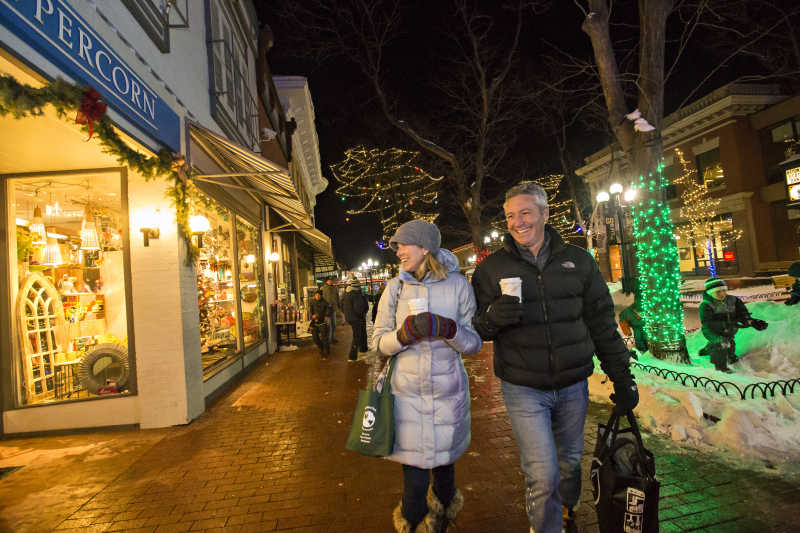
Mountain Standard Time is observed during the cooler months, typically from early November to mid-March. During this period, Boulder’s local time is seven hours behind Coordinated Universal Time (UTC-7). For travelers arriving from time zones further east, this means “falling back” an hour from Central Standard Time (CST) and two hours from Eastern Standard Time (EST). Conversely, those coming from the west, particularly the Pacific Time Zone (PST), will move forward by an hour. This standard offers slightly earlier sunrises and sunsets, which can be advantageous for early morning hikes or planning evening activities.
Embracing Mountain Daylight Time (MDT)
The transition to Mountain Daylight Time occurs in mid-March, when clocks spring forward one hour, and lasts until early November. During MDT, Boulder’s local time is six hours behind Coordinated Universal Time (UTC-6). This shift provides an extra hour of daylight in the evenings, perfect for exploring Boulder’s extensive trail systems, enjoying outdoor dining, or simply taking in the breathtaking views of the Flatirons as the sun sets later. For travelers, this adjustment can affect jet lag, especially for those arriving from eastern time zones, as the relative time difference widens.
Planning Your Arrival: Navigating Boulder’s Time
Effective travel planning hinges on understanding time zone differences, particularly for arrival and departure logistics. Boulder’s position within the Mountain Time Zone requires careful consideration to ensure a smooth transition and maximize your time in the city.
Coordinating Flights and Transportation
Most travelers to Boulder fly into Denver International Airport (DIA), which also operates on Mountain Time. When booking flights, always confirm the arrival and departure times in local time to avoid confusion. If you’re connecting from different time zones, allow for potential delays and the adjustment period. For instance, a flight departing New York City (EST/EDT) at 9:00 AM will experience a two-hour time difference upon arrival in Boulder, meaning a flight lasting 4-5 hours will land significantly earlier by Boulder’s clock.
Once at DIA, various shuttle services, such as the RTD SkyRide, offer direct routes to Boulder. Familiarize yourself with their schedules, keeping in mind that the last shuttle of the day will likely align with Boulder’s evening hours, not necessarily your origin city’s time.
Battling Jet Lag for a Seamless Start
Jet lag can significantly impact the initial days of a trip. For those traveling from time zones ahead of Boulder (e.g., East Coast), the key is to adjust to the new time as quickly as possible.
- Shift Sleep Gradually: A few days before your trip, try to shift your sleep schedule closer to Boulder’s time.
- Stay Hydrated: Dehydration can exacerbate jet lag symptoms. Drink plenty of water during your flight and upon arrival.
- Embrace Daylight: Upon landing, expose yourself to natural light, especially in the mornings, to help reset your internal clock.
- Avoid Napping Too Long: Short power naps are fine, but avoid long naps that interfere with nighttime sleep.
- Adjust Meal Times: Eat meals according to Boulder’s schedule to further synchronize your body.
Optimizing Your Boulder Itinerary by the Clock
Boulder’s charm lies in its blend of outdoor adventure, intellectual vibrancy, and culinary delights. Strategic time management ensures you experience the best of what the city has to offer.
Morning Adventures: Hitting the Trails Early
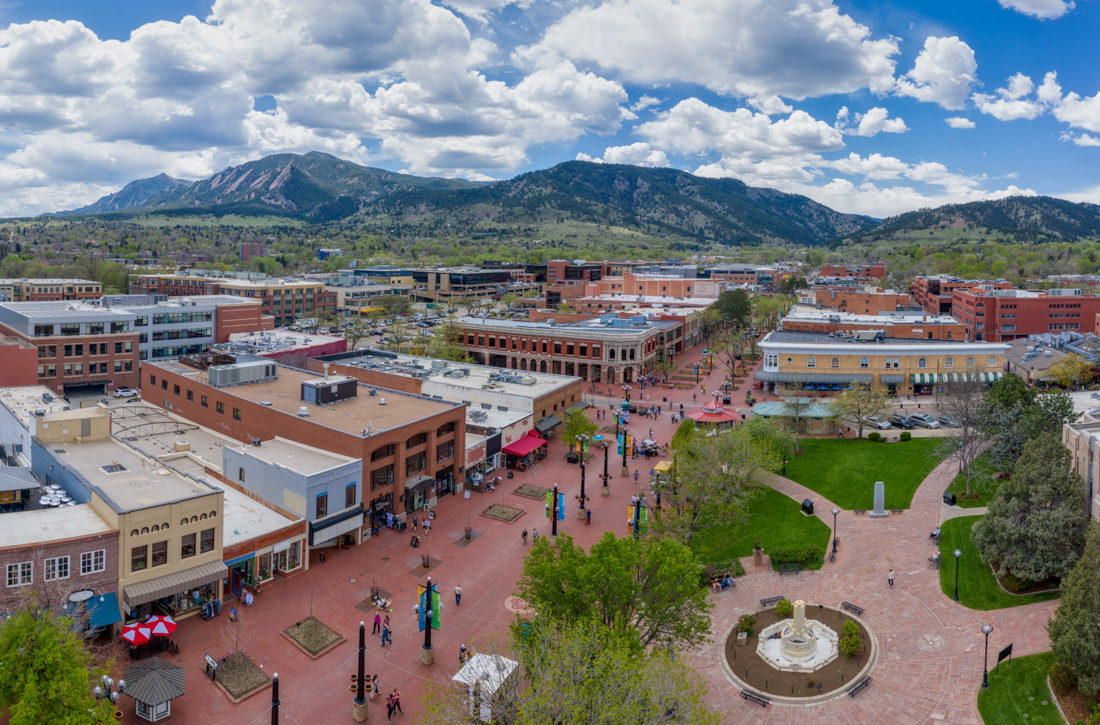
Boulder is renowned for its access to hiking and biking trails. Starting your day early, especially during Mountain Daylight Time when sunrise is later, allows you to beat the heat, avoid crowds, and find better parking at popular trailheads like those for the Flatirons or the Chautauqua Park area. Consider a sunrise hike up Mount Sanitas for breathtaking views as the city awakens, or explore the trails around Eldorado Canyon State Park before the midday rush. Always factor in travel time to and from trailheads and the estimated duration of your chosen activity.
Afternoon Explorations: Culture and Cuisine
Mid-day is ideal for exploring Boulder’s downtown area, especially Pearl Street Mall. This vibrant pedestrian mall offers unique boutiques, art galleries, and street performers. Most shops open around 10:00 AM or 11:00 AM Mountain Time and remain open until 6:00 PM or 7:00 PM. Lunch reservations are often less critical than dinner, but checking opening hours for specific eateries is always recommended. For a cultural dive, consider visiting the Boulder Museum of Contemporary Art or the University of Colorado Boulder campus, both of which have specific operating hours that align with typical daytime schedules.
Evening Experiences: Dining and Entertainment
Boulder’s dining scene is diverse and often busy, particularly on weekends. Making dinner reservations, especially at popular spots like Frasca Food and Wine or Oak at Fourteenth, is highly advisable. Most restaurants begin dinner service around 5:00 PM Mountain Time and peak between 7:00 PM and 9:00 PM. Post-dinner, Boulder offers various options, from live music venues like the Fox Theatre to breweries and distilleries. Check their respective schedules, as showtimes and closing hours are strictly observed by the local clock.
Time-Sensitive Experiences and Events in Boulder
Beyond daily schedules, Boulder hosts numerous events and experiences that are inherently time-bound, making accurate time awareness even more critical.
Seasonal Festivals and Markets
Throughout the year, Boulder comes alive with festivals, farmers markets, and community gatherings. The Boulder Farmers Market, consistently ranked among the best in the country, typically runs on Saturdays from April to November and on Wednesdays during the summer, usually from 8:00 AM or 4:00 PM respectively, until midday or evening. Events like the Boulder Creek Festival in May or the Colorado Shakespeare Festival during the summer months have specific performance times and schedules that must be adhered to. Always consult official event websites for the most up-to-date timings.
Guided Tours and Outdoor Excursions
Many of Boulder’s unique experiences, such as guided rock climbing at Eldorado Canyon, fly-fishing tours, or brewery crawls, are conducted by tour operators with fixed departure times. Booking these in advance and arriving punctually is essential. A missed departure can mean missing the experience entirely. For example, a morning rafting trip on the Cache la Poudre River often has a strict check-in time of 8:00 AM Mountain Time to allow for travel to the put-in point and safety briefings.
The Boulder Lifestyle: When the City Comes Alive
Boulder’s unique rhythm is a reflection of its residents’ active, health-conscious, and environmentally aware lifestyle. Understanding this rhythm enhances a traveler’s ability to truly immerse themselves in the local culture.
Early Bird Activities
Many Boulderites are early risers, taking advantage of the cool morning air for a run, bike ride, or yoga session. Coffee shops along Pearl Street and elsewhere open early, often by 6:00 AM or 7:00 AM Mountain Time, to cater to this crowd. Gyms and fitness studios also see significant activity in the early morning hours. If you’re looking to experience Boulder like a local, embracing these early hours is a great way to start your day.
Afternoon Leisure and Evening Quiet
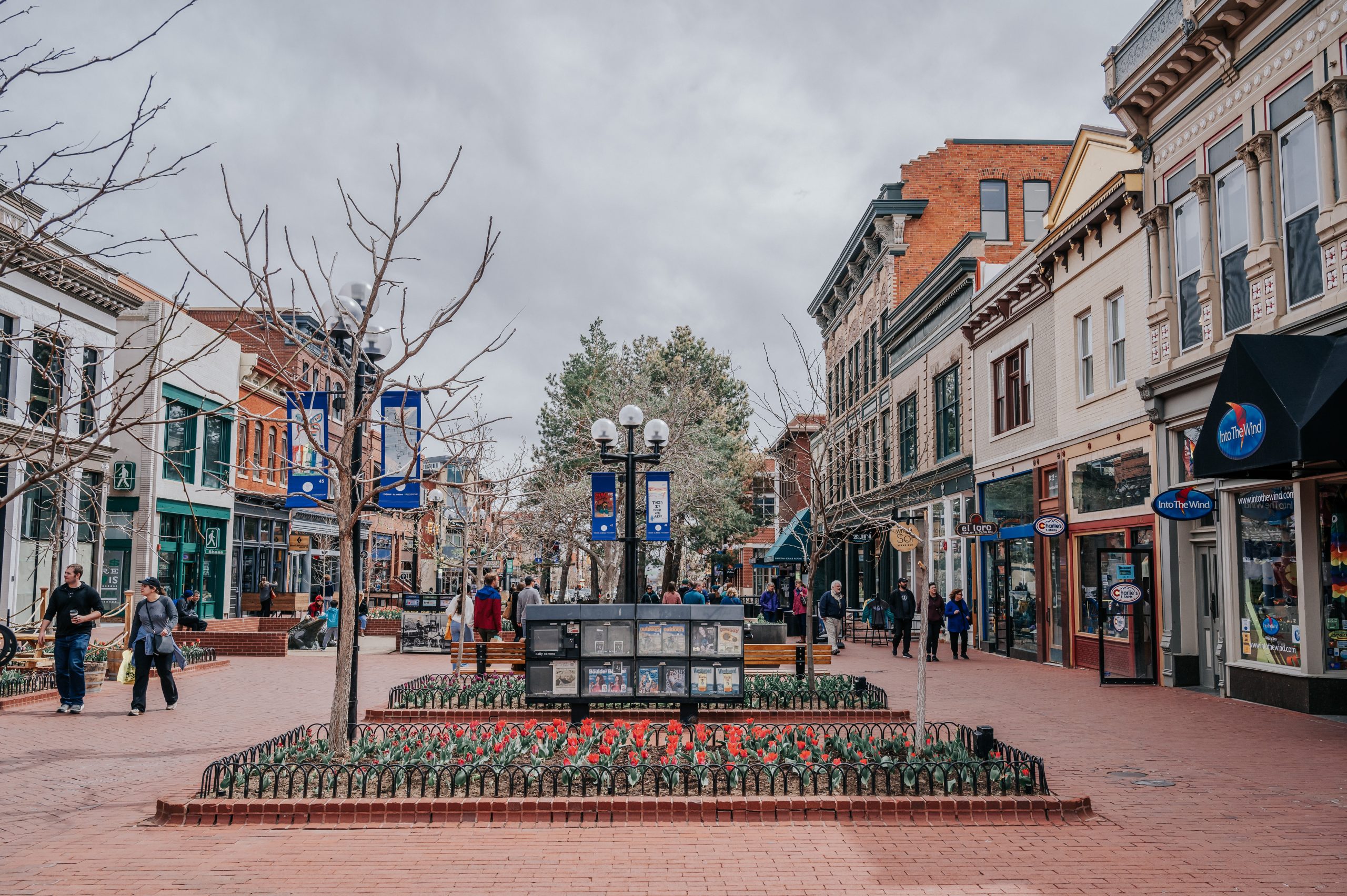
While afternoons are bustling with activity on Pearl Street and around the university campus, evenings, especially after dinner, tend to settle into a more relaxed pace. While there are options for late-night entertainment, Boulder generally isn’t a city that stays up late into the night. Many residents prioritize getting a good night’s sleep to be ready for the next day’s adventures. Most businesses on Pearl Street Mall close by 8:00 PM or 9:00 PM, with restaurants and bars staying open later.
In conclusion, knowing the time in Boulder, Colorado, means more than just a quick glance at your watch. It involves appreciating the nuances of the Mountain Time Zone, planning for Daylight Saving adjustments, and strategically scheduling your activities to align with the city’s natural pulse. By doing so, travelers can unlock the full potential of their visit, from conquering morning trails to savoring evening culinary delights, all within the beautiful backdrop of the Rocky Mountains.
LifeOutOfTheBox is a participant in the Amazon Services LLC Associates Program, an affiliate advertising program designed to provide a means for sites to earn advertising fees by advertising and linking to Amazon.com. Amazon, the Amazon logo, AmazonSupply, and the AmazonSupply logo are trademarks of Amazon.com, Inc. or its affiliates. As an Amazon Associate we earn affiliate commissions from qualifying purchases.