
For travelers planning an unforgettable journey to Littleton, Colorado, understanding the local time is more than just a trivial detail—it’s a foundational element for seamless itinerary planning, efficient logistics, and truly immersing oneself in the vibrant spirit of this charming Denver suburb. To answer directly, Littleton, Colorado observes Mountain Time (MT). This means during standard time, it operates under Mountain Standard Time (MST), which is UTC-7. When Daylight Saving Time is in effect, it switches to Mountain Daylight Time (MDT), moving to UTC-6. This shift typically occurs on the second Sunday in March, when clocks “spring forward,” and reverts on the first Sunday in November, when they “fall back.” Knowing whether it’s MST or MDT is critical for coordinating flights, booking tours, and simply arriving on time for that highly anticipated dinner reservation. Beyond the clock face, understanding this time zone is the first step in unlocking a richer, more relaxed travel experience in Littleton.
Decoding Littleton’s Time Zone: Mountain Standard Time (MST) and Mountain Daylight Time (MDT)
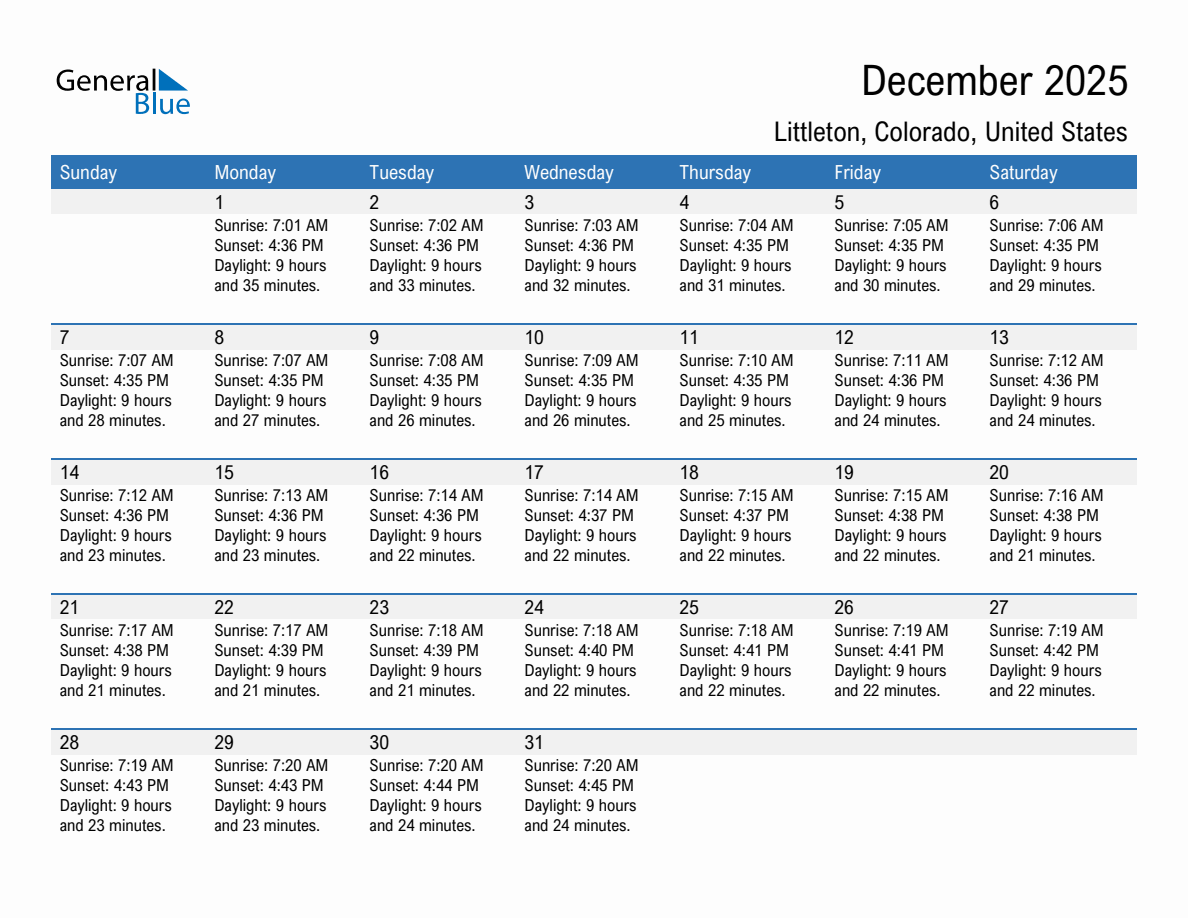
Littleton’s adherence to Mountain Time places it in a unique position relative to other major U.S. time zones. It is one hour behind Central Time, two hours behind Eastern Time, and one hour ahead of Pacific Time. This seemingly simple fact has significant implications for travelers arriving from different parts of the globe or even within the contiguous United States. The transition between Mountain Standard Time and Mountain Daylight Time is perhaps the most crucial temporal detail for visitors. During the spring and summer months, when MDT is active, Littleton enjoys extended daylight hours, often stretching well into the evening. This natural rhythm profoundly influences local activities and the overall ambiance, offering more opportunities for outdoor exploration and evening strolls. Conversely, during the fall and winter, MST brings earlier sunsets, which can shape decisions regarding morning activities, indoor attractions, or simply planning for evening events. Travelers should always verify whether DST is currently observed when checking the local time to avoid any miscalculations, especially when making bookings or coordinating with local services. A quick check of a reliable online clock or a local weather app will confirm the current Mountain Time in Littleton, ensuring your plans are perfectly aligned with the local schedule.
Optimizing Your Itinerary: Time-Sensitive Planning in Littleton
Effective time management is the bedrock of any successful travel itinerary, and in Littleton, understanding the local clock allows for a finely tuned and stress-free experience. From arrival to departure, every aspect of your trip can be enhanced by considering the local time zone.
Arrival and Departure Logistics
Your first interaction with Littleton’s time zone will likely be upon arrival at Denver International Airport (DIA) or a similar regional hub. Factor in the time difference from your origin city when scheduling connecting flights, ground transportation, and hotel check-ins. An early morning arrival from the east coast might mean you’ve gained a few hours, potentially allowing for a productive first afternoon. Conversely, an evening flight departing to the east will require you to adjust your internal clock to avoid missing your connection. Coordinating with airport shuttles, ride-shares, or rental car pickups should always be done with a clear understanding of Mountain Time to prevent unnecessary delays or confusion. Confirming check-in and check-out times with your Littleton accommodation well in advance, specifically noting if they operate on a 24-hour cycle or have specific hours, will smooth your transition into and out of your stay.
Synchronizing with Local Attractions and Activities
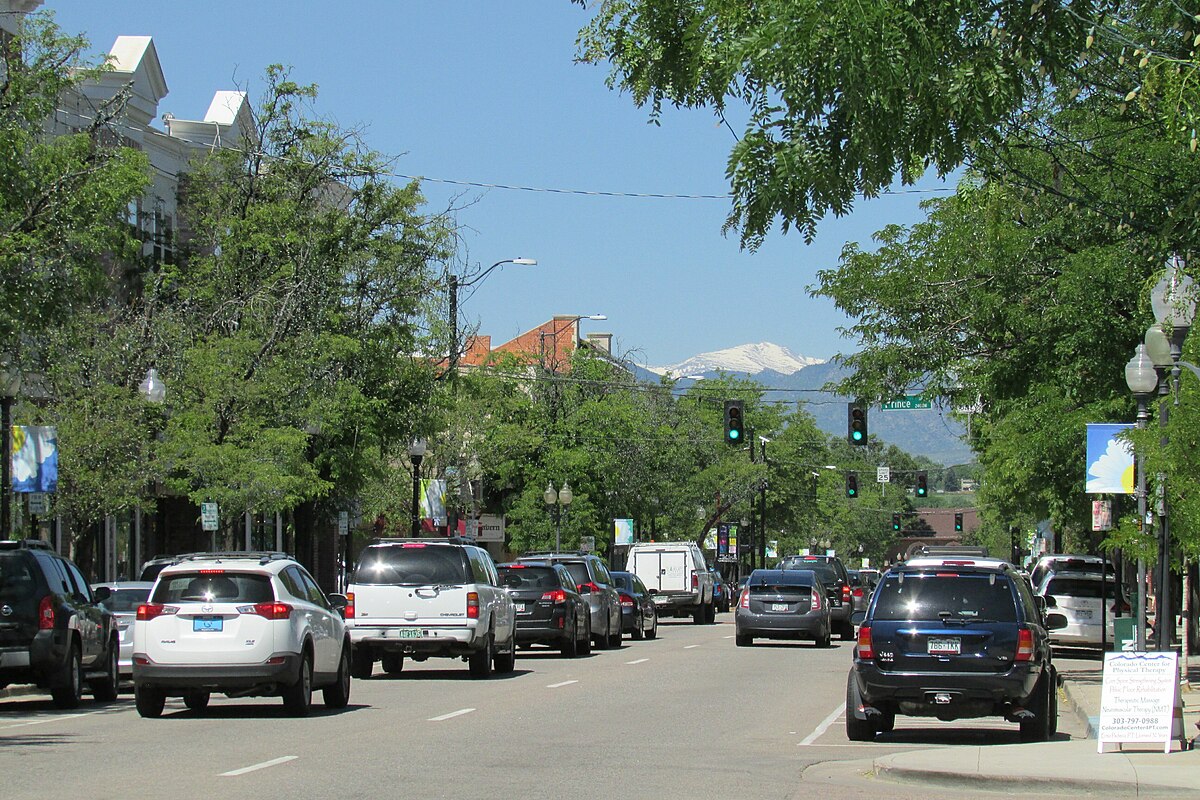
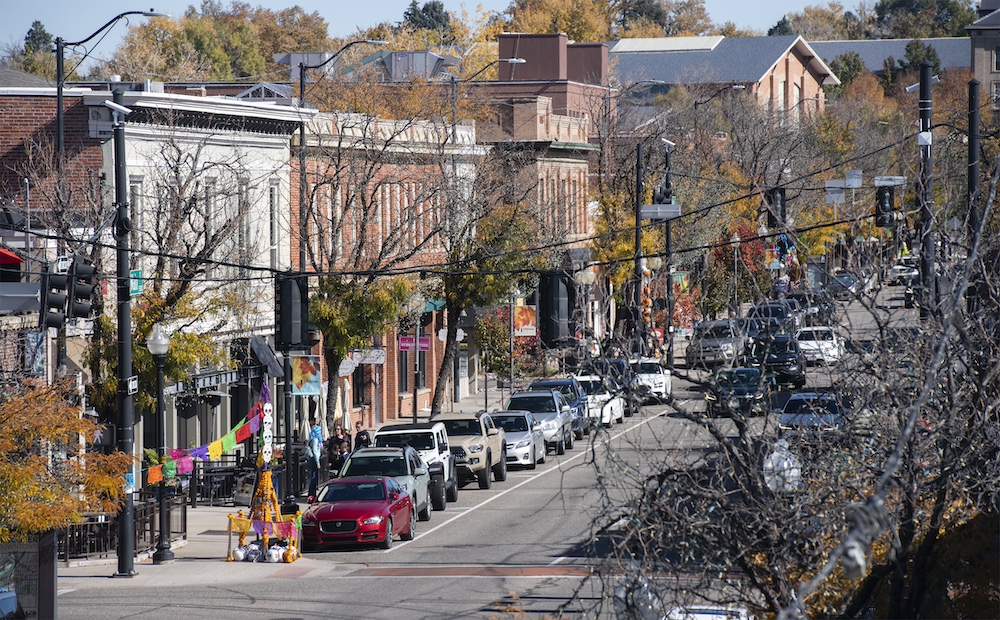
Littleton boasts a diverse array of attractions, from historical sites and cultural venues to extensive outdoor recreational opportunities. Nearly all of these operate on fixed schedules that adhere strictly to local Mountain Time. For instance, visits to Historic Downtown Littleton shops, the Littleton Museum, or the Town Hall Arts Center require awareness of their opening and closing hours. Similarly, outdoor activities at places like Roxborough State Park or Chatfield State Park might have gate hours, ranger station operating times, or specific event schedules. Booking guided tours, such as a scenic drive through the Rocky Mountains or a visit to nearby Red Rocks Park and Amphitheatre, demands precise time coordination. Always check the official websites or call ahead for the most current operating hours and potential seasonal adjustments, especially when Daylight Saving Time shifts occur. This diligence ensures you maximize your sightseeing time and avoid the disappointment of arriving at a closed attraction.
Dining and Nightlife Considerations
Dining in Littleton offers a delightful spectrum of culinary experiences, from casual cafes to upscale restaurants. Reservations, especially for popular establishments or during peak seasons, are often essential. When making these reservations, always account for Mountain Time. An 8 PM dinner reservation translates differently depending on your internal clock if you’ve just arrived from a distant time zone. Similarly, happy hour specials, live music events, and bar closing times in Historic Downtown Littleton will strictly follow the local schedule. For those attending a show at the Town Hall Arts Center or enjoying the evening scene, knowing the local time is crucial for pre-show dining, curtain times, and post-event transportation. Being cognizant of the clock allows you to savor each meal and social engagement without rushing or missing out.
Embracing the Colorado Pace: Experiencing Littleton Beyond the Clock
While adherence to the clock is vital for logistics, truly experiencing Littleton also involves appreciating its natural rhythms and community spirit. The local time isn’t just a number; it’s a reflection of life in Colorado.
Outdoor Adventures and Natural Rhythms
Littleton’s proximity to the Rocky Mountains and its abundant open spaces mean outdoor activities are a cornerstone of the local lifestyle. Understanding the time, particularly the patterns of sunrise and sunset, is essential for these pursuits. During Mountain Daylight Time in summer, long daylight hours are perfect for extended hikes in Roxborough State Park, cycling along the South Platte River Trail, or kayaking at Chatfield Reservoir. Sunsets can be spectacular against the mountain backdrop, and their later timing allows for more relaxed evening activities. In winter, with Mountain Standard Time bringing earlier darkness, skiers heading to nearby resorts like Breckenridge or Vail (which also operate on Mountain Time) will plan their day to maximize daylight on the slopes. Even a simple morning jog or an afternoon picnic requires a casual awareness of the sun’s position and the clock to ensure comfort and safety.
Cultural Immersion and Community Events
Beyond structured attractions, Littleton thrives on its community events, farmers’ markets, festivals, and local gatherings. These often have specific start and end times that contribute to the town’s unique cultural fabric. Attending the Littleton Farmers Market on a Saturday morning, participating in a holiday parade, or enjoying a summer concert series at Sterne Park all depend on understanding the local schedule. Engaging with these events offers a genuine glimpse into Littleton life and connects visitors with the local community. To fully immerse yourself, keep an eye on local event calendars and be prepared to adjust your personal clock to the town’s rhythm, experiencing Littleton not just as a destination but as a living, breathing community.
Practical Tips for Time Zone Acclimation
Adjusting to a new time zone, especially if you’re traveling across several, can impact your energy levels and overall enjoyment. Here are some practical tips to help you acclimate quickly and make the most of your Littleton adventure.
Before You Go
Before your trip, gradually shift your sleep schedule by an hour or so each day towards Mountain Time. Update all your electronic devices to automatically adjust to the new time zone upon arrival. Inform friends, family, and colleagues of the time difference so they know when best to reach you and when you might be occupied. Make a list of essential contact numbers (hotels, tour operators, car rentals) and include the time they operate in Mountain Time for quick reference. This proactive approach minimizes confusion and allows for a smoother transition.
Upon Arrival
Once you land in Colorado, immediately set your watch and devices to Mountain Time. Try to align your meal times with local customs, even if you’re not hungry, to help your body adjust. Expose yourself to natural light during the day, especially in the mornings, to reset your circadian rhythm. If possible, avoid long naps upon arrival; instead, power through until a reasonable local bedtime. Stay hydrated, as Colorado’s high altitude can exacerbate feelings of fatigue. By consciously adapting to the local clock from the moment you arrive, you’ll overcome jet lag faster and be ready to fully explore all that Littleton has to offer, from its scenic landscapes to its vibrant downtown.
LifeOutOfTheBox is a participant in the Amazon Services LLC Associates Program, an affiliate advertising program designed to provide a means for sites to earn advertising fees by advertising and linking to Amazon.com. Amazon, the Amazon logo, AmazonSupply, and the AmazonSupply logo are trademarks of Amazon.com, Inc. or its affiliates. As an Amazon Associate we earn affiliate commissions from qualifying purchases.