
The crisp autumn air in Colorado brings with it an undeniable buzz, a collective anticipation among skiers and snowboarders for the first flakes and the thrilling opening day of the ski season. Colorado is world-renowned for its exceptional powder, diverse terrain, and an impressive lineup of resorts, making its opening dates a subject of keen interest for winter sports enthusiasts globally. Understanding when these iconic slopes typically welcome guests is crucial for planning an unforgettable ski vacation.
The Anticipation: Understanding Colorado’s Ski Season Kick-off
The start of the ski season in Colorado isn’t a single, fixed date, but rather a dynamic period influenced by a confluence of natural conditions and meticulous human preparation. While resorts often announce target opening dates months in advance, the final decision heavily relies on sufficient snowfall, sustained cold temperatures for snowmaking, and the completion of vital infrastructure checks and staff training.
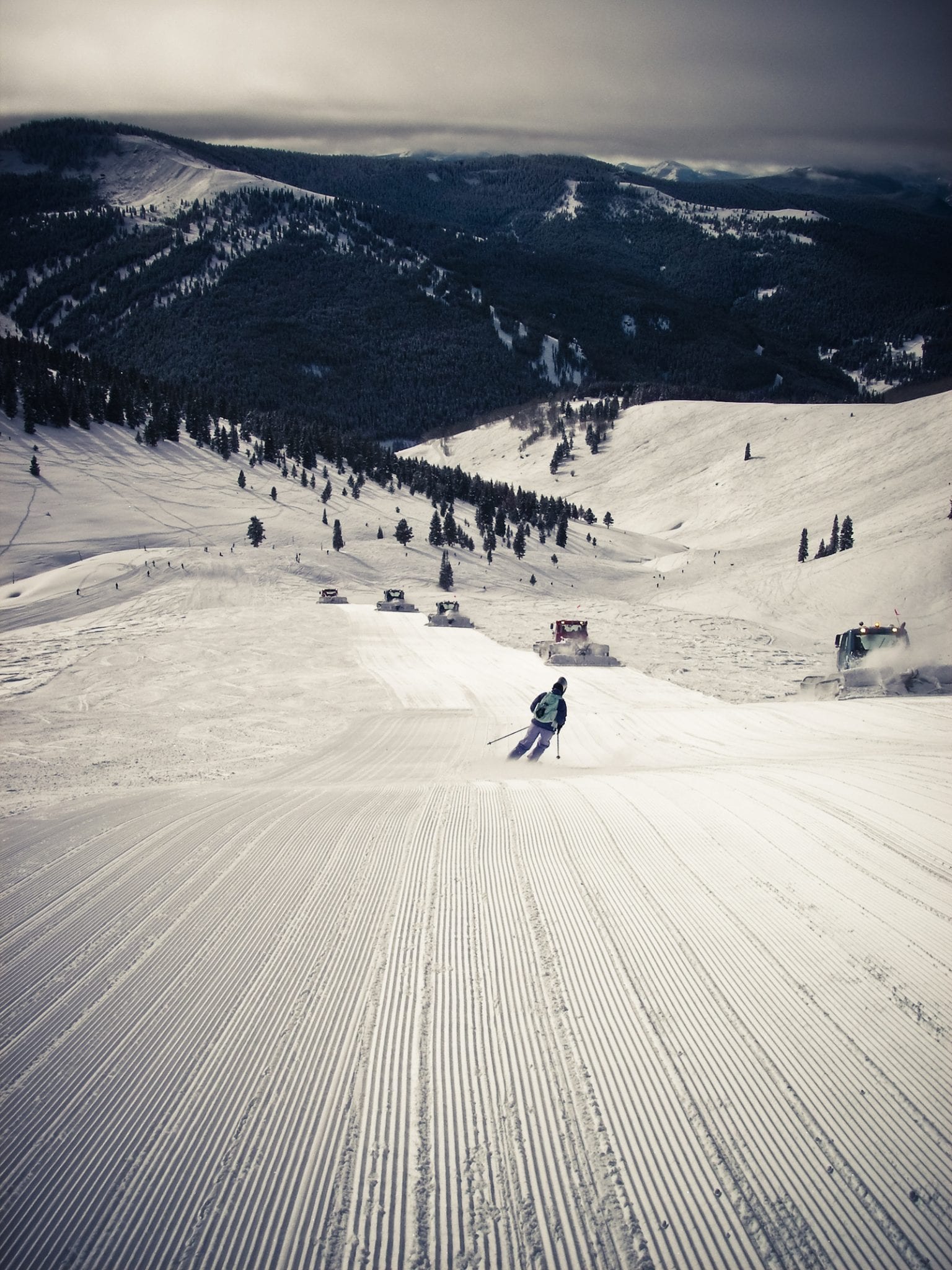
Generally, Colorado’s ski season typically kicks off in mid-to-late October, with a few high-elevation resorts vying for the prestigious title of the “first to open” in North America. This early start provides an exciting prelude to the main season, which fully blossoms by mid-November and extends well into spring, often past Easter. The initial phase is characterized by a limited opening of terrain, usually confined to a few runs accessible by key lifts, before progressively expanding as natural snowfall accumulates and snowmaking efforts ramp up. This gradual opening allows resorts to build a robust base, ensuring quality conditions for the thousands of visitors expected throughout the peak winter months. The “race to open” is a friendly but fierce competition, particularly between Arapahoe Basin and Loveland Ski Area, two resorts strategically positioned at high altitudes along the Continental Divide in the Rocky Mountains, which often boast the earliest openings.
Key Opening Dates for Major Colorado Resorts
Colorado’s diverse array of ski resorts means a staggered opening schedule, catering to different preferences and allowing a longer overall season for snow lovers.
The Early Birds: October Openings
Traditionally, two resorts lead the charge, often opening their lifts as early as mid-October, sometimes even in late September if conditions are exceptionally favorable:
- Arapahoe Basin: Known affectionately as “A-Basin,” this resort frequently claims the title for the first to open in Colorado and often North America. Its high elevation and north-facing slopes allow for early natural snow retention and efficient snowmaking.
- Loveland Ski Area: A perennial contender for the earliest opening, Loveland Ski Area also benefits from high altitude and dedicated snowmaking operations, often opening just days after Arapahoe Basin.
These resorts provide an exciting opportunity for eager skiers to get their first turns of the season, albeit on limited terrain.
Mid-November: The Main Season Begins
By mid-November, many of Colorado’s larger, more famous resorts begin to open their gates, signaling the true start of the ski season. This period usually sees more substantial terrain available, making it a popular time for pre-Thanksgiving trips.
- Breckenridge: One of the most popular resorts in Colorado, Breckenridge typically opens around the second week of November, with a festive atmosphere.
- Vail: Vail Mountain, North America’s third-largest ski resort, usually follows shortly after, often in the second or third week of November.
- Keystone: A family-friendly resort, Keystone also targets a mid-November opening, often boasting extensive early season terrain due to its robust snowmaking capabilities.
- Winter Park: Another major player, Winter Park typically welcomes skiers and riders by mid-November, offering diverse terrain just a short drive from Denver.
Late November/Early December: Full Swing
As Thanksgiving approaches and passes, most remaining resorts join the fray, aiming to be fully operational for the busy holiday season.
- Aspen Snowmass: The four mountains of Aspen Snowmass (Snowmass, Aspen Mountain, Aspen Highlands, and Buttermilk) generally begin opening in late November, with all four typically running by mid-December.
- Steamboat: Famous for its “Champagne Powder®,” Steamboat often targets late November for its opening, bringing its unique western charm to the season.
- Telluride: This picturesque resort in southwestern Colorado typically opens its majestic slopes in late November or early December, offering unparalleled scenic beauty.
It is critical for travelers to check the specific resort websites for the most up-to-date information, as opening dates are always subject to change based on actual weather conditions and operational readiness.

Planning Your Early Season Colorado Ski Trip
Venturing to Colorado in the early season offers a distinct experience, appealing to seasoned enthusiasts and those seeking a unique start to winter.
Advantages of Early Season Skiing
One of the most appealing aspects of early season skiing is the significantly reduced crowds. Before the holiday rush and peak January-February period, lift lines are shorter, and the slopes feel more open, providing a serene environment for carving fresh turns. This period can also present opportunities for better deals on lodging and flights, particularly if you travel before Thanksgiving. For many, the pure excitement of getting back on snow after months of waiting is a draw in itself, with a palpable sense of community among fellow early-season regulars.
Disadvantages and Considerations
However, early season skiing also comes with its caveats. Terrain availability is often limited to a few main runs, primarily those accessible to snowmaking. This means less variety and potentially more crowded conditions on the open trails. Snow quality can also be variable; while some days might offer glorious fresh powder, others might present firmer, man-made snow. Not all resort amenities, such as restaurants, shops, or extensive ski school programs, may be fully operational. It’s essential to manage expectations regarding the full resort experience during these initial weeks.
Tips for Booking and Preparation
When planning an early season trip, flexibility is key. Opt for refundable flights and accommodation if possible, keeping an eye on weather forecasts and resort announcements. Always check the official resort website for real-time information on open lifts and trails. For gear, be prepared for colder temperatures, especially at higher elevations, and consider bringing multiple layers. Early season conditions can be unpredictable, so being adaptable will ensure a more enjoyable experience. Investing in a Colorado ski pass like the Epic Pass or Ikon Pass can also offer significant value if you plan multiple trips or visits to various resorts throughout the season.
Beyond Opening Day: What to Expect as the Season Progresses
While opening day marks the excited start, the Colorado ski season truly evolves over several months, each with its own character.
Mid-Season (Late December – February)
This period represents the heart of the Colorado ski season. By late December, virtually all resorts are fully open, offering expansive terrain, consistent snow conditions (often enhanced by regular snowfall), and a vibrant atmosphere. This is peak season, characterized by higher prices, larger crowds, and the best chances for significant powder days. The holiday weeks around Christmas and New Year’s, as well as President’s Day weekend, are the busiest, requiring advance bookings for everything from lodging to dinner reservations.
Late Season (March – April)
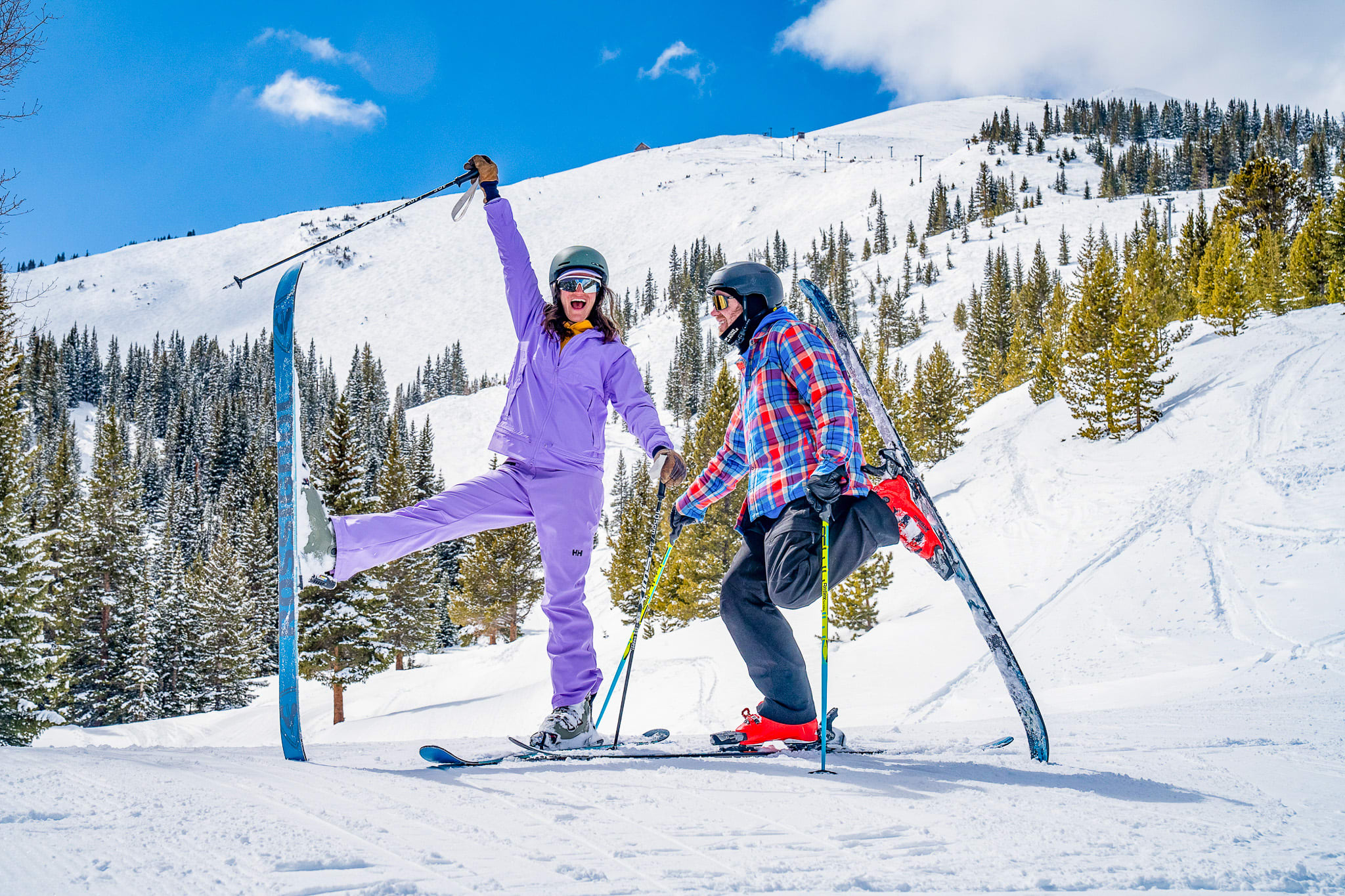
As winter transitions into spring, Colorado offers fantastic late-season skiing. March can often be one of the snowiest months, combining fresh powder with longer days and warmer temperatures, creating perfect “spring skiing” conditions. This is an ideal time for those who enjoy softer snow, sunny patios, and a more relaxed vibe. Crowds tend to thin out after mid-March, and resorts often offer excellent deals on lift tickets and lodging. Many resorts will remain open well into April, with Arapahoe Basin famously extending its season into early June on some occasions. Understanding closing dates, which are also variable and condition-dependent, is as important as knowing opening dates for comprehensive planning.
Maximizing Your Colorado Ski Experience
To truly make the most of your Colorado ski trip, whether you arrive on opening day or later in the season, a few key strategies can enhance your travel experience.
First, select the resort that best matches your skill level and preferences. For beginners or families, resorts like Keystone and Winter Park offer excellent learning terrain and kid-friendly amenities. Experts seeking extreme steeps and challenging runs might gravitate towards Telluride, Aspen Highlands, or Arapahoe Basin’s famous Pallavicini area. Vail and Breckenridge offer a vast array of terrain suitable for all abilities.
Staying updated with snow forecasts and resort-specific announcements is paramount. Utilize tools like resort snow reports, webcams, and weather apps to make informed decisions about where and when to ski. Consider purchasing a multi-resort pass, such as the Epic Pass (covering Vail, Breckenridge, Keystone, Beaver Creek, Crested Butte, Telluride partner access) or the Ikon Pass (including Aspen Snowmass, Steamboat, Winter Park, Copper Mountain, Eldora Mountain Resort, Arapahoe Basin), if you plan on visiting multiple destinations. These passes offer substantial savings over individual daily lift tickets.
Finally, remember that most Colorado ski resorts are at high altitudes, often above 9,000 feet. Acclimatization is essential to prevent altitude sickness. Drink plenty of water, avoid excessive alcohol, and take it easy on your first day. Planning transportation from Denver International Airport to your chosen mountain town in advance, whether by shuttle, rental car, or private transfer, is also highly recommended, especially during peak season or challenging weather conditions. By keeping these factors in mind, your Colorado ski adventure, from its exciting opening days to its long-lasting spring runs, promises to be an extraordinary travel experience.
LifeOutOfTheBox is a participant in the Amazon Services LLC Associates Program, an affiliate advertising program designed to provide a means for sites to earn advertising fees by advertising and linking to Amazon.com. Amazon, the Amazon logo, AmazonSupply, and the AmazonSupply logo are trademarks of Amazon.com, Inc. or its affiliates. As an Amazon Associate we earn affiliate commissions from qualifying purchases.