
For winter sports enthusiasts, few destinations evoke the same level of excitement and reverence as Colorado. Renowned for its abundant snowfall, diverse terrain, and world-class resorts, it’s a premier location for skiing and snowboarding. However, a critical question for any traveler planning a trip is: “When does the ski season truly end?” The answer, while seemingly straightforward, is a dynamic interplay of weather patterns, elevation, and individual resort strategies, making planning an end-of-season trip both an art and a science.
Understanding the Dynamics of Colorado’s Ski Season
The ski season in Colorado is famously long, often stretching from early November well into April, and for some high-altitude resorts, even into May or early June. This extended window is primarily thanks to the state’s unique geography, situated within the Rocky Mountains, which captures significant amounts of snow and maintains cold temperatures at higher elevations. The season’s exact duration is a moving target, influenced by factors such as the previous winter’s snowpack, spring storm cycles, and the specific operational decisions of each resort.

Typically, the first resorts begin spinning their lifts in early to mid-November, sometimes even earlier if a strong cold front and heavy snowfall bless the high country. These opening dates are often a race, generating considerable excitement among locals and tourists alike. The core of the season, with the most consistent and deepest snow, usually runs from mid-December through March. As April approaches, the transition to spring skiing begins, characterized by warmer temperatures and different snow conditions.
Early vs. Late Season Skiing
Choosing between an early-season and a late-season trip to Colorado offers distinct advantages and disadvantages. Early season (November-mid December) often means smaller crowds, potentially lower lift ticket and accommodation prices, and the crisp, cold air of winter. However, snow coverage might still be building, meaning fewer runs are open, and terrain could be more variable. Resorts are typically ramping up operations, so some amenities or events might not yet be in full swing.
Late season (April-May), conversely, provides a unique experience. Warmer temperatures make for more comfortable days on the slopes, often allowing skiers to shed layers. The snow, while different, transforms into what’s affectionately known as “corn snow” – a soft, forgiving surface that’s a joy to carve, especially in the afternoon. Crowds tend to thin out, especially after spring break, and many resorts offer enticing end-of-season deals. The biggest variable is snow quality; while high-altitude resorts can maintain excellent coverage, lower-elevation areas might see rapid melt-off. This period also often coincides with vibrant closing day parties and festivals, adding a celebratory atmosphere to the final weeks of skiing.
Key Resort Closing Dates for the 2023-2024 Season (and Beyond)
While a definitive, statewide closing date for Colorado skiing does not exist, individual resorts announce their anticipated last day of operation well in advance, though these dates can shift based on conditions. Travelers should always check the specific resort’s official website for the most current information, as forecasts and snowpack levels in late winter and early spring can necessitate adjustments.
Many of Colorado’s most popular resorts typically aim to close in mid-April. Resorts like Vail, often one of the largest and most well-known, usually target the second or third Sunday of April. Breckenridge, another iconic destination, frequently extends its season slightly longer, sometimes into the third or fourth week of April. Steamboat, known for its Champagne Powder, typically wraps up by mid-April. Resorts in the Aspen Snowmass complex also tend to conclude operations around this time, though specific mountains within the complex might have staggered closing dates.
However, certain resorts are celebrated for their ability to push the season further, often into May or even early June, thanks to their high elevations and favorable snow conditions. Arapahoe Basin Ski Area, affectionately known as A-Basin, is legendary for having one of the longest seasons in North America, frequently staying open until Memorial Day or beyond. Its lofty elevation and north-facing slopes allow it to retain snow remarkably well. Similarly, Loveland Ski Area, another high-altitude gem located just off the Continental Divide, often extends its season well into May. Other resorts like Winter Park and Copper Mountain might aim for late April, with occasional extensions if conditions are exceptionally good. Keystone typically closes mid-April.
For the 2023-2024 season, most major resorts aligned with these general patterns. For future seasons, it’s wise to assume a mid-April closing for the majority, with Arapahoe Basin Ski Area and Loveland Ski Area as reliable options for later spring turns.
Factors Influencing Individual Resort Decisions
While snowfall is paramount, several other factors weigh into a resort’s decision to close for the season. The accumulated snowpack depth is the most obvious; a deep base allows resorts to groom and maintain terrain even as temperatures rise. Spring weather patterns play a crucial role, with late-season storms potentially extending operations, while prolonged warm spells can hasten melting.
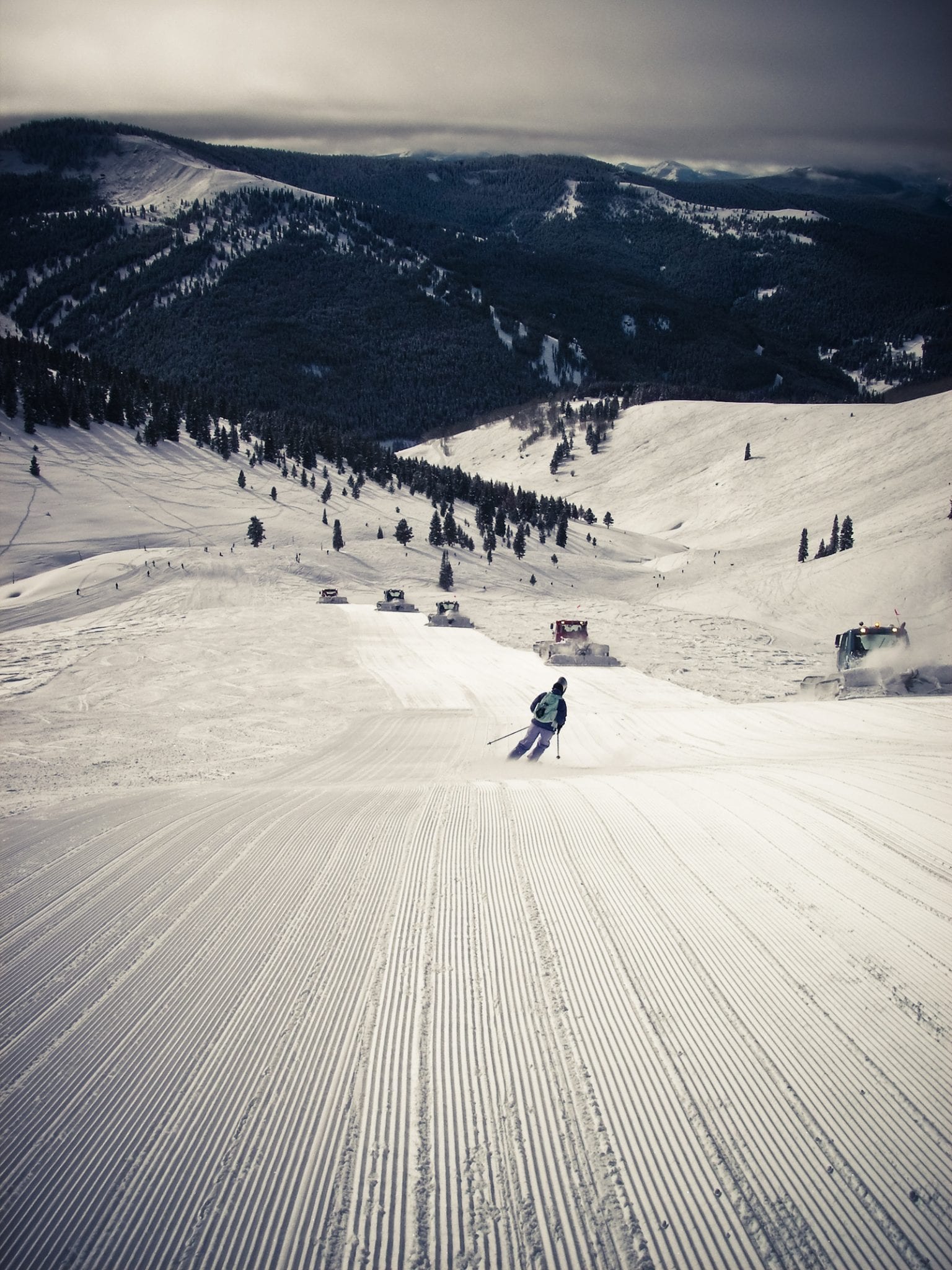
Visitor demand is also a significant consideration. While spring skiing offers unique joys, the sheer volume of skiers and snowboarders naturally decreases after the peak winter months and spring break periods. Resorts must balance operational costs, including staffing, lift maintenance, and snow grooming, against the revenue generated by lift ticket sales and ancillary services. When demand wanes to a certain point, it becomes economically unfeasible to continue operating a full mountain, even if snow remains. Some resorts may transition to partial operations, opening only a subset of lifts and terrain to maximize the final weeks.
The Allure of Spring Skiing in Colorado
Beyond simply knowing when the lifts stop running, understanding why many choose to ski in the late season unlocks a different kind of Colorado experience. Spring skiing is a vibrant, often more relaxed affair compared to the hustle and bustle of mid-winter. The sun is higher and stronger, leading to bluebird days that feel incredibly invigorating. Skiers can often enjoy warmer temperatures, making layering less complicated and allowing for more comfortable stops on sun-drenched patios.
The snow itself undergoes a transformation. The classic “corn snow” forms when warm daytime temperatures cause the top layer of snow to melt and refreeze overnight, creating soft, pebble-like crystals that are incredibly fun to ski. This forgiving texture can be especially appealing to intermediate skiers. Furthermore, the diminishing crowds mean less time waiting in lift lines and more open space on the runs, enhancing the overall sense of freedom.
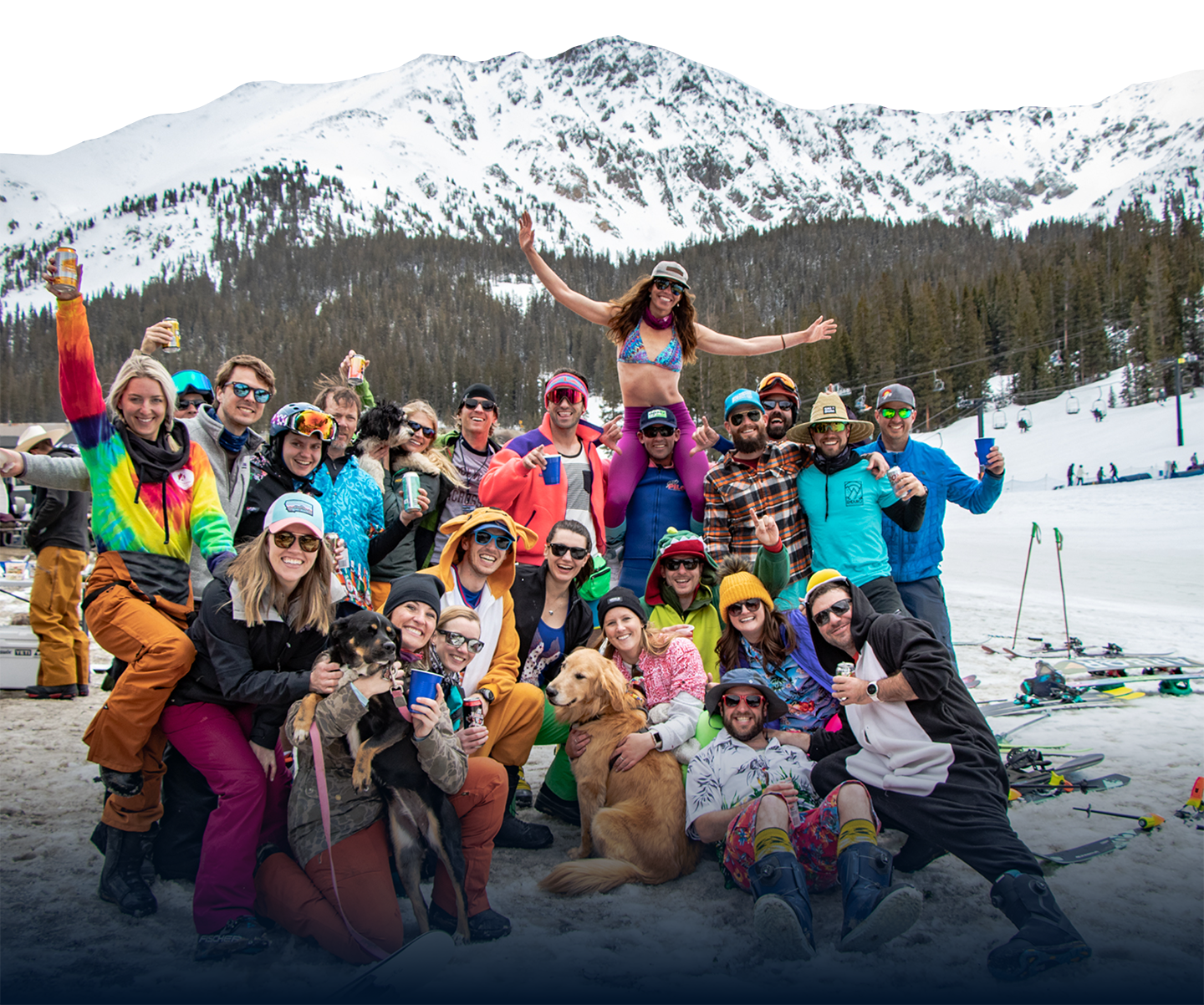
Many Colorado resorts embrace the end of the season with lively events. Closing weekend parties are legendary, featuring live music, costume contests, pond skimming competitions where daring skiers attempt to glide across a pool of water, and a general festive atmosphere. These celebrations are an integral part of the spring skiing experience, offering a memorable send-off to the winter season.
Gear and Preparation for Late Season Slopes
To fully enjoy spring skiing, a slight adjustment to gear and preparation is beneficial. Layering is still key, but focus on moisture-wicking base layers and versatile outer layers that can be opened or removed as temperatures fluctuate throughout the day. A waterproof shell is crucial for those afternoon slushy conditions. Sun protection is paramount; the combination of high altitude and reflective snow can lead to severe sunburn. High SPF sunscreen, lip balm with SPF, and good quality sunglasses (even under goggles) are non-negotiable.
Ski conditions can vary dramatically from morning to afternoon. Early mornings might still feature firm, icy patches, especially on shaded slopes, before the sun softens the snow. By mid-day, conditions can be gloriously soft and slushy, perfect for playful turns. As the afternoon progresses, some lower elevation areas might become very heavy or thin out. Being aware of these changes and adjusting your skiing style and chosen terrain accordingly will enhance your enjoyment.
Planning Your End-of-Season Colorado Ski Trip
For travelers eyeing an end-of-season Colorado ski adventure, flexibility and diligence are key. The best approach is to monitor resort websites directly as late winter progresses. Look for their “conditions” or “operations” pages, which are updated daily with snow depths, open terrain, and crucial closing date announcements. Official tourism sites for Colorado and individual ski towns also often compile this information.
Booking travel and accommodation with some flexibility is advisable, particularly if you’re aiming for one of the resorts known to extend their seasons. Many hotels and airlines offer more forgiving cancellation policies outside of peak periods. Furthermore, late-season often brings attractive deals on lodging and lift tickets as resorts try to fill their final weeks. Keep an eye out for package deals that combine accommodation with passes.
Consider integrating a multi-sport experience into your trip. In late April and May, while higher elevation slopes still hold snow, lower valleys might be transitioning to spring. This means you could potentially ski in the morning and then enjoy hiking, mountain biking, or fishing in the afternoon. This unique blend offers a comprehensive taste of Colorado’s diverse outdoor offerings.
Beyond the Slopes: Other Spring Activities in Colorado
Even as ski resorts wind down, Colorado remains a vibrant destination. The melting snow feeds rivers, making spring an exciting time for whitewater rafting, though cold temperatures still require proper gear. Hiking trails at lower elevations begin to open up, revealing emerging wildflowers and lush landscapes. National Parks and Forests, while potentially still snow-covered at higher reaches, become more accessible, offering opportunities for scenic drives and wildlife viewing.
Many towns, even those deeply associated with skiing, transition to their warmer weather offerings. Boutique shops, art galleries, and acclaimed restaurants remain open, providing a rich cultural experience. Festivals celebrating spring, music, and food begin to populate the calendar. Therefore, even if your chosen resort closes earlier than expected, a trip to Colorado in late spring still promises a wealth of engaging activities and breathtaking natural beauty, solidifying its reputation as a year-round travel destination.
LifeOutOfTheBox is a participant in the Amazon Services LLC Associates Program, an affiliate advertising program designed to provide a means for sites to earn advertising fees by advertising and linking to Amazon.com. Amazon, the Amazon logo, AmazonSupply, and the AmazonSupply logo are trademarks of Amazon.com, Inc. or its affiliates. As an Amazon Associate we earn affiliate commissions from qualifying purchases.