
Colorado, a revered winter sports destination, beckons skiers and snowboarders from around the globe with its legendary powder and majestic Rocky Mountains. Yet, for those planning a late-season adventure, understanding when the ski season officially concludes is paramount. Unlike a fixed calendar date, the end of Colorado’s ski season is a dynamic affair, influenced by a confluence of factors ranging from snowpack depth to resort-specific operational strategies. Travelers aiming to experience the thrill of spring skiing, with its warmer temperatures and softer snow, need to navigate these variables to pinpoint the ideal time for their mountain escape.
The Nuances of Colorado Ski Season Closures
Determining the precise closing date for Colorado ski resorts is less about drawing a line in the sand and more about observing a complex interplay of environmental, economic, and recreational factors. While most resorts typically aim for an early to mid-April conclusion, the actual dates can fluctuate significantly year to year and even between neighboring mountains.
Factors Influencing Closing Dates
Several key elements dictate when a ski resort in Colorado decides to cease operations for the winter. The most critical is, undoubtedly, the snowpack. Resorts with a deep, robust base layer from consistent winter snowfall can often extend their seasons well into late April or even May. Conversely, a lean snow year might force earlier closures. Colorado’s high altitude generally grants it an advantage here, often receiving significant snowfall later in the spring.
Economic considerations also play a substantial role. Operating a ski resort is an expensive endeavor, requiring significant staffing, snow grooming, and lift maintenance. As the crowds thin out in late spring, particularly on weekdays, the cost-benefit analysis shifts, prompting resorts to weigh continued operation against declining revenue. However, special events and spring break crowds can provide a boost, encouraging resorts to stay open longer.
Operational capacity and planned maintenance schedules are another factor. Many resorts use the shoulder season to transition into summer operations, requiring time for staff changes, equipment overhauls, and trail preparation for hiking and mountain biking. Some resorts might also host specific closing day festivities, which can anchor their final operational date.
General Timeline for Major Resorts
While flexibility is key, a general timeline can help travelers plan. Most of Colorado’s major resorts typically aim for a closing date somewhere between April 7th and April 21st. Resorts like Vail, Beaver Creek, Breckenridge, and Aspen Snowmass often fall within this window. However, there are notable exceptions, particularly for resorts renowned for their high elevation and abundant snowfall, such as Arapahoe Basin.
Unpredictable Nature: Weather and Altitude
Colorado’s weather, especially in the spring, is notoriously capricious. This unpredictability is both a challenge and an opportunity for late-season skiers.
Early Spring Snowfall Surprises
It’s not uncommon for Colorado to experience significant snowstorms in March and even April. These “spring blizzards” can dump fresh powder, replenishing the snowpack and sometimes allowing resorts to extend their seasons unexpectedly. Such events offer incredible “bonus” powder days for those who remain flexible with their travel plans. However, these late-season snowfalls can also be accompanied by warmer temperatures, leading to a rapid melt-freeze cycle if not followed by consistently cold weather.
High-Altitude Advantages
Resorts situated at higher elevations inherently have an advantage when it comes to extending the ski season. The air is colder, precipitation is more likely to fall as snow, and the snowpack tends to last longer. Arapahoe Basin, often referred to as “The Legend,” is a prime example. With a base elevation of 10,780 feet and a summit of 13,050 feet, it consistently offers some of the longest ski seasons in North America, frequently staying open into June or even early July in exceptional years. Similarly, parts of Loveland Ski Area, with its high elevation and northern exposure, often remain open later than many of its counterparts. This makes these resorts prime targets for travelers determined to maximize their spring ski experience.
Resort-Specific Closing Dates & Extended Seasons
While general trends exist, a resort-by-resort breakdown offers the most accurate picture for planning. It’s crucial for travelers to check the official websites of their chosen resorts for the most up-to-date information, as closing dates are often announced just a few weeks in advance and can be subject to change.
Vail and Beaver Creek: Traditional Closures
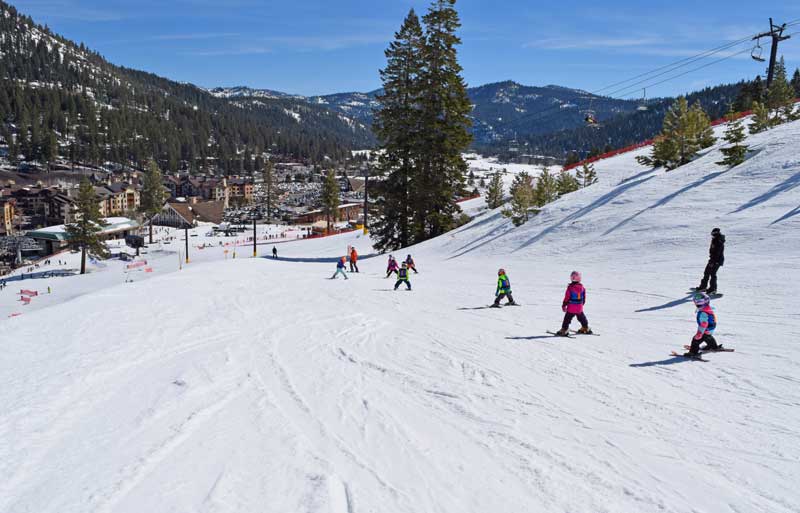
Vail and Beaver Creek, two of Colorado’s most iconic resorts, typically adhere to a more traditional mid-April closing. While they boast extensive terrain and excellent snow quality throughout the winter, their operational models often prioritize a smooth transition to summer activities rather than pushing the limits of the ski season. Visitors planning to ski at these resorts should aim for early April to ensure a full experience.
Aspen Snowmass and Steamboat: Varied Endings
The Aspen Snowmass complex, comprising four distinct mountains (Snowmass, Aspen Mountain, Aspen Highlands, and Buttermilk), often has staggered closing dates, with Buttermilk (known for the X Games) usually closing first in late March or early April, followed by Aspen Mountain and Snowmass in mid-April, and Aspen Highlands potentially extending into late April. Steamboat, known for its “Champagne Powder,” typically aims for mid-April, with its closing date often celebrated with lively spring festivals. These resorts offer a good balance of late-season skiing and celebratory atmosphere.
Arapahoe Basin and Loveland Ski Area: The Last Resorts Standing
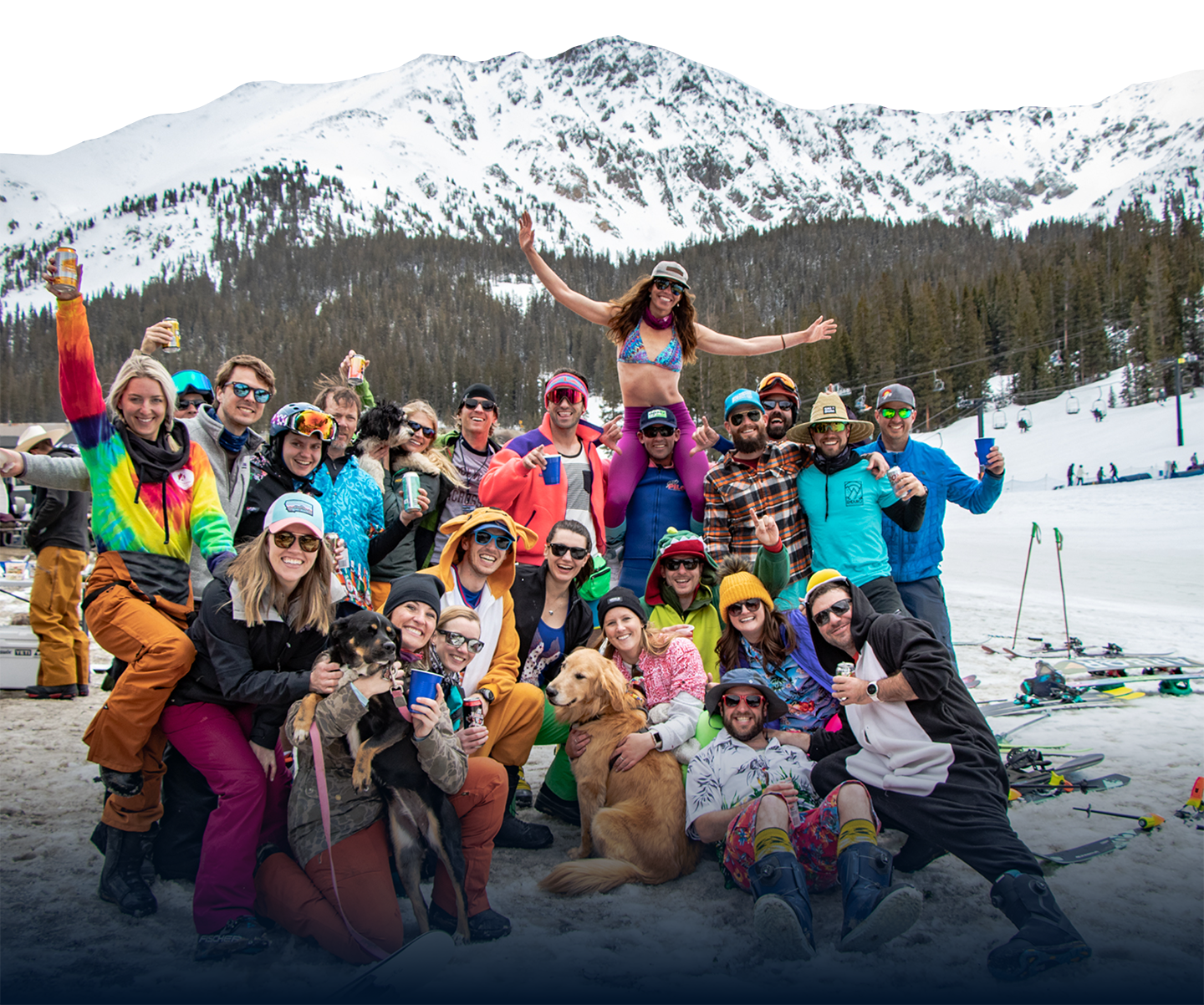
For those truly committed to maximizing their ski days, Arapahoe Basin and Loveland Ski Area are the undisputed champions of extended seasons. As mentioned, Arapahoe Basin is famous for its late-season skiing, often remaining open into May and sometimes even June or July, thanks to its high elevation and north-facing slopes that retain snow exceptionally well. Its legendary “Beach” parking lot becomes a vibrant tailgate party scene, epitomizing the festive spirit of spring skiing. Loveland Ski Area, also situated on the Continental Divide, consistently pushes its closing into early May, offering excellent value and less crowded slopes for those seeking a prolonged winter experience. These destinations are ideal for travelers who prioritize ski days above all else in late spring.
Maximizing Your Late-Season Colorado Ski Trip
Spring skiing in Colorado offers a unique and often highly enjoyable experience, distinct from the deep winter months. Strategic planning can help travelers make the most of it.
Advantages of Spring Skiing
Beyond the extended season at certain resorts, spring skiing boasts several compelling advantages. The most obvious is the sunshine and warmer temperatures, which make for more comfortable days on the slopes and pleasant outdoor dining experiences. Fewer crowds often translate to shorter lift lines and more open terrain, enhancing the overall experience. Additionally, many resorts offer deals and discounts on lift tickets, lodging, and equipment rentals as the season winds down, providing excellent value for budget-conscious travelers.
What to Expect: Corn Snow and Pond Skimming
The snow conditions in spring are distinctly different. Expect “corn snow”, which develops from freeze-thaw cycles, creating soft, granular snow that is incredibly fun to ski on once it softens in the sun. Mornings might be firm or even icy (requiring patience for the sun to work its magic), but afternoons often bring sublime, slushy conditions. A quintessential spring skiing event is pond skimming, where brave (or foolhardy) participants attempt to ski or snowboard across an artificial pond in costume. It’s a hilarious spectacle and a highlight of many resort closing days.
Packing Tips for Variable Conditions
Layering is crucial for spring skiing in Colorado. While afternoons can be warm enough for a t-shirt, mornings can still be chilly, and weather can change rapidly. Pack waterproof outer layers, breathable mid-layers, and sun protection including high-SPF sunscreen and sunglasses. A lighter beanie or headband is often sufficient compared to a heavy winter hat. Don’t forget swimwear if your accommodation has a hot tub!
Beyond Skiing: Summer Transition
As the ski season fades, the mountain towns of Colorado quickly transform, offering a plethora of other activities that can complement a late-season ski trip or fill the void for those who miss the final ski days.
Other Spring Mountain Activities
Even if the lifts stop turning, the mountains still offer adventure. Hiking and mountain biking trails begin to open at lower elevations, offering stunning views without the snow. Fly fishing becomes excellent in the warming rivers. Many towns host food and wine festivals or music events as they gear up for the summer tourist season. These activities provide a fantastic way to experience the natural beauty of Colorado in its transitional glory.
Planning for the Off-Season
The period between the end of ski season and the full swing of summer (late April through May) is often referred to as the “shoulder season” or “mud season” in Colorado. While some businesses may have reduced hours or temporarily close, it can be an excellent time to find deals on lodging and avoid crowds. Travelers interested in a quieter, more budget-friendly mountain experience should consider this window, embracing the unpredictability and variety it offers. For those solely focused on skiing, however, checking resort closing dates is the definitive first step in planning a memorable late-season adventure.
LifeOutOfTheBox is a participant in the Amazon Services LLC Associates Program, an affiliate advertising program designed to provide a means for sites to earn advertising fees by advertising and linking to Amazon.com. Amazon, the Amazon logo, AmazonSupply, and the AmazonSupply logo are trademarks of Amazon.com, Inc. or its affiliates. As an Amazon Associate we earn affiliate commissions from qualifying purchases.