
Maintaining a lush, vibrant lawn in Colorado presents a unique set of challenges and opportunities, largely due to the state’s diverse geography, high altitude, and semi-arid climate. For homeowners aspiring to cultivate a healthy green space, understanding the intricacies of fertilization timing and technique is paramount. It’s not simply about applying nutrients; it’s about aligning your efforts with the specific environmental rhythms that dictate turfgrass health across the Centennial State. This guide delves into the optimal strategies for fertilizing your lawn, ensuring it thrives from the Front Range to the Western Slope.
Understanding Colorado’s Unique Climate for Lawn Care
Colorado’s climate is far from uniform, exhibiting significant variations that directly impact lawn care practices. From the eastern plains to the towering peaks of the Rocky Mountains, temperatures, precipitation levels, and soil compositions can differ dramatically. These factors necessitate a tailored approach to fertilization, moving beyond generic advice to embrace region-specific knowledge.
High Altitude and Arid Conditions
A defining characteristic of much of Colorado is its high altitude, which translates to intense sunlight, lower atmospheric pressure, and often, more extreme temperature fluctuations. This environment, coupled with typically low humidity and sporadic rainfall, contributes to semi-arid conditions that can stress many common turfgrass varieties. Cool-season grasses like Kentucky bluegrass and tall fescue are prevalent here, as they are better adapted to Colorado’s growing season, which is generally shorter and more intense than in other parts of the country. These grasses have specific nutrient demands at different times of the year to combat environmental stressors and maintain vigor.
Soil Composition Variations
Colorado’s soils are as varied as its landscapes. Along the Front Range, many areas contend with heavy clay soils, which can impede drainage and nutrient absorption if not properly amended. Further west, soils can become rockier and thinner, often lacking organic matter. These soil differences significantly affect how nutrients are held and made available to grass roots. A dense clay soil, for instance, might retain nutrients longer but can also become compacted, limiting root growth. Sandy soils, conversely, may drain too quickly, leaching nutrients before they can be fully utilized. Understanding your specific soil type is a critical precursor to any successful fertilization program.
The Optimal Timing for Fertilization
Timing is everything when it comes to fertilizing a Colorado lawn. Applying fertilizer at the wrong time can be ineffective at best, and at worst, detrimental to your lawn’s health and the environment. The goal is to nourish the grass when it is actively growing and can best utilize the added nutrients. For cool-season grasses dominant in Colorado, there are typically three key windows for fertilization.
Early Spring Application: Waking Up the Lawn
The first opportunity to fertilize your Colorado lawn typically occurs in early spring, as soon as the grass begins to green up and show signs of active growth. This usually falls between late March and early May, depending on your specific location and the year’s weather patterns. The ground temperature should consistently be above 50°F (10°C). An early spring application provides essential nutrients, particularly nitrogen, to kickstart growth after winter dormancy, promoting root development and helping the lawn recover from any winter stress. It’s crucial not to fertilize too early when the ground is still frozen or very cold, as the grass won’t be able to absorb the nutrients, leading to potential runoff and waste.
Late Spring/Early Summer: Sustained Growth
A second, lighter application of fertilizer can be beneficial in late spring or early summer, typically around late May to early June. This timing supports the strong growth period before the intense heat of mid-summer sets in. It helps maintain the lawn’s density and color, providing a sustained release of nutrients to fuel vigorous growth. However, caution is advised: avoid heavy fertilization during the peak heat of summer, especially if your area experiences prolonged drought. High nitrogen applications on stressed grass can burn the lawn and make it more susceptible to disease. Focus on slow-release formulas if you choose to fertilize during this period.
Fall Fertilization: Preparing for Winter
Arguably the most critical fertilization window for Colorado lawns is in the fall, specifically from September through November. This application provides the grass with the essential nutrients it needs to store energy for winter survival and to promote strong root growth. Cool-season grasses experience a resurgence of growth in the cooler temperatures of fall, making it an ideal time for nutrient uptake. A fall application, often higher in potassium (K) to aid in winter hardiness, will not only help the lawn endure the cold months but also ensure a quicker, greener spring comeback. This late-season feeding is fundamental to the long-term health and resilience of your Colorado lawn.
Choosing the Right Fertilizer for Colorado Lawns
Selecting the appropriate fertilizer is as important as timing its application. Fertilizers are formulated with different nutrient ratios and release mechanisms, each suited for particular needs and conditions.
NPK Ratios Explained
Fertilizer bags display three numbers, known as the NPK ratio, representing the percentage by weight of Nitrogen (N), Phosphorus (P), and Potassium (K).
- Nitrogen (N): Promotes lush, green growth and is crucial for photosynthesis.
- Phosphorus (P): Essential for root development and overall plant maturity. In many Colorado communities, phosphorus use on established lawns is restricted or requires a soil test due to environmental concerns, particularly regarding runoff into waterways like the South Platte River.
- Potassium (K): Enhances overall plant health, stress tolerance (drought, disease, cold), and nutrient absorption.

For Colorado lawns, a balanced fertilizer (e.g., 20-5-10 or 16-4-8) is often suitable for spring and summer applications. For fall, a “winterizer” formula typically higher in potassium and with moderate nitrogen (e.g., 10-0-20 or 24-0-12) is recommended to bolster winter hardiness and root strength. Always check local regulations regarding phosphorus application.
Slow-Release vs. Quick-Release
- Quick-release fertilizers provide an immediate boost of nutrients, resulting in rapid greening. However, their effects are short-lived, and there’s a higher risk of nutrient leaching or burning the lawn if over-applied. They can be useful for an initial spring boost.
- Slow-release fertilizers (also called controlled-release) deliver nutrients gradually over an extended period, typically several weeks or months. This reduces the risk of burning, minimizes nutrient runoff, and promotes more consistent growth. They are generally preferred for most applications in Colorado, especially during the hotter months and for fall feeding.
Organic vs. Synthetic Options
- Synthetic fertilizers are manufactured chemicals that provide precise nutrient ratios. They are often more concentrated and can show quicker results. However, they can contribute to soil salinity over time and have a higher potential for environmental runoff if not used correctly.
- Organic fertilizers are derived from natural sources like compost, manure, and bone meal. They improve soil structure, feed beneficial microorganisms, and release nutrients slowly. While results may be slower, they build long-term soil health and have a lower environmental impact. For homeowners committed to sustainable practices, organic options are an excellent choice for a Colorado lawn.
Essential Best Practices Beyond Timing
Effective fertilization is part of a larger, holistic lawn care strategy. Neglecting other critical aspects can undermine even the most perfectly timed nutrient application.
Soil Testing: The Foundation of Success
Before initiating any fertilization program, a soil test is invaluable. Colorado State University Extension offers affordable soil testing services that provide detailed insights into your soil’s pH, nutrient levels, and organic matter content. This information allows you to tailor your fertilizer choices precisely, addressing deficiencies or excesses and avoiding unnecessary applications. For instance, if your soil has naturally high phosphorus, you can opt for a “zero-P” fertilizer, saving money and protecting local watersheds.
Proper Watering Techniques
Colorado’s arid climate makes efficient watering indispensable. Fertilizer requires moisture to break down and be absorbed by grass roots. Deep and infrequent watering encourages deeper root growth, making the lawn more resilient to drought and better able to utilize applied nutrients. Watering early in the morning reduces evaporation and allows the grass blades to dry before nightfall, minimizing disease risk. Over-watering, especially after fertilization, can lead to nutrient leaching.
Mowing Height and Frequency
The way you mow your lawn significantly impacts its health and ability to absorb nutrients. For cool-season grasses in Colorado, maintaining a taller blade height (typically 2.5 to 3 inches) is recommended. Taller grass shades the soil, reducing water evaporation and suppressing weeds. It also allows for greater surface area for photosynthesis and nutrient absorption. Mowing frequently, but only removing one-third of the blade length at a time, is ideal. Leave grass clippings on the lawn (mulching) to return valuable organic matter and nutrients to the soil, naturally reducing the need for synthetic fertilizers.
Common Mistakes to Avoid
Even with the best intentions, certain mistakes can hinder your Colorado lawn care efforts. Being aware of these pitfalls can save you time, money, and frustration.
Over-fertilizing and Runoff
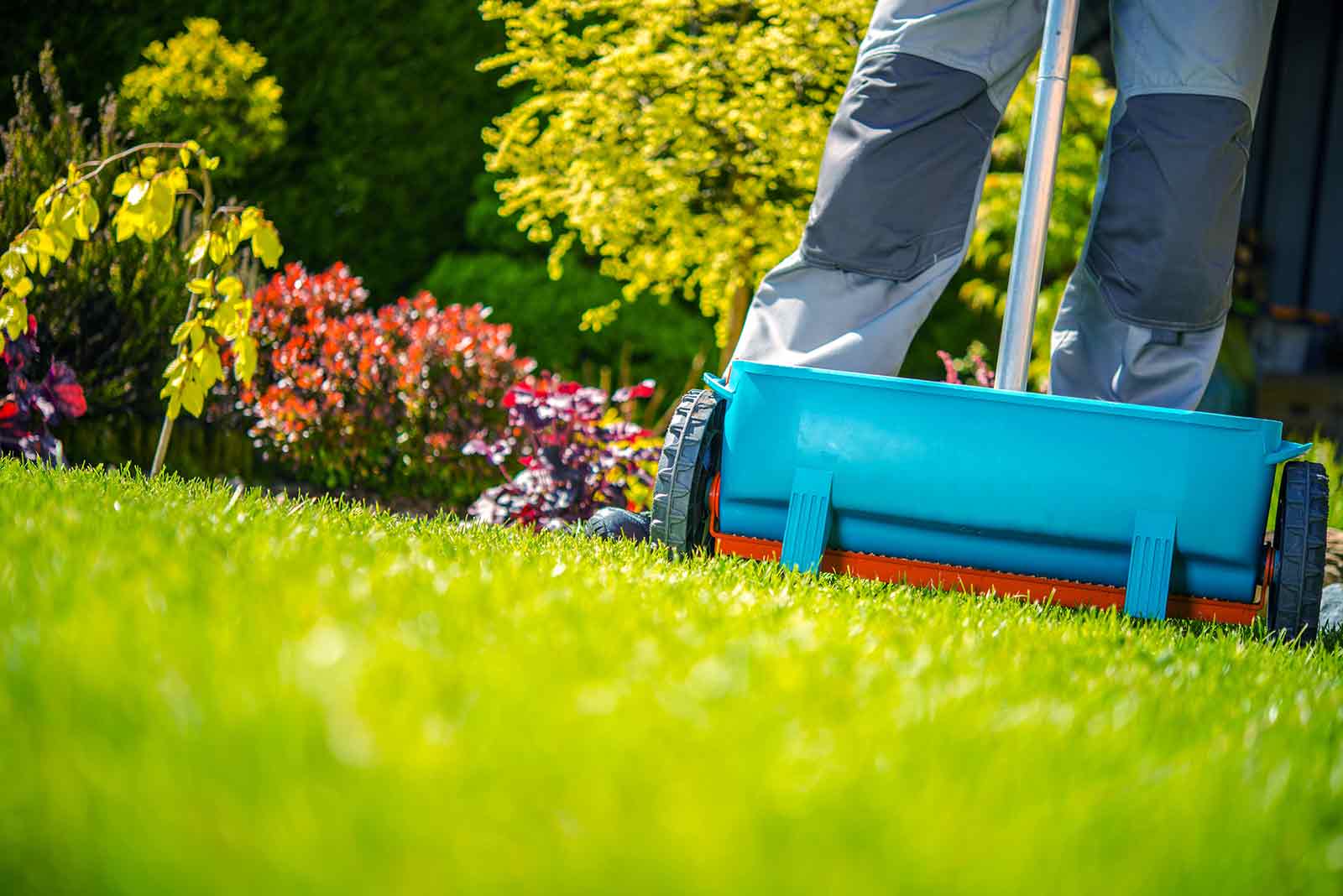
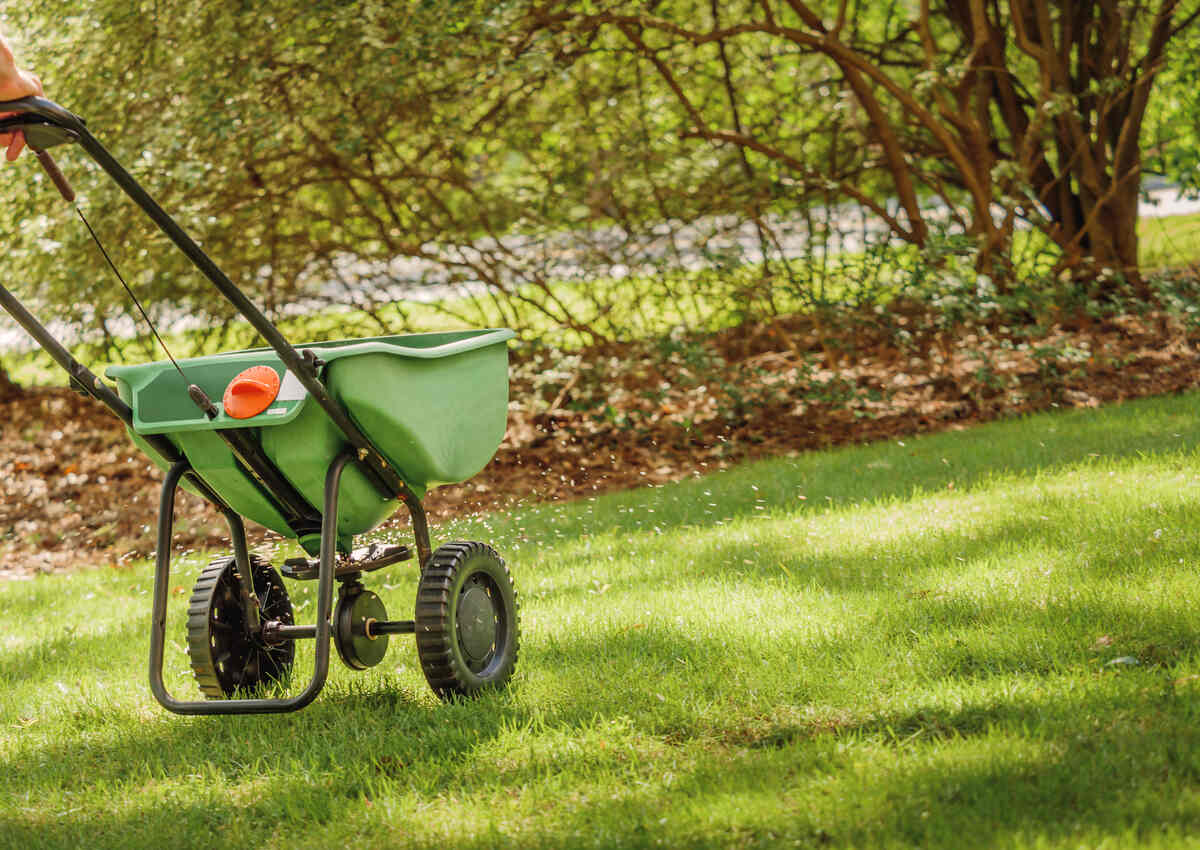
One of the most common errors is applying too much fertilizer. Excess nitrogen can burn the grass, leading to brown patches. Furthermore, over-fertilization, especially before heavy rain or irrigation, significantly increases the risk of nutrient runoff into storm drains and local waterways. This contributes to algal blooms and harms aquatic ecosystems. Always follow manufacturer recommendations for application rates and consider using a spreader for even distribution.
Fertilizing Dormant Grass
Fertilizing dormant grass is a waste of resources. If your lawn has gone brown due to summer heat and drought, or if it’s completely dormant in winter, it cannot effectively absorb nutrients. Applying fertilizer at these times will not revive it; instead, the nutrients are likely to leach away or contribute to weed growth when temperatures become favorable. Wait for signs of active growth before applying any fertilizer.
Neglecting Aeration and Dethatching
Colorado’s often heavy clay soils, coupled with high foot traffic, can lead to soil compaction. Thatch, a layer of dead and living organic matter between the grass blades and the soil surface, can also build up. Both compaction and excessive thatch prevent water, air, and nutrients from reaching the grass roots effectively, making fertilization less efficient. Regular aeration (creating small holes in the soil) and dethatching (removing excess thatch) are crucial for ensuring your fertilizer applications actually benefit the grass. Aim to aerate compacted lawns once a year, typically in the fall, to maximize nutrient penetration and root development.
LifeOutOfTheBox is a participant in the Amazon Services LLC Associates Program, an affiliate advertising program designed to provide a means for sites to earn advertising fees by advertising and linking to Amazon.com. Amazon, the Amazon logo, AmazonSupply, and the AmazonSupply logo are trademarks of Amazon.com, Inc. or its affiliates. As an Amazon Associate we earn affiliate commissions from qualifying purchases.