
Maintaining a lush, vibrant lawn in Colorado presents a unique set of challenges and rewards. For those embracing the distinctive lifestyle of the Centennial State, whether as a long-term resident, a new homeowner, or someone managing a cherished vacation property, understanding the nuances of lawn fertilization is paramount. Colorado’s diverse geography, from the arid plains to the high-altitude mountains, coupled with its dramatic seasonal shifts, demands a strategic and informed approach to nurturing your green spaces. This isn’t just about curb appeal; it’s about optimizing your property’s ecosystem to thrive within the local environment, reflecting a commitment to the distinctive “Colorado living” experience.
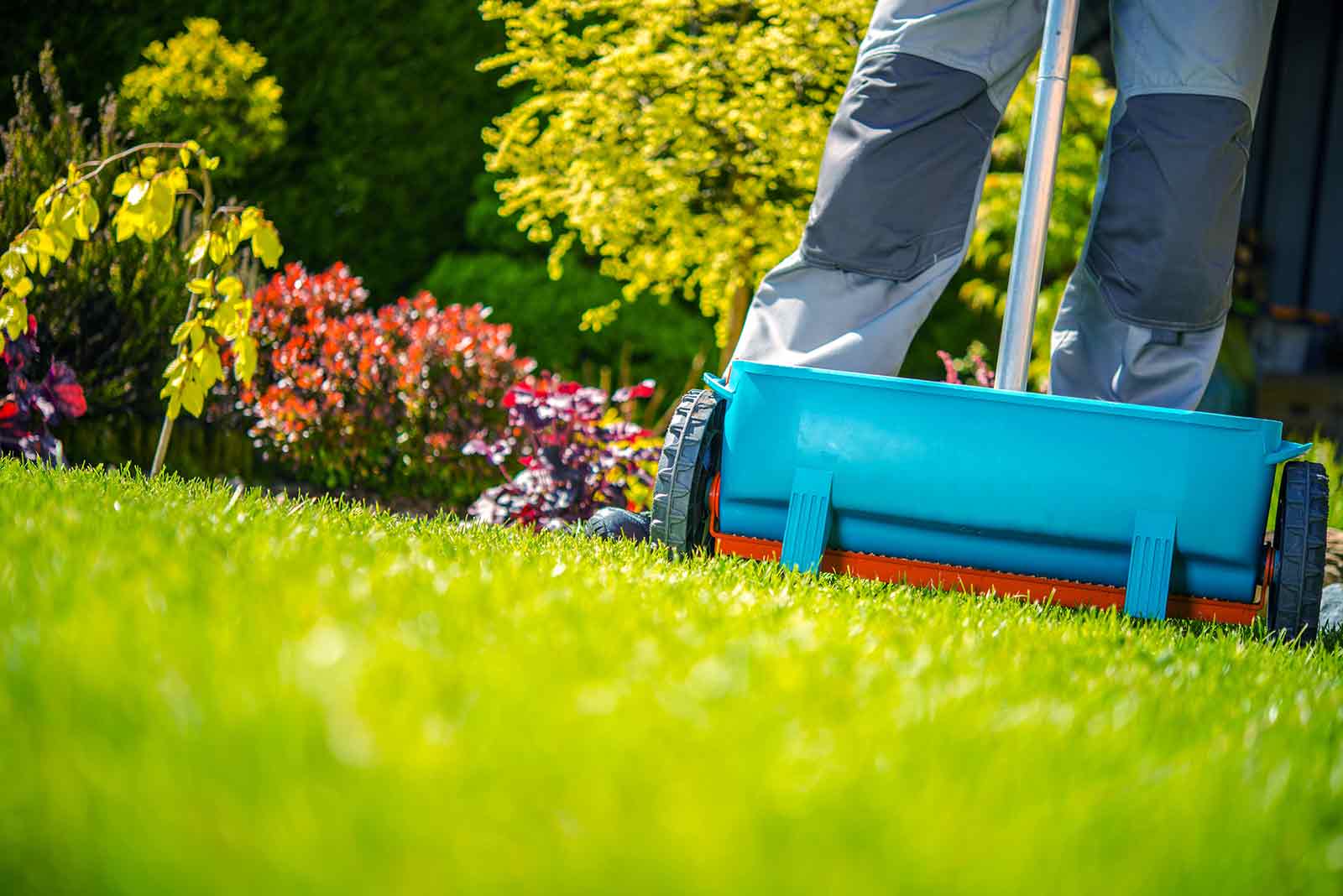
Understanding Colorado’s Unique Climate for Your Lawn
The state’s climate is far from uniform, meaning a one-size-fits-all fertilization strategy simply won’t work. Success in Colorado lawn care hinges on appreciating these fundamental environmental factors:
High Altitude and Sunlight Intensity
Much of Colorado sits at a significant elevation, exposing lawns to more intense ultraviolet radiation. This can stress grass, making it more susceptible to disease and nutrient deficiencies. Fertilizers need to help grass build resilience against this intense sun exposure, encouraging strong root development that can better cope with environmental stress.
Arid Conditions and Water Scarcity
With much of the state experiencing semi-arid to arid conditions, water conservation is a critical component of responsible living. This scarcity directly impacts how and when you fertilize. Applications should be timed to maximize nutrient uptake while minimizing water waste, and choosing slow-release fertilizers can be particularly beneficial in this context. The goal is to cultivate a self-sufficient lawn that can weather periods of less frequent watering.
Temperature Swings
Colorado’s weather is famous for its unpredictability. Warm, sunny days can quickly give way to sudden cold snaps, especially in spring and fall. These drastic temperature fluctuations can confuse grass growth cycles, making precise fertilization timing crucial to support the lawn through these transitions without promoting excessive, vulnerable growth.
Diverse Soil Composition
Colorado soils vary greatly, but many areas, particularly along the Front Range, tend to be heavy clay with high alkalinity. This dense soil can compact easily, hindering root growth and nutrient absorption. A soil test is often the first step in tailoring a fertilization plan, as it reveals the specific pH and nutrient deficiencies unique to your property. Understanding your soil helps you select fertilizers that amend these conditions, improving drainage and nutrient availability.
The Ideal Fertilization Schedule: A Seasonal Guide
Effective lawn fertilization in Colorado is less about a single application and more about a carefully timed, seasonal regimen. This approach ensures your lawn receives the right nutrients at the optimal moments to combat stress, promote healthy growth, and prepare for the next season’s challenges.
Early Spring (Late March – Mid-April): Awakening the Lawn
As snow melts and soil temperatures rise above 50°F, your lawn begins to emerge from dormancy. This is an opportune time for the first fertilization, especially for cool-season grasses prevalent in Colorado (like Kentucky Bluegrass and Tall Fescue). Focus on a balanced fertilizer to kickstart green-up and root development. This application is often coupled with a pre-emergent herbicide to prevent crabgrass and other annual weeds from germinating, a common concern for homeowners in areas like Denver and Colorado Springs. However, be mindful if you plan to overseed, as pre-emergents can inhibit new grass seed growth.
Late Spring / Early Summer (Late May – June): Sustaining Growth
As temperatures consistently warm, your lawn enters a period of vigorous growth. A second fertilization around Memorial Day or early June helps sustain this vitality. Choose a fertilizer with a slightly higher nitrogen content to promote lush green blades, but ensure it also contains phosphorus for root strength and potassium for overall plant health and stress resistance. This feeding is vital before the intense summer heat sets in, helping the grass build reserves.
Late Summer (July – August): Strategic Feeding for Stress
The peak of summer in Colorado brings intense heat, low humidity, and often water restrictions. Fertilizing during extreme heat can be detrimental, potentially burning the lawn. If you must fertilize, opt for a very light application of a slow-release, low-nitrogen fertilizer. The primary goal here is to help the lawn manage stress, not to push new growth. Focus more on deep, infrequent watering during this period. For cooler mountain communities like Aspen or Vail, this period might extend into early September before significant cooling begins.
Fall (September – October): Winterizing and Root Development
This is arguably the most critical fertilization period for Colorado lawns. As temperatures cool, grass begins to recover from summer stress and prepares for winter dormancy. A fall application, typically in September and again in late October/early November (before the first hard freeze), should focus on phosphorus and potassium to strengthen roots and improve winter hardiness. Nitrogen is still important for some greening and nutrient storage, but the emphasis shifts to root development over blade growth. This “winterizing” feed is fundamental for a quick and robust green-up the following spring, laying the foundation for a healthy lawn through the subsequent year’s cycle.
Choosing the Right Fertilizer for Colorado Lawns
Selecting the appropriate fertilizer is as crucial as timing the application. Given Colorado’s unique conditions, specific formulations will yield the best results for your property.
NPK Ratios: What Numbers Mean for Colorado Soil
Fertilizers are labeled with three numbers representing the percentage by weight of Nitrogen (N), Phosphorus (P), and Potassium (K) – the NPK ratio.
- Nitrogen (N): Promotes lush, green blade growth. Essential for all applications, but especially spring and early summer.
- Phosphorus (P): Critical for root development and overall plant energy transfer. Highly important for new lawns, fall applications, and for addressing common phosphorus deficiencies in Colorado’s alkaline soils.
- Potassium (K): Enhances disease resistance, drought tolerance, and winter hardiness. Vital for fall applications and stress resistance.
For many Colorado lawns, a balanced ratio like 16-4-8 or similar is good for spring and summer, while a “winterizer” formula, higher in P and K (e.g., 5-10-15 or 10-20-10), is ideal for fall. Always confirm your soil’s specific needs with a soil test.
Slow-Release vs. Quick-Release: Advantages in this Climate
- Quick-Release Fertilizers: Provide immediate nutrients, resulting in a rapid green-up. However, they can lead to surges of growth, potential burning if over-applied, and nutrient runoff, especially on sloped properties. Use sparingly and with precision.
- Slow-Release Fertilizers: Gradually release nutrients over an extended period. This is generally preferred for Colorado lawns as it provides a consistent food supply, reduces the risk of burning, and minimizes nutrient leaching. It’s an efficient choice for sustainable lawn care, aligning with water conservation efforts across the state, from Boulder to Grand Junction.
Organic Options: Benefits for Long-Term Soil Health
For those prioritizing a natural and sustainable Colorado lifestyle, organic fertilizers offer a compelling alternative. Composed of natural materials like compost, bone meal, and feather meal, they improve soil structure, enhance microbial activity, and release nutrients slowly over time. While they may not provide the immediate greening of synthetic options, they contribute to superior long-term soil health, making the lawn more resilient and less reliant on chemical inputs.
Specialized Formulas: Iron for Greening, Weed & Feed Considerations
Many Colorado soils are alkaline, which can make it difficult for grass to absorb iron, leading to yellowing (chlorosis). Fertilizers with added iron can help correct this, promoting a deep green color without over-fertilizing with nitrogen. “Weed & feed” products combine fertilizer with herbicides. While convenient, use them cautiously, ensuring the herbicide targets your specific weeds and is applied at the correct time, typically in spring for broadleaf weeds.
Beyond Fertilization: Holistic Lawn Care for a Colorado Lifestyle
A truly thriving lawn in Colorado extends beyond just fertilization. It integrates several best practices that collectively support robust growth and environmental responsibility.
Watering Wisely: Deep and Infrequent
Given the arid climate and the importance of water conservation (enforced by entities like Denver Water), proper watering is crucial. Water deeply and infrequently to encourage roots to grow deeper, making the lawn more drought-tolerant. Aim for 1-1.5 inches of water per week, applied in one to two sessions. Watering in the early morning minimizes evaporation. Consider xeriscaping principles for other parts of your landscape to reduce overall water demand.
Mowing Practices: Higher Cut, Sharp Blades
Mow your grass at a higher setting (2.5-3 inches for most Colorado cool-season grasses). Taller grass shades the soil, reducing water evaporation and suppressing weeds. Always use a mower with sharp blades; dull blades tear the grass, making it susceptible to disease and giving it a ragged appearance. Leave grass clippings on the lawn (unless they are too heavy) to return nutrients to the soil.
Aeration and Dethatching: Importance for Compact Colorado Soils
Colorado’s clay soils are prone to compaction, which restricts air, water, and nutrient movement to the roots. Core aeration, pulling small plugs of soil from the lawn, should be done annually or bi-annually, ideally in the fall. This practice dramatically improves the effectiveness of fertilization and watering. Dethatching removes the layer of dead grass that can build up, impeding water and nutrient penetration.

Pest and Weed Management: Common Colorado Culprits
Common Colorado lawn pests include grubs, billbugs, and sod webworms, while weeds like dandelions, bindweed, and crabgrass are persistent. Integrated pest management, which combines cultural practices, biological controls, and chemical treatments when necessary, is the most effective and environmentally conscious approach. Healthy, properly fertilized and watered lawns are naturally more resistant to pests and weeds.
By embracing a comprehensive understanding of Colorado’s unique environment and integrating these specialized lawn care practices, your property can flourish, contributing to the beauty and sustainability of your mountain-state lifestyle.
LifeOutOfTheBox is a participant in the Amazon Services LLC Associates Program, an affiliate advertising program designed to provide a means for sites to earn advertising fees by advertising and linking to Amazon.com. Amazon, the Amazon logo, AmazonSupply, and the AmazonSupply logo are trademarks of Amazon.com, Inc. or its affiliates. As an Amazon Associate we earn affiliate commissions from qualifying purchases.