
Embracing Sustainable Living in Colorado’s Unique Climate
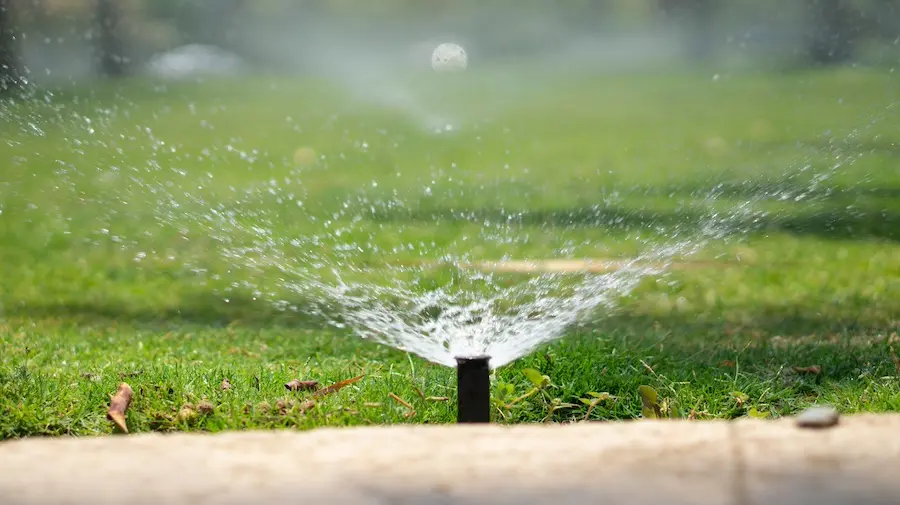
Living in Colorado comes with the privilege of breathtaking landscapes and a vibrant outdoor lifestyle, but it also carries a significant responsibility: mindful water management. The state’s semi-arid climate, coupled with a growing population and a reliance on snowpack for water resources, makes understanding and practicing water conservation a critical component of a sustainable Colorado lifestyle. For homeowners and property managers, deciding when to turn on sprinklers is more than just a routine task; it’s a strategic decision that impacts both personal budgets and the region’s broader ecological health. This conscious approach to landscape irrigation is a hallmark of responsible living in a state where every drop truly counts, balancing the desire for verdant spaces with the imperative of preserving precious natural resources.
Understanding Colorado’s Water Landscape
Colorado’s water supply is primarily sourced from snowmelt in the high country, feeding rivers like the iconic Colorado River, which serves not only the state but much of the American West. The variability of snowpack year-to-year directly influences water availability, making responsible water usage paramount. Local water districts and municipalities play a crucial role in managing these resources, often implementing regulations and offering guidance to ensure sustainable practices. A true Colorado lifestyle involves a deep appreciation for this delicate balance and active participation in its preservation.
Optimal Timing for Landscape Irrigation: More Than Just a Date
Unlike regions with more consistent rainfall, Colorado doesn’t offer a universal “switch-on” date for sprinkler systems. The decision is dynamic, influenced by a confluence of environmental factors, historical averages, and local regulations. Approaching this task with an informed perspective is key to developing a mindful, eco-conscious lifestyle. Turning on sprinklers too early can lead to wasted water, potential system damage from unexpected freezes, and unhealthy lawn development. Conversely, delaying too long can stress plants and require more water to recover. The goal is to align your watering schedule with nature’s cues and local guidelines, ensuring your landscape thrives responsibly.
The Role of Soil Temperature and Plant Needs
One of the most critical indicators for activating your sprinkler system is consistent soil temperature. Grass roots, particularly for cool-season grasses common in Colorado, begin to actively grow and absorb water effectively when soil temperatures consistently remain above 50-55°F (10-13°C) at a depth of a few inches. Turning on sprinklers when the soil is too cold can lead to shallow root development, making your lawn less resilient to summer heat and more susceptible to disease. It’s a waste of water because the roots aren’t ready to utilize it efficiently. Observing the emergence of early spring plants and the general “green-up” of the landscape can also offer visual cues, guiding your decision to ensure your irrigation supports healthy, natural growth cycles.
Observing Local Weather Patterns and Forecasts
While soil temperature is paramount, it’s equally important to keep a close eye on local weather forecasts. Colorado is famous for its unpredictable spring weather, where a warm week can quickly be followed by a late-season freeze. Activating your sprinkler system before the risk of a hard overnight freeze has passed can lead to significant damage. Water left in pipes and sprinkler heads can freeze and expand, causing cracks and costly repairs. Municipalities like Denver, Boulder, and Fort Collins often experience overnight lows near or below freezing well into May. Therefore, a proactive Colorado lifestyle involves regularly checking extended forecasts and exercising patience, typically aiming for late April or early May, but always remaining flexible based on the actual weather.

Navigating Colorado’s Water Restrictions and Regulations
Adherence to local watering rules is not just a matter of compliance; it’s a fundamental aspect of community-minded living in Colorado. Many municipalities across the state implement specific watering restrictions to manage demand, especially during dry periods. These regulations often dictate watering days (e.g., odd/even street addresses water on alternate days) and specific hours of the day when irrigation is permitted. The most common restriction prohibits watering between 10 AM and 6 PM, as this is when evaporation rates are highest, leading to significant water waste. Understanding and following these guidelines is a key component of responsible property ownership and contributes to the collective effort to conserve water. Always check your specific city or water district’s website—for example, the City of Denver Water, Colorado Springs Utilities, or Fort Collins Utilities—for the most current information.
Seasonal Water Conservation Measures
Water restrictions in Colorado are often dynamic, tightening during the peak summer months or periods of drought. A sustainable lifestyle means being prepared to adjust your irrigation schedule throughout the season. Beyond fixed watering times, implementing practices like “cycle and soak” can significantly improve efficiency. This method involves watering in short bursts (e.g., 5-10 minutes) several times over an hour or two, rather than a single long session. This allows water to penetrate deeply into the soil rather than running off, promoting healthier root systems and reducing waste. As temperatures climb and evaporation increases, consistent adaptation to these evolving conditions becomes crucial.
Best Practices for Efficient Sprinkler Use in Colorado
Once the decision is made to activate your sprinkler system, optimizing its efficiency is the next step in practicing a truly sustainable Colorado lifestyle. Simple maintenance and smart choices can dramatically reduce water waste and ensure your landscape receives only what it needs, when it needs it.
System Maintenance and Optimization
Regular inspection and maintenance are paramount. Before the spring season kicks into full gear, carefully walk your property and check for common issues such as leaks, broken or clogged sprinkler heads, and misaligned sprays. A single broken head can waste thousands of gallons of water over a season, and misdirected sprays can water sidewalks and driveways instead of your lawn. Consider professional tune-ups annually to ensure your system is calibrated correctly. Furthermore, upgrading to smart irrigation controllers that utilize local weather data and soil moisture sensors can revolutionize your water efficiency. These innovative devices automatically adjust watering schedules based on real-time conditions, eliminating unnecessary irrigation and becoming a cornerstone of a modern, eco-conscious property management lifestyle. Rain sensors, another valuable addition, automatically shut off your system during precipitation events, preventing redundant watering.
Xeriscaping and Water-Wise Landscaping
For a truly water-wise Colorado lifestyle, consider embracing xeriscaping and planting drought-tolerant landscapes. Replacing water-intensive turf with native grasses, perennial plants, shrubs, and trees that are naturally adapted to Colorado’s arid climate can drastically reduce your irrigation needs. Rock gardens, permeable hardscaping, and mulched beds also contribute to a beautiful, low-maintenance, and ecologically responsible landscape. Mulch, in particular, helps retain soil moisture, suppresses weeds, and regulates soil temperature, further decreasing the need for frequent watering. This approach not only saves water but also creates a landscape that harmonizes with the natural environment, embodying the essence of responsible living in the Rocky Mountain region.
The Long-Term Vision: Water Conservation as a Colorado Ethos
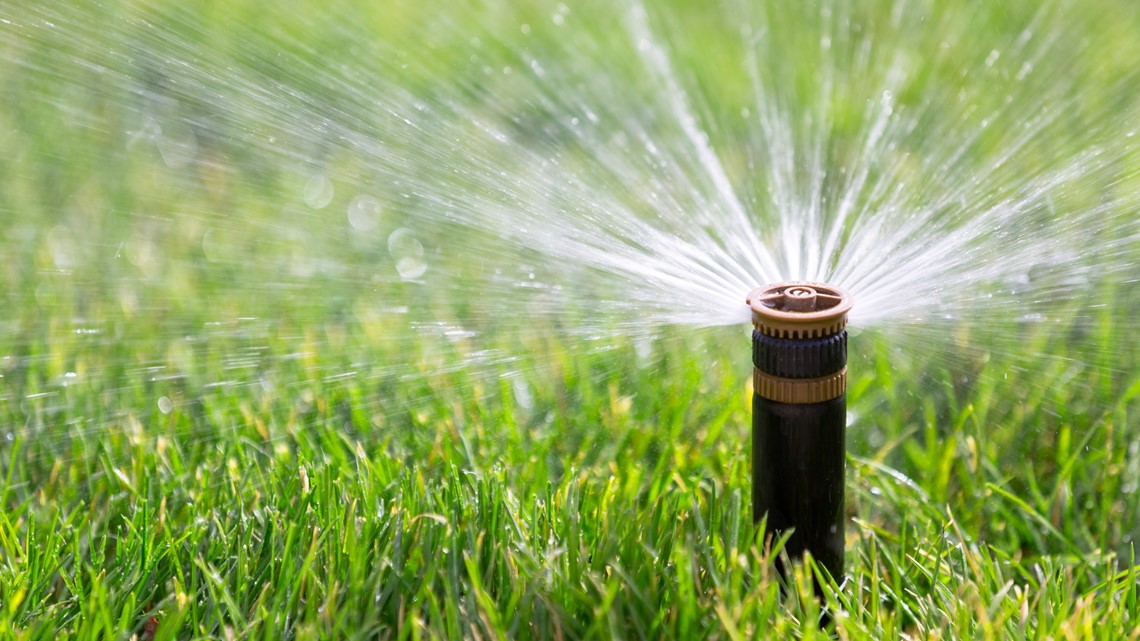
Responsible water management is not merely a seasonal chore but an integral part of the Colorado ethos. Each individual choice, from the timing of sprinkler activation to the type of landscaping chosen, collectively shapes the state’s water future. As climate patterns shift and populations grow, the importance of adapting and continuously learning about best practices for water conservation will only increase. Embracing these sustainable lifestyle choices ensures that Colorado’s natural beauty and vital resources remain abundant for generations to come, allowing everyone to continue enjoying the “life out of the box” that this remarkable state offers.
LifeOutOfTheBox is a participant in the Amazon Services LLC Associates Program, an affiliate advertising program designed to provide a means for sites to earn advertising fees by advertising and linking to Amazon.com. Amazon, the Amazon logo, AmazonSupply, and the AmazonSupply logo are trademarks of Amazon.com, Inc. or its affiliates. As an Amazon Associate we earn affiliate commissions from qualifying purchases.