
Nestled on the shores of Lake Michigan, Chicago stands as a vibrant metropolis, a global hub for commerce, culture, and innovation. Often referred to as the “Second City” or the “Windy City,” its identity is inextricably linked to its people – the diverse, resilient, and dynamic population that calls this incredible urban landscape home. Understanding “What Is The Chicago Population?” goes far beyond mere statistics; it delves into the demographic tapestry that shapes its neighborhoods, fuels its economy, and creates the unique experiences that attract millions of visitors annually. For anyone planning a visit, considering a move, or simply curious about urban dynamics, exploring Chicago’s population offers profound insights into its character and future.
Understanding Chicago’s Population: A Demographic Tapestry
At its core, the population of Chicago is a story of diversity and evolution. As the third-most populous city in the United States, behind New York City and Los Angeles, its municipal boundaries encompass a significant number of residents. However, to truly grasp its scale, one must also consider the broader Chicago Metropolitan Area, often called Chicagoland, which extends across several counties in Illinois, Indiana, and Wisconsin.
While population figures fluctuate with census updates and ongoing trends, the city proper of Chicago typically hovers around 2.7 to 2.8 million residents. This makes it the largest city in Illinois and the Midwest. The larger Chicago Metropolitan Area boasts a population exceeding 9.5 million, positioning it among the largest urban agglomerations in North America. These numbers represent a vast pool of talent, a vibrant consumer market, and a rich array of cultural backgrounds that define the city’s identity.
Key Demographic Trends and Composition
The demographics of Chicago are a complex mosaic. Historically, it has been a magnet for immigrants from around the world, creating a melting pot of cultures. Today, this legacy continues, with significant populations representing a wide range of ethnicities and nationalities. The city’s largest racial and ethnic groups include White (both Hispanic and non-Hispanic), Black/African American, and Asian communities, alongside a substantial and growing Hispanic/Latino population. This multicultural composition is not merely a statistic; it’s the very fabric of daily life, influencing everything from the culinary scene to the arts, music, and community festivals.
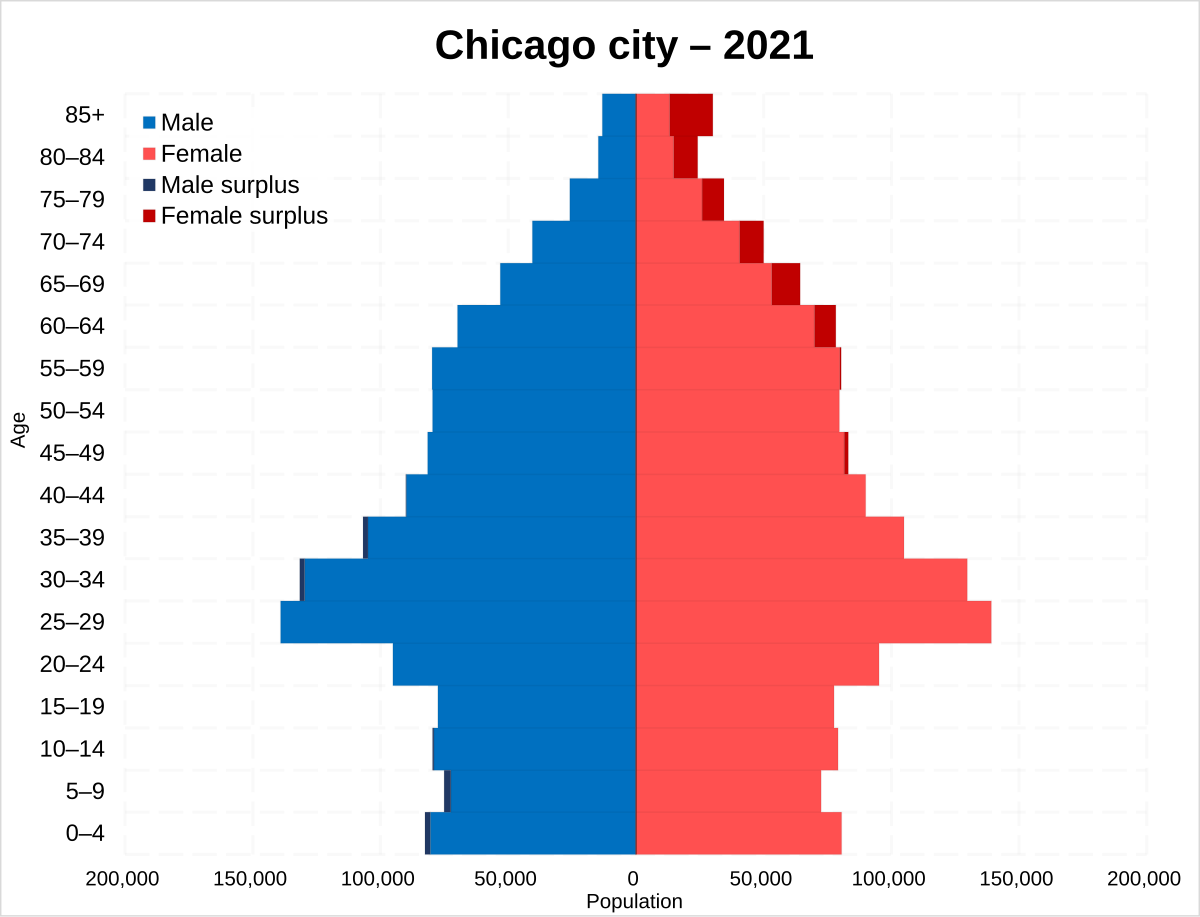
Age distribution also plays a crucial role. Chicago is a city that attracts young professionals, drawn by its diverse job market, educational institutions like the University of Chicago, and vibrant urban lifestyle. Simultaneously, it maintains a strong base of established families and a growing senior population, contributing to a balanced community structure. The presence of world-class universities ensures a continuous influx of young talent, shaping the city’s future workforce and creative landscape.
Population Dynamics and Economic Vibrancy
The ebb and flow of Chicago’s population are closely tied to its economic health. Industries such as finance, technology, healthcare, manufacturing, and transportation have historically driven growth, attracting skilled workers and fostering innovation. The city serves as a critical transportation hub, with major airports like O’Hare International Airport and Midway International Airport connecting it to the globe.
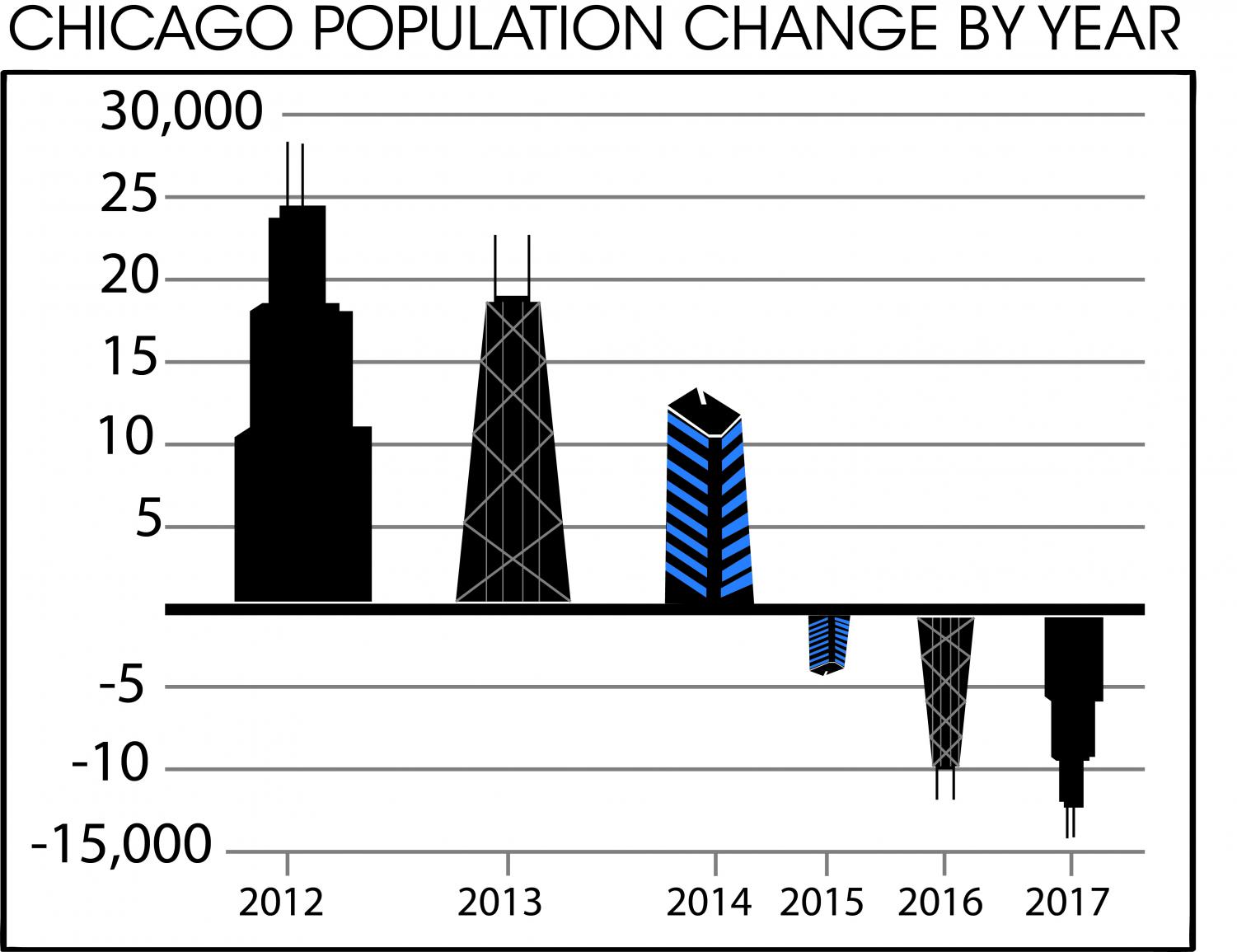
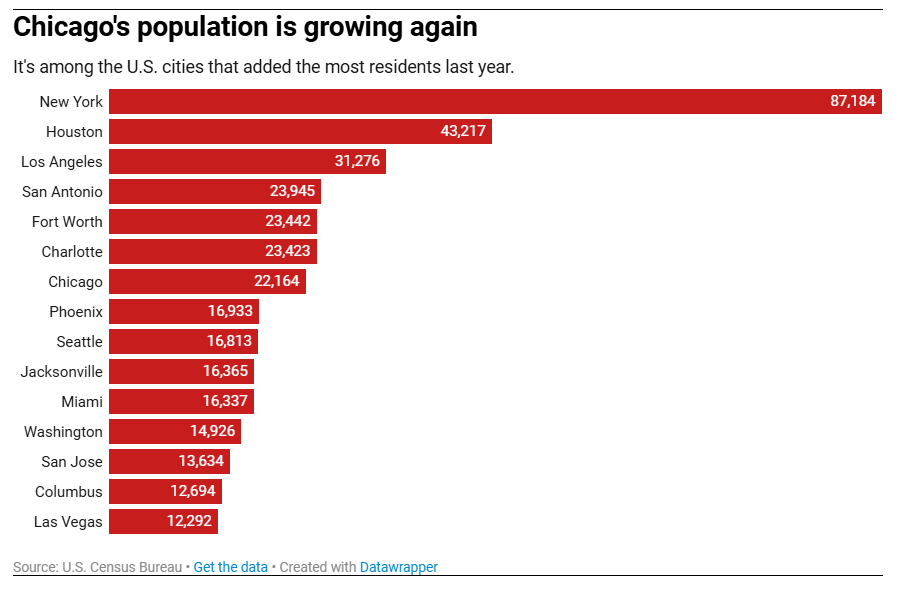
Despite some periods of population fluctuation common to many large American cities, Chicago consistently reinvents itself, adapting to new economic realities and technological advancements. Its strategic location in the Midwest, combined with robust infrastructure and a diversified economy, ensures its continued relevance as a major global player. The density of its population also means a concentrated market for businesses, contributing to a vibrant commercial ecosystem, from small local shops to international corporations.
The Impact of Population on Chicago Tourism and Lifestyle
The sheer number and diversity of people in Chicago directly translate into an unparalleled visitor experience. This is a city built by and for its residents, offering an authentic glimpse into American urban life, infused with global influences. For travelers, this means an endless array of attractions, dining options, and cultural encounters that cater to every taste and budget.
Diverse Neighborhoods and Cultural Experiences
The population of Chicago is not homogeneously distributed; rather, it’s spread across distinct neighborhoods, each with its own character, history, and cultural flavor.
- Pilsen, for instance, is a vibrant Mexican-American community renowned for its colorful murals, authentic taquerias, and art galleries.
- Chinatown offers a taste of traditional and modern Chinese culture, with bustling markets, dim sum restaurants, and ornate architecture.
- Areas like Lincoln Park and the Gold Coast boast beautiful architecture, upscale boutiques, and picturesque parks.
- Wrigleyville pulsates with energy around Wrigley Field, home to the Chicago Cubs, offering a distinct sports-centric atmosphere.
- Hyde Park, home to the University of Chicago and the Museum of Science and Industry, presents a more academic and historically rich environment.
- The West Loop and Fulton Market District have transformed from industrial zones into trendy food and nightlife destinations, driven by a younger, affluent population seeking innovative dining and entertainment.
These distinct pockets of population create a city of micro-destinations, each offering unique insights into local culture, food, and activities. Whether you’re seeking gourmet dining, indie music venues, historic architecture, or serene lakeside parks, Chicago’s diverse population ensures that every corner of the city has something compelling to offer.
Iconic Landmarks and Culinary Delights
Chicago’s landmarks are not just static structures; they are living testaments to the city’s ambition and the ingenuity of its people. The towering Willis Tower (Skydeck Chicago) and the architectural marvels along the Chicago Riverwalk showcase a skyline sculpted by a population that dared to build upwards. Millennium Park, with its iconic “Cloud Gate” (affectionately known as “The Bean”), serves as a public art space, bringing together locals and tourists alike in shared appreciation for beauty and innovation.
The city’s culinary scene is another direct reflection of its diverse population. From classic Chicago deep-dish pizza and hot dogs to Michelin-starred restaurants, ethnic eateries representing cuisines from every continent, and an exploding craft beer scene, the food landscape is as varied as its residents. The presence of numerous immigrant communities has enriched the dining options, making Chicago a world-class food destination where authentic flavors from Mexico, Germany, Poland, Ireland, Italy, China, India, and South Korea can be savored. This culinary diversity caters to every lifestyle, from budget-conscious travelers seeking delicious street food to luxury travelers desiring an unparalleled fine dining experience.
Navigating Chicago: Accommodation and Attractions for Every Visitor
With such a vibrant and diverse population base, Chicago has naturally developed a robust tourism and accommodation infrastructure designed to welcome visitors from all walks of life. The experience of staying in Chicago can be tailored to match any preference, whether you’re on a luxury getaway, a family vacation, a business trip, or a budget-conscious adventure.
Choosing Your Stay: Hotels, Apartments, and More
Chicago’s accommodation landscape is as varied as its population.
- Luxury Travel: For those seeking opulent experiences, the city boasts an impressive collection of five-star hotels. Institutions like the Four Seasons Hotel Chicago, The Peninsula Chicago, and Langham Chicago offer impeccable service, gourmet dining, and lavish suites, often located near the Magnificent Mile or along the Chicago River. These hotels often come with amenities such as spas, indoor pools, and concierge services that cater to every whim.
- Business Stays: Business travelers will find numerous hotels designed with their needs in mind, featuring state-of-the-art conference facilities, high-speed internet, and convenient access to the Loop’s financial district. Brands like Marriott Marquis Chicago, Hyatt Centric Chicago Magnificent Mile, and Loews Chicago Hotel are popular choices, offering comfort and efficiency.
- Family Trips: For families, apartment-style hotels or serviced apartments are excellent options, providing more space, kitchenettes, and often a more home-like feel. Many hotels also offer family-friendly amenities, connecting rooms, and special packages for children. Locations near parks like Millennium Park or attractions like Navy Pier are particularly convenient.
- Budget Travel: Chicago also accommodates budget travelers with a wide range of boutique hotels, hostels, and more affordable chain options, particularly in neighborhoods slightly outside the immediate downtown core. Websites like Airbnb and Vrbo also provide opportunities for longer stays or unique local experiences in residential areas, allowing visitors to live like a local.
Comparing reviews and booking in advance, especially during peak tourist seasons or major conventions, is always advisable. The accessibility provided by public transportation, particularly the ‘L’ train system, means that even staying a bit further out can still offer easy access to major attractions.
Must-Visit Attractions Shaped by a Thriving Populace
Chicago’s attractions are largely sustained by the robust local economy and the continuous flow of visitors attracted by its population’s cultural output.
- Art and Culture: The Art Institute of Chicago, one of the oldest and largest art museums in the United States, and the Museum of Science and Industry are cultural pillars. The city’s thriving theater scene, with institutions like the Steppenwolf Theatre Company and the improv comedy hub, Second City, reflects a deep local appreciation for the performing arts.
- Recreation and Outdoors: The city’s extensive park system, including Grant Park (home to Buckingham Fountain), and Lincoln Park (with its free Lincoln Park Zoo), offers green oases amidst the urban density. The lakefront trail along Lake Michigan provides miles of scenic paths for walking, biking, and enjoying the city’s natural beauty.
- Architectural Heritage: Chicago is globally renowned for its architecture. Taking an architectural boat tour on the Chicago River or visiting the Chicago Architecture Foundation Center reveals the stories behind the iconic skyline, a testament to generations of builders and visionaries.
These attractions are not just for tourists; they are integral parts of the local lifestyle, enjoyed by residents who contribute to their vibrancy and preservation. The continuous interaction between the resident population and these landmarks ensures they remain dynamic and relevant.
Future Outlook: Population Trends and Urban Development in the Windy City
The future of Chicago’s population is a topic of ongoing discussion and planning. Like many legacy cities, Chicago faces challenges and opportunities related to demographic shifts, economic restructuring, and urban planning.
Embracing Diverse Lifestyles and Sustainability
Forward-thinking urban planning initiatives in Chicago aim to create a more equitable, sustainable, and attractive city for its current and future residents. Efforts to enhance public transportation, develop more green spaces, and promote mixed-use developments are designed to improve the quality of life for its diverse population. The focus is on retaining talent, attracting new residents, and fostering inclusive growth across all neighborhoods. Programs by organizations like the Metropolitan Planning Council and Choose Chicago highlight these ongoing efforts.
The city’s commitment to arts and culture, its world-class educational institutions, and its robust healthcare system also play a vital role in maintaining its appeal. These elements, combined with a dynamic job market and a relatively affordable cost of living compared to other major global cities, contribute to a lifestyle that is both engaging and attainable for a wide range of individuals and families.
The Enduring Appeal of Chicago
Ultimately, the question of “What Is The Chicago Population?” is answered not just in numbers, but in the spirit of its people. It is a population that has built a city of architectural grandeur, cultural depth, and unwavering resilience. From the bustling streets of the Loop to the tranquil paths of its parks, the vibrant neighborhoods, and the welcoming arms of its diverse communities, Chicago continues to be a magnet for those seeking opportunity, community, and an unparalleled urban experience. This dynamic interplay between its population and its urban fabric ensures that Chicago remains a compelling destination for travel, accommodation, and a truly unforgettable lifestyle.
LifeOutOfTheBox is a participant in the Amazon Services LLC Associates Program, an affiliate advertising program designed to provide a means for sites to earn advertising fees by advertising and linking to Amazon.com. Amazon, the Amazon logo, AmazonSupply, and the AmazonSupply logo are trademarks of Amazon.com, Inc. or its affiliates. As an Amazon Associate we earn affiliate commissions from qualifying purchases.