
Locating Thornton: A Northern Gem in the Denver Metropolitan Area
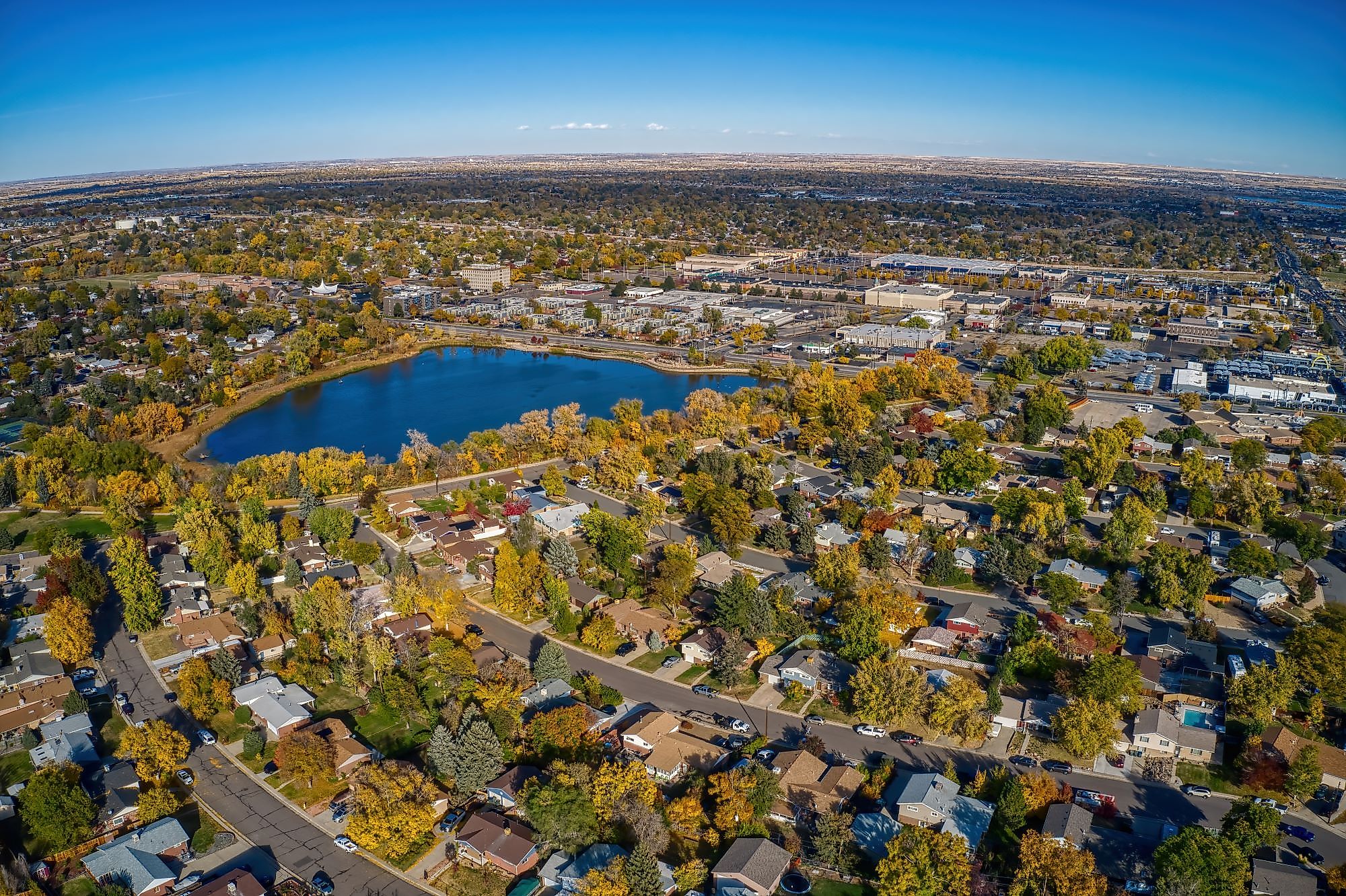
For many travelers planning a Colorado adventure, the focus often immediately shifts to the majestic Rocky Mountains or the vibrant urban core of Denver. However, just a short drive north of the state capital lies Thornton, a thriving city that serves as an excellent basecamp for exploring the Front Range and beyond. Thornton isn’t just a bedroom community; it’s a destination in its own right, offering a unique blend of suburban comfort, extensive recreational opportunities, and strategic access to some of the region’s most iconic attractions. Understanding its geographical placement is key to appreciating its appeal as a travel spot.
Geographical Context
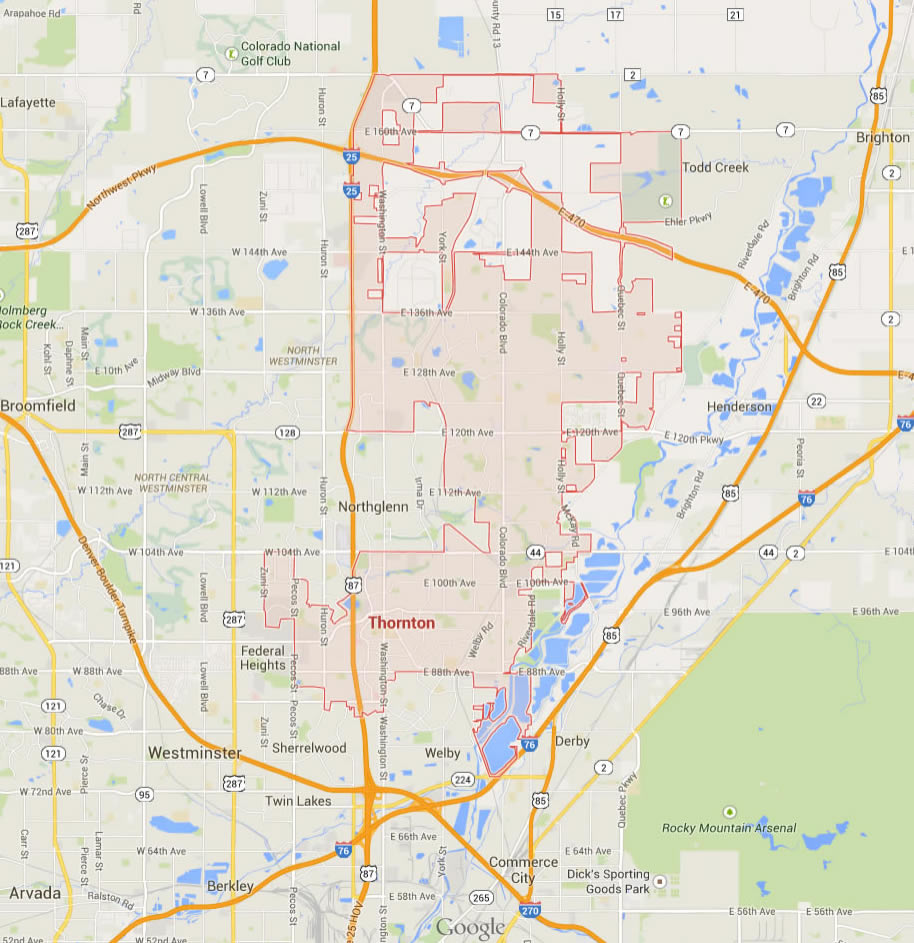
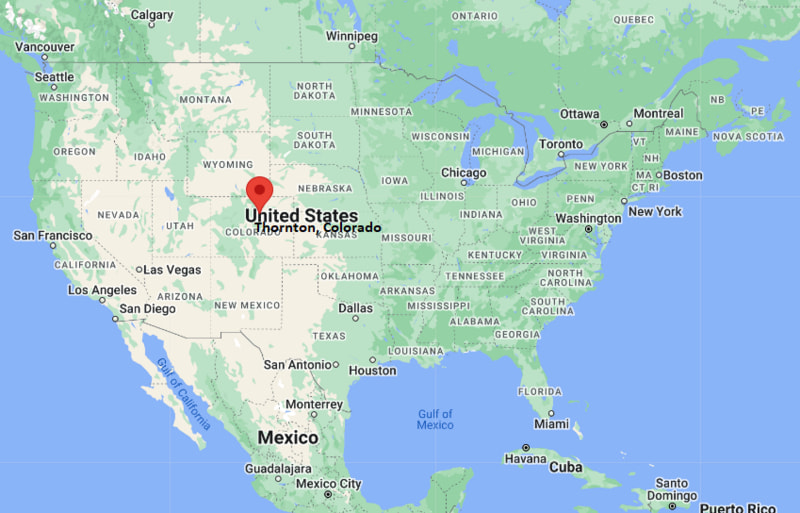
Thornton is strategically positioned within Adams County and Weld County, primarily falling within the former. It is a principal city of the Denver-Aurora-Lakewood, CO Metropolitan Statistical Area. To put it simply, it’s nestled directly north of Denver, making it an integral part of the sprawling Denver metropolitan area. Its boundaries are roughly defined by 88th Avenue to the south, 168th Avenue to the north, and extends from near Interstate 25 to east of U.S. Route 85. This location provides unparalleled convenience for travelers. Interstate 25, the primary north-south artery through Colorado, runs directly through the western part of Thornton, offering straightforward routes to Downtown Denver (approximately a 15-20 minute drive without heavy traffic) or points further north like Fort Collins. The proximity to Denver International Airport (DIA), just a 20-30 minute drive to the southeast, further cements Thornton’s accessibility for both domestic and international visitors.
A Brief History and Evolution
The history of Thornton is relatively recent compared to some of Colorado’s older mining towns, yet it tells a compelling story of intentional community building. Incorporated in 1956, Thornton was the first community in Adams County to use a city manager form of government. It was planned as a post-World War II, master-planned community, designed to offer affordable housing and a high quality of life for returning veterans and their families. This deliberate planning is still evident today in its well-structured neighborhoods, numerous parks, and family-oriented amenities. Over the decades, Thornton has experienced significant growth, transforming from a modest town into one of Colorado’s largest cities. This expansion has brought with it a diverse array of shopping centers, dining establishments, and recreational facilities, making it a self-sufficient and attractive destination for travelers seeking convenience and a local feel.
Why Visit Thornton? Unpacking its Travel Appeal
While it may not boast world-famous landmarks, Thornton offers a genuine Colorado experience focused on outdoor recreation, community spirit, and convenient access to diverse attractions. Its appeal lies in its balance of suburban tranquility and urban accessibility, making it ideal for families, outdoor enthusiasts, and those looking to experience the Front Range without the hustle and bustle of downtown Denver.
Parks, Recreation, and Outdoor Adventures
Thornton’s commitment to green space and recreation is impressive, with over 1,000 acres of developed parkland and more than 80 miles of trails. This makes it an excellent destination for travelers who prioritize outdoor activities.
Big Dry Creek Trail
One of the most notable features is the Big Dry Creek Trail, a paved multi-use path that stretches for miles, offering scenic routes for walking, running, and biking. It connects various parks, open spaces, and residential areas, providing a fantastic way to explore the city’s natural beauty and get some exercise. Along the trail, you might spot local wildlife and enjoy panoramic views of the distant Rocky Mountains.
Thornton Parks and Open Spaces
Beyond the trails, Thornton is home to numerous community parks, each with unique amenities. Carpenter Park is a prime example, featuring a large recreation center, an outdoor pool with water slides, athletic fields, and even a carousel and a G-scale miniature train, making it a fantastic spot for families. Eastlake Park offers serene lake views, fishing opportunities, and a tranquil setting for picnics. For those interested in golf, the Todd Creek Golf Club provides an exceptional public course experience with stunning mountain backdrops.
Family-Friendly Fun and Community Events
Thornton excels at providing a welcoming atmosphere for families. The city frequently hosts community events throughout the year, from summer concerts in the park and outdoor movie nights to seasonal festivals and farmers’ markets. These events offer a wonderful opportunity for visitors to experience local culture and interact with residents. The city’s recreation centers, such as the Thornton Recreation Center and the Trail Winds Recreation Center, provide indoor pools, fitness facilities, and various programs suitable for all ages, perfect for a rainy day or a break from outdoor adventures.
Dining and Shopping Experiences
While not a gourmet destination, Thornton offers a wide array of dining options that cater to diverse tastes and budgets. From casual family restaurants and fast-casual eateries to local breweries and international cuisine, visitors will find plenty of choices. Popular shopping areas like the Thornton Town Center and other commercial corridors along I-25 and E-470 provide access to major retailers, boutiques, and specialty shops, ensuring all practical needs and a bit of retail therapy can be accomplished with ease.
Exploring Beyond Thornton: Day Trips and Proximity to Major Attractions
One of Thornton’s strongest selling points as a travel destination is its exceptional connectivity to the wider Colorado landscape. Its location makes it an ideal launchpad for day trips to world-class attractions, providing a quiet retreat to return to after a day of exploration.
The Allure of Downtown Denver
A mere 15-20 minute drive south on Interstate 25 brings travelers directly into the heart of Downtown Denver. Here, a plethora of experiences awaits. Visitors can explore the historic Union Station, stroll along the 16th Street Mall, or dive into the vibrant nightlife of LoDo (Lower Downtown). World-class museums such as the Denver Art Museum and the Denver Museum of Nature & Science offer cultural enrichment, while the Denver Zoo provides family-friendly entertainment. Sporting events are also a major draw, with the Colorado Rockies playing at Coors Field and the Denver Broncos at Empower Field at Mile High.
Gateway to the Rocky Mountains
For those drawn by the majesty of the Rocky Mountains, Thornton’s location is a strategic advantage. Scenic drives to iconic mountain towns and national parks are easily accessible.
Rocky Mountain National Park
Rocky Mountain National Park, a crown jewel of the U.S. National Park system, is approximately a 1.5 to 2-hour drive northwest. Travelers can spend a day marveling at alpine landscapes, hiking diverse trails, and spotting wildlife. The proximity allows for a full day of exploration without the need for an overnight stay in the mountains.
Iconic Mountain Towns
Charming mountain towns like Estes Park (the gateway to Rocky Mountain National Park), Idaho Springs, and Georgetown are within a reasonable driving distance, offering historic sites, unique shops, and outdoor activities like whitewater rafting and scenic train rides. Red Rocks Park and Amphitheatre, known for its stunning geological formations and world-renowned concert venue, is also an easy drive southwest.
Cultural and Sporting Hubs Nearby
Beyond Denver and the mountains, Thornton provides easy access to other Front Range cities. To the south, Aurora and Lakewood offer additional dining, shopping, and entertainment options. To the north, Boulder, famous for its outdoor lifestyle, intellectual atmosphere, and the University of Colorado Boulder, is just a 30-minute drive. This accessibility makes Thornton a versatile choice for travelers who wish to experience various facets of Colorado without constantly changing accommodations.
Planning Your Trip: Getting There and Getting Around
Efficient travel planning is essential for any trip, and understanding the logistics of reaching and navigating Thornton will enhance your experience.
Access via Denver International Airport
The primary gateway for most visitors is Denver International Airport (DIA). From DIA, Thornton is easily reachable by rental car, ride-sharing services, or taxi. The drive is typically straightforward, primarily using E-470 westbound or Pena Boulevard connecting to I-70 West and then I-25 North. Public transportation options from DIA involve taking the A Line commuter rail to Union Station in Downtown Denver and then connecting to an RTD bus service that extends into Thornton.
Navigating the City and Region
While Thornton does have a public transportation system operated by the Regional Transportation District (RTD) with bus routes connecting to Denver and surrounding areas, a rental car is highly recommended for travelers wishing to fully explore Thornton’s expansive parks and take advantage of its proximity to mountain attractions. The major arteries like I-25, E-470, and U.S. Route 85 make driving relatively simple, though traffic can be heavy during peak commute times, especially on I-25.
What to Expect: Local Vibe and Traveler Tips
Visiting Thornton offers a chance to experience an authentic side of Colorado life, away from the more tourist-heavy areas.
The Community Spirit
Travelers will find Thornton to be a friendly, family-oriented community. The atmosphere is generally relaxed and welcoming. It’s a place where you can comfortably enjoy local parks, dine at neighborhood eateries, and experience everyday Colorado living. This local charm can be a refreshing change for those accustomed to more intense tourist environments.
Best Times to Visit
Colorado enjoys four distinct seasons, each offering a different appeal for visiting Thornton.
- Summer (June-August): Ideal for outdoor activities, with warm days perfect for parks, trails, and events. However, afternoon thunderstorms are common.
- Fall (September-October): Pleasant temperatures, fewer crowds, and stunning fall foliage in the mountains (a short drive away) make this an excellent time to visit.
- Winter (November-March): Offers opportunities for winter sports in the mountains (ski resorts are 1.5-2.5 hours away). Thornton itself sees snow but often clears quickly. Days can be sunny and mild even in winter.
- Spring (April-May): Variable weather, but pleasant temperatures and blooming flowers can make for a beautiful visit.
In conclusion, Thornton, Colorado, is far from an anonymous dot on the map. It’s a strategically located, family-friendly city that offers travelers a comfortable and convenient base to explore the vast and varied attractions of the Colorado Front Range and the majestic Rocky Mountains. Its blend of local amenities, extensive green spaces, and unparalleled access to the region makes it a compelling choice for a well-rounded Colorado travel experience.
LifeOutOfTheBox is a participant in the Amazon Services LLC Associates Program, an affiliate advertising program designed to provide a means for sites to earn advertising fees by advertising and linking to Amazon.com. Amazon, the Amazon logo, AmazonSupply, and the AmazonSupply logo are trademarks of Amazon.com, Inc. or its affiliates. As an Amazon Associate we earn affiliate commissions from qualifying purchases.