
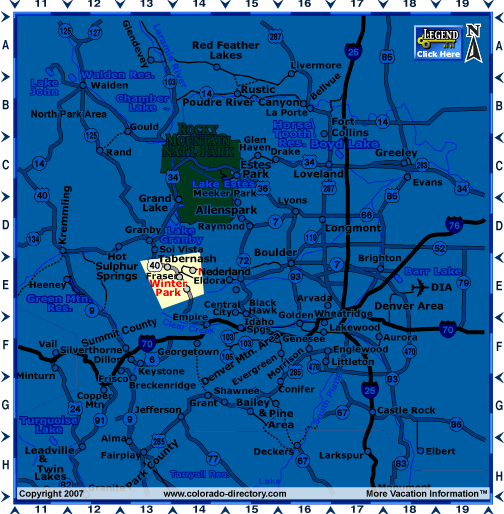
Winter Park, Colorado, is a premier mountain destination nestled deep within the Rocky Mountains of Grand County. This vibrant resort town is strategically positioned approximately 67 miles northwest of Denver, making it one of the most accessible major ski resorts from Colorado’s capital and its primary international airport. Its location places it firmly in the heart of the majestic Fraser Valley, surrounded by vast expanses of the Arapaho National Forest and offering breathtaking views of the Continental Divide. Sitting at an elevation of around 9,000 feet above sea level in the town proper, and climbing to over 12,000 feet at the highest points of its famed ski resort, Winter Park offers a true high-alpine experience. This geographical positioning is key to its identity as a year-round outdoor playground, boasting abundant snowfall in winter and cool, refreshing temperatures for summer activities.
Getting There: Your Gateway to the Rockies
Accessing Winter Park is surprisingly straightforward, especially considering its high-mountain location. Travelers have several convenient options, each offering a distinct experience, from scenic drives to unique rail journeys.
By Car
The most common way to reach Winter Park is by car, typically from Denver. The primary route involves traveling west on US-40, which takes you over the renowned Berthoud Pass. This mountain pass, reaching an elevation of 11,307 feet, is famed for its stunning panoramic views, challenging curves, and, in winter, significant snowfall. While kept meticulously clear, winter travelers should be prepared for potential adverse conditions, including chain requirements or temporary closures during heavy storms. The drive itself is a significant part of the adventure, transitioning from urban sprawl to dramatic mountain vistas. From Denver International Airport (DIA), the drive takes approximately 1.5 to 2 hours in ideal conditions, though this can vary greatly with traffic and weather.
By Air
For those flying into Colorado, Denver International Airport (DIA) serves as the primary gateway. DIA is a major hub with extensive domestic and international flight connections. Once at DIA, visitors can rent a car directly from the airport, utilize one of the many private shuttle services that offer direct transfers to Winter Park, or connect with public transportation options that link to the train service. These shuttle services are particularly convenient for those who prefer not to drive on mountain roads or simply wish to relax and enjoy the scenery.
By Train
A truly unique and highly recommended way to travel to Winter Park is by train. Amtrak’s California Zephyr route, one of the most scenic rail journeys in North America, includes a stop in Fraser, just a few miles north of Winter Park itself. From Fraser, local transportation can easily connect travelers to their accommodations. During the winter ski season, an even more specialized option exists: the Winter Park Express. Often dubbed the “Ski Train,” this service operates on select weekends and holidays directly from Denver’s historic Union Station to a dedicated platform at the base of Winter Park Resort. This eliminates the need for driving, parking, and navigating mountain passes, offering a nostalgic and relaxing start to a ski vacation.
Winter Park: A Year-Round Mountain Haven
Winter Park’s location in the heart of the Rocky Mountains ensures it is a vibrant destination regardless of the season, attracting visitors with a diverse array of outdoor activities and natural beauty.
Winter Delights
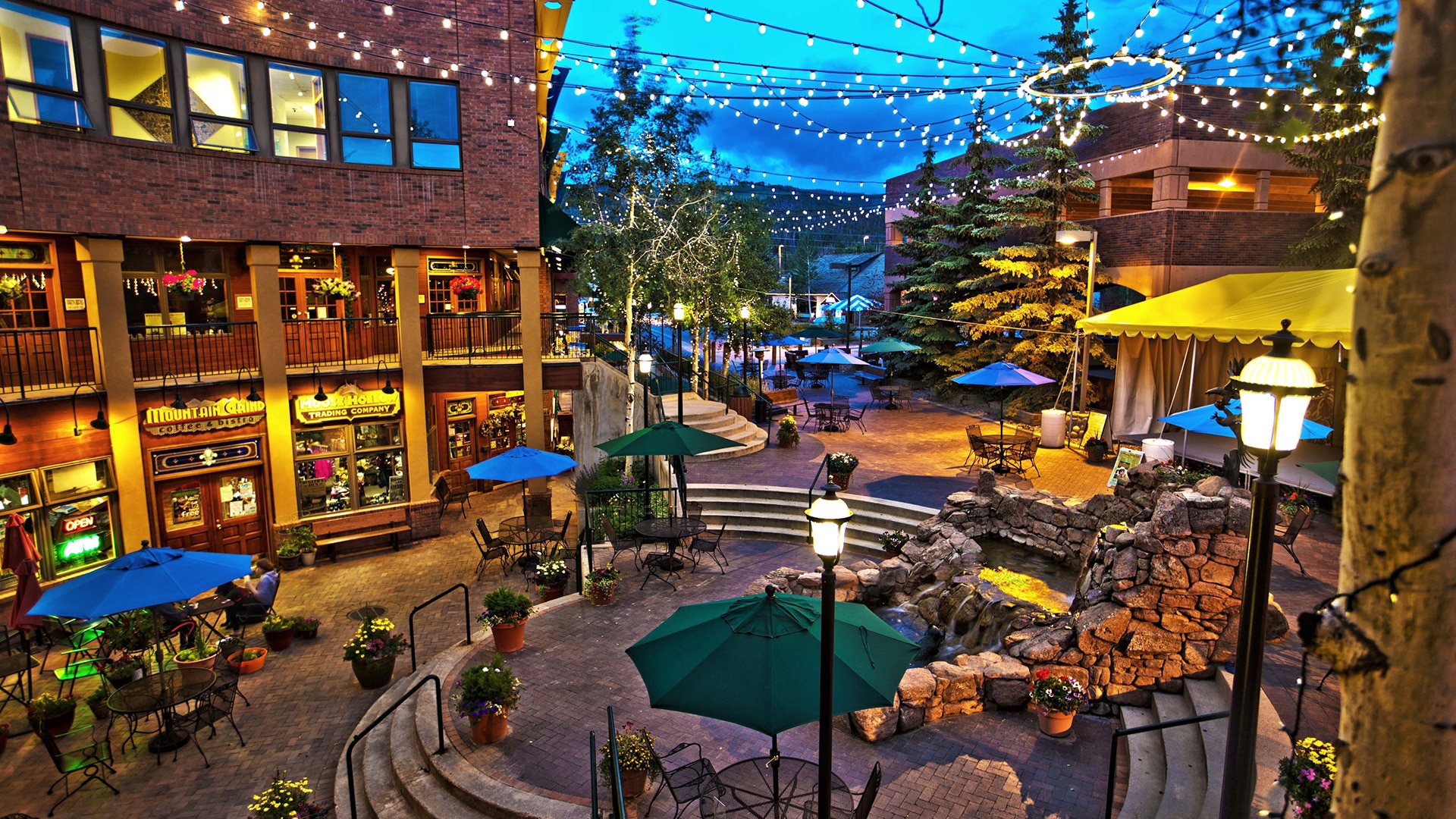
As its name suggests, Winter Park truly shines in the colder months. The crown jewel is Winter Park Resort, one of Colorado’s largest and longest-running ski resorts. Spanning over 3,000 acres of skiable terrain across seven distinct territories, including the legendary bumps of Mary Jane and the expansive cruisers of Winter Park Mountain, it caters to all skill levels. Beyond alpine skiing and snowboarding, the area offers extensive opportunities for Nordic skiing and snowshoeing on groomed trails, thrilling snowmobiling tours through backcountry terrain, and family-friendly tubing hills. The Village at Winter Park Resort comes alive with après-ski activities, dining, and shopping, creating a festive atmosphere for visitors after a day on the slopes.
Summer Adventures
When the snow melts, Winter Park transforms into a verdant paradise, earning it the moniker “Mountain Bike Capital USA.” The resort’s terrain parks and the surrounding Arapaho National Forest offer hundreds of miles of trails, from gentle valley paths to challenging downhill descents, making it a mecca for mountain biking enthusiasts and even host to past National Championships. Hiking is another popular pastime, with trails ranging from leisurely strolls along the Fraser River Trail to strenuous treks into the high country, offering access to stunning alpine lakes and peaks. Nearby, Rocky Mountain National Park provides an even broader spectrum of hiking and wildlife viewing opportunities, just an hour’s drive away. The Colorado River, originating nearby, offers exciting whitewater rafting experiences. Fishing, horseback riding, scenic gondola rides, and disc golf are also popular, alongside a packed calendar of summer festivals, concerts, and art shows that infuse the town with lively energy.
Planning Your Visit: Tips for Travelers
Making the most of your Winter Park adventure requires a bit of planning, especially given its unique mountain environment and diverse offerings.
Seasonal Considerations
The “best” time to visit Winter Park depends entirely on your interests. For prime skiing and snowboarding, mid-December through March typically offers the best snow conditions, with January and February often seeing the deepest powder. Spring skiing in March and April can be delightful with warmer temperatures and sunny days. For mountain biking, hiking, and other warm-weather activities, July and August are ideal, boasting pleasant temperatures and lush landscapes. Early fall (September to early October) is spectacular for viewing vibrant aspen foliage, though some summer activities might start winding down. Shoulder seasons (late April-May and late October-November) offer fewer crowds and potentially lower prices but with more limited activity options and unpredictable weather.
Altitude Acclimatization
Given Winter Park’s high elevation, altitude sickness can be a concern for some visitors. It’s advisable to take it easy on your first day, avoid strenuous activity, and stay well-hydrated by drinking plenty of water. Limiting alcohol and caffeine consumption can also help. Most people adjust within a day or two, but being aware of symptoms like headaches, nausea, or dizziness is important.
Packing Essentials
Layering is key for any season in the mountains, as temperatures can fluctuate dramatically throughout the day. In winter, waterproof outerwear, thermal layers, hats, gloves, and sunscreen are essential. Even in summer, evenings can be cool, so bring a light jacket. Hiking boots, sunglasses, and a reusable water bottle are useful year-round. Don’t forget high-SPF sunscreen and lip balm; the sun’s intensity is much stronger at altitude.
Accommodation and Dining
Winter Park offers a wide range of accommodation options, from luxury resorts and full-service hotels to cozy condos, vacation rentals, and budget-friendly motels. Booking in advance, especially during peak seasons, is highly recommended. The dining scene caters to various tastes and budgets, featuring everything from casual cafes and brewpubs to upscale restaurants serving contemporary Colorado cuisine. Many establishments highlight locally sourced ingredients.
Local Transportation and Respecting the Environment
Once in Winter Park, a free shuttle bus system, “The Lift,” conveniently connects the town of Winter Park, the Village at Winter Park Resort, and the nearby town of Fraser, making it easy to get around without a car. When exploring the natural beauty, always remember to practice Leave No Trace principles: pack out what you pack in, stay on marked trails, and respect wildlife to preserve this stunning mountain environment for future generations.
LifeOutOfTheBox is a participant in the Amazon Services LLC Associates Program, an affiliate advertising program designed to provide a means for sites to earn advertising fees by advertising and linking to Amazon.com. Amazon, the Amazon logo, AmazonSupply, and the AmazonSupply logo are trademarks of Amazon.com, Inc. or its affiliates. As an Amazon Associate we earn affiliate commissions from qualifying purchases.