
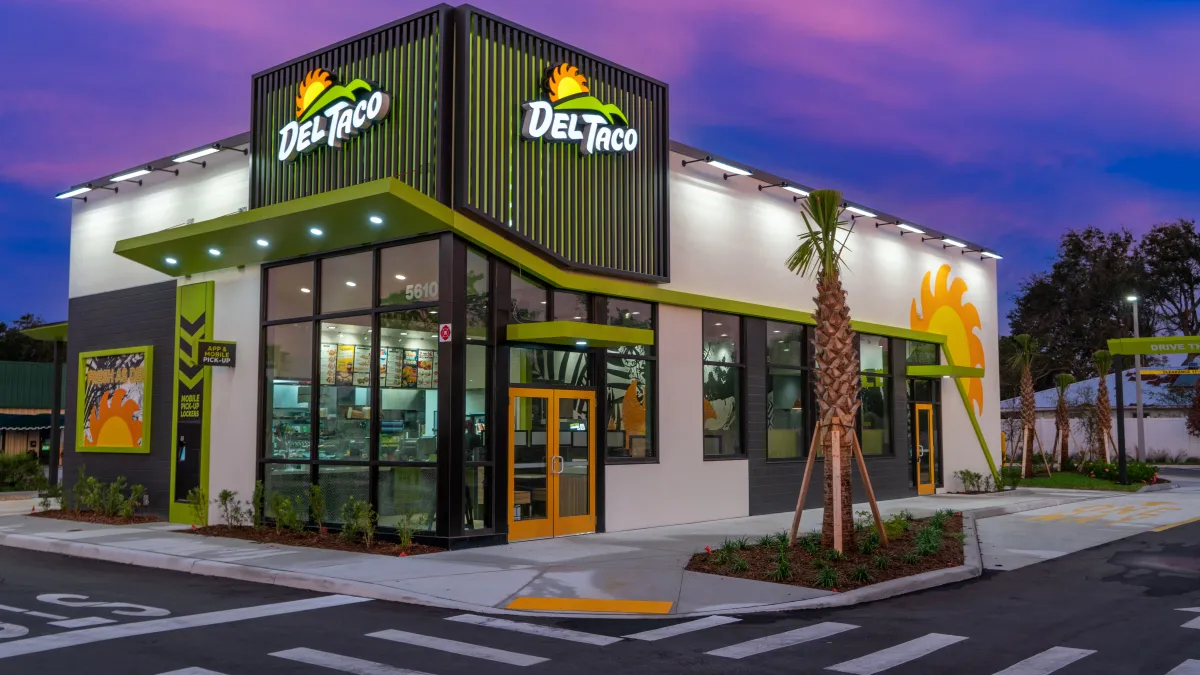
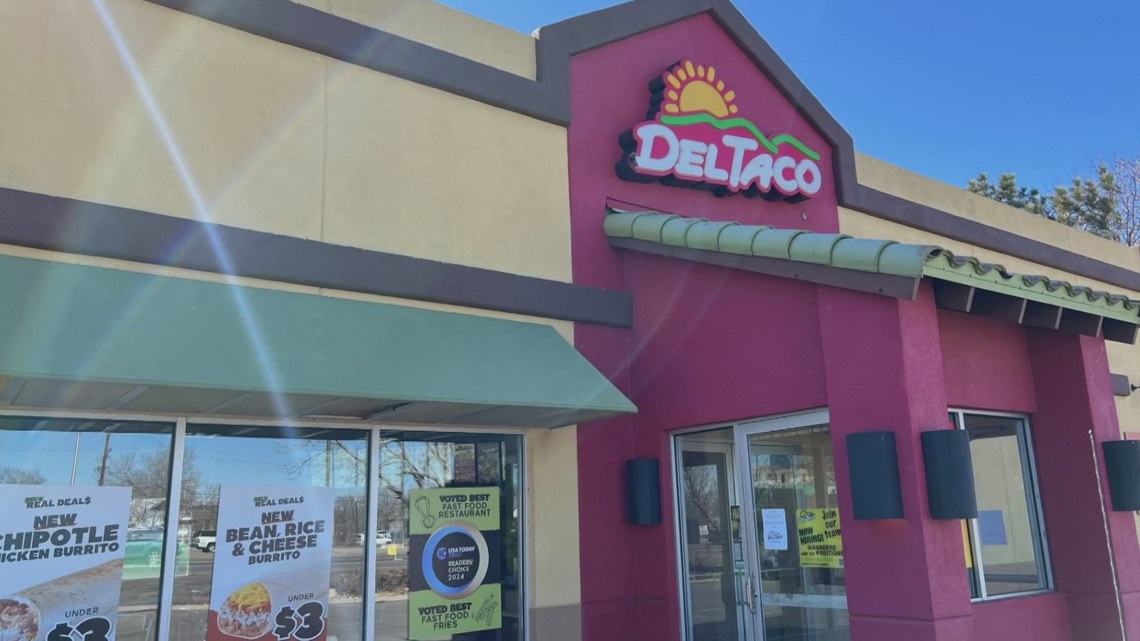
The closure of a well-known fast-food chain like Del Taco in a vibrant state such as Colorado might seem counterintuitive at first glance. For travelers and locals alike, fast-food establishments often serve as convenient, affordable dining options, particularly when exploring new destinations or navigating busy schedules. However, the reasons behind Del Taco’s departure from the Colorado market are multifaceted, reflecting broader shifts in consumer preferences, an increasingly competitive culinary landscape, and unique operational challenges prevalent in the Centennial State. Understanding these dynamics provides valuable insight into the evolving food scene that tourists and residents now experience.
The Evolving Fast-Casual Landscape in Colorado
Colorado’s culinary scene has undergone a significant transformation over the past decade, moving beyond traditional fast food towards a diverse array of fast-casual and local dining experiences. This shift is particularly pronounced in urban centers like Denver, Boulder, and Fort Collins, where consumers are increasingly prioritizing quality, freshness, and unique dining concepts over conventional convenience.
A Shift in Consumer Preferences
Modern diners, especially those in health-conscious and active communities like Colorado’s, are demonstrating a clear preference for food that is perceived as healthier, more ethically sourced, and offering better value for money in terms of ingredients and preparation. While traditional fast food remains popular, the demand for options that cater to specific dietary needs or offer a more “crafted” experience has surged. This consumer behavior directly impacts the viability of chains that don’t adapt to these evolving tastes. For tourists, this means that while familiar chain options may be diminishing, the opportunity to discover unique, local eateries is expanding, enriching their overall travel experience.
The Rise of Local and Health-Conscious Options
The void left by traditional fast-food closures is often quickly filled by concepts that align more closely with contemporary Colorado values. Fast-casual brands that emphasize fresh ingredients, customizable menus, and a focus on transparency have thrived. Chains like Chipotle Mexican Grill, which actually originated in Denver, and Panera Bread exemplify this trend. Additionally, homegrown Colorado concepts such as illegal Pete’s, Modern Market Eatery, and Snooze, an A.M. Eatery have successfully captured local palates by offering innovative menus and a strong community connection. These establishments not only cater to residents but also draw in tourists seeking an authentic taste of Colorado’s culinary identity, often providing a more memorable experience than a standard fast-food meal.
Operational Challenges and Market Saturation
Beyond changing tastes, the practicalities of operating a business in Colorado present significant hurdles that can challenge even established brands. High operating costs and fierce competition contribute to a dynamic and sometimes unforgiving market.
High Operating Costs in Key Colorado Markets
Real estate in desirable Colorado locations, particularly in bustling cities like Denver and Colorado Springs, can be exceptionally expensive. Lease rates, property taxes, and construction costs are often higher than national averages, directly impacting a restaurant’s bottom line. Moreover, Colorado’s rising minimum wage and competitive labor market mean that staffing costs are also substantial. For chains like Del Taco, which traditionally operate on thinner margins, these elevated expenses can make profitability difficult, especially if sales volumes do not meet aggressive targets. This economic pressure can force corporate decisions to consolidate operations in more favorable markets, even if a brand has some local recognition.
Intense Competition from Established and New Players
The Colorado food scene is incredibly competitive. Fast-food mainstays like McDonald’s, Burger King, and Taco Bell have long-established presences, deep marketing budgets, and loyal customer bases. In the Mexican-inspired fast-food segment specifically, Del Taco faced direct competition from not only Taco Bell but also the burgeoning fast-casual sector, including Chipotle Mexican Grill and Qdoba Mexican Eats.
Adding to this, the entry of highly anticipated brands like In-N-Out Burger in recent years has further intensified competition in the burger segment, indirectly siphoning away quick-service dollars. Other strong contenders like Five Guys, Smashburger, and Shake Shack have also carved out significant market share in the premium fast-casual burger space. For a chain like Del Taco to thrive, it needed a distinct value proposition that could stand out amidst this crowded and evolving culinary landscape. The inability to consistently attract enough customers to offset high operating costs likely played a critical role in its eventual withdrawal.
Impact on Local Dining Scenes and Tourism
The departure of a national chain, while potentially disappointing for some who appreciated its offerings, ultimately shapes the local dining landscape in ways that can be beneficial for tourism. It signals an environment ripe for innovation and offers new opportunities for unique culinary exploration.
What Travelers Can Expect from Colorado’s Food Scene
For travelers visiting Colorado, the absence of certain national chains means a greater emphasis on regional and local dining experiences. Instead of a uniform offering, visitors are encouraged to seek out restaurants that reflect Colorado’s distinctive food culture. This includes everything from innovative farm-to-table restaurants in Boulder to authentic green chili joints in Pueblo, or high-end dining in mountain towns like Vail and Aspen. The quick-service segment itself is now characterized by more diverse options, including specialized food trucks, locally owned sandwich shops, and fast-casual concepts that prioritize fresh, regional ingredients. This fosters a more authentic and memorable gastronomic journey for visitors.
Opportunities for Local Culinary Exploration
The spaces vacated by chains like Del Taco often become prime real estate for new, often local, businesses. This dynamic contributes to the overall vibrancy and diversity of Colorado’s food scene, which is a significant draw for culinary tourists. These new establishments can introduce novel cuisines, specialized dietary options, or unique dining concepts that further enrich the local culture and provide travelers with a deeper connection to the destination. From a tourism perspective, this evolution signifies a move towards a more unique and experience-driven food culture, where visitors can truly taste the local flavor of Colorado rather than relying solely on universally available chains.
Beyond Del Taco: A Broader Look at Fast Food’s Future in Mountain States
The story of Del Taco’s exit from Colorado is not an isolated incident but rather indicative of a broader trend affecting the fast-food industry, particularly in regions with strong local economies and discerning consumer bases like many mountain states.
Innovation and Adaptation as Key for Survival
For any restaurant chain, national or local, long-term success in markets like Colorado hinges on the ability to innovate and adapt. This means more than just offering good food; it requires understanding and responding to local preferences, embracing sustainable practices, and creating a strong brand identity that resonates with the community. Fast-food brands that wish to thrive in such environments are increasingly investing in menu diversification, healthier options, technology-driven convenience (like mobile ordering and delivery), and a commitment to local engagement. Those that fail to evolve risk being outmaneuvered by nimble competitors or simply not meeting the increasingly sophisticated demands of modern diners, whether they are permanent residents or transient tourists seeking an authentic taste of their travels. The culinary landscape of Colorado continues to evolve, promising an exciting and diverse array of choices for all who visit.
LifeOutOfTheBox is a participant in the Amazon Services LLC Associates Program, an affiliate advertising program designed to provide a means for sites to earn advertising fees by advertising and linking to Amazon.com. Amazon, the Amazon logo, AmazonSupply, and the AmazonSupply logo are trademarks of Amazon.com, Inc. or its affiliates. As an Amazon Associate we earn affiliate commissions from qualifying purchases.