
Colorado is renowned globally for its majestic mountain vistas, 300 days of sunshine, and pristine natural beauty. Millions of tourists flock to the state annually, eager to capture breathtaking photographs of the Rocky Mountains and partake in world-class outdoor adventures. However, some visitors occasionally encounter an unexpected atmospheric phenomenon: haze. This diffused veil can obscure those iconic views, raise concerns about air quality, and subtly alter the anticipated tourist experience. Understanding the causes behind this haze is crucial for any traveler planning a trip to the Centennial State, allowing them to better prepare and adapt their itinerary to ensure a fulfilling visit.
Understanding the Haze: A Tourist’s Perspective
For many, the word “haze” might evoke images of a gentle morning mist or a soft atmospheric glow. In Colorado, however, the haze experienced is often a more significant atmospheric condition, stemming from a variety of natural and anthropogenic sources that impact visibility and air quality. From a tourism standpoint, this isn’t merely an aesthetic issue; it can profoundly affect activities reliant on clear views, such as hiking, scenic drives, and photography, and may even pose health considerations for sensitive individuals.
It’s important for visitors to differentiate between typical high-altitude atmospheric clarity and periods where the air genuinely feels thick or looks unusually diffused. The presence of haze can diminish the vibrant colors of a Colorado sunset, flatten mountain contours, and reduce the crispness of a landscape shot, potentially leading to disappointment if expectations are set for uninterrupted panoramas. Moreover, haze is often an indicator of elevated particulate matter or ground-level ozone, which can have tangible health impacts for tourists engaged in strenuous outdoor pursuits. Being informed allows travelers to make proactive choices, ensuring their journey remains safe and enjoyable regardless of atmospheric conditions.
Primary Causes of Haze Affecting Colorado Tourism
The haze seen in Colorado is rarely attributable to a single factor but rather a complex interplay of geography, climate, and human activity. Each contributing element presents unique challenges and considerations for those visiting the state.
Wildfire Smoke
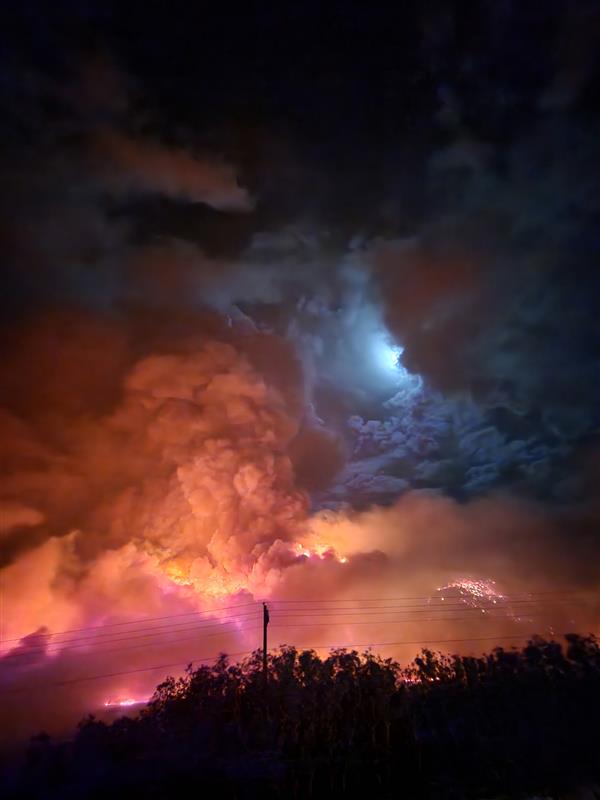
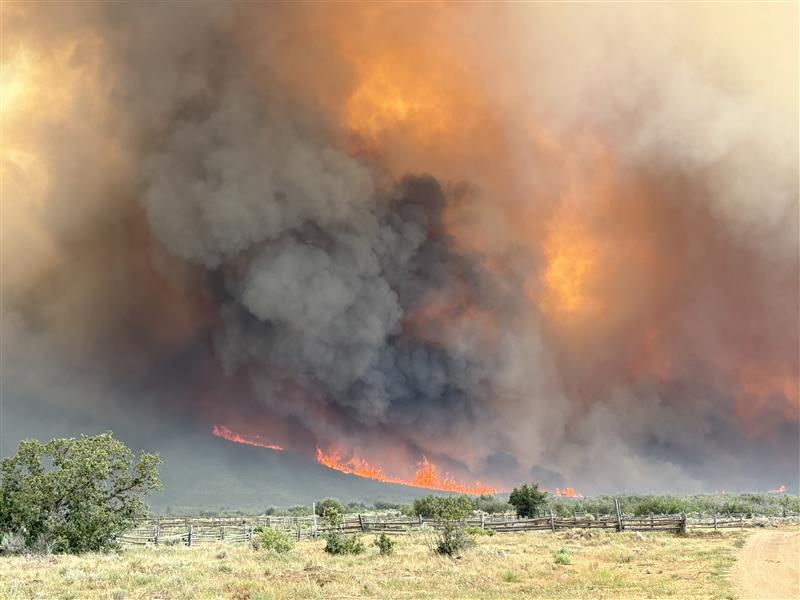
One of the most impactful and increasingly common sources of haze in Colorado is wildfire smoke. As climate patterns shift, wildfires, particularly in the Western United States, have grown in frequency and intensity. Smoke from these blazes can travel hundreds or even thousands of miles, carried by prevailing winds across state lines and settling over Colorado’s vast landscapes.
When wildfire smoke descends, it brings with it a host of fine particulate matter, including ash, soot, and gases. This particulate matter scatters sunlight, creating a characteristic milky or orange hue in the sky and severely reducing visibility. For tourists, this means that iconic views of the Rocky Mountains, particularly in areas like Rocky Mountain National Park, can be significantly obscured. Photography, a primary activity for many visitors, becomes challenging, as distant peaks fade into the smoky backdrop. Beyond aesthetics, the inhalation of fine particulate matter can irritate the respiratory system, exacerbate conditions like asthma, and pose risks to individuals with heart or lung disease. Tourists planning strenuous activities such as high-altitude hiking, mountain biking, or trail running need to be particularly aware of air quality advisories during wildfire season, which typically spans from late spring through fall.
Ozone Pollution
Another significant contributor to haze, particularly along the densely populated Front Range urban corridor (encompassing cities like Denver and Boulder), is ground-level ozone. Unlike the protective ozone layer in the stratosphere, ground-level ozone is a harmful air pollutant. It forms when nitrogen oxides (from vehicle exhaust, industrial emissions, and oil and gas operations) and volatile organic compounds (from solvents, paints, and vegetation) react in the presence of sunlight and heat.
This photochemical reaction often leads to higher ozone concentrations during hot, sunny summer days. Ozone pollution contributes to the brownish haze often referred to as the “brown cloud” that can hang over urban areas. For tourists enjoying cityscapes or venturing into nearby natural areas from the Front Range, high ozone levels can reduce visibility and, more importantly, have adverse health effects. Ozone can irritate the lungs and airways, causing coughing, throat irritation, and difficulty breathing, especially for children, the elderly, and those with respiratory conditions. Visitors engaged in physical activities in and around these urban centers should monitor ozone forecasts and consider adjusting their plans to avoid outdoor exertion during peak pollution hours, typically in the afternoon.
Dust Storms and Particulate Matter
Colorado’s arid and semi-arid landscapes, especially in its eastern plains and parts of the Western Slope, are susceptible to dust storms. These events occur when strong winds pick up loose soil, sand, and other particulate matter from dry, exposed ground, carrying them into the atmosphere. Agricultural activity, drought conditions, and construction can exacerbate the problem by loosening topsoil.
While typically more localized and sporadic than wildfire smoke or ozone pollution, significant dust events can dramatically reduce visibility over large areas, sometimes grounding flights and creating hazardous driving conditions. For tourists exploring Colorado’s diverse regions, a dust storm can abruptly change travel plans and diminish the experience of rural landscapes or geological formations. The fine particulate matter in dust storms can also pose respiratory risks, similar to wildfire smoke. These events are more common during windy spring months but can occur whenever conditions are dry and gusty. Beyond natural dust, industrial emissions from various sources can also contribute to ambient particulate matter, adding to the overall haze, though typically on a smaller, more localized scale than wildfires or widespread ozone.
Impact on the Colorado Tourist Experience
The presence of haze, regardless of its origin, can significantly alter the way visitors experience Colorado. Understanding these impacts can help tourists adjust their expectations and plans for a more satisfying journey.
Diminished Scenic Views
The primary draw for many Colorado tourists is the state’s unparalleled natural beauty. Views of the snow-capped Rocky Mountains, deep canyons, and vast open spaces are often the backdrop for vacations. Haze, however, can turn these panoramic vistas into muted, indistinct backdrops. Photographers, in particular, may find their efforts frustrated as the characteristic crispness and depth of Colorado landscapes are lost. Iconic viewpoints that promise miles of visibility can yield disappointing grey or orange blurs. This diminished visual experience can be particularly impactful in national parks and scenic byways, where the journey itself is often as important as the destination. While the underlying geological formations remain, their visual impact is undeniably softened, potentially leading to a sense of missed opportunity for visitors who have traveled great distances to witness these natural wonders.
Health Considerations for Visitors
Beyond the visual impact, haze carries significant health implications, especially for a tourist population that often includes individuals from various age groups and health backgrounds. Fine particulate matter and ground-level ozone can trigger or worsen respiratory conditions like asthma, bronchitis, and emphysema. Symptoms can include coughing, wheezing, shortness of breath, and chest tightness. Children and the elderly are particularly vulnerable, as are those with pre-existing cardiovascular conditions.
Tourists accustomed to lower altitudes and cleaner air might find themselves more susceptible to these effects, especially when engaging in high-altitude activities that already demand more from their respiratory systems. It is paramount for visitors to check local air quality indices (AQI) regularly. An AQI above 100 is generally considered unhealthy for sensitive groups, and above 150, unhealthy for everyone. During periods of poor air quality, health professionals advise reducing prolonged or heavy exertion outdoors, keeping windows closed, and seeking indoor alternatives. For those with chronic respiratory or heart conditions, consulting with a doctor before travel and carrying necessary medications are crucial precautions.
Adapting Your Colorado Itinerary
Encountering haze doesn’t mean your Colorado vacation is ruined; it simply means being flexible and adaptable. If the mountains are obscured or air quality is poor, consider shifting your focus to activities that are less reliant on pristine visibility or are conducted indoors.
Cities like Denver, Boulder, and Colorado Springs boast a rich array of museums, art galleries, and cultural attractions. Explore the Denver Art Museum, catch a show at the Denver Center for the Performing Arts, or tour the many craft breweries and distilleries that have made Colorado famous. Many charming mountain towns also offer unique shops, historical sites, and cozy cafes perfect for a hazy day.
Additionally, if haze is more concentrated at higher elevations or in specific regions due to wildfire smoke, consider exploring areas with better air quality. Sometimes, moving to a different part of the state or focusing on lower-elevation activities can provide a respite. For example, if visibility is poor in the Rocky Mountains, perhaps a visit to the Garden of the Gods near Colorado Springs or exploring the vineyards of the Grand Valley might offer clearer skies. Flexibility in planning, with an awareness of potential air quality issues, allows for a more robust and enjoyable Colorado experience.

Resources and Tips for Tourists
Navigating hazy conditions in Colorado requires preparation and access to reliable information. By staying informed and adopting a few practical strategies, tourists can still have an exceptional and safe visit.
The most critical step is to regularly check air quality forecasts and current conditions. Official sources such as the Colorado Department of Public Health and Environment (CDPHE) or the U.S. Environmental Protection Agency’s (EPA) AirNow website provide real-time Air Quality Index (AQI) readings and advisories. Many local news outlets and weather apps also integrate this data. These resources can alert you to high levels of particulate matter (PM2.5) from smoke or elevated ozone, allowing you to make informed decisions about outdoor activities.
Historically, Colorado experiences its clearest air and most stable weather during late spring (May-early June) and early fall (late September-October). These shoulder seasons often offer vibrant foliage or blooming wildflowers with fewer crowds and generally less risk of widespread wildfire smoke or high ozone levels typically associated with peak summer heat. However, weather patterns are dynamic, so always check conditions close to your travel dates.
If haze is present during your visit, consider these tips:
- Adjust Outdoor Activity: Reduce the intensity or duration of outdoor exercise, especially during periods of high air pollution. Opt for morning activities when ozone levels are typically lower.
- Seek Indoor Alternatives: Embrace Colorado’s impressive array of indoor attractions. Explore museums, aquariums, shopping districts, historical sites, or enjoy the state’s vibrant culinary and craft beverage scene.
- Use Filtration: If sensitive to poor air quality, consider wearing an N95 or KN95 mask outdoors, which can filter out fine particulate matter.
- Stay Hydrated: Drinking plenty of water can help your body cope with environmental stressors.
- Consult Local Experts: Park rangers, visitor center staff, and local guides can offer valuable insights into current conditions and recommend alternative activities or less affected areas.
While haze can be an unexpected element of a Colorado trip, it is often a temporary condition. With careful planning and a willingness to adapt, visitors can still immerse themselves in the state’s unique culture, engaging activities, and unparalleled natural beauty, ensuring a memorable tourist experience.
LifeOutOfTheBox is a participant in the Amazon Services LLC Associates Program, an affiliate advertising program designed to provide a means for sites to earn advertising fees by advertising and linking to Amazon.com. Amazon, the Amazon logo, AmazonSupply, and the AmazonSupply logo are trademarks of Amazon.com, Inc. or its affiliates. As an Amazon Associate we earn affiliate commissions from qualifying purchases.