
Understanding the intricacies of state sales tax is a crucial component of effective financial planning for any trip, whether you’re embarking on a luxurious escape, a budget-conscious adventure, a family vacation, or a professional business stay. For those heading to the charming state of Connecticut, knowing the local sales tax rate and its applications can significantly impact your overall travel budget and spending decisions. This guide delves into Connecticut’s sales tax landscape, offering insights to help you manage your finances seamlessly during your visit.
Understanding Connecticut’s General Sales Tax Rate
Connecticut maintains a relatively straightforward sales tax structure, which can be a relief for travelers accustomed to navigating complex local sales tax variations in other states. The general sales and use tax rate in Connecticut is 6.35%. This rate applies to the retail sale of most goods and certain services within the state.
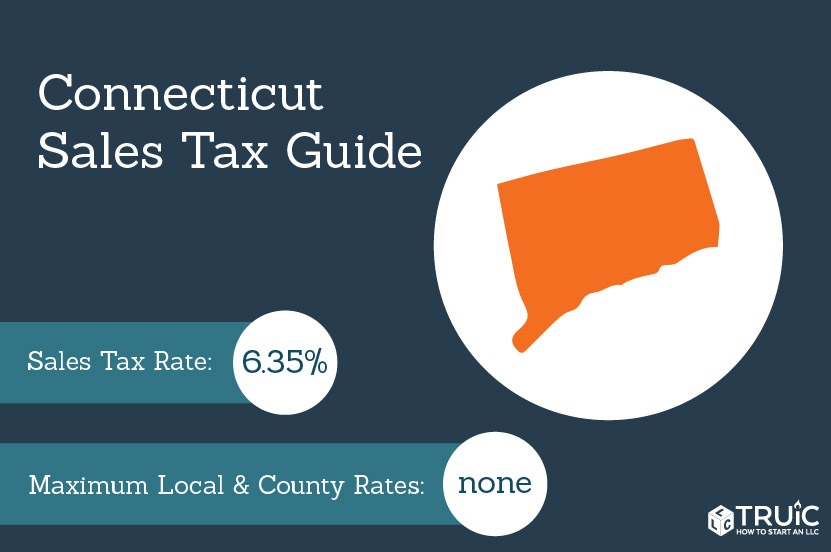
For travelers, this means that most of your purchases – from souvenirs to clothing, electronics, and many prepared food items – will have an additional 6.35% added to the sticker price. When planning your budget, it’s essential to factor in this percentage to avoid any surprises. For instance, a seemingly inexpensive memento or a quick lunch can accumulate quickly, especially when you consider the cumulative effect across multiple transactions. Understanding this baseline percentage is the first step in smart financial management for any lifestyle traveler visiting Connecticut.
Exemptions and Special Considerations for Visitors
While the 6.35% rate is the standard, Connecticut does offer specific exemptions that can be beneficial for travelers, particularly those on a budget or managing family trip expenses. Being aware of these exceptions can help you make more informed purchasing decisions and potentially save money.
One of the most significant exemptions is for food products for home consumption. This generally includes most groceries purchased from supermarkets or grocery stores. For a family trip, stocking up on snacks, breakfast items, or ingredients for a picnic can be a cost-effective strategy, as these purchases are typically exempt from sales tax. However, it’s crucial to distinguish this from prepared foods or meals purchased in restaurants, which are generally subject to sales tax.
Another notable exemption applies to clothing and footwear that costs less than $50. If an item of clothing or a pair of shoes has a sales price of $50 or more, the entire purchase price is subject to sales tax. This “under $50” exemption can be particularly useful for budget travelers looking for small apparel items or for families purchasing multiple pieces of clothing for children without incurring additional tax on each item. Keep this threshold in mind when browsing the boutiques in places like Greenwich or the outlet malls along the coast.
Other common exemptions include:
- Prescription medications: Essential for any traveler, these are tax-exempt.
- Services: Many services are exempt from sales tax, though specific service industries, such as certain repair services or telecommunication services, may be subject to it. Generally, professional services like medical care, legal services, or educational services are not taxed.
- Newspapers and magazines: Often exempt, which can be a small saving for those who enjoy catching up on local news or leisure reading.
For business travelers, understanding these exemptions can be critical for accurate expense reporting. Knowing which purchases are subject to tax and which are not streamlines the reconciliation process and ensures compliance with company policies.
Budgeting for Sales Tax in Your Connecticut Travel
Integrating sales tax into your travel budget is a cornerstone of responsible financial planning, regardless of your travel style. It helps prevent overspending and ensures you have an accurate picture of your expenditures.
For the Budget-Conscious Traveler
For those meticulously tracking every dollar, the 6.35% sales tax can quickly add up. Here are some strategies to factor it into your budget:
- Factor in “all-in” prices: When browsing menus or price tags, always mentally add the 6.35% to get the true cost. If a meal is advertised at $15, expect to pay closer to $16 with tax.
- Utilize grocery exemptions: As mentioned, buying groceries for basic meals or snacks is tax-exempt. Opting for a picnic lunch instead of a restaurant meal, or preparing your own breakfast if your accommodation allows, can lead to significant savings.
- Shop smart for clothing: If you’re planning to buy apparel, be mindful of the $50 threshold. Multiple smaller purchases under $50 can be tax-free, whereas one item over that price will be fully taxed.
- Allocate a “tax buffer”: Include a small buffer in your daily spending budget specifically for sales tax. This ensures you’re not dipping into funds allocated for other activities.
For Family Trips and Business Stays

The impact of sales tax is amplified when dealing with larger groups or corporate expenses.
- Family Trips: For a family of four, dining out or purchasing souvenirs can quickly rack up substantial sales tax. A $100 dinner bill becomes $106.35, and if you do this several times, the added cost is noticeable. Pre-calculating this into your daily meal and activity budget is essential for avoiding unexpected overages.
- Business Stays: For business travelers, accurate expense reporting is paramount. Every receipt needs to reflect the correct tax application. Companies often have specific guidelines for what expenses are reimbursable and how taxes should be handled. Knowing Connecticut’s sales tax rules helps ensure that expense reports are filled out correctly, preventing delays or discrepancies in reimbursement. Furthermore, if you are hosting clients or colleagues, understanding the total cost including tax ensures that your spending aligns with corporate budgets.
Navigating Sales Tax on Specific Purchases
Different types of purchases will have varying sales tax implications, which is important for any traveler to grasp.
Dining Out and Prepared Foods
This is often where travelers encounter sales tax most frequently. In Connecticut, restaurant meals and prepared foods are generally subject to the 6.35% sales tax. This includes meals at full-service restaurants, fast food establishments, cafes, and deli items intended for immediate consumption. Even a coffee from a drive-thru or a pastry from a bakery will likely include sales tax.
For luxury travelers, this may be a minor consideration, but for budget travelers, it necessitates careful planning. A daily coffee and breakfast pastry could add several dollars in tax over a week-long trip. When calculating the total cost of dining, remember to add both the sales tax and any gratuity you plan to leave, as tipping practices in the United States are often based on the pre-tax total.
Retail Therapy and Souvenirs
Whether you’re exploring the charming shops of Mystic, browsing art galleries in Kent, or picking up a memento from a site like the Mark Twain House & Museum in Hartford, retail purchases will almost always incur sales tax. This applies to:
- Souvenirs: T-shirts (if over $50), keychains, magnets, local crafts, and specialty food items not for home consumption.
- Clothing and Accessories: Remember the $50 exemption for clothing and footwear. Purses, jewelry, and other accessories are generally fully taxed regardless of price.
- Books and Media: Unless purchased by specific educational institutions, books, CDs, and other media are subject to sales tax.
- Electronics: Any electronics purchased, from phone chargers to cameras, will have the 6.35% added.
For those planning to make significant retail purchases, understanding this tax is crucial for managing your overall travel expenditure. It’s often a good practice to set a separate budget for shopping that explicitly includes the anticipated sales tax.
Beyond Sales Tax: Other Taxes to Be Aware Of
While general sales tax is a primary consideration, travelers to Connecticut should also be aware of other potential taxes that can impact their budget, particularly those related to accommodation and transportation.
Hotel Occupancy Tax
For any type of traveler requiring overnight stays, the hotel occupancy tax (also known as a lodging tax or transient guest tax) is an important consideration. In Connecticut, this tax is typically 15% of the room rate. This is separate from the general sales tax and is levied specifically on the rental of hotel rooms, motel rooms, and similar short-term accommodations.
This tax significantly impacts budget travelers and those on extended stays, as it can add a substantial amount to the total cost of lodging. For a business traveler whose company policy limits daily accommodation expenses, a 15% occupancy tax could push them over budget if not factored in from the start. For luxury travelers booking high-end suites in New Haven or Stamford, this tax will represent a considerable addition to their bill. Always check the final price of your accommodation, which should include all applicable taxes, before booking.
Rental Car Taxes
If you plan to rent a vehicle to explore Connecticut’s scenic routes or commute between business meetings, be aware that additional taxes and fees may apply to rental cars. These can vary and often include a general sales tax on the rental fee, along with other surcharges or fees specific to vehicle rentals. It’s always advisable to get a full breakdown of costs from the rental agency, including all taxes and fees, to ensure there are no surprises when you pick up or return the vehicle.
In conclusion, a clear understanding of Connecticut’s 6.35% sales tax, its exemptions, and other related travel taxes is indispensable for any traveler. By incorporating these figures into your travel budget and being mindful of how they apply to your purchases, you can enjoy your Connecticut experience with greater financial confidence and peace of mind, whether you’re traveling for leisure, family fun, or business.
LifeOutOfTheBox is a participant in the Amazon Services LLC Associates Program, an affiliate advertising program designed to provide a means for sites to earn advertising fees by advertising and linking to Amazon.com. Amazon, the Amazon logo, AmazonSupply, and the AmazonSupply logo are trademarks of Amazon.com, Inc. or its affiliates. As an Amazon Associate we earn affiliate commissions from qualifying purchases.