
The question “How far is North Dakota?” is more than a simple query about mileage; it’s an invitation to explore the vast expanse of the American Midwest and the journey required to reach its unique landscapes. Often perceived as a distant and sparsely populated state, North Dakota offers a compelling travel experience for those willing to venture off the beaten path. Understanding its geographical position, typical travel distances, and various modes of transportation is crucial for planning an enriching trip to this captivating part of the United States.
North Dakota’s Place on the Map: A Gateway to the Great Plains
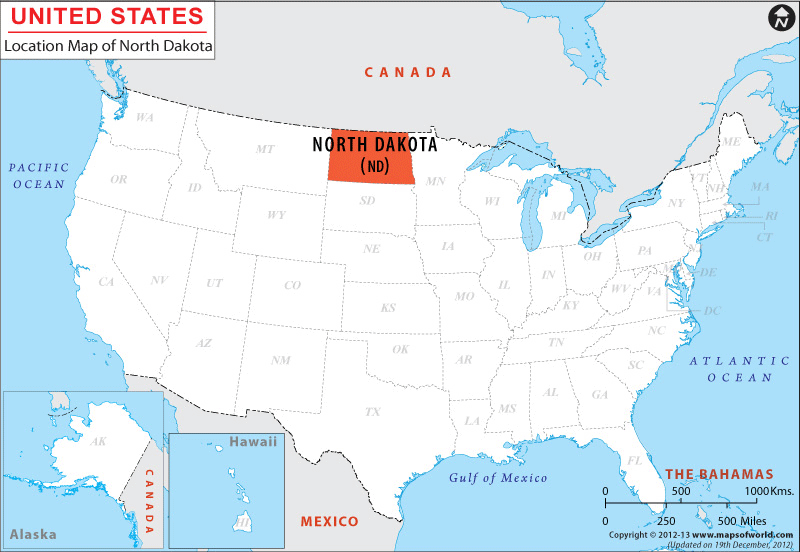
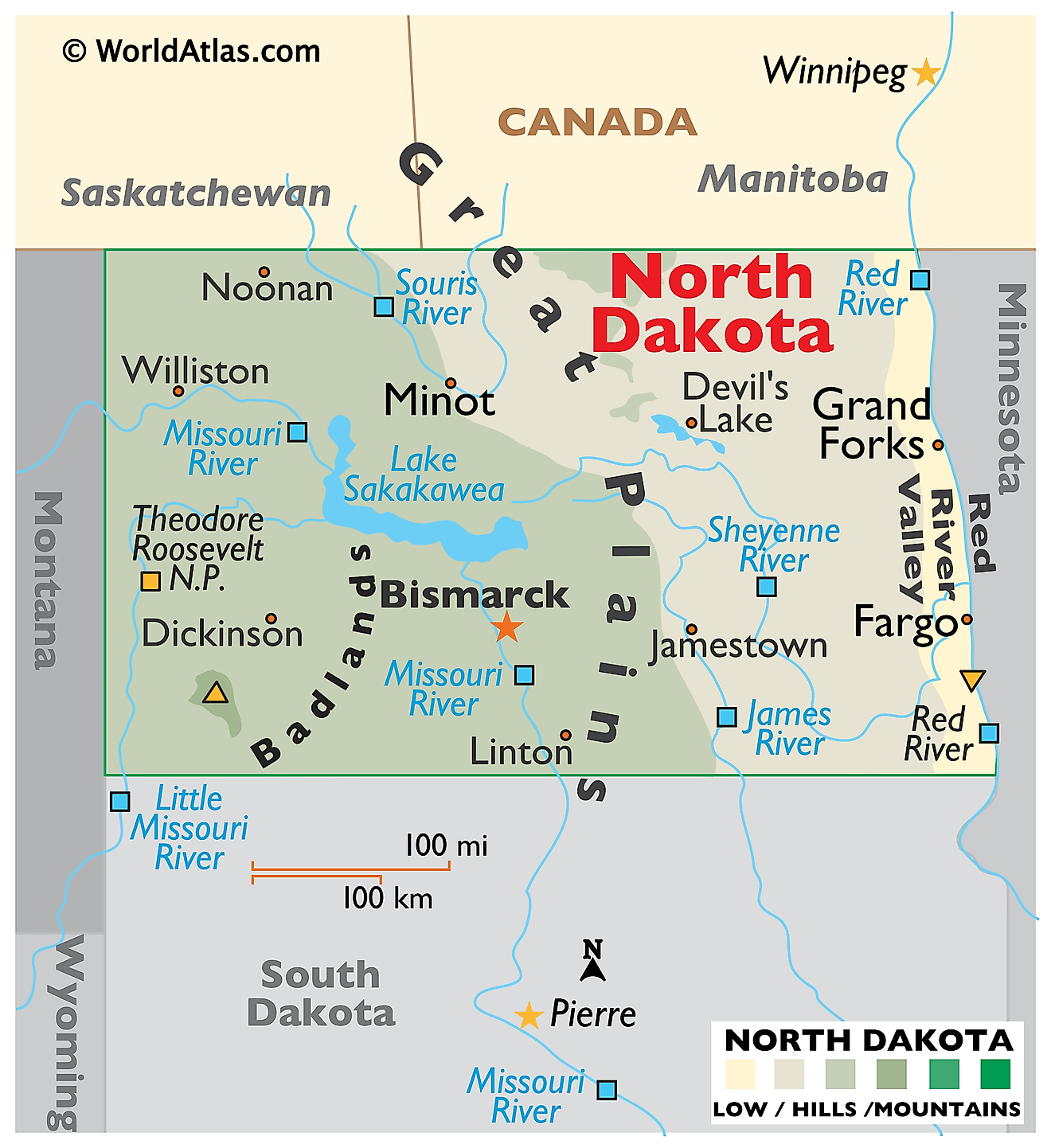
North Dakota holds a distinctive position in the north-central United States, squarely within the Great Plains region. It is bordered by Canada to the north, Minnesota to the east, South Dakota to the south, and Montana to the west. This geographical placement inherently defines its distance from major population centers and dictates the nature of travel to and within the state.

The state’s immense size, ranking 19th largest by area in the United States, means that “how far” can also refer to distances within North Dakota itself. From the fertile Red River Valley in the east to the rugged Badlands in the west, traversing the state can involve significant driving. For instance, the drive from Fargo, the state’s largest city, to Medora, the gateway to Theodore Roosevelt National Park, spans over 300 miles, taking approximately 4.5 to 5 hours by car. This internal vastness means travelers must account for considerable distances even after reaching the state’s borders.
Understanding Travel Distances to the Peace Garden State
The “how far” question truly comes into play when considering travel from other parts of the continent. North Dakota’s relative remoteness from coastal metropolitan areas contributes to the perception of it being a far-flung destination.
From Major U.S. Hubs
Travel distances vary dramatically depending on the origin point. For travelers from the East Coast or West Coast, reaching North Dakota typically involves a multi-day drive or a connecting flight.
- From New York City: A journey of approximately 1,500 to 1,700 miles, translating to roughly 24-28 hours of continuous driving. This would typically require at least two days on the road with an overnight stop. Flights, while significantly faster at around 4-6 hours, usually involve at least one layover, often in Chicago or Minneapolis.
- From Los Angeles: This cross-country trek is even longer, around 1,600 to 1,800 miles, taking 25-30 hours of driving. Again, a two-day drive is recommended. Direct flights are rare, with most itineraries involving a connection, bringing total travel time to 6-9 hours.
- From Chicago: Being closer within the Midwest, the distance is manageable for a long day’s drive. It’s approximately 750-800 miles, taking 11-13 hours. Flights from Chicago to Fargo or Bismarck are often direct and take about 2 hours.
- From Denver: Denver sits roughly 700-800 miles southwest of North Dakota, making for a 10-12 hour drive. Flights are typically 1.5-2 hours.
- From Minneapolis: As a neighboring state, Minnesota offers the shortest significant distances. Minneapolis is approximately 220-250 miles from Fargo, a relatively easy 3.5-4 hour drive. Direct flights are very short, often less than an hour.
The Canadian Connection
North Dakota’s northern border with Canada also means it’s a convenient destination for Canadian travelers. From Winnipeg, Manitoba, Grand Forks is only about 140 miles away, a quick 2.5-hour drive. Even Regina, Saskatchewan is within a reasonable driving distance of western North Dakota, around 200 miles to Minot.
Factors Influencing Travel Time
Beyond raw mileage, several factors influence the actual travel time to North Dakota.
- Weather Conditions: North Dakota is known for its harsh winters. Heavy snow, ice, and blizzards can significantly delay or even halt road travel. Even in other seasons, severe thunderstorms can impact driving. Always check forecasts before and during your trip.
- Road Conditions and Traffic: While highways within North Dakota are generally free of heavy traffic, approaching major metropolitan areas like Minneapolis or Chicago will inevitably involve traffic congestion.
- Flight Connections: The number and duration of layovers for air travel can drastically extend the overall journey. Direct flights are less common for many destinations outside of Minneapolis or Denver.
Getting There: Modes of Transportation
While the distances may seem considerable, various transportation options make reaching North Dakota feasible for any traveler.
By Air
Flying is the fastest way to cover long distances to North Dakota. The state has several commercial airports that serve as gateways:
- Hector International Airport (FAR) in Fargo: The busiest airport, offering connections to major hubs like Minneapolis-St. Paul, Chicago O’Hare, Denver, and Dallas/Fort Worth.
- Bismarck Municipal Airport (BIS) in Bismarck: The state capital’s airport, with similar connections, often serving as a convenient entry point for exploring the central and western parts of the state.
- Minot International Airport (MOT) in Minot: Serves the north-central region, also connecting to Minneapolis and Denver.
- Grand Forks International Airport (GFK) in Grand Forks: A smaller airport, primarily serving Minneapolis-St. Paul and Chicago.
Booking flights well in advance, especially during peak seasons or major events, is advisable to secure the best fares and itineraries.
By Road
For many, a road trip to North Dakota is an essential part of the experience. The state is crisscrossed by well-maintained highways, including two major interstates:
- Interstate 94 (I-94): Runs east-west through the southern half of the state, connecting Fargo, Bismarck, and eventually leading to Montana and the Pacific Northwest. This route offers access to the Badlands and Theodore Roosevelt National Park.
- Interstate 29 (I-29): Runs north-south along the eastern border, connecting Fargo and Grand Forks with South Dakota and further south.
Driving offers the flexibility to explore at your own pace, stopping at charming small towns, roadside attractions, and scenic overlooks. Ensure your vehicle is in good condition, especially if traveling during winter, and carry an emergency kit. With vast stretches between towns, particularly in western North Dakota, planning fuel stops is essential.
By Rail
For a more leisurely and scenic journey, Amtrak’s Empire Builder route traverses North Dakota. This legendary train journey connects Chicago to the Pacific Northwest, with several stops across the state:
- Fargo
- Grand Forks
- Devils Lake
- Rugby
- Minot
- Stanley
- Williston
Traveling by train allows you to relax and enjoy the changing landscapes, from the rolling prairies to the dramatic formations of the Badlands, without the stress of driving. It’s a unique way to experience the vastness of the Midwest.
Exploring North Dakota: What to Expect Upon Arrival
Once you’ve navigated the distances and arrived in North Dakota, a world of distinctive travel experiences awaits. The state, often overlooked, offers a peaceful retreat with rich history, stunning natural beauty, and genuine Midwestern hospitality.
Diverse Landscapes and Natural Wonders
The geographical “farness” of North Dakota contributes to its preserved natural environments.
- The Badlands: Located in the western part of the state, the Badlands are a spectacle of rugged, eroded buttes, colorful strata, and deep canyons. This area is the centerpiece of Theodore Roosevelt National Park, where visitors can drive scenic loops, hike extensive trails like the Maah Daah Hey Trail, and spot wildlife such as bison, wild horses, and prairie dogs. The park is split into three units: the South Unit near Medora, the North Unit near Watford City, and the remote Elkhorn Ranch Unit.
- Missouri River: This historic waterway carves its way through the state, offering opportunities for boating, fishing, and camping. The river played a critical role in the Lewis and Clark Expedition, and its banks are dotted with historical sites.
- Eastern Prairies and Lakes: The eastern side of North Dakota is characterized by fertile farmland and numerous lakes, including Devils Lake, the largest natural lake in North Dakota, known for its fishing.
Historical and Cultural Gems
Beyond its natural beauty, North Dakota is steeped in history and offers unique cultural insights.
- Fort Abraham Lincoln State Park near Mandan: Home to the reconstructed On-A-Slant Indian Village and the remains of Fort Abraham Lincoln, where George A. Custer was stationed.
- National Buffalo Museum in Jamestown: Discover the history and significance of the American bison and see the “World’s Largest Buffalo.”
- Scandinavian Heritage: Many towns, particularly in the north-central region, celebrate their strong Scandinavian roots. Minot, for example, hosts the annual Norsk Høstfest, one of the largest Scandinavian festivals in North America.
Ultimately, “How far is North Dakota?” is a question that reveals the intention of a traveler seeking an authentic and often uncrowded experience. While it may require a significant journey for many, the diverse landscapes, rich history, and welcoming communities make the distance well worth traveling for those looking for a distinctive American adventure.
LifeOutOfTheBox is a participant in the Amazon Services LLC Associates Program, an affiliate advertising program designed to provide a means for sites to earn advertising fees by advertising and linking to Amazon.com. Amazon, the Amazon logo, AmazonSupply, and the AmazonSupply logo are trademarks of Amazon.com, Inc. or its affiliates. As an Amazon Associate we earn affiliate commissions from qualifying purchases.