
Understanding the administrative and geographical divisions of any destination is a crucial first step for the discerning traveler. For those considering an adventure through the sprawling plains and vibrant communities of North Dakota, a fundamental question arises: how is this magnificent state organized? The answer is that North Dakota is divided into 53 counties, each presenting its own unique character, history, and array of attractions. These divisions are more than just lines on a map; they are the frameworks that guide exploration, revealing distinct regional cultures, natural wonders, and opportunities for unforgettable travel experiences.
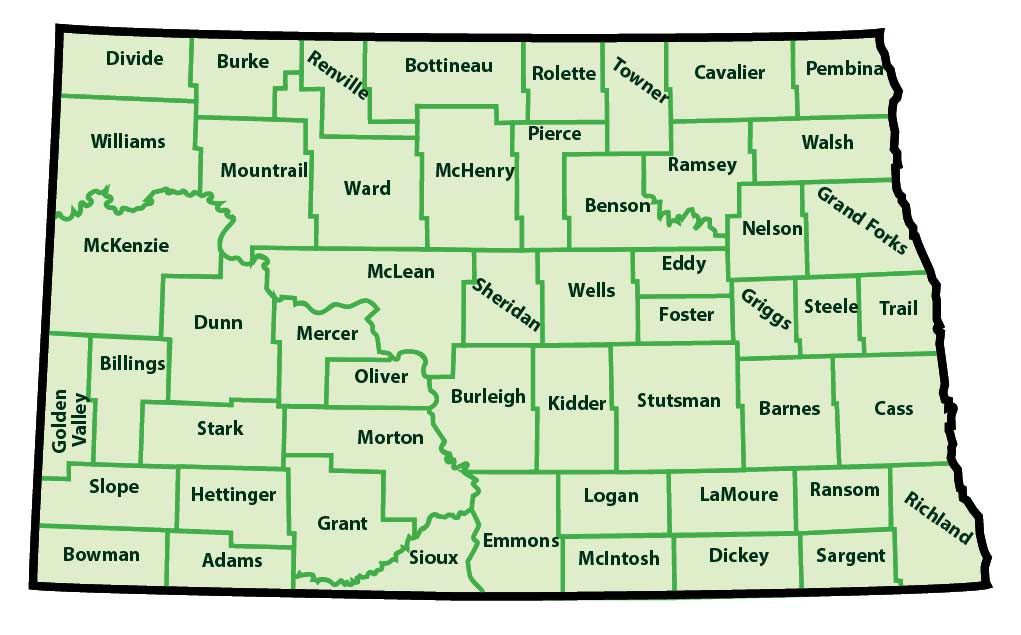
The Geographic Tapestry of North Dakota for Travelers
North Dakota, often celebrated for its wide-open spaces and breathtaking natural beauty, offers a diverse landscape that transitions from the rugged Badlands in the west to the fertile Red River Valley in the east. Each of the 53 counties contributes a unique thread to this rich tapestry, providing travelers with a segmented yet holistic view of the state’s offerings. Knowing the county structure is invaluable for planning itineraries, understanding local nuances, and pinpointing specific attractions, whether you’re seeking the tranquility of a lakeside retreat, the historical depth of a frontier town, or the vibrant pulse of an urban center. These counties are the building blocks of any comprehensive North Dakota travel guide, allowing visitors to delve deeper than surface-level observations into the true essence of each region.
Exploring North Dakota Through Its County Divisions
The division into 53 counties allows for a detailed exploration of North Dakota’s varied landscapes and cultural hotspots. Each county often serves as a microcosm of the state’s larger appeal, featuring unique points of interest, local events, and a distinct sense of place. From the dramatic vistas shaped by ancient rivers to the meticulously cultivated farmlands, understanding where these counties lie helps travelers tailor their journeys to specific interests.
The Rugged Beauty of Western Counties
The westernmost counties of North Dakota are synonymous with dramatic geological formations, vast grasslands, and a rich history tied to the American frontier. This region offers unparalleled opportunities for outdoor adventures and a glimpse into the untamed beauty of the Badlands.
For instance, Billings County is home to the stunning South Unit of Theodore Roosevelt National Park, where visitors can explore scenic drives, hiking trails, and abundant wildlife viewing opportunities amidst the colorful Painted Canyon. The charming town of Medora within this county provides a quintessential western experience, complete with historical reenactments and the renowned Medora Musical.
Adjacent to Billings is McKenzie County, which encompasses the more remote North Unit of Theodore Roosevelt National Park and significant portions of the Little Missouri National Grassland. Here, travelers can discover the dramatic Oxbow Overlook and experience a deeper solitude that defines much of the state’s wilderness. Further east, Stark County serves as a gateway to this region, with its county seat, Dickinson, offering museums, cultural centers, and services for travelers heading into the Badlands.
Central Plains and Capital Charms
Moving towards the heart of North Dakota, the central counties present a blend of agricultural landscapes, significant historical sites, and the state’s political center. This area is rich in pioneer history and offers a more serene, pastoral travel experience.
Burleigh County is notable as the location of Bismarck, the state capital. Here, visitors can explore the impressive State Capitol building, delve into the state’s past at the North Dakota Heritage Center & State Museum, and enjoy the scenic beauty along the Missouri River. Directly across the river, Morton County complements the capital area with its own historical sites and recreational opportunities.
Further north, Ward County is home to Minot, often called “The Magic City.” Minot offers unique attractions like the Scandinavian Heritage Park and hosts the annual Norsk Høstfest, one of the largest Scandinavian festivals in North America. The presence of Minot Air Force Base also adds a significant dimension to the city’s character.
Eastern Gateways and Urban Hubs
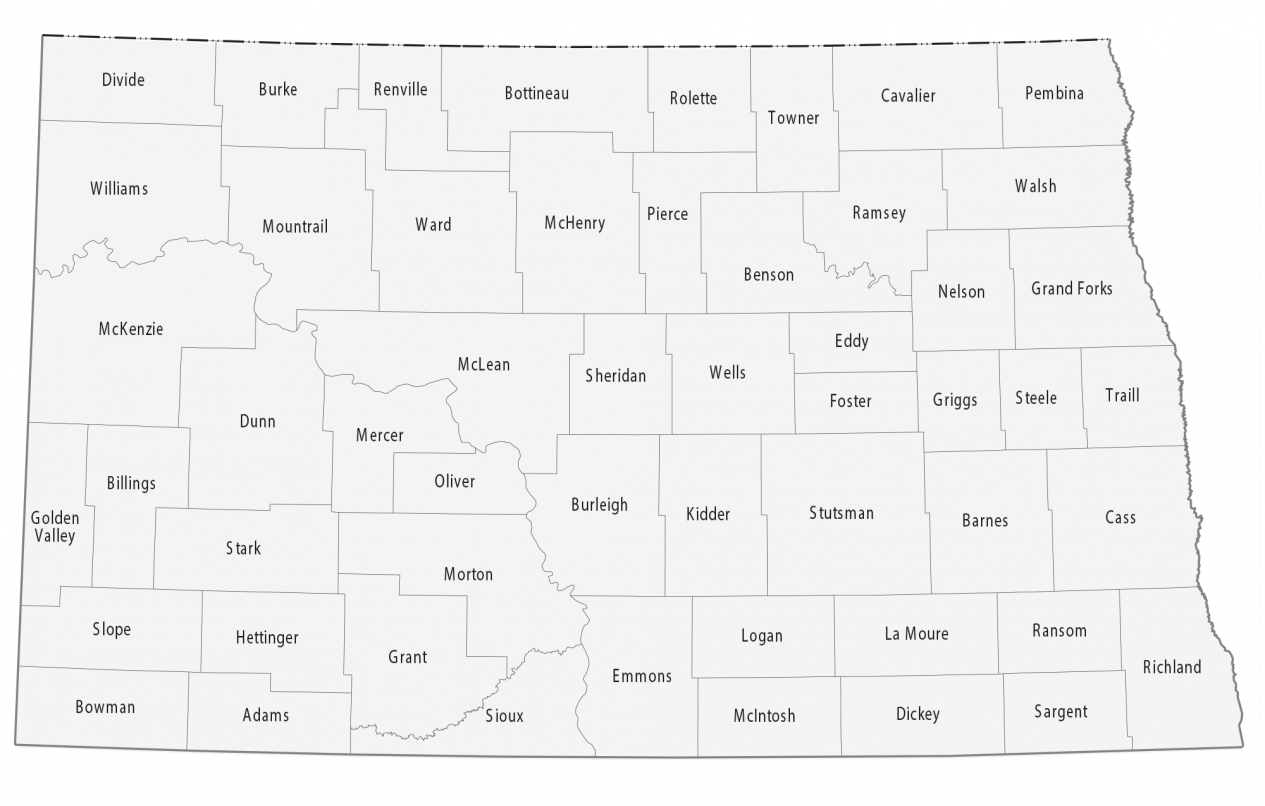
The eastern counties of North Dakota, primarily situated within the fertile Red River Valley, are characterized by their rich agricultural output and serve as major urban centers and educational hubs. These counties provide a different flavor of North Dakota, with vibrant college towns and a strong sense of community.
Cass County is home to Fargo, the largest city in North Dakota. Fargo is a dynamic hub for arts, culture, and commerce, boasting attractions like the Fargo Air Museum, diverse culinary experiences, and the bustling campus of North Dakota State University. Its vibrant downtown area offers a mix of shops, restaurants, and entertainment venues.
North of Cass County, Grand Forks County hosts the city of Grand Forks, another significant urban center located directly on the Red River. Grand Forks is home to the University of North Dakota, contributing to a lively college atmosphere. Attractions include the North Dakota Museum of Art and the scenic Greenway along the river. Traveling through counties like Walsh County in this region reveals picturesque small towns and expansive agricultural vistas, showcasing the state’s crucial role in national food production.
Northern Frontiers and Lake Country
Along North Dakota’s border with Canada, a collection of northern counties offers serene lake country, rolling hills, and unique cross-cultural experiences. This region is ideal for those seeking quieter natural escapes and outdoor recreation.
Bottineau County, known as the “Gateway to the Turtle Mountains,” provides access to the beautiful Turtle Mountain Scenic Byway and numerous lakes perfect for fishing and boating. The region’s gentle hills and forests offer a striking contrast to the flatter plains found elsewhere.
Neighboring Rolette County is home to Lake Metigoshe State Park, a popular destination for camping, hiking, and water sports. These northern counties often provide a peaceful retreat, away from the hustle and bustle, allowing travelers to immerse themselves in nature and discover charming, close-knit communities.
Planning Your North Dakota Journey by County
Understanding North Dakota’s 53 counties is more than a geographical exercise; it’s a strategic advantage for travelers. This knowledge empowers visitors to craft more focused and efficient itineraries, ensuring they capture the essence of what they truly wish to experience.
Route Planning: By mapping out destinations within specific counties or planning routes that traverse a sequence of counties, travelers can logically connect attractions. For example, a historical journey might follow segments of the Lewis & Clark Trail, which winds through multiple central and western counties, highlighting sites relevant to their expedition. Conversely, an agricultural tour could focus on the rich farmlands of the eastern counties, perhaps tracing the Red River Valley Scenic Byway.
Discovering Hidden Gems: The county structure encourages exploration beyond major cities. Many of North Dakota’s most charming small towns, local festivals, and unique roadside attractions are situated within specific counties, offering an authentic glimpse into local life. Researching individual county tourism boards or local chambers of commerce can unearth these less-traveled, rewarding experiences.
Seasonal Considerations: Different counties offer distinct experiences depending on the season. The western Badlands counties are spectacular in spring and fall, while the northern lake counties truly shine in the summer for water activities. Knowing which counties offer what during specific times of the year allows for optimal trip planning. A winter sports enthusiast might target counties with accessible snowmobile trails or ice fishing lakes, whereas a nature photographer might prioritize counties known for their migratory bird flyways during spring or autumn.

The Unique Character of Each North Dakota County
Ultimately, the fact that there are 53 counties in North Dakota underscores the state’s profound diversity and rich character. Each county, no matter its size or population, contributes a distinct flavor to the overall travel experience. From the pioneering spirit evident in its historical markers to the breathtaking natural vistas that invite contemplation, every segment of North Dakota offers something unique.
Exploring North Dakota county by county is a rewarding endeavor. It means discovering the particular narratives woven into the landscape of Mercer County (known for its power plants and mining history), experiencing the tranquil beauty of Ramsey County with Devils Lake, or embracing the wide-open prairie of Divide County in the northwest. This granular approach to travel allows for a deeper appreciation of the local culture, the varied geology, and the warm hospitality found across the state. Whether you’re a history buff, an outdoor adventurer, or simply seeking a peaceful retreat, North Dakota’s 53 counties await your discovery, each promising a distinct and memorable chapter in your travel story.
LifeOutOfTheBox is a participant in the Amazon Services LLC Associates Program, an affiliate advertising program designed to provide a means for sites to earn advertising fees by advertising and linking to Amazon.com. Amazon, the Amazon logo, AmazonSupply, and the AmazonSupply logo are trademarks of Amazon.com, Inc. or its affiliates. As an Amazon Associate we earn affiliate commissions from qualifying purchases.