
Embracing Civic Engagement as Part of the North Dakota Lifestyle
The decision to make North Dakota your home, whether for a season or a lifetime, often comes with an appreciation for its unique blend of prairie vastness, robust communities, and a strong sense of local identity. Integrating into the North Dakota lifestyle means more than just enjoying its scenic beauty or participating in its outdoor activities; it involves becoming an active member of its communities. Central to this integration is civic engagement, with voting standing as a cornerstone of participation. Understanding “how to vote in North Dakota” is not merely a procedural matter but a vital step in shaping the environment, policies, and future of the place you now call home.
The Spirit of Community and Participation
North Dakota is renowned for its tight-knit communities, where neighbors often know each other, and local decisions have a tangible impact on daily life. This strong sense of community fosters an environment where civic participation is not just a right but often seen as a shared responsibility. Engaging in the electoral process, from local school board elections to state and federal contests, allows residents to directly influence the quality of their schools, the maintenance of their infrastructure, the availability of public services, and the economic trajectory of their towns and cities.
For those adopting the North Dakota lifestyle, participating in elections is a powerful way to assert their voice, align local governance with their values, and contribute to the collective well-being. It is through these acts of informed participation that the unique fabric of North Dakota is continuously woven, reflecting the aspirations and needs of its diverse population. From the thriving urban centers of Fargo and Bismarck to the quaint rural towns, every vote plays a role in defining the local experience.
Establishing Residency for Voting: A Key Step to Local Integration
Before you can cast a ballot in North Dakota, establishing residency is a foundational step. This process is not just a legal formality but symbolizes a commitment to the state and its communities, officially marking your transition from visitor to engaged citizen.
Defining Your North Dakota Home
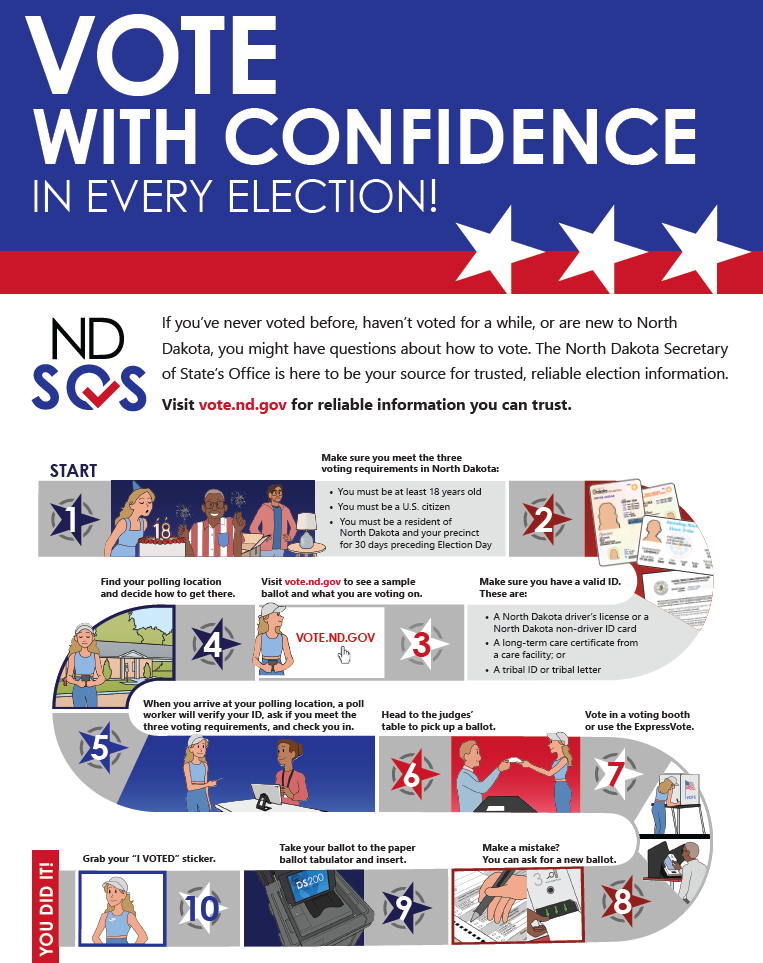
North Dakota law requires a voter to be a resident of the state for at least 30 days immediately preceding an election. More importantly, you must be a resident of the precinct in which you offer to vote. While specific documentation may be requested at the polls, the underlying principle is demonstrating an intent to make North Dakota your primary and permanent home. This involves more than just physical presence; it’s about establishing ties, whether through employment, housing, or other indicators of permanent settlement.
For new residents embracing the North Dakota lifestyle, common ways to prove residency include:
- A valid North Dakota driver’s license or North Dakota ID card with your current residential address.
- A current utility bill (electric, gas, water, landline telephone, cable, or internet) with your name and current address.
- A current bank statement, paycheck, or government document with your name and current address.
- A valid student ID card and a document showing your current residential address (if you are a student).
- A tribal identification card.
These documents are crucial for voter verification and ensure that only eligible residents participate in the electoral process, preserving the integrity of local elections. Having these items readily available when you go to vote streamlines the process and confirms your status as a contributing member of the North Dakota community.
Registering to Vote: Your Gateway to Participation
Unlike many states, North Dakota does not have a formal voter registration deadline before an election. This unique feature reflects a commitment to making voting accessible, especially for those who might be settling into a new lifestyle or have busy schedules. In North Dakota, you can register and vote on the same day at your designated polling place.
To register at the polls, you will need to present a valid form of identification that confirms your identity and current residential address. As mentioned, a North Dakota driver’s license or non-driver ID card with your current address is generally sufficient. If your ID does not have your current address, you will need to bring a supplemental document from the list above (like a utility bill or bank statement) to prove your residential address.
This same-day registration capability is a key aspect of the North Dakota approach to civic participation, offering flexibility for citizens to engage without extensive advance planning. It emphasizes that becoming part of the local lifestyle means having an immediate opportunity to shape its future.
Navigating the Electoral Landscape: Choices for the Engaged Citizen

Understanding the various types of elections and available voting methods is essential for any engaged citizen in North Dakota. This knowledge empowers you to participate effectively, ensuring your voice is heard on issues that directly impact your lifestyle and community.
Understanding Election Types and Cycles
The electoral calendar in North Dakota is typically punctuated by several key election types, each serving a distinct purpose:
- Primary Elections: Held earlier in the year, primary elections determine which candidates will represent their respective parties in the general election. These contests are crucial as they narrow down the field, allowing voters to select the individuals who best embody their values and vision for the state’s future. Participation in primary elections is particularly important for those who wish to influence the direction of their preferred political parties and ensure strong candidates advance to the general election.
- General Elections: These are the most widely recognized elections, typically held in November of even-numbered years. General elections feature candidates from various parties (or independents) vying for federal offices (President, U.S. Senate, U.S. House of Representatives), state offices (Governor, Lieutenant Governor, Attorney General, Secretary of State, etc.), and legislative seats. They also often include ballot measures, referendums, or constitutional amendments that directly affect state laws and the daily lives of residents.
- Local Elections: Often held at different times from state and federal elections, local elections for positions like city council members, school board members, park board officials, and county commissioners are arguably the most impactful on your immediate lifestyle. Decisions made at the local level directly influence property taxes, school quality, local infrastructure, public safety, and community services. Active participation in these elections ensures that local leadership reflects the needs and desires of the community members they serve.
Keeping abreast of these election cycles is a vital aspect of maintaining an engaged lifestyle in North Dakota. Local news outlets, official government websites, and community bulletins are excellent resources for staying informed about upcoming elections and the issues at stake.
Methods of Voting: Convenience and Accessibility
North Dakota offers several convenient options for casting your ballot, catering to diverse lifestyles and preferences, all designed to ensure that every eligible resident can participate:
- In-Person Voting on Election Day: This is the traditional method, where you visit your assigned polling place on Election Day. Polling places are typically community centers, schools, or public buildings. Voting in person offers a tangible connection to the civic process and allows you to experience the community aspect of elections firsthand. Polls are open from 7 AM to 7 PM in North Dakota. Remember to bring your valid ID with proof of residency for same-day registration if needed.
- Absentee Voting: For those whose lifestyle might involve travel, work commitments, or other reasons preventing them from voting in person on Election Day, absentee voting provides a flexible alternative. Any qualified voter can request an absentee ballot without needing a specific reason. You can request an absentee ballot application from your county auditor or download it from the North Dakota Secretary of State‘s website. Once completed, the ballot is mailed to you, allowing you to vote from home and return it by mail or in person to the county auditor’s office by the election deadline. This method is particularly useful for students, seasonal workers, or anyone who values the convenience of voting on their own schedule.
- Early In-Person Voting: Many counties in North Dakota offer early in-person voting, typically at the county auditor’s office or designated early voting centers, in the weeks leading up to Election Day. This option provides added flexibility for voters with busy schedules, allowing them to cast their ballot at a time that suits them best, avoiding potential lines on Election Day. Check with your county auditor for specific dates and locations for early voting in your area.
These various voting methods underscore North Dakota’s commitment to an inclusive civic lifestyle, ensuring that every resident has the opportunity to make their voice heard, regardless of their personal circumstances.
The Impact of Your Vote: Shaping the North Dakota You Live In
Casting a ballot in North Dakota is more than just a momentary action; it’s an investment in the state’s future and a direct contribution to the quality of the lifestyle you experience. The cumulative effect of individual votes shapes everything from public policy to community character.
Beyond the Ballot Box: Continuous Engagement
While voting is a powerful act, it represents one facet of a comprehensive civic lifestyle. For those truly committed to integrating into their North Dakota community, continuous engagement extends beyond Election Day. This includes staying informed about local issues through news and community forums, attending town hall meetings, joining local advocacy groups, or simply engaging in thoughtful discussions with neighbors about community needs. An active civic lifestyle means being present, informed, and vocal year-round, not just when an election draws near.
An informed vote contributes significantly to the quality of life in North Dakota. It influences decisions related to environmental protection, agricultural policies that are vital to the state’s economy, the development of recreational spaces, and the cultural initiatives that enrich local communities. By participating, you help ensure that the unique values and priorities of North Dakota are reflected in its governance.

Resources for Informed Decisions
Making an informed decision when you vote is paramount to an effective civic lifestyle. Several resources are available to help you understand the candidates, issues, and ballot measures:
- North Dakota Secretary of State’s Website: This is the official source for all election-related information, including candidate lists, ballot measures, polling place lookups, and voter eligibility requirements.
- Local News Outlets: Newspapers, television, and radio stations in North Dakota provide in-depth coverage of local and state elections, candidate profiles, and discussions on key issues.
- Candidate and Party Websites: Most candidates and political parties maintain websites outlining their platforms, policy positions, and vision for [North Dakota](https://lifeoutofthebox.com/north-dakota].
- Non-Partisan Voter Guides: Organizations often publish non-partisan voter guides that summarize candidate stances and ballot measure details, helping you compare options objectively.
By utilizing these resources, you can ensure that your vote reflects a well-considered decision, aligning with your personal lifestyle choices and your vision for the community and state you call home. Voting in North Dakota is a simple yet profound way to truly embrace and contribute to the vibrant lifestyle of this remarkable state.
LifeOutOfTheBox is a participant in the Amazon Services LLC Associates Program, an affiliate advertising program designed to provide a means for sites to earn advertising fees by advertising and linking to Amazon.com. Amazon, the Amazon logo, AmazonSupply, and the AmazonSupply logo are trademarks of Amazon.com, Inc. or its affiliates. As an Amazon Associate we earn affiliate commissions from qualifying purchases.