
The simple answer to whether Dakota is a state is no, not as a single entity. The name “Dakota” refers to a historical territory that, in 1889, was divided into two distinct and vibrant states: North Dakota and South Dakota. While sharing a common past and a profound natural beauty, these two states offer unique travel experiences, each beckoning adventurers with their own blend of history, culture, and stunning landscapes. For any traveler pondering a journey to this heartland of America, understanding the individual character of each Dakota is key to unlocking an unforgettable adventure.

Unpacking the Dakota Identity: Two Distinct States
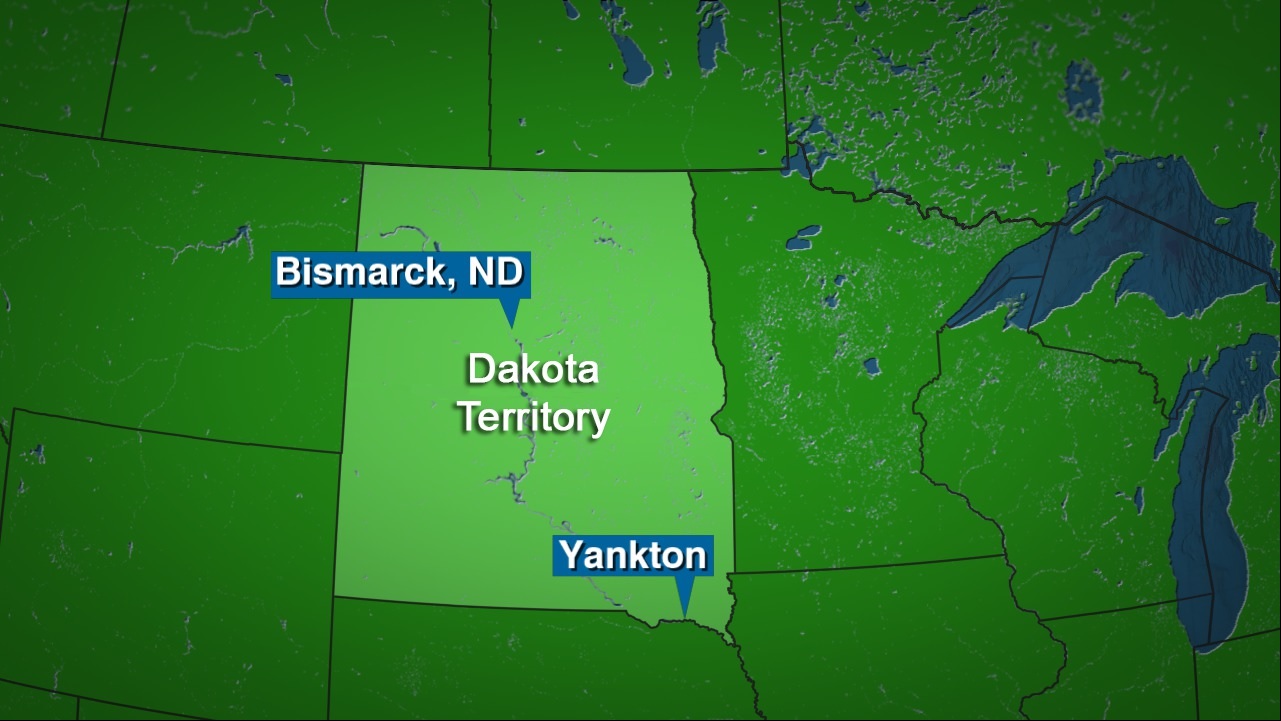
The story of the Dakotas begins with the Dakota Territory, established in 1861. This vast expanse encompassed what are now North Dakota, South Dakota, and parts of Wyoming and Montana. Its creation marked a pivotal moment in westward expansion, fueled by land speculation, the allure of gold, and the promise of agricultural prosperity. However, as the population grew and settlements expanded, the logistical challenges of governing such a massive territory became apparent. Residents often felt their interests were not adequately represented, leading to calls for division.
On November 2, 1889, the Dakota Territory was formally split, giving birth to both North Dakota and South Dakota as the 39th and 40th states of the United States. This separation was not merely a political formality; it reflected developing regional identities and economic focuses. North Dakota, often characterized by its expansive prairies and strong agricultural backbone, looked north and east. South Dakota, with its Black Hills and a more diverse landscape including the iconic Badlands, developed a distinct identity shaped by mining, tourism, and ranching. Today, while they share the “Dakota” heritage, each state boasts its own capital, governmental structures, unique cultural nuances, and, most importantly for travelers, distinct attractions and experiences.
Discovering North Dakota: The Peace Garden State
North Dakota, often referred to as the “Peace Garden State,” is a land of vast open spaces, dramatic badlands, and a rich tapestry of history and culture. It offers a tranquil escape for those seeking to connect with nature, explore Native American and pioneer heritage, and experience the warm hospitality of the Midwest.
Natural Wonders and Outdoor Pursuits
The crown jewel of North Dakota’s natural landscape is undoubtedly Theodore Roosevelt National Park. Spanning across three units (North, South, and Elkhorn Ranch), this park preserves the rugged, colorful badlands that so captivated President Theodore Roosevelt. Visitors can drive scenic loops, hike through diverse terrain, and spot an abundance of wildlife, including bison, wild horses, prairie dogs, and elk. The park’s painted canyons and dramatic vistas offer endless photographic opportunities and a profound sense of solitude.
Further east, Lake Sakakawea, one of the largest man-made lakes in the world, stretches for over 178 miles. Formed by the Garrison Dam on the Missouri River, it’s a paradise for water sports enthusiasts, offering excellent fishing, boating, and swimming. Its extensive shoreline provides numerous opportunities for camping and enjoying lakeside tranquility.
On the border with Canada lies the International Peace Garden, a symbol of enduring peace and friendship between the two nations. This stunning botanical garden features intricate floral displays, serene waterfalls, and commemorative structures, offering a beautiful and reflective experience.
Rich History and Cultural Experiences
North Dakota’s cities serve as hubs for exploring its history and culture. Bismarck, the state capital, boasts the majestic North Dakota State Capitol Building, an Art Deco skyscraper standing proudly amidst the plains. Adjacent to it, the North Dakota Heritage Center & State Museum offers an immersive journey through millions of years of the state’s natural and cultural history, from dinosaur fossils to Native American artifacts and pioneer life.
Fargo, the state’s largest city, is a vibrant urban center known for its arts scene, delicious food, and friendly atmosphere. The Plains Art Museum showcases regional and national art, while the lively downtown area is home to unique shops, restaurants, and entertainment venues. Visitors can also explore the Fargo Air Museum or stroll through the North Dakota State University campus.
The state also proudly preserves its Scandinavian heritage, particularly evident in towns like Minot. Minot is home to the Scandinavian Heritage Park, featuring a Stave Church, a Dala Horse, and other cultural exhibits. Each fall, the city hosts Norsk Høstfest, the largest Scandinavian festival in North America, drawing visitors from around the globe to celebrate Nordic traditions, food, and music.
Exploring South Dakota: The Mount Rushmore State
South Dakota, famously known as the “Mount Rushmore State,” offers a different but equally compelling array of attractions. Its landscape shifts dramatically from rolling plains to the rugged peaks of the Black Hills, home to some of America’s most iconic monuments and a rich history steeped in the Wild West and Native American culture.
Iconic Monuments and Geological Marvels
No visit to South Dakota is complete without witnessing the grandeur of Mount Rushmore National Memorial. Carved into the granite face of Mount Rushmore, the colossal busts of Presidents George Washington, Thomas Jefferson, Theodore Roosevelt, and Abraham Lincoln stand as a powerful symbol of American democracy. The memorial offers visitor centers, ranger programs, and the Presidential Trail for closer views.
Not far from Mount Rushmore lies the Crazy Horse Memorial, a monumental mountain carving dedicated to the legendary Lakota warrior, Crazy Horse. Still under construction, this awe-inspiring project represents a testament to Native American pride and perseverance. The visitor complex includes a museum and cultural center that provides deep insights into Native American history and art.
Venturing into a completely different geological realm, Badlands National Park presents an otherworldly landscape of sharply eroded buttes, pinnacles, and spires mixed with the largest undisturbed mixed-grass prairie in the United States. Visitors can drive the scenic loop, hike trails ranging from easy boardwalks to challenging backcountry routes, and keep an eye out for bison, bighorn sheep, and black-footed ferrets. The park is also a rich source of mammalian fossils.
Adjacent to the Badlands and Mount Rushmore, Custer State Park encompasses nearly 71,000 acres of spectacular terrain within the Black Hills. Famous for its Wildlife Loop Road, where visitors can often encounter bison herds, pronghorns, and burros up close, the park also features the iconic Needles Highway with its granite spires and narrow tunnels, and the scenic Iron Mountain Road.
Wild West Towns and Cave Systems
The spirit of the Wild West comes alive in Deadwood, a National Historic Landmark city that once attracted gold seekers, gamblers, and gunslingers like Wild Bill Hickok and Calamity Jane. Visitors can walk the historic main street, explore saloons, casinos, and museums, and even witness reenactments of famous gunfights.
Rapid City, often called the “Gateway to the Black Hills,” serves as an ideal base for exploring the region. The city itself offers attractions like the “City of Presidents” walking tour, featuring life-sized bronze statues of former U.S. presidents scattered throughout its downtown. The Dinosaur Park offers panoramic views and concrete dinosaur statues, delighting younger visitors.
Beneath the surface of the Black Hills lie extensive cave systems. Wind Cave National Park is one of the world’s longest and most complex caves, famous for its rare boxwork formations. Nearby, Jewel Cave National Monument is the third-longest cave in the world, offering incredible crystal formations and ranger-guided tours.

Planning Your Dakota Adventure
When planning a trip to the Dakotas, travelers should consider the time of year. Summer (June to August) offers warm weather ideal for outdoor activities, but also attracts the largest crowds to popular attractions. Spring and fall provide milder temperatures, fewer crowds, and stunning seasonal foliage, especially in the Black Hills. Winters can be harsh, with heavy snow and cold temperatures, but offer unique opportunities for snow sports and quiet reflection for those prepared for the conditions.
Both states are best explored by car, given the vast distances between attractions. Major airports in Fargo and Bismarck (North Dakota), and Rapid City and Sioux Falls (South Dakota) provide convenient access. Many travelers opt to visit one state thoroughly or combine highlights from both, particularly focusing on the Black Hills region of South Dakota and the badlands of North Dakota for a comprehensive experience of the diverse landscapes and rich history these two states proudly offer. While “Dakota” may not be a single state, its two distinct halves certainly deliver a double dose of discovery.
LifeOutOfTheBox is a participant in the Amazon Services LLC Associates Program, an affiliate advertising program designed to provide a means for sites to earn advertising fees by advertising and linking to Amazon.com. Amazon, the Amazon logo, AmazonSupply, and the AmazonSupply logo are trademarks of Amazon.com, Inc. or its affiliates. As an Amazon Associate we earn affiliate commissions from qualifying purchases.