
Often dubbed the “Peace Garden State,” North Dakota captivates with its expansive prairies, rugged badlands, and a rich tapestry of history and culture. While it might not always top the list of conventional tourist destinations, those who venture into this northern frontier discover a land brimming with unique attractions, a resilient spirit, and an abundance of natural beauty. From its presidential landscapes to its agricultural heartland, North Dakota offers a distinct travel experience that leaves a lasting impression.
The Majestic Landscapes of the Badlands
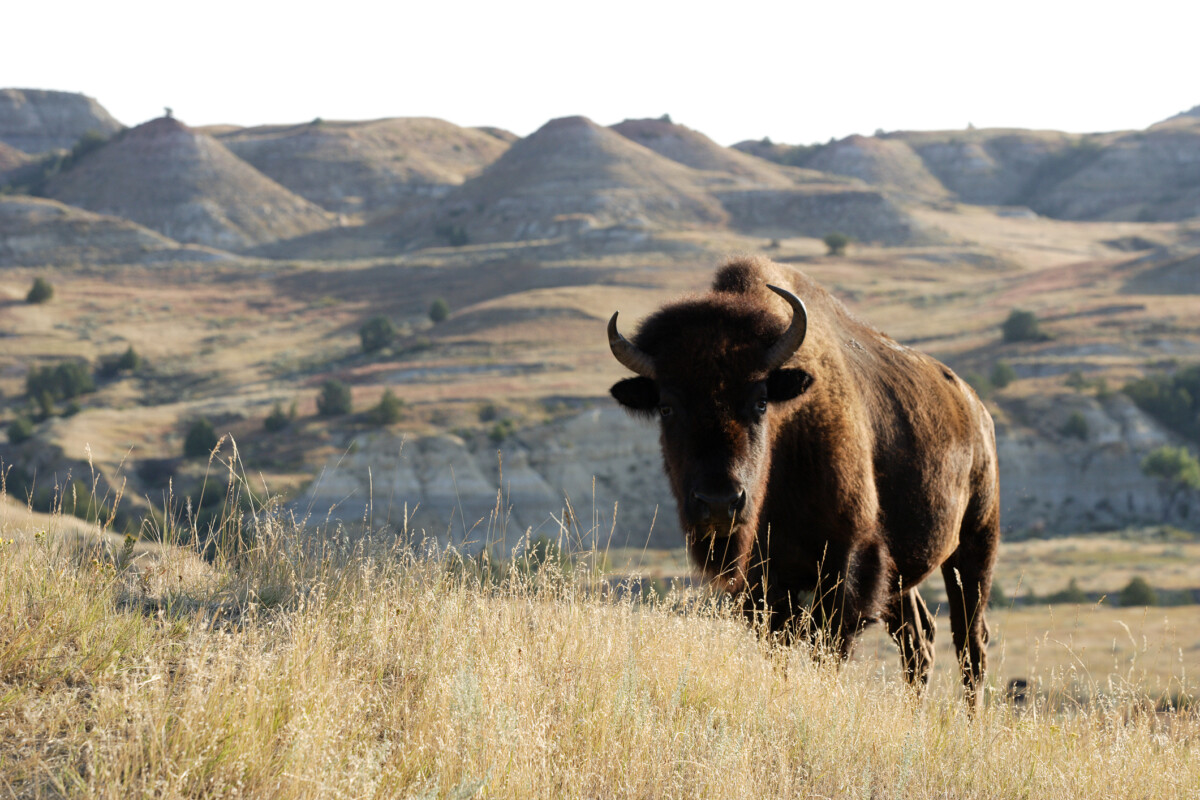
One of North Dakota’s most iconic features and a primary draw for travelers is the stunning badlands topography, particularly within Theodore Roosevelt National Park. This park, unique in its dedication to a president who deeply cherished the wilderness, encapsulates the rugged beauty of western North Dakota.

Theodore Roosevelt National Park: A Gem of the West
Theodore Roosevelt National Park is divided into three distinct units: the South Unit near Medora, the North Unit near Watford City, and the Elkhorn Ranch Unit, a remote and undeveloped area. Each unit offers a unique perspective on the badlands’ dramatic geological formations, carved by centuries of wind and water erosion. Travelers can expect to see buttes, mesas, and petrified forests that paint a landscape of raw, untamed beauty.
Within the park, wildlife viewing is a highlight. Herds of wild horses roam freely, alongside bison, bighorn sheep, and prairie dogs, offering incredible opportunities for photography and observation. The Scenic Loop Drive in the South Unit provides numerous overlooks and trailheads, making it accessible for all types of travelers. Popular hikes include the Wind Canyon Trail and the Coal Vein Trail, offering close-up encounters with the park’s geological wonders. The North Unit, while more remote, features breathtaking views from the Oxbow Overlook and challenging trails like the Caprock Coulee Trail.
The park is not just about geology; it’s also a place of profound historical significance, being where Theodore Roosevelt found solace and inspiration, shaping his conservationist ideals. Visitors can explore his Maltese Cross Cabin, offering a glimpse into his life as a rancher in the badlands.
A Tapestry of History and Culture
Beyond its natural grandeur, North Dakota is celebrated for its deep historical roots and a vibrant cultural heritage that reflects the influences of Native American tribes, early pioneers, and various immigrant communities.
Native American Heritage and the Lewis & Clark Trail
The state is rich in Native American history, particularly that of the Mandan, Hidatsa, and Arikara nations. Travelers can explore significant sites like Fort Abraham Lincoln State Park near Mandan, which features reconstructed earthlodges of the On-A-Slant Indian Village, offering insights into the daily lives of the Mandan people. The park also houses military buildings from the fort, including General Custer’s House, providing a dual perspective on the region’s past.
The famous Lewis and Clark Expedition spent more time in North Dakota than in any other state, making it a pivotal part of their journey. The Lewis and Clark National Historic Trail winds its way through the state, with numerous interpretive centers and markers, such as the Lewis & Clark Riverboat in Bismarck and the Knife River Indian Villages National Historic Site near Stanton. These sites illuminate the expedition’s interactions with Native American tribes, especially their encounter with Sakakawea, the Shoshone woman who served as a guide and interpreter.
Pioneer Spirit and Scandinavian Roots
The pioneer spirit is alive and well in North Dakota, reflected in its numerous small towns and historical museums. The Bonanzaville USA living history museum in West Fargo transports visitors back to the late 19th century with its collection of historic buildings and artifacts. The state also proudly showcases its strong Scandinavian heritage, particularly evident in communities like Minot, home to the Norsk Høstfest, one of the largest Scandinavian festivals in North America. The Scandinavian Heritage Park in Minot further celebrates this legacy with a full-size Stave Church, a Danish windmill, and other authentic structures.

Agricultural Heart and Energy Frontier
North Dakota holds a vital place in the nation’s economy, renowned as a leading agricultural state and a significant energy producer. These industries not only shape its landscape but also define much of its identity and attract travelers interested in rural life and industrial heritage.
The Breadbasket of the Nation
Vast fields of wheat, sunflowers, and other crops dominate the central and eastern plains, earning North Dakota its reputation as a major contributor to the nation’s food supply. Travelers driving through these regions during summer witness endless panoramas of golden grains and vibrant sunflower fields, creating picturesque scenery. Agricultural tourism, though nascent, offers opportunities to visit working farms and learn about modern farming practices. The state’s commitment to agriculture is often celebrated at local fairs and festivals, where visitors can experience genuine rural hospitality and taste local produce.
The Bakken Oil Boom
In recent decades, North Dakota has emerged as a powerhouse in energy production, largely due to the Bakken Formation. This shale oil play in the western part of the state has transformed communities, bringing rapid growth and a unique dynamic to the region. While not a conventional tourist attraction, the energy industry adds an interesting layer to the state’s modern identity, showcasing its dual role as both an agricultural heartland and an industrial frontier. Visitors interested in economics or industrial landscapes may find the scale of operations intriguing, particularly around cities like Williston and Watford City.
Vibrant Cities and Outdoor Adventures
While often characterized by its rural expanse, North Dakota also boasts lively urban centers and an abundance of opportunities for outdoor enthusiasts across all seasons.
Urban Charms: Fargo, Bismarck, and Grand Forks
Fargo, the state’s largest city, offers a vibrant urban experience with a thriving arts scene, diverse culinary options, and a youthful energy thanks to North Dakota State University. The city is known for its friendly atmosphere and hosts various festivals and events throughout the year. Attractions include the Fargo Air Museum and the Plains Art Museum.
Bismarck, the state capital, blends history with modern amenities. The impressive North Dakota State Capitol Building and the North Dakota Heritage Center & State Museum are must-visits, offering comprehensive insights into the state’s past. The city’s location on the Missouri River provides recreational opportunities, including riverboat cruises.
Grand Forks, home to the University of North Dakota, is a charming city with a revitalized downtown area. It offers cultural attractions, beautiful parks, and a relaxed atmosphere. The North Dakota Museum of Art and the Ralph Engelstad Arena, a state-of-the-art hockey facility, are prominent features.
A Haven for Outdoor Enthusiasts
North Dakota’s diverse landscapes lend themselves to a wide array of outdoor activities. The mighty Missouri River and its impoundment, Lake Sakakawea, offer exceptional fishing, boating, and watersports opportunities. Lake Sakakawea boasts over 1,300 miles of shoreline, making it one of the largest man-made lakes in the world and a prime destination for freshwater recreation.
For hikers and bikers, the 144-mile Maah Daah Hey Trail winds through the badlands, offering challenging terrain and unparalleled scenic beauty. Birdwatching is also a popular activity, especially in the state’s numerous wildlife refuges and wetland areas, which serve as vital migratory bird habitats. In winter, activities shift to cross-country skiing, snowmobiling, and ice fishing, transforming the state into a pristine winter wonderland.
From the dramatic badlands carved by ancient rivers to its rich cultural heritage and thriving modern cities, North Dakota presents itself as a destination of unexpected depths. It’s famous for its raw natural beauty, its significant role in American history and agriculture, and the genuine hospitality of its people. For travelers seeking authentic experiences away from the crowded paths, North Dakota truly shines.
LifeOutOfTheBox is a participant in the Amazon Services LLC Associates Program, an affiliate advertising program designed to provide a means for sites to earn advertising fees by advertising and linking to Amazon.com. Amazon, the Amazon logo, AmazonSupply, and the AmazonSupply logo are trademarks of Amazon.com, Inc. or its affiliates. As an Amazon Associate we earn affiliate commissions from qualifying purchases.