
The state flower of North Dakota is the Wild Prairie Rose (Rosa arkansana), a delicate yet resilient bloom that embodies the enduring spirit and natural beauty of the Northern Plains. Officially adopted on March 7, 1907, this simple, five-petaled pink flower has become an iconic natural landmark, deeply woven into the state’s identity, history, and ecological fabric. Its presence across the vast landscapes of North Dakota serves as a gentle reminder of the land’s untamed allure and the rich heritage of those who have called it home. Far more than just a botanical specimen, the Wild Prairie Rose is a symbol, a historical marker, and a living testament to the natural wonders that define this unique American state.
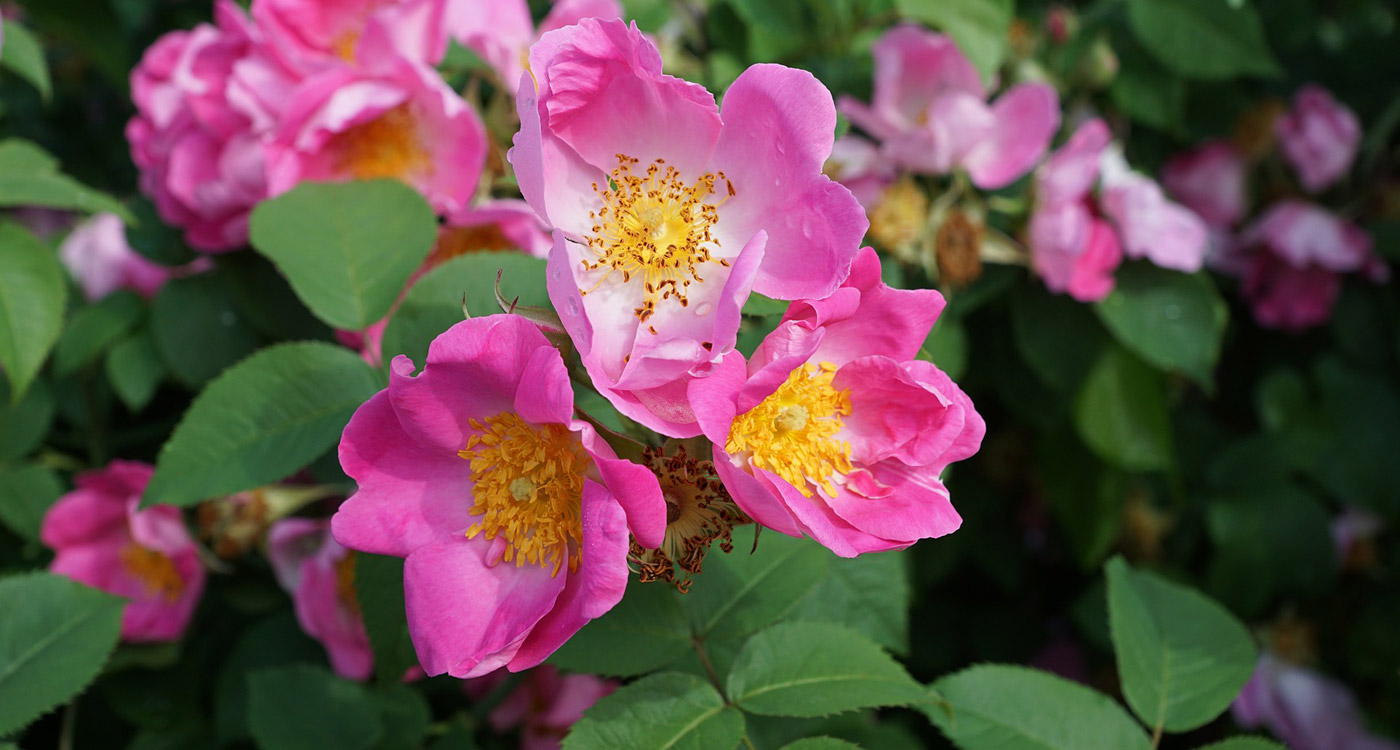
The Wild Prairie Rose: A Symbol of Resilience
The Wild Prairie Rose, often simply called the prairie rose, stands as a testament to the rugged beauty and inherent strength of the North Dakota landscape. Unlike many cultivated roses, its charm lies in its unpretentious wildness, thriving in challenging conditions and painting the prairies with splashes of vibrant pink during its blooming season. This resilience makes it a fitting emblem for a state known for its hearty people and formidable climate. Its ability to flourish despite harsh winters and dry summers mirrors the perseverance and tenacity characteristic of the region’s pioneers and modern-day residents alike. As a natural landmark, it signals the arrival of warmer months and the flourishing life that emerges across the plains.
Botanical Profile and Characteristics
Botanically known as Rosa arkansana, the Wild Prairie Rose is distinct from its more showy cultivated cousins. It is a perennial shrub, typically growing 1 to 3 feet tall, though it can occasionally reach heights of up to 5 feet in ideal conditions. The stems are covered with numerous small, straight thorns, which offer protection in its natural habitat. Its leaves are pinnately compound, meaning they are divided into several smaller leaflets, usually 5 to 11 per leaf, with finely toothed margins. These leaves provide a lush green backdrop for the star of the show: the flowers.
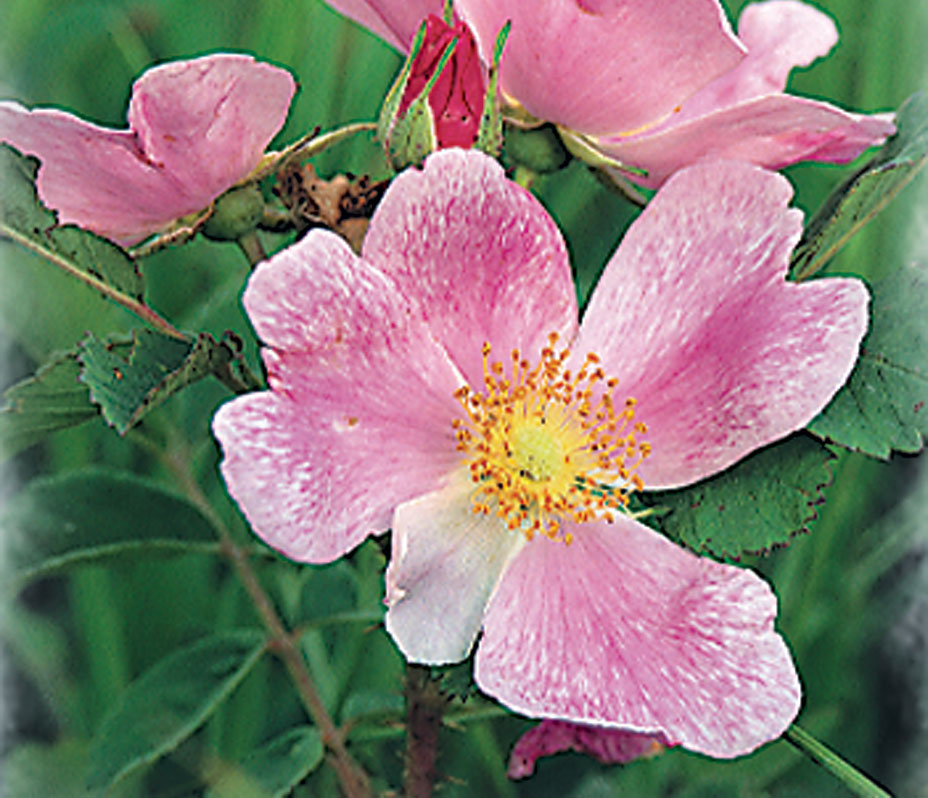
The blossoms are typically single, appearing at the ends of branches or in small clusters. Each flower features five prominent, ovate petals, usually a radiant rose-pink hue, though variations from pale pink to deeper magenta can be observed. At the center of the flower is a cluster of bright yellow stamens, providing a striking contrast to the pink petals and serving as a beacon for pollinators. The flowers are delicately fragrant, emitting a sweet, subtle aroma that is characteristic of wild roses. Following the blooming period in late spring and early summer, the flowers give way to small, reddish-orange, berry-like fruits known as rose hips. These hips are not only decorative but are also a vital food source for wildlife during the autumn and winter months, rich in Vitamin C, and occasionally harvested for teas and jellies. The extensive root system of the Wild Prairie Rose plays a crucial role in preventing soil erosion, particularly in the open, windswept prairies.
Habitat and Distribution Across North Dakota
The Wild Prairie Rose is remarkably adaptable and can be found thriving in a diverse range of habitats throughout North Dakota. It prefers open, sunny areas but is not overly particular about soil type, flourishing in everything from dry, sandy soils to richer loams. Its natural range extends across grasslands, prairies, open woodlands, fencerows, and along roadsides, demonstrating its robust nature. This widespread distribution means that visitors traveling across North Dakota during its peak blooming season, typically from late May through July, are very likely to encounter its charming blossoms.
From the eastern Red River Valley to the rugged badlands in the west, the Wild Prairie Rose dots the landscape, adding splashes of color to vast expanses of green and gold. It is particularly common in untouched prairie remnants and protected natural areas, where its ecological role in supporting local fauna is allowed to thrive. Its presence is a key indicator of healthy prairie ecosystems, reflecting the biological richness and biodiversity of the state.
Historical Significance and Adoption
The selection of the Wild Prairie Rose as North Dakota’s state flower was not merely an arbitrary choice but a reflection of the deep connection between the people and their environment. It signifies a collective appreciation for the natural beauty that defines the state’s character and heritage. As a natural landmark, its adoption into state symbolism grounds the identity of North Dakota in the very land itself.
Legislative Journey to State Symbol Status
The movement to designate a state flower for North Dakota gained momentum in the early 20th century. Like many states, there was a growing desire to officially recognize natural symbols that embodied the distinct qualities of the region. The Wild Prairie Rose was a natural and popular choice, widely recognized and cherished by residents across the state for its beauty and ubiquity. School children, women’s clubs, and various civic organizations often played a significant role in advocating for such symbols, understanding the importance of having a visual representation of their shared heritage.
On March 7, 1907, the North Dakota Legislative Assembly officially passed a bill designating the Wild Prairie Rose as the state flower. This legislative act cemented its status not just as a pretty flower but as a formal emblem, giving it legal and cultural weight. The choice reflected the pioneering spirit of the era and a profound respect for the natural environment that shaped the lives of the early settlers. It joined the state seal and flag as fundamental symbols of North Dakota’s sovereignty and identity.
Cultural Importance to the People of North Dakota
Beyond its official status, the Wild Prairie Rose holds a special place in the hearts of North Dakota’s residents. It symbolizes the rugged beauty and enduring spirit of the land. For many, it evokes a sense of nostalgia, reminding them of childhood summers spent exploring open fields or driving down rural roads adorned with its cheerful blossoms. Its simple elegance is often seen as a reflection of the state’s down-to-earth character and the unassuming yet profound beauty found within its borders.
The flower’s image appears in various forms of local art, crafts, and even commercial branding. It’s a common motif in quilts, paintings, and pottery created by local artisans, celebrating its iconic status. Schools, businesses, and communities often incorporate the Wild Prairie Rose into their names or logos, further cementing its role as a pervasive cultural touchstone. It represents not just the flora, but the very essence of living in the Northern Plains—a blend of wild nature, hardy persistence, and quiet grace.
Where to Experience the Wild Prairie Rose
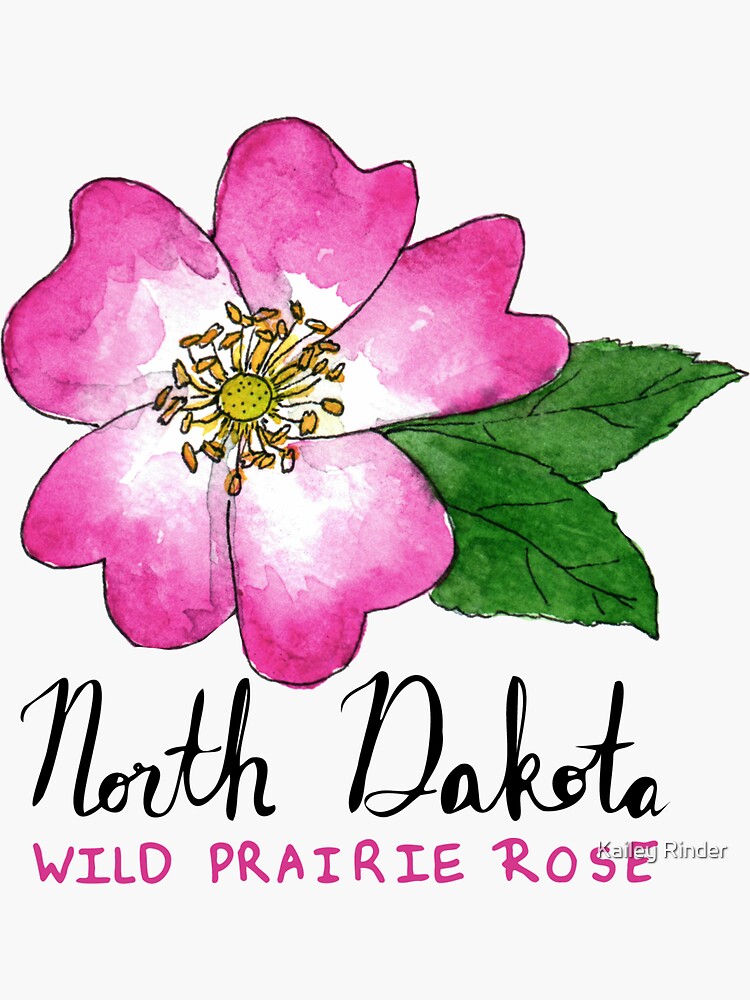
For those interested in experiencing North Dakota’s state flower in its natural glory, the opportunities are abundant, particularly during the late spring and early summer months. Viewing the Wild Prairie Rose in its native habitat offers a deeper connection to the state’s natural landmarks and an appreciation for its simple, yet profound, beauty.
Prime Viewing Locations and Seasons
The best time to witness the Wild Prairie Rose in full bloom is typically from late May through July. During this period, the prairies and grasslands burst into color, with the pink blossoms of the rose being a prominent feature. Almost any undeveloped area across the state can potentially offer a sighting, but certain locations provide particularly spectacular displays.
Theodore Roosevelt National Park: Spanning the badlands of western North Dakota, this national park is an excellent place to see the Wild Prairie Rose amidst dramatic landscapes. The scenic drives and hiking trails wind through diverse terrain where the roses often bloom along the roadside and in open meadows, providing a stark contrast to the rugged buttes and canyons. Both the North and South Units of the park offer ample opportunities.
State Parks and Wildlife Management Areas: North Dakota’s network of state parks and wildlife management areas, such as Fort Abraham Lincoln State Park near Mandan or areas around Lake Sakakawea, are meticulously maintained and preserve native prairie ecosystems. These locations are ideal for nature walks and offer controlled environments where visitors can safely observe the Wild Prairie Rose alongside other native flora and fauna.
Rural Roadways and Open Prairies: Simply driving along the secondary roads and highways that crisscross North Dakota during the blooming season will often reveal countless Wild Prairie Roses. They frequently grow in profusion along fencelines, ditch banks, and in uncultivated fields, turning ordinary drives into scenic routes dotted with color.
International Peace Garden: Located on the border between North Dakota and Manitoba, Canada, this unique landmark showcases a variety of plant life. While featuring many cultivated roses, visitors can often find examples of the Wild Prairie Rose in the more naturalized sections of the garden, highlighting its distinction and beauty.
Incorporating the Rose into Local Tourism and Education
The Wild Prairie Rose serves as an accessible and engaging natural landmark for both tourism and educational initiatives in North Dakota. Local tourism boards often highlight its blooming season as a reason to visit, encouraging scenic drives and nature walks. Many botanical gardens and nature centers in cities like Bismarck and Fargo feature native plant sections where the Wild Prairie Rose is cultivated and explained, offering opportunities for close-up viewing and learning.
Educational programs in schools frequently use the state flower as a starting point for discussions on local ecology, native plants, and the history of North Dakota. Its easily recognizable form and compelling story make it an excellent teaching tool for students to connect with their natural heritage and understand the importance of preserving native ecosystems. Promoting responsible viewing and discouraging picking helps ensure that this cherished natural landmark remains abundant for future generations to enjoy.
The Rose’s Enduring Legacy
The Wild Prairie Rose is more than just a historical or botanical curiosity; it is a living part of North Dakota’s present and future. Its ecological importance, its role in conservation, and its persistent presence in cultural expressions underscore its enduring legacy as a quintessential natural landmark.
Conservation Efforts and Ecological Role
As a native species, the Wild Prairie Rose plays a crucial ecological role in the prairie ecosystem. Its flowers provide nectar and pollen for a wide array of native pollinators, including bees, butterflies, and other insects, which are vital for the health of the entire ecosystem. The rose hips offer a critical food source for birds and small mammals during lean winter months, contributing to the biodiversity of the region.
Conservation efforts across North Dakota often focus on preserving native prairie habitats, and the Wild Prairie Rose is an integral part of these initiatives. Organizations and state agencies work to protect and restore grasslands, ensuring that the natural conditions necessary for the rose and other native plants to thrive are maintained. This protection of its habitat is essential, especially as agricultural expansion and urban development continue to alter natural landscapes. By protecting the Wild Prairie Rose, conservationists are safeguarding a piece of North Dakota’s natural heritage and supporting the intricate web of life that depends on healthy prairies.
The Wild Prairie Rose in Art, Literature, and Community
The aesthetic appeal and symbolic resonance of the Wild Prairie Rose have ensured its prominent place in North Dakota’s cultural landscape. It has inspired countless artists, photographers, and writers who seek to capture the essence of the state. Its image frequently appears in landscape paintings, nature photography, and even in more abstract artistic interpretations, symbolizing beauty, resilience, and the wild spirit of the plains.
In literature, the Wild Prairie Rose often serves as a metaphor for North Dakota itself—beautiful, hardy, and understated. It can represent hope, new beginnings, or the enduring strength of the human spirit in challenging environments. Local poets and authors frequently weave references to the rose into their narratives, grounding their stories in the familiar and beloved imagery of the state’s natural world.
Within communities, the Wild Prairie Rose fosters a sense of shared identity and pride. It’s a common sight in community gardens, public spaces, and even residential landscaping, demonstrating local pride and appreciation for the state symbol. Festivals and local events sometimes incorporate the flower into their themes, celebrating North Dakota’s unique natural heritage. The Wild Prairie Rose, therefore, remains not just a botanical fact but a deeply embedded cultural landmark, continuously blooming in the collective consciousness of the state. It is a quiet, yet powerful, reminder of the beauty and resilience inherent in North Dakota’s natural and human landscape.
LifeOutOfTheBox is a participant in the Amazon Services LLC Associates Program, an affiliate advertising program designed to provide a means for sites to earn advertising fees by advertising and linking to Amazon.com. Amazon, the Amazon logo, AmazonSupply, and the AmazonSupply logo are trademarks of Amazon.com, Inc. or its affiliates. As an Amazon Associate we earn affiliate commissions from qualifying purchases.