
The journey between Detroit, Michigan, in the United States and Toronto, Ontario, in Canada is a common traverse for both business and leisure travelers. While geographically close, separated only by the Great Lakes region, understanding the actual distance, travel time, and logistical considerations is key to planning a seamless trip. This guide will provide a comprehensive overview for anyone looking to make this cross-border journey.
The Geographic and Logistical Overview
The proximity of Detroit and Toronto often surprises first-time travelers. While they are separated by an international border, the direct air distance is significantly less than the drivable route due to the natural barriers of the Great Lakes and the need to cross at designated points.
Straight Line vs. Road Distance
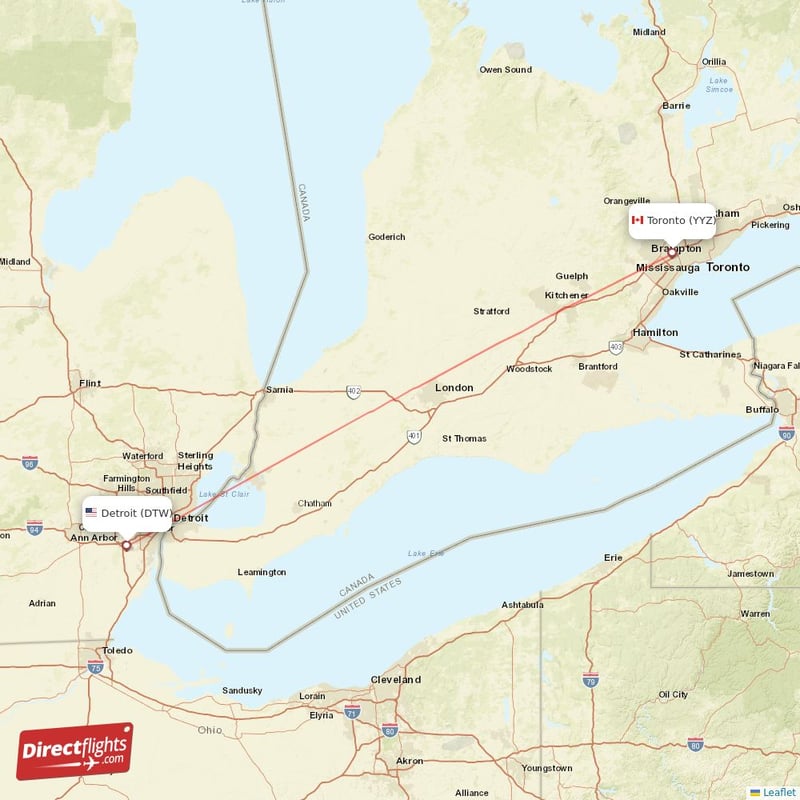
As the crow flies, the approximate straight-line distance between the urban centers of Detroit and Toronto is about 200 miles (320 kilometers). However, this direct path is not traversable by ground transport. The actual driving distance is significantly longer.
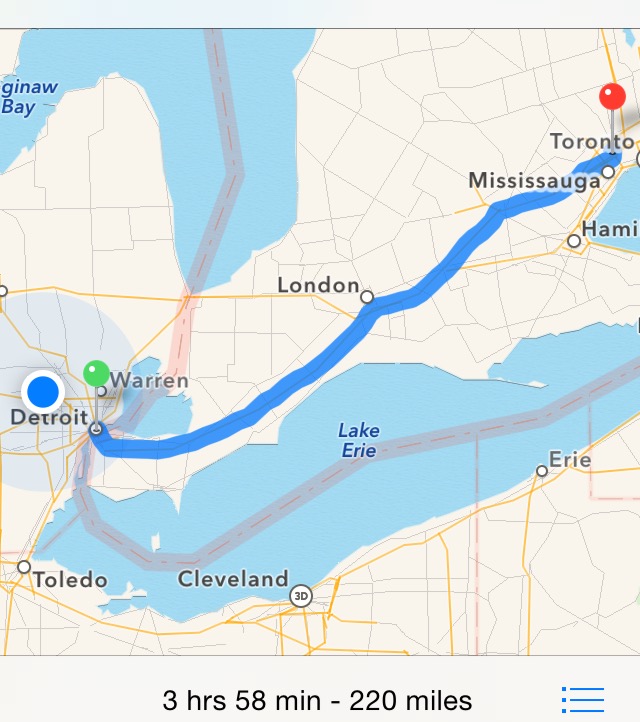
The most common driving route involves crossing the Detroit River into Windsor, Ontario, and then following Highway 401 eastward. This route typically spans approximately 230 to 250 miles (370 to 400 kilometers), depending on your exact starting and ending points within each metropolitan area.
The typical driving time for this journey is around 3.5 to 4.5 hours under ideal conditions, meaning no significant traffic delays, construction, or border crossing queues. However, these “ideal conditions” are rarely constant. During peak travel times, holidays, or adverse weather, the drive can easily extend to 5-7 hours, not including significant stops.
Time Zone Considerations
One crucial detail often overlooked is the time difference. Detroit operates on Eastern Standard Time (EST) or Eastern Daylight Time (EDT) during daylight saving months. Toronto also operates on the same Eastern Time Zone. This means there is no time change to account for when traveling between the two cities, simplifying travel planning and scheduling.
Navigating the Journey: Modes of Transport
Travelers between Detroit and Toronto have several options, each offering a different balance of cost, convenience, and travel time.
Driving: The Most Popular Route
Driving is arguably the most flexible and popular way to travel between these two cities, offering the freedom to explore at your own pace.
- Border Crossings: The primary points of entry from Detroit into Windsor are the Ambassador Bridge and the Detroit-Windsor Tunnel.
- The Ambassador Bridge is typically preferred for its direct access to major highways (specifically Highway 401) and its multi-lane capacity, which can help manage traffic flow.
- The Detroit-Windsor Tunnel offers a more direct downtown-to-downtown connection but can feel more congested and has fewer lanes.
- Alternative Route: Another option, though longer, involves crossing at Port Huron, Michigan, via the Blue Water Bridge into Sarnia, Ontario. This route adds approximately 45-60 minutes to the overall drive but can sometimes offer shorter border wait times, especially if the Windsor-Detroit Corridor is experiencing significant delays. It’s a good alternative to check if crossing at Windsor is excessively backed up.
- Fuel and Road Conditions: Canada uses kilometers and liters for measurements, and gas prices are generally quoted per liter. It’s advisable to fill up your tank on the U.S. side before crossing, as fuel can be more expensive in Canada. Road conditions, particularly during winter months, can be challenging in Ontario, so always check weather forecasts and plan accordingly.
Flying: Speed and Convenience
For those prioritizing speed, flying is the quickest option, though it comes with higher costs and the inherent time spent at airports.
- Major Airports: Travelers would typically fly out of Detroit Metropolitan Airport (DTW) to Toronto Pearson International Airport (YYZ). There are also options to fly into Billy Bishop Toronto City Airport (YTZ) from select regional U.S. airports, but direct flights from Detroit are less common for this airport.
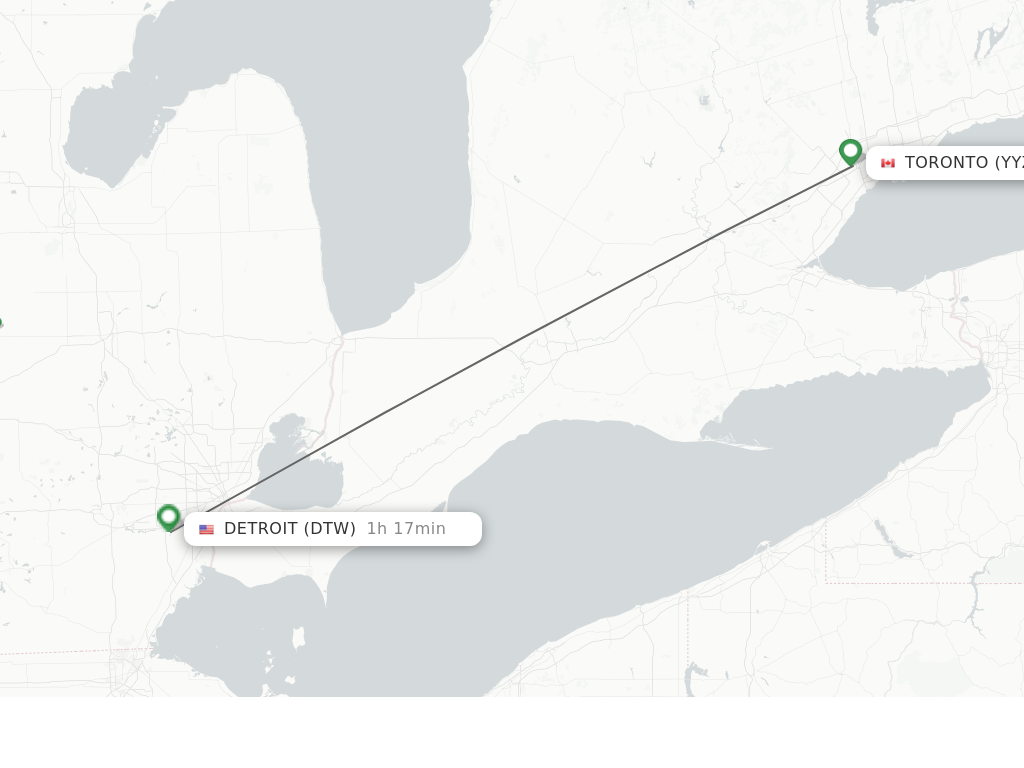
- Flight Duration: Direct flights between DTW and YYZ typically last about 1 hour to 1 hour and 15 minutes.
- Total Travel Time: While the flight itself is short, factor in airport check-in, security, potential delays, and travel to and from the airports. A door-to-door journey by air can easily take 4-6 hours, making it comparable to driving in total travel time, especially for short-haul flights. This mode is most beneficial for those who find driving tedious or cannot drive.
Bus and Train: Economical Alternatives
Public transportation offers a cost-effective alternative for travel between Detroit and Toronto.
- Bus Services: Companies like Greyhound offer routes between the two cities. The bus journey typically takes around 5-7 hours, including the border crossing process, which usually involves all passengers disembarking with their luggage for customs inspection. Bus travel is often the most budget-friendly option.
- Train Services: While there isn’t a direct train line that seamlessly crosses the border from Detroit to Toronto, options involve connecting services. Travelers can take Amtrak from Detroit to a border city like Buffalo, New York, and then transfer to VIA Rail Canada or a bus service to Toronto. This option is usually the longest and most complex, often taking 8+ hours, but can offer a more scenic and relaxed journey for those not in a hurry. The train journey also handles border formalities in a generally less strenuous manner than bus travel.
Essential Travel Considerations
International travel, even between friendly neighbors like the U.S. and Canada, requires proper documentation and awareness of customs procedures.
Crossing the U.S.-Canada Border
Understanding border requirements is paramount for a smooth journey.
- Documentation:
- U.S. Citizens: A valid Passport, Passport Card, or an Enhanced Driver’s License (EDL) is required for land and sea travel. For air travel, a valid Passport book is mandatory.
- Canadian Citizens: A valid Passport or an Enhanced Driver’s License is accepted for land and sea travel. A valid Passport is required for air travel.
- Other Nationalities: Depending on your country of origin, you may need a Visa to enter Canada (or the U.S.). Many visa-exempt travelers flying to Canada also require an eTA (Electronic Travel Authorization). Always check current entry requirements based on your nationality.
- NEXUS Program: For frequent travelers, a NEXUS card can significantly expedite border crossings at designated lanes, both by land and air.
- Customs Declarations: Be prepared to declare all goods, currency over a certain amount, and any food items you are carrying. Prohibited items, especially certain agricultural products, firearms, and cannabis (even if legal in Michigan and Ontario), are subject to strict regulations at the border. Driving under the influence (DUI) convictions, even minor ones, can make you inadmissible to Canada.
Best Times to Travel
Timing your journey can drastically affect your experience, especially when driving.
- Avoid Peak Hours: For driving, try to cross the border during off-peak hours, typically mid-morning (after 9 AM) or late afternoon/early evening (before 4 PM or after 7 PM) on weekdays. Weekends, especially Friday afternoons and Sunday evenings, are notoriously busy. Holidays are almost guaranteed to have longer wait times.
- Utilize Border Wait Time Apps: Several apps and government websites provide real-time border wait times for all crossings. Checking these before you depart can help you choose the least congested option.
- Seasonal Considerations: Summer months offer pleasant driving conditions but also coincide with peak tourist season, potentially increasing border traffic. Winter can bring snow and ice, especially along Highway 401, which runs along Lake Erie and Lake Huron, potentially leading to slower travel and hazardous conditions.
Making the Most of Your Trip
The journey between Detroit and Toronto is more than just getting from point A to point B; it’s an opportunity to experience the diverse landscapes and cultures of the Great Lakes region.
Stopover Opportunities
If you’re driving and have extra time, consider making a stop to break up the journey and explore new areas.
- Southwestern Ontario: The route through southwestern Ontario offers charming small towns, agricultural landscapes, and vineyards, particularly in the Lake Erie North Shore region.
- Niagara Falls: A significant detour (approximately 1.5-2 hours south of the direct Toronto route from Hamilton), but Niagara Falls is an iconic natural wonder and a popular tourist destination. You could cross into Canada via the Peace Bridge at Buffalo or the Blue Water Bridge at Port Huron and loop down to the Falls. This adds considerable time but offers a spectacular experience.
- Flint, Michigan: If coming from Toronto and heading west towards Detroit via the Blue Water Bridge and Port Huron, Flint offers cultural attractions like the Flint Institute of Arts.
Preparing for Your Destination
Before you arrive, it’s beneficial to have a plan for navigating your chosen city.
- Detroit: Known for its rich automotive history and revitalized urban core, Detroit offers attractions like the Detroit Institute of Arts, the Henry Ford Museum, and vibrant neighborhoods like Greektown. Public transport includes the QLine streetcar and bus services, but a car is often recommended for broader exploration.
- Toronto: As Canada’s largest city, Toronto is a bustling metropolis with iconic landmarks such as the CN Tower, diverse cultural neighborhoods, and attractions like the Toronto Islands. Its extensive public transit system (TTC) makes getting around without a car relatively easy.
Whether you choose to drive, fly, or take public transport, the journey between Detroit and Toronto is an accessible and rewarding cross-border travel experience. By understanding the distances, timings, and essential requirements, you can ensure a smooth and enjoyable trip.
LifeOutOfTheBox is a participant in the Amazon Services LLC Associates Program, an affiliate advertising program designed to provide a means for sites to earn advertising fees by advertising and linking to Amazon.com. Amazon, the Amazon logo, AmazonSupply, and the AmazonSupply logo are trademarks of Amazon.com, Inc. or its affiliates. As an Amazon Associate we earn affiliate commissions from qualifying purchases.