
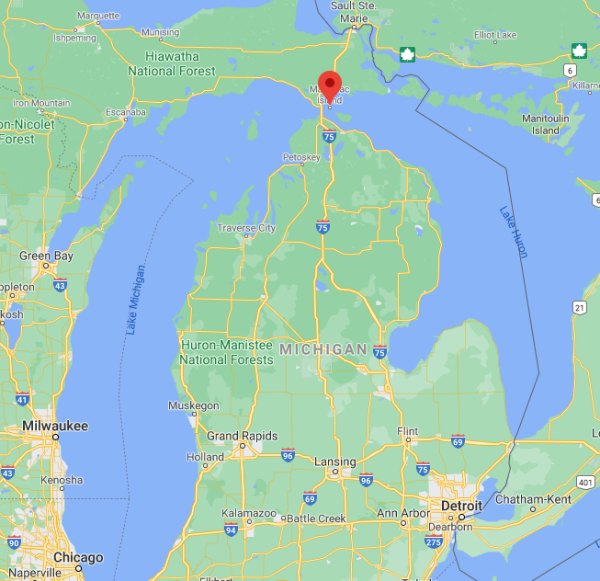
For travelers planning an escape to one of Michigan‘s most cherished destinations, understanding the journey from the bustling metropolis of Detroit to the tranquil, car-free haven of Mackinac Island is the first step in crafting an unforgettable adventure. While not an immediate hop, skip, and a jump, the distance is entirely manageable and opens up a scenic route through the heart of the Great Lakes State. The journey from Detroit to Mackinac Island is approximately 280 to 300 miles, translating to a driving time of around 4.5 to 5 hours, excluding stops, followed by an essential ferry ride. This multi-leg trip promises a delightful transition from urban landscapes to the serene beauty of the Upper Peninsula.
The Journey North: Understanding the Distance and Logistics
The true essence of the trip to Mackinac Island isn’t just about covering mileage; it’s about embracing the transition to a simpler pace of life. The geographic separation between Detroit and Mackinac Island places the island firmly in northern Michigan, in the straits connecting Lake Huron and Lake Michigan. To reach the island, visitors must first travel to one of two gateway cities: Mackinaw City on the Lower Peninsula or St. Ignace in the Upper Peninsula. Both serve as the departure points for the necessary ferry service that completes the journey to the island.
The direct driving distance from downtown Detroit to Mackinaw City is approximately 285 miles. If your destination is St. Ignace, located just across the Mackinac Bridge, the distance extends slightly to about 290-295 miles. These distances, while significant, are traversed mostly via major highways, making the drive relatively straightforward. However, the unique charm of Mackinac Island lies in its inaccessibility by private vehicle; once you reach the mainland ferry docks, your car must be parked, signaling the true start of your island escape. This enforced separation from motorized transport is a fundamental part of the island’s appeal, preserving its 19th-century ambiance and natural tranquility.
Navigating the Routes: Driving, Buses, and Flights
Choosing your mode of transportation from Detroit to the Mackinac Island ferry docks involves weighing factors such as cost, convenience, and time. Each option offers a distinct experience, setting the stage for your island adventure.
Driving Your Own Vehicle
For many, driving remains the most popular and flexible option. The primary route from Detroit is Interstate 75 (I-75) North, which stretches directly from the city’s heart all the way to Mackinaw City. This four-to-five-hour drive is largely scenic, especially as you head further north and the urban sprawl gives way to forests and small towns. Travelers should account for rest stops, fuel breaks, and potential traffic, particularly during peak summer weekends or holiday periods, which could extend travel time.
Upon arrival at Mackinaw City or St. Ignace, ample parking is available at the ferry line terminals. Both Shepler’s Mackinac Island Ferry and Star Line Mackinac Island Ferry provide various parking options, ranging from daily paid parking lots to longer-term secured parking. It’s advisable to check the specific ferry company’s website for current parking rates and policies, especially for overnight or multi-day stays.
Public Transportation: Bus Services
For those preferring not to drive, bus services offer a viable alternative. Companies like Indian Trails operate routes that connect Detroit to northern Michigan, including stops in Mackinaw City or St. Ignace. While generally more economical than flying or the wear-and-tear of driving your own car, bus travel typically takes longer due to multiple stops. The total travel time, including transfers, could extend to 6-8 hours or more. However, it allows travelers to relax and enjoy the scenery without the stress of navigating or parking. Once at the bus station in Mackinaw City or St. Ignace, shuttle services or a short walk can get you to the ferry docks.
Flying Options
While there isn’t a direct airport on Mackinac Island itself, flying can significantly reduce transit time, albeit at a higher cost. The most common approach involves flying from Detroit Metropolitan Wayne County Airport (DTW) to Pellston Regional Airport (PLS), which is the closest airport to the ferry docks. The flight duration is relatively short, usually less than an hour.
From Pellston Regional Airport, visitors will need to arrange ground transportation for the remaining 40-50 minute drive to Mackinaw City or St. Ignace. Several shuttle services, taxis, or ride-sharing options are available, often needing to be booked in advance, especially during peak season. This option is ideal for travelers with limited time or those who prefer to avoid long drives, offering a quicker transition to the island experience.
The Essential Ferry Crossing to Mackinac Island
Regardless of how you arrive at Mackinaw City or St. Ignace, the final and most iconic leg of the journey to Mackinac Island is the ferry ride. This short voyage is not just a means of transport but an integral part of the island’s charm and an experience in itself.
Two primary ferry companies operate routes to Mackinac Island: Shepler’s Mackinac Island Ferry and Star Line Mackinac Island Ferry. Both offer frequent departures, particularly during the peak summer months, starting in early spring and running through late fall. The ferry ride typically takes between 16 and 20 minutes, depending on whether you depart from Mackinaw City or St. Ignace and if the ferry makes a stop to circle under the Mackinac Bridge for a unique photo opportunity.
Tickets can be purchased online in advance or at the ferry docks. Booking ahead, especially during busy periods, is highly recommended to secure your preferred departure time. The ferries are comfortable, offering both indoor and outdoor seating, allowing passengers to enjoy the crisp lake air and stunning views of the Mackinac Bridge and the approaching island.
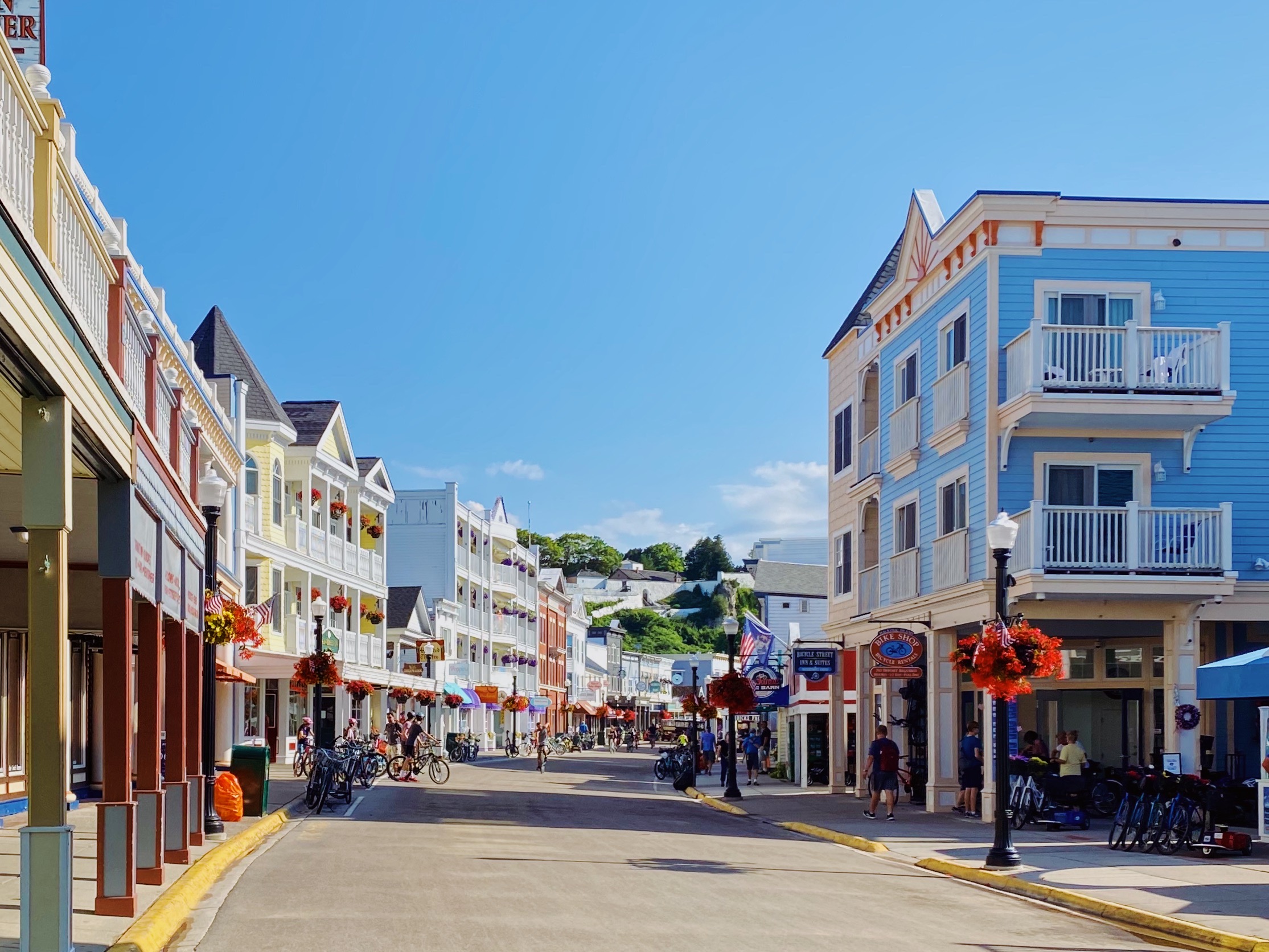
Upon arrival at the Mackinac Island dock, you’ll immediately notice the absence of cars. Porters, driving horse-drawn drays, are available to transport luggage to your chosen accommodation, echoing the island’s commitment to preserving its historical character. This unique arrival experience immediately immerses you in the island’s timeless atmosphere, setting the tone for a truly memorable visit.
Making the Most of Your Trip: Travel Tips and Itinerary Ideas
To ensure your journey from Detroit to Mackinac Island is as smooth and enjoyable as possible, consider these practical tips and itinerary suggestions.
Best Time to Visit
Mackinac Island is a seasonal destination, with the busiest period being summer (June through August). During these months, all attractions, shops, and restaurants are open, and the island is vibrant with activity. Spring (May) and Fall (September-October) offer a quieter experience, often with pleasant weather and fewer crowds. Fall is particularly popular for its stunning autumn foliage. While some establishments close for the winter, a limited number of services remain, offering a uniquely serene and peaceful experience for those brave enough to embrace the colder months. Plan your visit according to your preferred level of activity and crowd tolerance.
Packing Essentials
Given the car-free nature of Mackinac Island, comfortable walking shoes are paramount. You’ll spend a lot of time on foot or bicycle exploring the island’s natural beauty and historic sites. Layers of clothing are also advisable, as weather on the Great Lakes can change quickly, even during summer. Don’t forget a camera to capture the picturesque scenery, the historic architecture, and the iconic views of the Mackinac Bridge. A small backpack for day trips, sunscreen, and insect repellent are also highly recommended.
Planning Your Stay
Booking accommodations well in advance, especially for summer or fall visits, is crucial. Options range from charming bed and breakfasts to historic hotels like the iconic Grand Hotel. Once on the island, renting a bicycle is arguably the best way to explore, allowing you to circumnavigate the island’s outer road or venture into its interior trails. Must-see attractions include Fort Mackinac, with its living history demonstrations, the natural wonder of Arch Rock, and the bustling Main Street with its unique shops and famous fudge. Dedicate at least two full days to experience the island comprehensively, allowing time for leisurely exploration and enjoying the tranquility.

Budgeting for the Journey
A trip to Mackinac Island involves several distinct costs. Factor in fuel expenses for driving, or bus/flight tickets for alternative transport. Ferry tickets are a necessary expense, typically ranging from $30-$35 round trip per adult. Parking fees at the ferry docks for your vehicle, if applicable, should also be considered. Once on the island, allocate budget for accommodation, bicycle rentals (around $10-$15 per hour or $30-$50 per day), dining, and admission to attractions. While it can be a higher-end destination, there are ways to manage costs, such as packing your own snacks and water, and choosing more budget-friendly eateries. Planning ahead and prioritizing your experiences will help you manage your budget effectively for this unique Michigan getaway.
LifeOutOfTheBox is a participant in the Amazon Services LLC Associates Program, an affiliate advertising program designed to provide a means for sites to earn advertising fees by advertising and linking to Amazon.com. Amazon, the Amazon logo, AmazonSupply, and the AmazonSupply logo are trademarks of Amazon.com, Inc. or its affiliates. As an Amazon Associate we earn affiliate commissions from qualifying purchases.