
Embarking on a journey from the automotive heartland of Detroit to the glittering entertainment capital of Las Vegas is a popular route for both business and leisure travelers. While the distance between these two vibrant American cities is substantial, modern air travel makes the cross-country trip efficient and accessible. Understanding the typical flight duration, the factors that can influence it, and the best ways to plan your aerial voyage is crucial for a smooth and enjoyable travel experience. This guide delves into everything you need to know about flying from Michigan to Nevada.
Deconstructing the Direct Flight Duration
The most straightforward way to travel between Detroit and Las Vegas is via a direct flight. This option minimizes travel time and reduces the complexities associated with layovers.
The Standard Non-Stop Journey
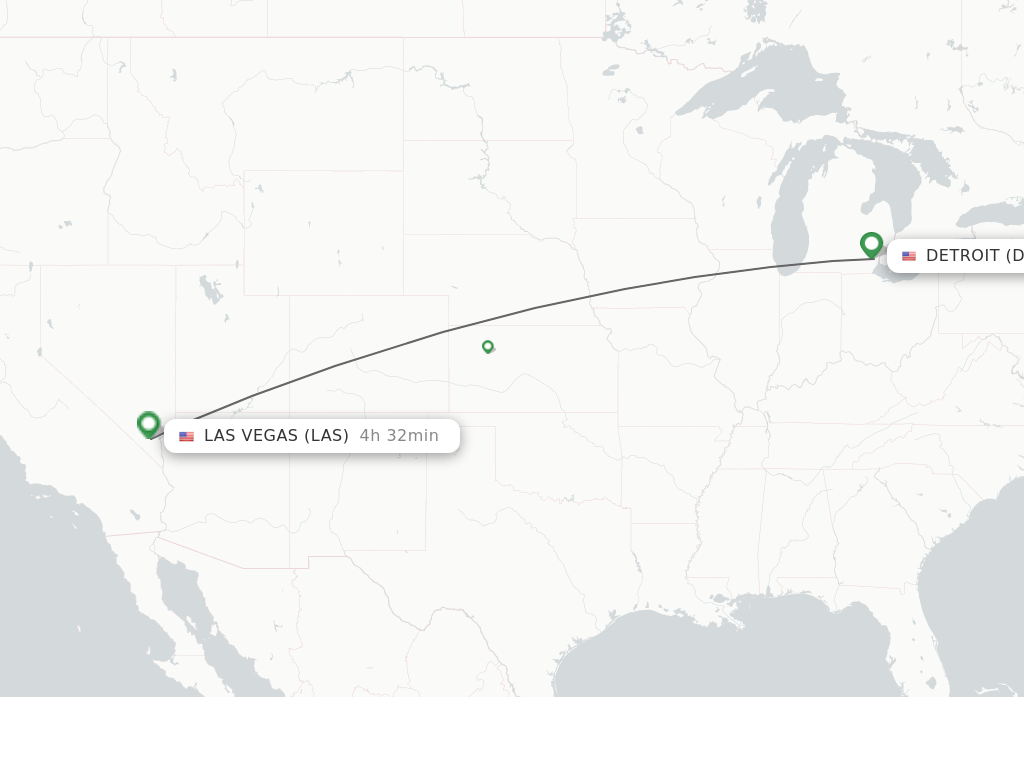
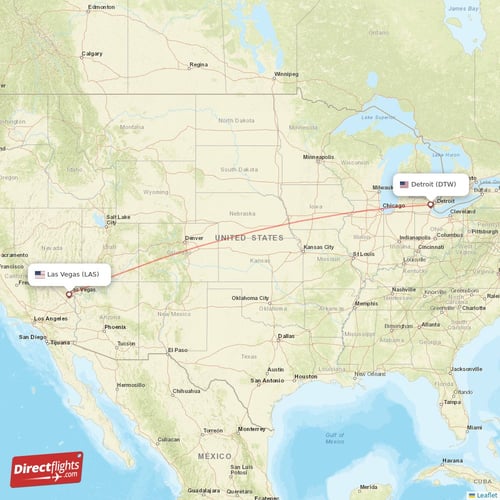
A direct flight from Detroit Metropolitan Wayne County Airport (DTW) to Harry Reid International Airport (LAS) typically spans an average of 4 hours and 30 minutes to 4 hours and 50 minutes. This estimate covers the time from take-off to landing, excluding taxiing to and from the gate or any ground delays. The approximate air distance covered is around 1,750 miles (2,816 kilometers).
It’s important to consider the time zone change when planning your arrival. Detroit operates on Eastern Time Zone (ET), while Las Vegas is on Pacific Time Zone (PT). This means there’s a three-hour time difference. For example, if you depart Detroit at 10:00 AM ET on a 4-hour, 45-minute flight, you would arrive in Las Vegas around 2:45 PM ET, which is 11:45 AM PT. This “gain” of three hours can be beneficial for travelers, allowing for more daylight hours upon arrival in Las Vegas than the actual flight duration suggests.
Key Factors Influencing Flight Time
While the average provides a good baseline, several variables can subtly alter the actual flight duration:
- Aircraft Type: Different aircraft models have varying cruising speeds. For instance, a Boeing 737 or an Airbus A320 (common aircraft on this route) will have slightly different performance capabilities. Newer, more efficient planes might shave a few minutes off the journey.
- Headwinds/Tailwinds: Wind conditions play a significant role. Flying west from Detroit to Las Vegas, flights often encounter headwinds, which can slow the aircraft down and add 10-20 minutes to the flight time. Conversely, a strong tailwind could shorten the flight. The jet stream, a powerful current of air, can be a major factor in these variations.
- Air Traffic Control (ATC) Delays: Congestion at either Detroit Metropolitan Wayne County Airport or Harry Reid International Airport, or along the flight path, can lead to delays in departure, in-air holding patterns, or slower taxi times, all of which extend the total travel duration.
- Route Optimization: Pilots and air traffic controllers continuously optimize flight paths to account for weather, turbulence, and other air traffic, which can lead to minor adjustments in the route that slightly impact flight time. Flying over the vast expanses of the Midwest and the Rockies generally offers more flexibility in routing.
Navigating Airline Options and Connecting Flights
Choosing the right airline and understanding the implications of direct versus connecting flights are pivotal for planning your trip.
Direct Flight Providers from Detroit
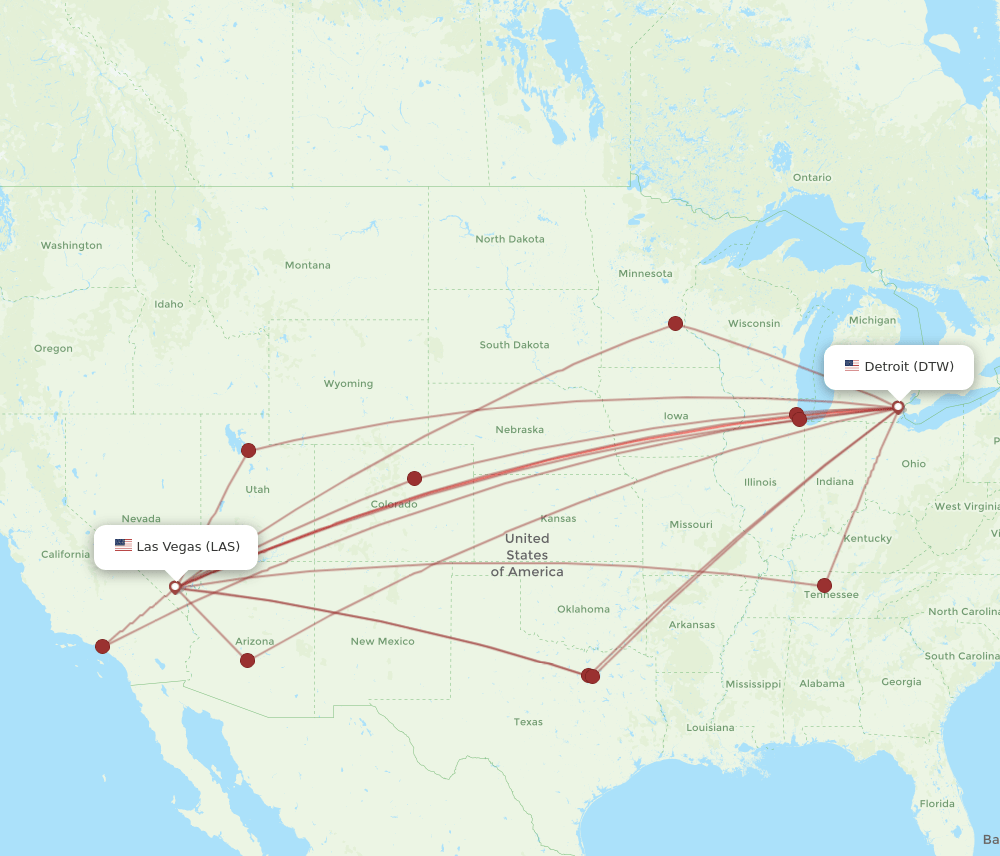
Several major carriers offer direct service from Detroit to Las Vegas, providing travelers with a range of options based on budget, loyalty programs, and preferred amenities:
- Delta Air Lines: Often considered the dominant carrier at Detroit Metropolitan Wayne County Airport, Delta Air Lines frequently offers multiple daily non-stop flights to Las Vegas. Their service typically includes various cabin classes and in-flight entertainment options.
- Spirit Airlines: Known for its ultra-low-cost model, Spirit Airlines provides a budget-friendly direct option. While the base fare is low, travelers should factor in costs for baggage, seat selection, and other amenities.
- Southwest Airlines: Southwest Airlines also operates direct flights on this route, known for its customer-friendly policies, such as two free checked bags and open seating.
Frequencies for these direct flights can vary by season, with more options typically available during peak travel periods and weekends. It’s advisable to check airline schedules well in advance of your desired travel date.
The Reality of Connecting Journeys
While direct flights are preferred for their speed, connecting flights are sometimes a necessary or chosen alternative. Travelers might opt for a connecting flight due to:
- Cost Savings: Flights with layovers can often be significantly cheaper than direct options, especially if booked last-minute or during high-demand periods.
- Specific Airline Preference: If your preferred airline does not offer direct service, or you have loyalty status with a carrier that only offers connecting routes, you might choose a flight with a layover.
- Schedule Flexibility: Connecting flights might offer more convenient departure or arrival times that align better with your overall itinerary.
Common layover cities for flights between Detroit and Las Vegas include major hubs like Chicago (ORD or MDW), Denver (DEN), Dallas (DFW or DAL), and Atlanta (ATL). The total travel time for a connecting flight can range from 6 to 10+ hours, depending on the length of the layover and the efficiency of the connection. While longer, some travelers appreciate the opportunity to stretch their legs, grab a meal, or catch up on work during the layover.
Optimizing Your Flight Experience: Timing and Booking
Strategic planning can significantly enhance your journey from Detroit to Las Vegas, from securing the best fares to ensuring a comfortable travel day.
Seasonal and Daily Considerations
The time of year and even the day of the week can impact your flight experience:
- Peak Seasons: Las Vegas experiences various peak seasons driven by major conventions, holidays (e.g., New Year’s Eve, Super Bowl weekend), and school breaks. During these times, flight prices tend to be higher, and availability might be limited, though the flight duration itself remains constant. Booking well in advance is paramount.
- Weather Impacts: Winter in Michigan can bring snow and ice, potentially leading to de-icing delays at Detroit Metropolitan Wayne County Airport. While Nevada is generally sunny, extreme summer heat in Las Vegas can occasionally cause minor operational adjustments for aircraft.
- Day of the Week: Flights on Tuesdays, Wednesdays, and Saturdays are often less expensive and less crowded than those on Fridays and Sundays, which are popular travel days for weekend getaways to Las Vegas.
Booking Strategies for a Smooth Trip
Effective booking strategies can make a substantial difference in both cost and convenience:
- Book in Advance: For the best fares and widest selection of seats and flight times, aim to book your tickets several weeks or even months ahead, especially if your travel dates coincide with peak periods.
- Use Flight Comparison Sites: Websites like Google Flights, Skyscanner, or Kayak allow you to compare prices across multiple airlines and identify the most cost-effective or time-efficient options.
- Consider Baggage Policies: Low-cost carriers like Spirit Airlines charge for carry-on and checked bags, which can add considerably to the total cost. Factor these fees into your budget when comparing options.
- Seat Selection: If comfort is a priority, consider paying for advance seat selection, especially for window or aisle seats, or seats with extra legroom.
- Check In Online: Most airlines offer online check-in 24 hours before departure, saving you time at the airport and allowing you to receive your boarding pass digitally.
Preparing for Departure from DTW and Arrival at LAS
A well-prepared traveler ensures that the airport experience, both departing and arriving, is as seamless as the flight itself.
Departing from Detroit Metropolitan Wayne County Airport
Detroit Metropolitan Wayne County Airport (DTW) is a major international hub, known for its efficiency and modern facilities.
- Arrive Early: For domestic flights, arriving at least 2 hours before your scheduled departure time is recommended to allow ample time for check-in, baggage drop-off, and security screening, especially during peak travel hours.
- Terminal Navigation: Most major airlines operate out of the McNamara Terminal, a long, linear concourse with a useful tram system. Budget carriers might use the North Terminal (now called the Evans Terminal). Know your terminal in advance.
- Security: Be prepared for TSA screening by having your ID ready, liquids in proper containers, and electronics easily accessible.
- Amenities: DTW offers a wide array of dining, shopping, and lounge options to make your pre-flight wait comfortable.
Landing at Harry Reid International Airport
Upon arrival in Las Vegas, Harry Reid International Airport (LAS) provides several options for ground transportation to get you to your final destination on the Las Vegas Strip or downtown.
- Airport Layout: LAS has two main terminals, Terminal 1 and Terminal 3, connected by a free shuttle. Most flights will arrive at one of these, and then travelers proceed to baggage claim and ground transport.
- Ground Transportation:
- Taxis & Ride-Shares: Both are readily available from designated pick-up areas outside baggage claim. Expect a ride to the Las Vegas Strip to take 10-20 minutes, depending on traffic and your hotel’s location.
- Shuttles: Shared-ride shuttles offer a more economical option, dropping passengers off at various hotels. These can take longer due to multiple stops.
- Public Transit/Monorail: The Las Vegas Monorail does not directly serve the airport but is accessible via a short taxi or ride-share to one of its stations on the Strip.
- Rental Cars: Numerous rental car agencies operate off-site, with free shuttle service from the airport terminals to the consolidated rental car facility.
Factor in an additional 30-60 minutes after landing for deplaning, baggage claim, and securing ground transportation, especially if you’re eager to hit the Las Vegas Strip.
Making the Most of Your Journey
The nearly five-hour flight from Detroit to Las Vegas offers a perfect opportunity to relax, prepare for your trip, or catch up on entertainment.
In-Flight Comfort and Productivity
- Entertainment: Many airlines offer in-flight entertainment systems with movies, TV shows, and games. Consider downloading your own movies, podcasts, or e-books beforehand to your personal devices.
- Stay Hydrated: The dry cabin air can be dehydrating. Drink plenty of water throughout the flight.
- Move Around: Stand up and stretch periodically to improve circulation, especially on longer flights.
- Adjust to Time Change: Start adjusting to Pacific Time Zone in advance by shifting your sleep schedule slightly or by immediately switching your watch upon boarding.
The Appeal of the Detroit to Las Vegas Route
This route connects a region known for its industrial heritage and cultural revival with one of the world’s premier destinations for entertainment, conventions, and unique experiences. The relatively short direct flight time makes a weekend getaway or a quick business trip highly feasible. Whether you’re heading to Las Vegas for its vibrant nightlife, world-class dining, spectacular shows, or bustling convention centers, the journey from Detroit is a well-traveled path that promises efficient access to the “Entertainment Capital of the World.”
LifeOutOfTheBox is a participant in the Amazon Services LLC Associates Program, an affiliate advertising program designed to provide a means for sites to earn advertising fees by advertising and linking to Amazon.com. Amazon, the Amazon logo, AmazonSupply, and the AmazonSupply logo are trademarks of Amazon.com, Inc. or its affiliates. As an Amazon Associate we earn affiliate commissions from qualifying purchases.