
Unveiling Detroit’s Aerial Gateways
For travelers planning a journey to or from the vibrant Motor City, understanding the local airport landscape is paramount. While the question “How many airports in Detroit?” might seem straightforward, the answer depends on whether one is referring to major commercial hubs, smaller general aviation fields, or cargo-focused facilities within the immediate metropolitan area. From a commercial passenger travel perspective, the clear answer points to one dominant international gateway, complemented by a handful of other facilities serving different purposes.
Detroit Metropolitan Wayne County Airport (DTW): The Primary Hub
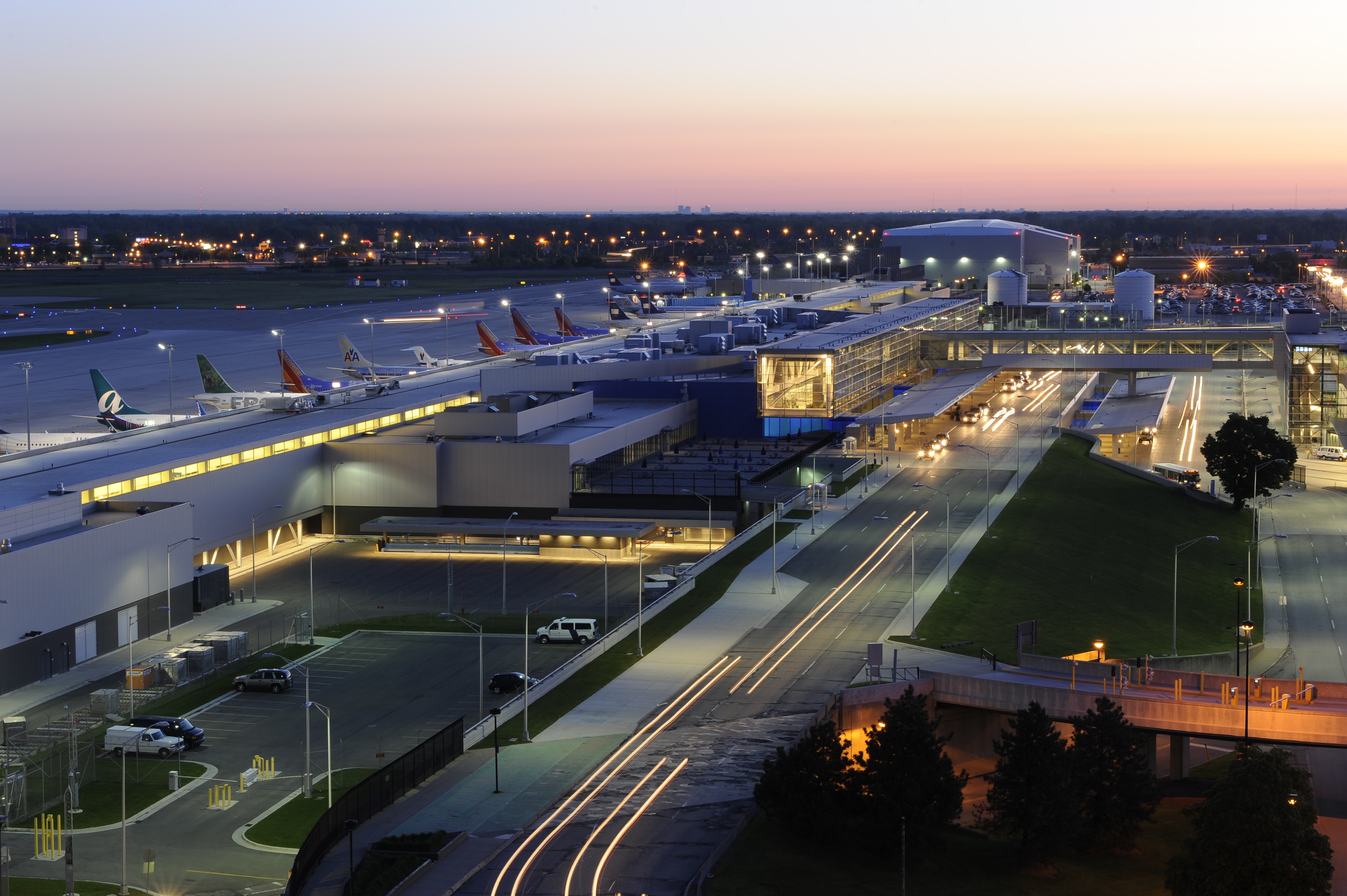
For the vast majority of travelers, when considering air travel to Detroit, there is one overwhelmingly significant airport: Detroit Metropolitan Wayne County Airport (DTW). Located in Romulus, Michigan, approximately 20 miles southwest of downtown Detroit, DTW stands as one of the busiest and most crucial air travel facilities in the United States. It serves as a major hub for Delta Air Lines and a significant operating base for Spirit Airlines, connecting Detroit to an extensive network of domestic and international destinations across North America, Europe, and Asia. Managed by the Wayne County Airport Authority, DTW handles millions of passengers annually, making it the undeniable primary entry point for air travelers.
Beyond DTW: General Aviation and Smaller Fields
While DTW is the undisputed leader for commercial passenger flights, the broader Detroit area also hosts other airports that cater to different aviation needs. These typically include general aviation, corporate charters, cargo, and flight training, rather than scheduled commercial passenger services for the general public.
-
Coleman A. Young International Airport (DET): Often referred to as Detroit City Airport, this airport is situated within Detroit itself, just east of downtown. Historically, it served as Detroit’s primary airport, but commercial passenger service dwindled with the rise of DTW. Today, DET primarily handles general aviation, corporate jets, and cargo operations. While it offers convenience for private flyers close to the city center, it does not provide scheduled commercial flights for travelers.
-
Willow Run Airport (YIP): Located near Ypsilanti, approximately 15 miles west of DTW, Willow Run Airport is another significant facility in the Metro Detroit area. It focuses heavily on cargo, corporate, and general aviation operations, with no scheduled commercial passenger service. Its historical significance, particularly during World War II as a bomber plant, is notable, but for the modern commercial traveler, it remains outside the scope of their typical travel plans.
In summary, for direct commercial passenger travel into or out of Detroit, Detroit Metropolitan Wayne County Airport (DTW) is the singular and essential airport. Other regional airports serve critical roles within the aviation ecosystem but do not offer the same public commercial air travel options.
Navigating DTW: A Traveler’s Guide
For those flying into Detroit, understanding the layout and offerings of Detroit Metropolitan Wayne County Airport (DTW) is key to a smooth travel experience. DTW is a modern, efficient airport designed to handle a high volume of traffic with ease.
Terminals and Airlines
DTW is comprised of two primary terminals: the McNamara Terminal and the North Terminal (re-named the Evans Terminal in 2022, though many still refer to it by its former name).
-
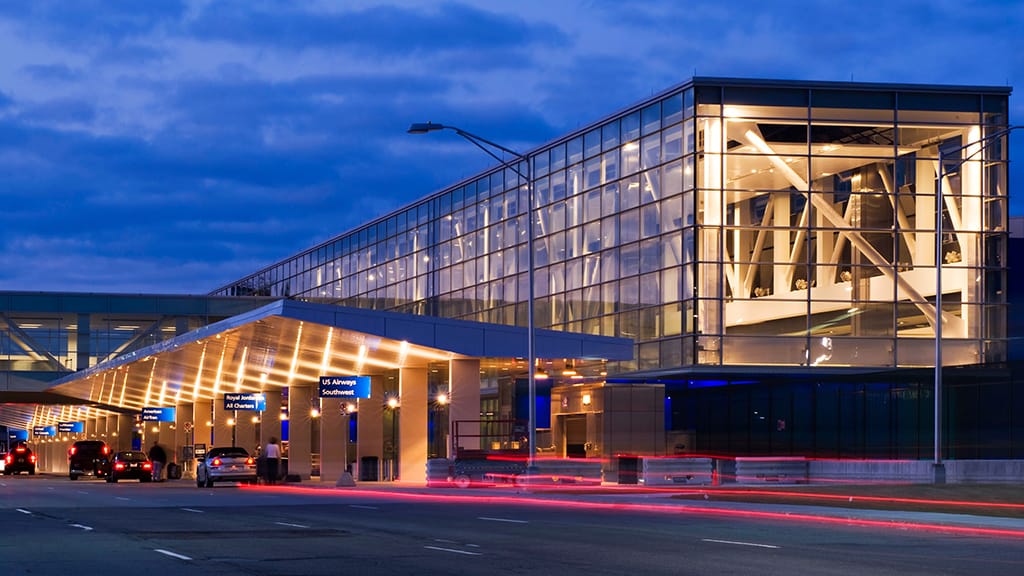
McNamara Terminal: This is the larger and more prominent terminal, serving as the global hub for Delta Air Lines and its SkyTeam partners, including Aeromexico and Air France. It features three concourses (A, B, and C), connected by an automated tram system (the ExpressTram) running the length of Concourse A, making transfers efficient. The terminal is known for its impressive architecture, extensive dining and retail options, and the iconic water feature in the central link.
-
North Terminal (Evans Terminal): This terminal hosts all other airlines operating at DTW, including American Airlines, Southwest Airlines, United Airlines, Spirit Airlines, Frontier Airlines, and international carriers like Lufthansa and Air Canada. While slightly smaller, it still offers a comprehensive array of services, shops, and restaurants. A free shuttle bus connects the North Terminal to the McNamara Terminal for passengers needing to transfer between airlines.
Ground Transportation and Connectivity
Upon arrival at DTW, travelers have multiple reliable options for reaching their final destination in Detroit or the surrounding areas.
- Rental Cars: Both terminals house major rental car companies, offering a convenient way to explore Michigan at your own pace.
- Taxis and Ride-Shares: Official taxi services and popular ride-sharing apps (Uber, Lyft) are readily available from designated pick-up zones outside both terminals.
- Public Transportation: The SMART Bus system provides limited routes connecting the airport to various points in Metro Detroit, though it may require transfers and longer travel times.
- Airport Shuttles: Many Detroit hotels offer complimentary shuttle services, and private shuttle companies can be booked for personalized transport.
Amenities and Services for the Modern Traveler
DTW is renowned for its passenger-centric design and extensive amenities, ensuring a comfortable and efficient travel experience.
Travelers can enjoy free Wi-Fi throughout both terminals, numerous charging stations, pet relief areas, and nursing suites. A wide selection of dining options, from fast food to sit-down restaurants, caters to all tastes, alongside diverse retail stores for last-minute souvenirs or travel essentials. Art installations and public spaces add to the welcoming atmosphere, making layovers or waiting times more enjoyable.
Strategic Importance of Detroit’s Airports for Travel
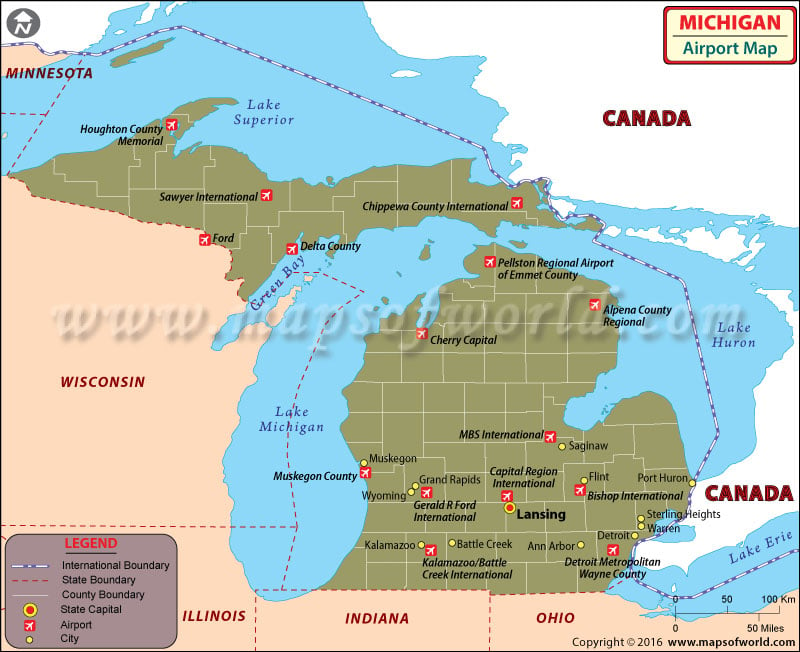
Detroit’s primary airport, DTW, plays a pivotal role far beyond merely facilitating flights. It is a strategic asset for the region, influencing everything from global connectivity to local economic vitality. Its robust operations underscore Detroit’s resurgence and its continued position as a key player in various industries.
Connecting the Motor City to the World
As a major hub for Delta Air Lines, DTW offers direct flights to an impressive array of domestic and international destinations. This extensive network is crucial for residents, businesses, and tourists alike. Travelers from Detroit can easily reach major cities across the United States like Chicago, New York, and Los Angeles, as well as significant global centers in Europe and Asia. This connectivity not only enables seamless personal travel but also positions Detroit as an accessible destination for international visitors. The proximity to the Canadian border, with Windsor just across the river, further enhances DTW’s international draw, serving as a convenient gateway for many Canadian travelers as well.
Facilitating Business and Leisure Travel
The comprehensive air service at DTW is indispensable for the region’s diverse economic landscape. For the automotive industry giants like General Motors, Ford, and Stellantis, regular travel for executives, suppliers, and international partners is a constant necessity. DTW supports these critical business linkages, ensuring efficient movement of personnel and, via its cargo operations, vital components. Beyond automotive, Detroit’s growing tech sector, healthcare institutions, and educational establishments like the University of Michigan in nearby Ann Arbor also rely heavily on robust air connectivity.
Leisure travel, too, receives a significant boost from DTW. The airport acts as the first impression for tourists eager to explore Detroit’s revitalized downtown, historic neighborhoods, renowned museums, and burgeoning culinary scene. Easy access facilitates tourism growth, bringing vital revenue and cultural exchange to the area.
Economic Impact on the Region
DTW is a massive economic engine for Southeastern Michigan. It directly employs thousands of people in various capacities—from airline staff and baggage handlers to retail workers and security personnel. Indirectly, its operations support a vast ecosystem of businesses, including ground transportation providers, hotels, restaurants, and suppliers. The airport’s presence attracts new businesses to the area, driving investment and job creation. Furthermore, its efficient cargo operations are crucial for global supply chains, reinforcing Detroit’s role in manufacturing and trade.
Choosing the Right Airport for Your Detroit Journey
While Detroit Metropolitan Wayne County Airport (DTW) is the default for most travelers, considering your specific needs can sometimes influence your travel planning, particularly if you have unique requirements.
Considerations for Commercial Flights
For virtually all commercial passenger travel, DTW is your only practical option. When booking flights, ensure your destination or origin airport code is DTW.
Factors to consider when flying through DTW:
- Terminal Assignment: Check your airline’s terminal (McNamara or North/Evans) in advance to streamline arrival and departure.
- Ground Transport: Plan your onward journey from DTW to your final destination in Detroit, Ann Arbor, or other Metro Detroit suburbs. Rental cars are recommended for maximum flexibility if exploring beyond the immediate city center.
- International Travel: DTW efficiently handles customs and immigration for international arrivals, providing a smooth entry experience into the United States.
Options for Private and Charter Services
If your travel needs extend beyond scheduled commercial flights—such as private jet charters, corporate travel, or specialized cargo—the other airports in the region become relevant.
- Coleman A. Young International Airport (DET): Ideal for corporate clients or private flyers needing quick access to downtown Detroit. Its close proximity to the city center makes it a strategic choice for business travelers seeking to minimize ground travel time.
- Willow Run Airport (YIP): Primarily serves cargo operations and is a significant base for corporate and general aviation, particularly for larger private aircraft or specific logistical needs. While further from Detroit city center than DET, it offers extensive runway capacity and facilities.
These alternative airports provide valuable services for niche aviation needs but are not typically used by the general public for commercial passenger travel.
Proximity to Detroit and Surrounding Areas
DTW is conveniently located to serve not only Detroit proper but also a wide swath of Southeastern Michigan and even parts of Ohio and Canada. Its central location within the Metro Detroit area means most destinations are within a reasonable driving distance, typically 30-60 minutes depending on traffic. This accessibility reinforces DTW’s status as the single most important travel gateway to the region.
Future of Air Travel in Detroit
Detroit’s commitment to maintaining a world-class travel infrastructure is evident in the ongoing investments and forward-thinking strategies applied to its primary airport. The future of air travel here promises even greater efficiency, expanded services, and enhanced passenger experiences.
Ongoing Developments and Upgrades
DTW is continuously undergoing improvements to modernize facilities and accommodate future growth. Recent projects have included upgrades to runways and taxiways, enhancements to baggage handling systems, and renovations within the terminals to improve passenger flow and comfort. The Wayne County Airport Authority regularly assesses infrastructure needs to ensure the airport remains competitive and capable of handling increasing passenger volumes and larger aircraft. Future plans often focus on sustainability initiatives, technological integrations, and optimizing operational efficiency, all geared towards a seamless traveler experience.
Impact of Technology on the Traveler Experience
Technology is rapidly reshaping the air travel landscape, and DTW is at the forefront of adopting innovations. Expect to see continued integration of biometric scanning for expedited security and boarding, advanced navigation and air traffic control systems, and improved digital tools for passengers. Mobile apps provide real-time flight information, parking availability, and navigation within the terminals. Automated self-service kiosks for check-in and baggage drop-off are becoming standard, reducing wait times and allowing travelers more control over their journey. These technological advancements are set to make traveling through Detroit’s primary airport even more intuitive and less stressful, solidifying its reputation as a preferred gateway for both domestic and international travelers.
LifeOutOfTheBox is a participant in the Amazon Services LLC Associates Program, an affiliate advertising program designed to provide a means for sites to earn advertising fees by advertising and linking to Amazon.com. Amazon, the Amazon logo, AmazonSupply, and the AmazonSupply logo are trademarks of Amazon.com, Inc. or its affiliates. As an Amazon Associate we earn affiliate commissions from qualifying purchases.