
Detroit, often referred to as the Motor City, has undergone a remarkable transformation over the past decade, shifting its narrative from one of decline to a compelling story of resurgence and innovation. For those considering a move to this historic Midwestern hub, the question “Is Detroit a nice place to live?” evokes a complex but increasingly positive answer. The city offers a unique blend of affordability, a burgeoning job market, rich cultural heritage, and a strong sense of community that appeals to a diverse range of residents, from young professionals and artists to families and entrepreneurs.
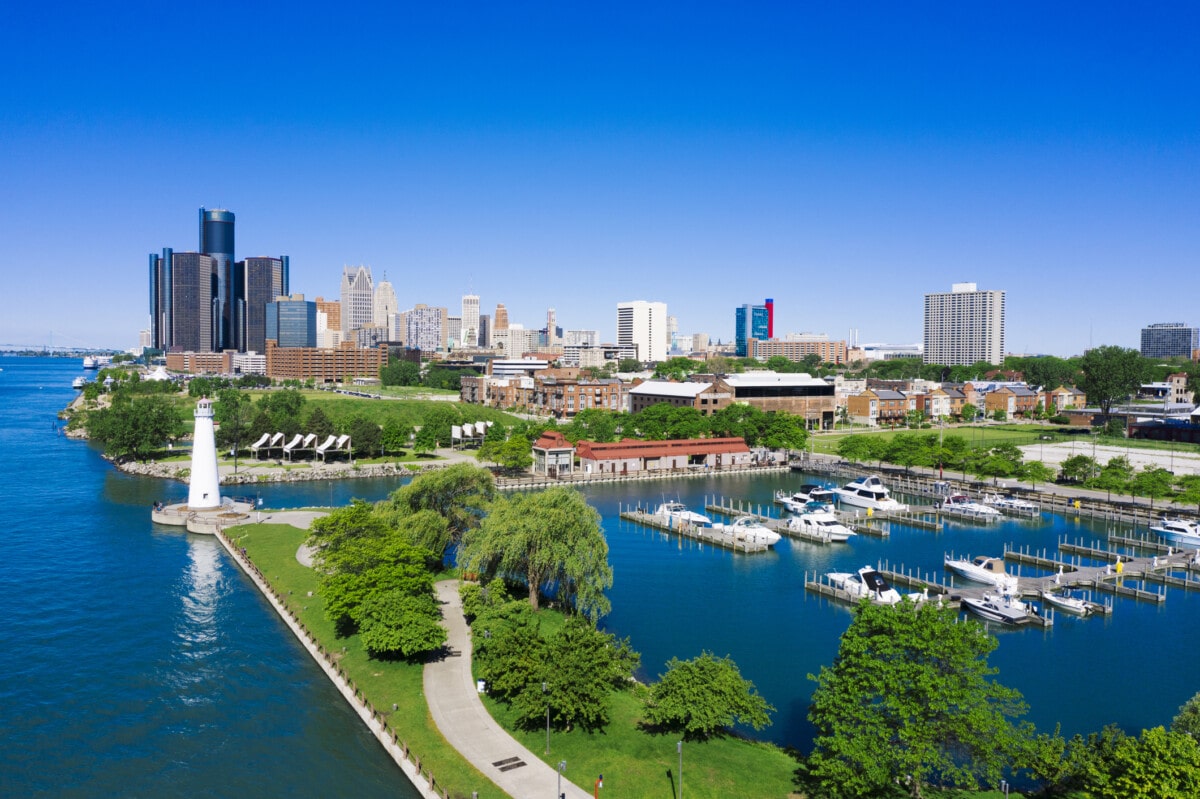
The Resurgence of the Motor City’s Economy
The economic landscape of Detroit has been dramatically reshaped, moving beyond its traditional automotive roots to embrace a more diversified, forward-looking economy. This revitalization is a primary draw for new residents seeking opportunity and growth.
A Diversifying Job Market
While the automotive industry, with giants like General Motors, Ford Motor Company, and Stellantis, remains a cornerstone, Detroit’s job market has expanded significantly into sectors like technology, healthcare, and finance. Tech startups are increasingly choosing Detroit for its lower operating costs and access to a skilled workforce, creating a vibrant innovation ecosystem. Healthcare, anchored by major institutions such as Henry Ford Health System and Detroit Medical Center, provides numerous employment opportunities. The city’s downtown and midtown areas, once quiet after business hours, now buzz with activity, reflecting a robust increase in urban employment and residential living. This economic renaissance has fostered a dynamic environment where individuals can find diverse career paths and contribute to a city actively rebuilding itself.
Urban Development and Investment
Vast investments, both public and private, have poured into Detroit’s urban core and surrounding neighborhoods. The transformation of downtown Detroit is perhaps the most visible aspect of this revival, with renovated historic buildings housing new businesses, restaurants, and residential units. Campus Martius Park serves as a central gathering place, hosting events year-round, while the QLine streetcar connects Downtown with Midtown and New Center, improving connectivity and spurring further development along its route. Beyond the core, neighborhood revitalization initiatives are empowering local communities, fostering small businesses, and improving infrastructure, contributing to a more equitable and livable city for all residents.
A Tapestry of Culture and Community
Detroit is a city steeped in history and culture, boasting a vibrant arts scene, a legendary music legacy, and a strong, resilient community spirit. These elements are integral to its identity and significantly enhance the quality of life for its inhabitants.
Arts, Music, and Culinary Delights
The city’s cultural offerings are extensive and diverse. The Detroit Institute of Arts (DIA) houses one of the largest and most significant art collections in the United States, offering free admission to Wayne, Macomb, and Oakland County residents. Music is undeniably woven into Detroit’s fabric, from the iconic Motown Museum, celebrating the birthplace of a sound that changed the world, to its thriving techno and jazz scenes. Live music venues across the city showcase local and international talent, ensuring there’s always something for every taste.
Detroit’s culinary scene has also exploded, reflecting the city’s diverse ethnic makeup and innovative spirit. From classic coney islands and authentic Middle Eastern cuisine in Dearborn to upscale farm-to-table restaurants in Corktown and a burgeoning craft brewery scene, foodies will find an endless array of options. The city also hosts numerous food festivals and farmers’ markets, like the historic Eastern Market, which not only offer fresh produce but also serve as vital community gathering spots.
Neighborhood Dynamics and Green Spaces
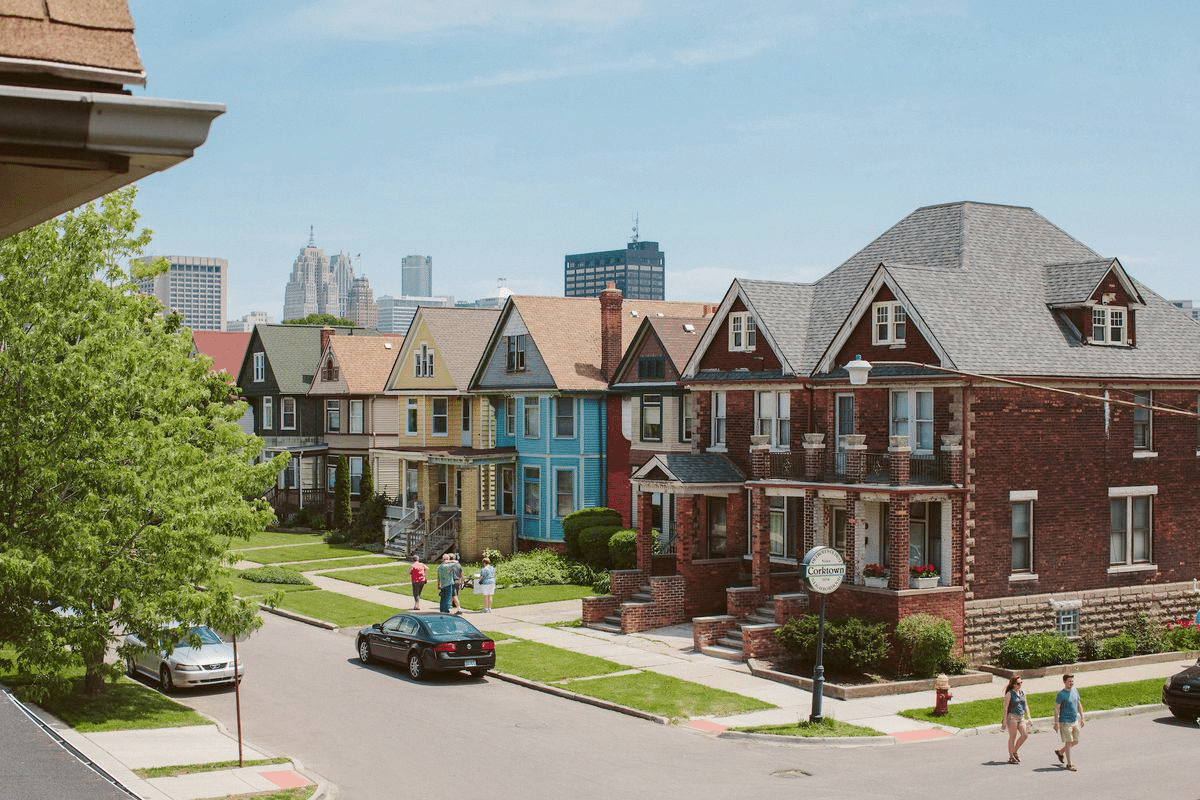
Detroit’s neighborhoods each possess distinct characteristics, fostering a strong sense of local identity and community. From the historic Victorian homes of Boston-Edison to the artistic enclaves of Mexicantown and the rapidly developing Midtown area, prospective residents can find a community that aligns with their lifestyle. Community gardens, neighborhood associations, and local events contribute to a vibrant, interconnected social fabric.
Despite its industrial past, Detroit offers ample green spaces for recreation and relaxation. The Detroit Riverwalk, stretching for miles along the Detroit River, provides stunning views of the Canadian skyline and features parks, plazas, and outdoor recreational opportunities. Belle Isle Park, a 982-acre island park designed by Frederick Law Olmsted, boasts an aquarium, conservatory, golf course, and ample space for picnics and sports. These natural amenities provide vital escapes and foster an active, outdoor lifestyle for residents.
Affordability and Urban Living
One of Detroit’s most compelling advantages as a place to live is its relative affordability, especially compared to other major U.S. cities. This economic accessibility, combined with improving urban infrastructure, makes city living attainable for many.
Cost of Living Advantages
Housing costs in Detroit are significantly lower than the national average, making homeownership or renting a more feasible prospect. While prices have been steadily rising in desirable areas, they remain attractive for individuals and families looking to maximize their budget. This affordability extends beyond housing to include transportation, utilities, and daily expenses. The ability to live comfortably without the exorbitant costs associated with coastal cities or other major Midwest hubs is a major draw, allowing residents more disposable income for cultural experiences, dining, or savings. This financial flexibility supports a higher quality of life for many.
Real Estate Market Trends
The real estate market in Detroit is dynamic and varied. While many neighborhoods offer affordable options, particularly those undergoing revitalization, areas like Midtown, Corktown, and Downtown have seen substantial appreciation, reflecting increased demand for urban living. There’s a wide array of housing styles, from historic single-family homes in established neighborhoods to modern lofts and apartments in the urban core. For those willing to invest time and effort, many homes offer opportunities for renovation, allowing residents to create personalized living spaces while building equity in a growing market. The trend indicates a stable and appreciating market, signaling a good investment for long-term residents.
Challenges and Future Outlook
While Detroit’s revitalization is undeniable, it is important to acknowledge that the city still faces challenges. However, the prevailing sentiment is one of progress and an unwavering commitment to a brighter future.
Addressing Persistent Issues
Like many large urban centers, Detroit grapples with issues such as crime rates in certain areas, disparities in educational attainment, and socio-economic inequality. Efforts are continuously underway to address these challenges through community-led initiatives, governmental programs, and non-profit partnerships focused on improving public safety, enhancing educational opportunities, and fostering economic inclusion across all neighborhoods. The city’s leadership and its residents are actively engaged in confronting these issues, demonstrating a collective commitment to creating a more equitable and secure environment for everyone.
A City on the Rise
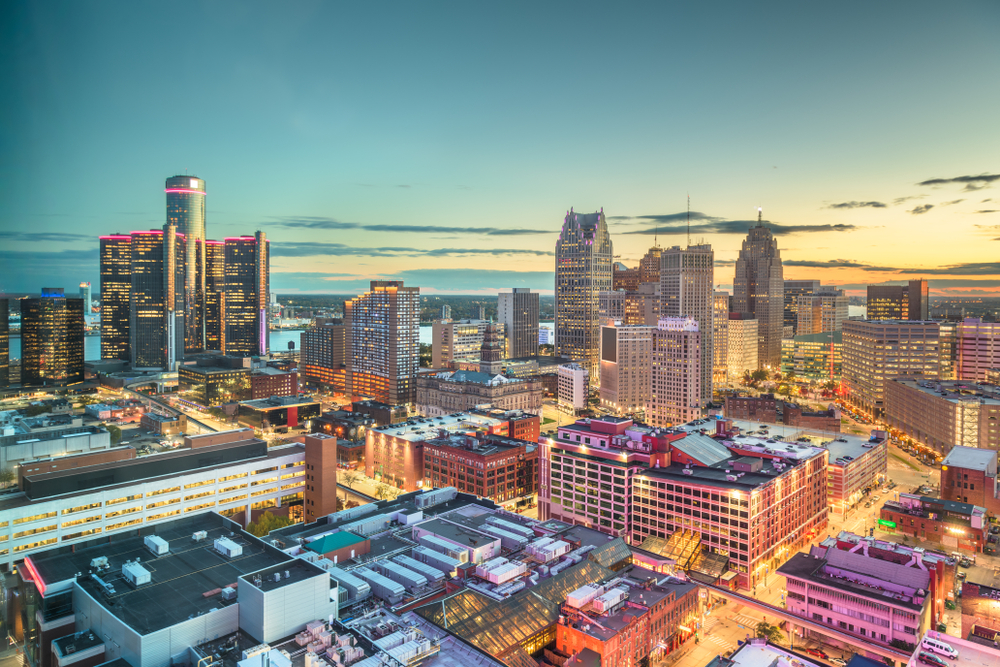
Despite its historical struggles and ongoing challenges, Detroit’s trajectory is decidedly upward. The city’s resilience, innovative spirit, and strong sense of community are its greatest assets. It is a place where history meets modernity, where grit meets grace, and where opportunities are abundant for those willing to embrace its unique character. Living in Detroit means being part of a living history, contributing to its ongoing rebirth, and enjoying a lifestyle that is both culturally rich and economically accessible. For those seeking an urban environment with genuine character, a burgeoning economy, and a strong sense of belonging, Detroit presents a compelling and increasingly attractive option for a nice place to live.
LifeOutOfTheBox is a participant in the Amazon Services LLC Associates Program, an affiliate advertising program designed to provide a means for sites to earn advertising fees by advertising and linking to Amazon.com. Amazon, the Amazon logo, AmazonSupply, and the AmazonSupply logo are trademarks of Amazon.com, Inc. or its affiliates. As an Amazon Associate we earn affiliate commissions from qualifying purchases.