
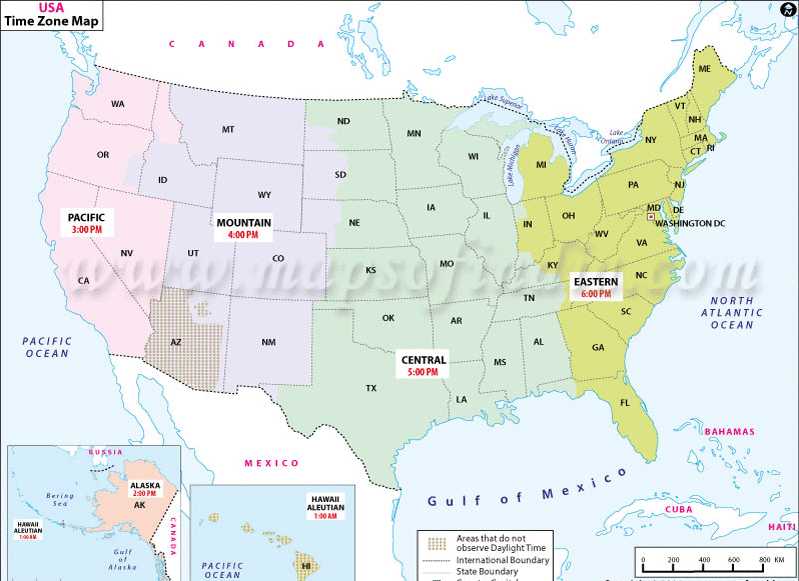
For travelers planning a visit to the dynamic city of Detroit, understanding its time zone is a fundamental aspect of trip preparation. Whether coordinating flights, scheduling business meetings, or simply planning sightseeing adventures, knowing the local time is paramount to a seamless experience. The straightforward answer to the question is yes: Detroit, like the entirety of Michigan, observes the Eastern Time Zone. This means it adheres to Eastern Standard Time (EST) during the cooler months and switches to Eastern Daylight Time (EDT) when Daylight Saving Time is in effect. For anyone venturing to this vibrant urban hub, grasping the nuances of this timekeeping system is key to maximizing their stay.
Understanding Detroit’s Time Zone for Travelers
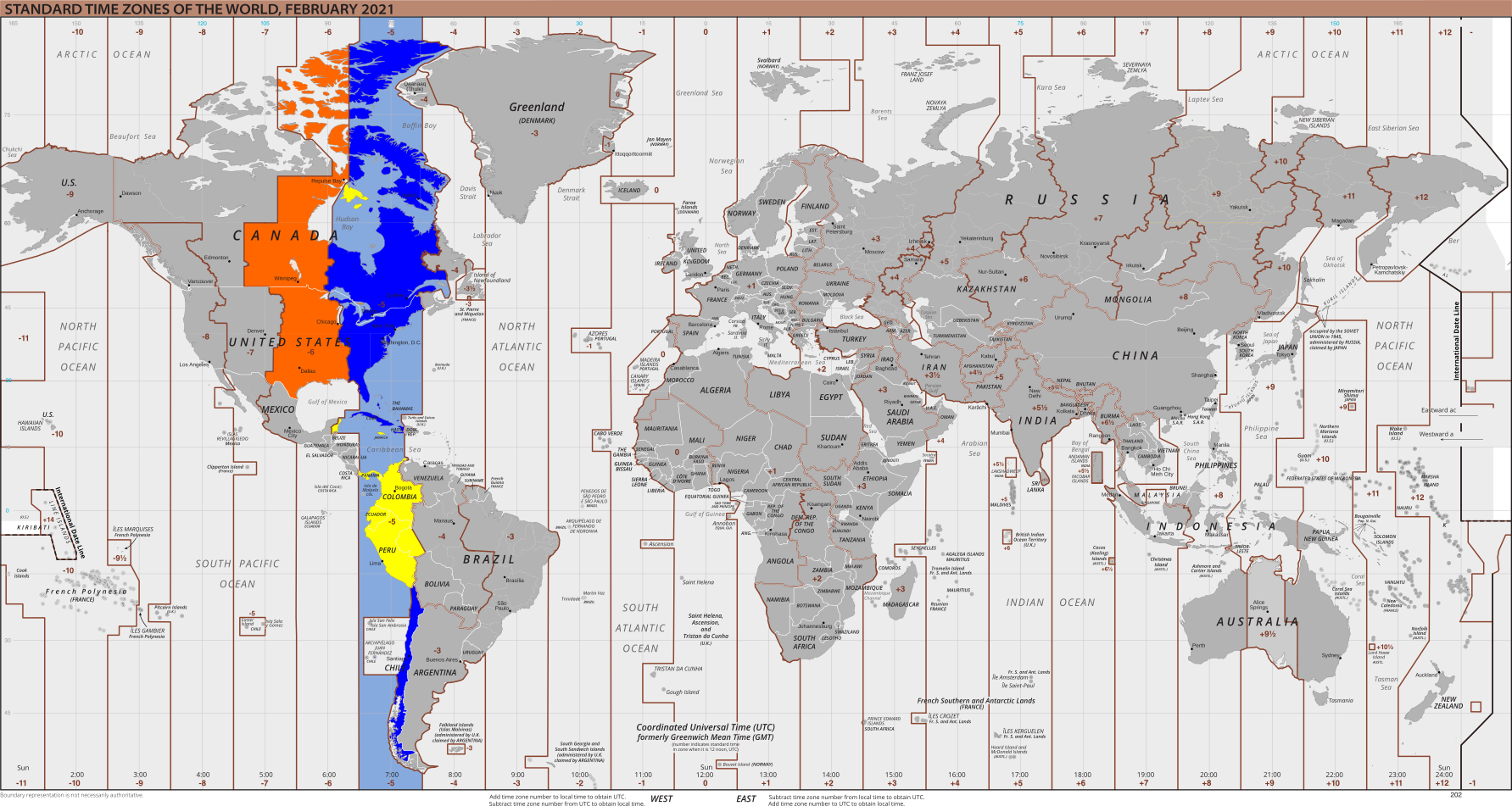
The Eastern Time Zone encompasses a significant portion of the eastern United States and Canada, and Detroit is firmly situated within it. This geographical alignment has specific implications for travelers, from managing arrival times to planning daily excursions.
The Eastern Time Zone Explained
The Eastern Time Zone is observed as UTC-5 during Eastern Standard Time (EST) and UTC-4 during Eastern Daylight Time (EDT). This means that during standard time, Detroit is five hours behind Coordinated Universal Time. When Daylight Saving Time kicks in, the clocks spring forward by one hour, making it only four hours behind UTC. This shift usually occurs on the second Sunday in March and reverts on the first Sunday in November. For international travelers, particularly those arriving from continents like Europe or Asia, this five or four-hour difference requires careful consideration for travel plans and personal adjustment. Even domestic travelers from the Pacific or Mountain Time Zones will experience a significant time change, demanding proper preparation.
Daylight Saving Time in Michigan
Michigan fully participates in Daylight Saving Time. This annual tradition of adjusting clocks creates a noticeable change in daylight hours, especially in the evenings. For visitors, this means that during the spring and summer months, daylight extends later into the evening, providing more opportunities for outdoor activities, evening strolls, and enjoying Detroit’s vibrant nightlife and cultural scene. Conversely, during the fall and winter, evenings arrive earlier, which might influence decisions regarding outdoor activities or simply needing to account for earlier sunset times. It’s crucial for travelers to confirm whether their travel dates fall within EST or EDT to avoid confusion, especially when booking tours, making reservations, or planning events.
Why Time Zones Matter for Travelers
The importance of understanding Detroit’s time zone extends beyond mere curiosity. For travelers, it impacts everything from flight connections to waking up on time for an important meeting. Miscalculating time zones can lead to missed flights, late arrivals for pre-booked attractions, or even disrupting sleep patterns. Consider a traveler arriving from California. Their body clock will be three hours behind Detroit time, meaning an 8 AM meeting in Detroit feels like 5 AM to them. Such discrepancies can significantly affect energy levels and overall travel enjoyment. Therefore, meticulous planning with the local time zone in mind is a hallmark of a well-executed trip.
Planning Your Detroit Itinerary Around EST
Effective trip planning involves more than just selecting attractions; it requires integrating the local time into every aspect of the itinerary. For Detroit, this means aligning activities with the Eastern Time Zone.
Flights and Arrivals
When booking flights to Detroit Metropolitan Wayne County Airport (DTW), all arrival and departure times will be listed in local Detroit time. Travelers arriving from different time zones should calculate their personal “real-time” arrival to minimize stress and potential disorientation. For instance, if flying from the Central Time Zone, remember that Detroit will be one hour ahead. A flight arriving at 2 PM Detroit time will feel like 1 PM to your body clock. Factor in travel time from the airport, check-in at your accommodation, and any immediate plans. Using a world clock app on your smartphone or setting your watch to Detroit time upon departure can significantly ease the transition.
Business Meetings and Appointments
For business travelers, punctuality is paramount. All meetings, conferences, and appointments in Detroit will adhere to the local Eastern Time Zone. It is always advisable to confirm meeting times verbally or via email, explicitly stating the time zone (e.g., “10:00 AM EST/EDT”) to avoid any misunderstandings. Consider scheduling important meetings a day after your arrival if you’re traveling from a significantly different time zone, allowing your body to adjust and ensure you’re at your sharpest. This proactive approach can prevent delays and demonstrate professionalism.
Dining and Entertainment Schedules
Detroit’s vibrant dining scene and entertainment venues operate on the local clock. Restaurant reservation times, showtimes for theaters like the Fox Theatre, game schedules for sports teams at Comerica Park or Little Caesars Arena, and museum hours for institutions like the Henry Ford Museum or Detroit Institute of Arts will all be in EST/EDT. If you’re a foodie eager to experience Detroit’s culinary offerings, or a culture enthusiast looking to catch a live performance, ensure your reservations and attendance plans are accurately timed to the local schedule. Keep in mind that prime dining hours might feel earlier or later depending on your origin time zone.
Navigating Travel from Different Time Zones
Adjusting to a new time zone can be challenging, but with a few strategies, travelers can minimize the impact of jet lag and enjoy their trip to Detroit to the fullest.

Mitigating Jet Lag for Eastbound Travelers
Travelers heading eastward to Detroit often experience jet lag more acutely, as they are “losing” hours. To combat this, begin adjusting your sleep schedule a few days before your trip by going to bed an hour or two earlier each night. Upon arrival, expose yourself to natural light in the morning to help reset your circadian rhythm. Stay hydrated, avoid excessive caffeine and alcohol, and try to eat meals at local times. Resist the urge to nap for too long during the day, as this can disrupt your nighttime sleep. Engaging in light activities like walking along the Detroit Riverwalk can help you stay awake and acclimate.
Adjusting from Western Time Zones
For visitors from the Pacific or Mountain Time Zones, the time difference can be substantial. For example, Detroit is three hours ahead of the Pacific Time Zone. While eastbound travel is generally harder, westbound travel can still be disruptive. Try to sleep on the plane if possible and upon arrival, immediately switch to Detroit time. Plan active days and try to push through until a reasonable local bedtime, even if your body feels like it’s still earlier in the evening. Gradual adjustment to meal times can also aid in aligning your internal clock.
International Travel Considerations
International travelers, particularly those from Europe, face a significant time difference (e.g., London is five hours ahead of Detroit during EST). The key is to start adjusting even before you depart. Consider adjusting your watch to Detroit time as soon as you board your flight. Upon arrival, try to get as much natural light as possible during the day and minimize light exposure at night to encourage sleep. Planning a lighter itinerary for your first day can also be beneficial, allowing for rest and gradual acclimatization before diving into Detroit’s attractions like the Motown Museum or a visit to Campus Martius Park.
Experiencing Detroit by the Clock
Detroit’s unique offerings are best enjoyed when scheduled with an awareness of the local rhythm. From early morning visits to late-night entertainment, the city unfolds according to the Eastern Time Zone.
Morning Attractions and Early Starts
Many of Detroit’s renowned museums and cultural sites, such as the Henry Ford Museum in Dearborn or the Detroit Institute of Arts, typically open their doors around 9:00 AM or 10:00 AM EST/EDT. For early risers, this provides ample opportunity to enjoy a leisurely breakfast at a local diner before heading out. Planning early visits can often mean fewer crowds and a more intimate experience. For those coming from western time zones, these early starts might feel more natural initially, aligning better with their unadjusted body clock.
Afternoon Adventures and Peak Hours
Afternoons in Detroit are often bustling with activity. This is prime time for exploring neighborhoods, enjoying the outdoors at places like the Detroit Riverwalk, or diving into shopping districts. Lunch often peaks around 12:00 PM to 1:00 PM EST/EDT, and many tours or guided experiences might be scheduled for mid-afternoon. If traveling from a time zone that is behind Detroit, the afternoon might be when your energy levels start to dip, so planning for a coffee break or a brief rest can be helpful before continuing your explorations.
Evening Culture and Nightlife
As evening descends, Detroit truly comes alive with its vibrant culinary scene, live music venues, and entertainment options. Dinner reservations typically begin around 5:00 PM or 6:00 PM EST/EDT, with peak dining from 7:00 PM onwards. Concerts, theater productions at venues like the Fox Theatre, and sporting events usually kick off between 7:00 PM and 8:00 PM EST/EDT. For travelers who have adjusted to the local time, these hours offer a fantastic opportunity to immerse themselves in Detroit’s rich cultural tapestry. For those still adjusting, be mindful that 10:00 PM in Detroit might feel like 7:00 PM in their home time zone, potentially leading to later nights than intended.
Key Takeaways for Your Detroit Trip
Confirming Detroit’s time zone early in your planning process is a small but significant step towards a smooth and enjoyable trip. Being prepared for the time change, especially if traveling internationally or across multiple domestic time zones, can significantly enhance your travel experience.
Always Confirm Local Times
While Detroit consistently observes the Eastern Time Zone, it’s always wise to double-check opening hours, reservation times, and event schedules, especially during the transition periods for Daylight Saving Time. Many online platforms automatically convert times, but a quick verification can prevent any last-minute surprises. This is particularly important for cross-border visits, as the nearby Canadian city of Windsor, Ontario, also observes the Eastern Time Zone, making day trips straightforward in terms of time.
Practical Tips for Time Zone Management
To successfully manage the time difference, keep your devices updated to automatically switch time zones, wear a watch set to local Detroit time, and communicate clearly with anyone you are meeting regarding time zone specifics. Prioritize sleep and hydration, and try to expose yourself to natural light during the day to help your body adapt. By acknowledging and planning for Detroit’s Eastern Time Zone, travelers can focus less on their clocks and more on experiencing the vibrant energy and unique charm of this iconic American city.
LifeOutOfTheBox is a participant in the Amazon Services LLC Associates Program, an affiliate advertising program designed to provide a means for sites to earn advertising fees by advertising and linking to Amazon.com. Amazon, the Amazon logo, AmazonSupply, and the AmazonSupply logo are trademarks of Amazon.com, Inc. or its affiliates. As an Amazon Associate we earn affiliate commissions from qualifying purchases.