
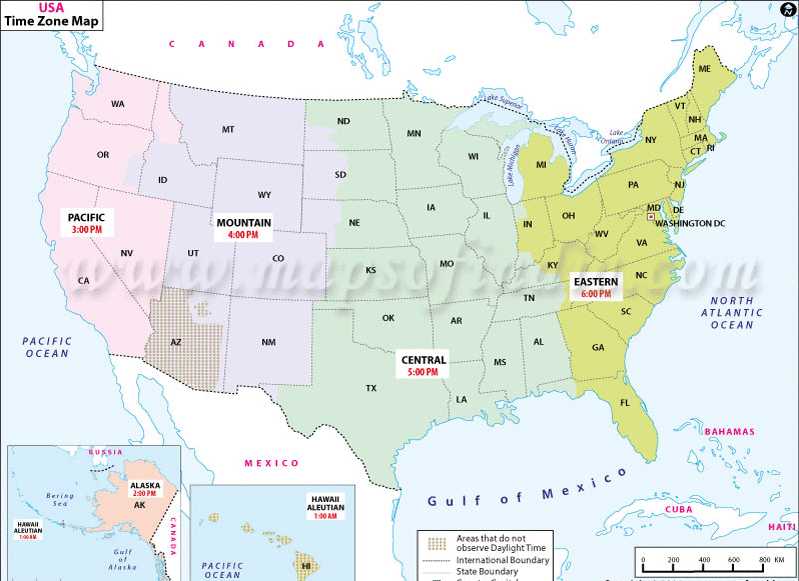
For any traveler planning a trip to a new destination, understanding the local time zone is a foundational piece of information. It impacts everything from flight schedules and hotel check-ins to museum hours and dinner reservations. When setting sights on the vibrant city of Detroit, a common and essential question arises: Is Detroit on Eastern Standard Time? The simple answer is yes, Detroit observes the Eastern Time Zone. However, the implications for your travel experience extend far beyond a simple confirmation.
Understanding Time Zones: A Traveler’s Essential Guide
Time zones are geographical regions that observe a uniform standard time. They are crucial for orchestrating global activities, but for travelers, they are the silent architects of your itinerary. Knowing the correct time zone for your destination is paramount for seamless travel planning and execution. It ensures you arrive at the airport on time for your connecting flight, don’t miss that crucial reservation at a popular Detroit restaurant, or show up too early or too late for a guided tour of the Motown Museum.

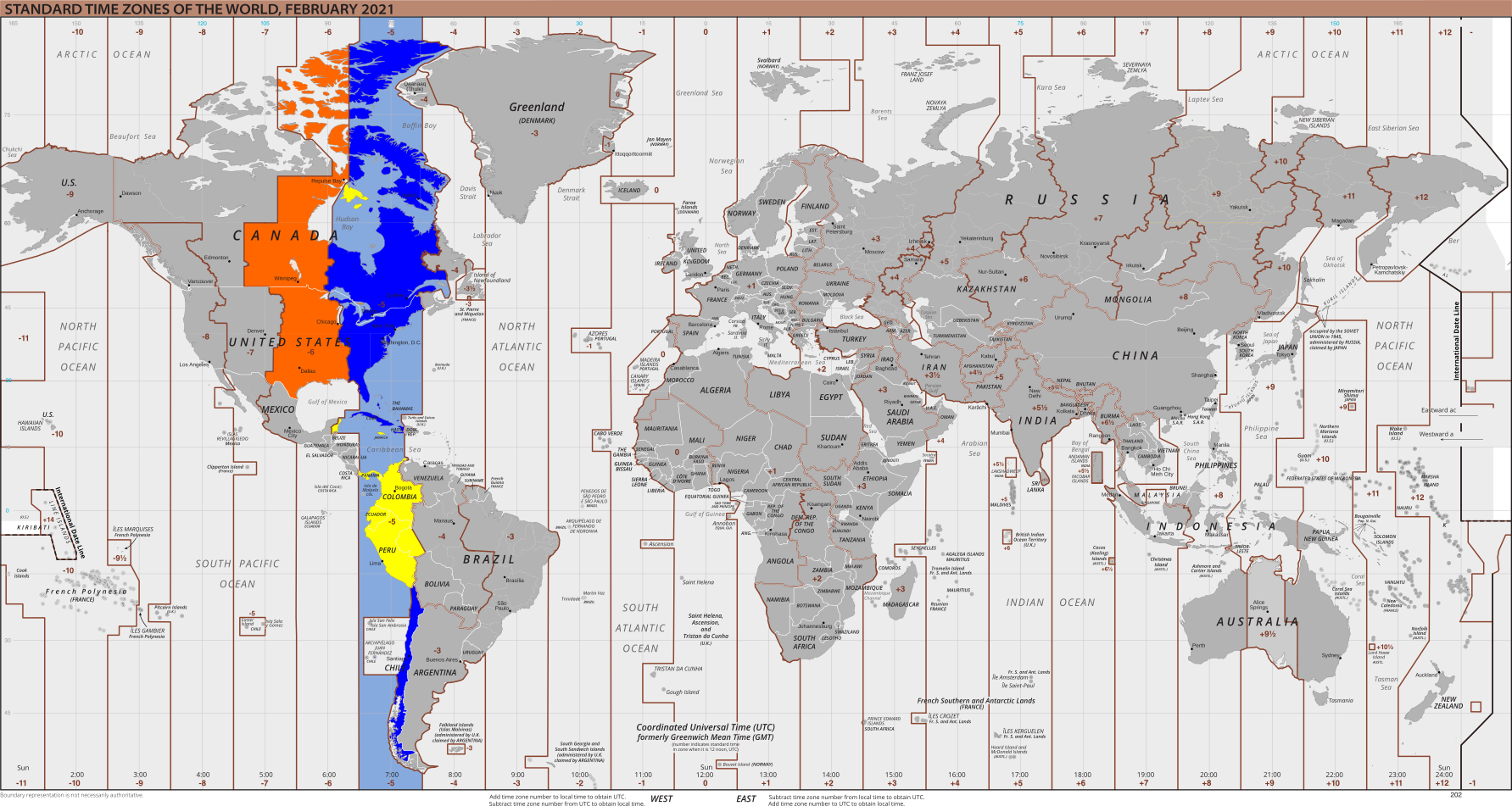
The concept of Eastern Standard Time (EST) and Eastern Daylight Time (EDT) is particularly important. Eastern Standard Time is a standard offset from Coordinated Universal Time (UTC) by five hours (UTC-5). However, many regions, including Detroit and the state of Michigan, observe Daylight Saving Time (DST). During DST, the clock is advanced by one hour, effectively making the time zone Eastern Daylight Time (EDT), which is UTC-4. This shift typically occurs on the second Sunday in March and reverts on the first Sunday in November. For a traveler, this means that depending on the time of year, Detroit will either be on EST or EDT. Modern smartphones and smart devices usually adjust automatically, but it’s always wise to double-check, especially if you’re relying on an analog watch or meticulously planning a schedule across multiple devices.
Michigan’s Position on the Time Zone Map
Geographically, the state of Michigan is predominantly situated within the Eastern Time Zone. While a few counties in the westernmost Upper Peninsula (Gogebic, Iron, Dickinson, and Menominee) technically observe Central Time, the vast majority of the state, including its largest city, Detroit, operates on the Eastern Time Zone. This consistent time zone across major population centers simplifies travel within the state, as you won’t typically need to adjust your clock when traveling from Detroit to, say, Grand Rapids or Ann Arbor.
The uniformity of time in the Lower Peninsula, where Detroit is located, makes planning intra-state itineraries relatively straightforward. However, for those arriving from outside the Eastern Time Zone, particularly from the Pacific, Mountain, or Central Time Zones within the United States, or from international destinations, proper time zone adjustment is essential to prevent missed connections or scheduling mishaps.
Navigating Detroit By The Clock: Practical Tips for Your Visit
Understanding Detroit’s time zone is the first step; the next is applying that knowledge to your travel plans. Every aspect of your trip will be governed by the local time, and a well-informed approach can significantly enhance your experience.
When it comes to arrival and departure, ensure all your flight, train, or bus tickets are interpreted using local Detroit time. While most booking platforms display times in local zones, a quick confirmation can save you stress. Upon arrival, immediately adjust your watch and phone to the correct time. This might sound obvious, but overlooking this simple step can lead to a cascade of minor inconveniences.
For attractions and activities, almost every venue in Detroit will operate on the Eastern Time Zone. This includes iconic spots like The Henry Ford Museum, the Detroit Institute of Arts, and the Motown Museum. Always check their official websites for current operating hours, as these can change seasonally or for special events. If you’ve booked tours or specific time slots, confirm them against Detroit’s local time to avoid missing your window.
Dining and entertainment schedules are also time-sensitive. Popular restaurants often require reservations, and showing up an hour late (or early, due to a time zone miscalculation) could mean forfeiting your table. Similarly, catching a show at the historic Fox Theatre or a game at Comerica Park (home of the Detroit Tigers) or Little Caesars Arena (for the Detroit Red Wings or Detroit Pistons) necessitates being punctual. Plan your pre-show dinners and post-event drinks with the local time firmly in mind.
For business travel considerations, time zone awareness is paramount. If you’re scheduling meetings with local contacts, ensure all parties are aware of the common time reference. If you’re communicating with colleagues in different time zones, tools that display multiple time zones simultaneously can be invaluable. Avoid scheduling calls that might disrupt someone’s early morning or late evening in their respective time zone.
Avoiding Jet Lag and Maximizing Your Experience
Adjusting to a new time zone, especially if you’re crossing several, can lead to jet lag. While Detroit’s Eastern Time Zone might be a familiar shift for many North American travelers, it can still impact your energy levels and enjoyment.
To combat jet lag, start adjusting your sleep schedule a few days before your trip. Hydrate well during your flight and upon arrival. Try to expose yourself to natural sunlight shortly after landing in Detroit, particularly in the morning, as this helps reset your body’s internal clock. Plan a lighter itinerary for your first day, allowing yourself time to settle in and recuperate. Prioritize a good night’s sleep in your hotel. Taking a walk along the Detroit Riverwalk or enjoying the open space of Campus Martius Park can be excellent ways to soak in the local environment and aid in adjustment.
Exploring Detroit’s Highlights: Time-Sensitive Experiences
Detroit’s rich tapestry of history, culture, and innovation offers a plethora of experiences, many of which are best enjoyed at specific times of the day. Proper time management allows you to immerse yourself fully.
Morning Must-Dos in Detroit often involve starting with a hearty breakfast at a local diner before visiting popular museums. Early birds can beat the crowds at the Motown Museum, securing a quieter, more reflective experience. Alternatively, take an early morning stroll through the historic Eastern Market, which comes alive with vendors and shoppers.
Afternoon Adventures are perfect for exploring the expansive collections of the Detroit Institute of Arts or diving into automotive history at The Henry Ford Museum and Greenfield Village. These attractions require several hours to fully appreciate, so allocate your time wisely. The afternoon is also ideal for discovering the city’s unique neighborhoods, from the vibrant murals of the Heidelberg Project to the boutique shops of Midtown.
As evening approaches, Detroit transforms. Evening Entertainment could involve enjoying world-class cuisine at one of the city’s acclaimed restaurants, catching a live music performance, or cheering on one of Detroit’s professional sports teams. Securing dinner reservations, especially on weekends, is highly recommended. The city’s nightlife, from jazz clubs to trendy bars, also kicks off later in the evening, offering opportunities to experience Detroit’s lively social scene well into the Eastern Time Zone night.
Beyond Time Zones: Essential Travel Planning for Detroit
While confirming Detroit is on the Eastern Time Zone is a critical step, comprehensive travel planning involves other key considerations that enhance your visit.
Transportation within Detroit is diverse. The QLine streetcar offers convenient access along the Woodward Avenue corridor, connecting Downtown, Midtown, and New Center. For broader exploration, services like MoGo bike-sharing and various ride-share options are readily available. If you plan to visit attractions outside the immediate downtown area, such as The Henry Ford Museum in Dearborn, a rental car might be beneficial.
For accommodation, Detroit offers a range of choices, from historic luxury hotels like the Detroit Club or Shinola Hotel to modern boutique establishments and budget-friendly options. Staying Downtown or in Midtown places you within easy reach of many major attractions and dining spots.
Delving into local culture is a rewarding aspect of any trip. Detroit’s resilience, innovation, and artistic spirit are palpable. From its legendary music heritage, particularly Motown, to its burgeoning culinary scene and public art installations, the city offers a rich cultural tapestry. Engage with locals, explore diverse neighborhoods, and taste the authentic flavors that define Detroit.
Finally, considering the best times to visit Detroit can shape your experience. Summer offers warm weather, outdoor festivals, and baseball games, while spring and fall boast pleasant temperatures and vibrant foliage. Winter brings holiday festivities and opportunities for indoor explorations, though it can be quite cold. Regardless of the season, understanding Detroit’s time zone remains a constant, crucial piece of information for a well-orchestrated and enjoyable journey to the Motor City.
LifeOutOfTheBox is a participant in the Amazon Services LLC Associates Program, an affiliate advertising program designed to provide a means for sites to earn advertising fees by advertising and linking to Amazon.com. Amazon, the Amazon logo, AmazonSupply, and the AmazonSupply logo are trademarks of Amazon.com, Inc. or its affiliates. As an Amazon Associate we earn affiliate commissions from qualifying purchases.