
The vibrant metropolis of Detroit, often recognized for its industrial might, musical heritage, and resilient spirit, carries a name steeped in rich history, a direct echo of its French colonial origins. To truly understand Detroit’s identity, one must first uncover the literal and symbolic meaning of its name in French, a journey that reveals layers of exploration, settlement, and cultural confluence that continue to shape the city’s unique character. Far from being a mere label, “Détroit” tells a story of strategic waterways, ambitious explorers, and the enduring legacy of a European power in North America.
The Etymological Roots: “Détroit” and Its Significance
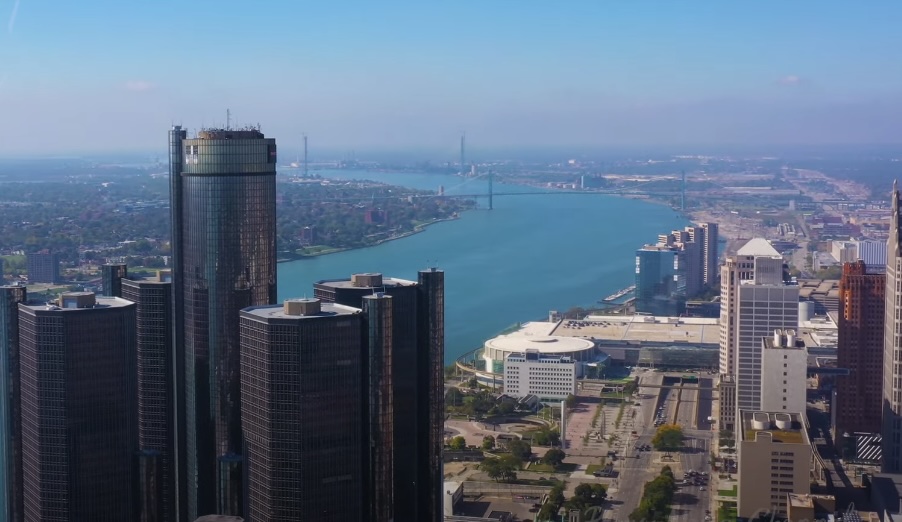
At its core, the name Detroit is derived from the French word “détroit,” which translates directly to “strait” or “narrows.” This simple geographical descriptor holds immense significance, pointing to the city’s precise location on a crucial waterway connecting Lake Huron and Lake Erie. This natural “strait” was not just a geographic feature; it was a strategic artery for trade, transportation, and military control in the 17th and 18th centuries, a fact keenly understood by the French explorers who first laid eyes upon it. The choice of name was pragmatic, yet it inherently defined the future purpose and importance of the settlement that would emerge along its banks.
Tracing the French Presence in North America
The French colonial empire, stretching across vast swathes of North America from Québec to the Gulf of Mexico, was driven by a quest for furs, new territories, and the propagation of faith. Explorers like Samuel de Champlain and René-Robert Cavelier, Sieur de La Salle charted intricate river systems and immense lakes, establishing trading posts and forts to secure their claims. The Great Lakes region, with its abundant wildlife and navigable waters, became a focal point. It was within this grand scheme of French expansion that the specific “détroit” between Lake Huron and Lake Erie gained prominence as an indispensable link in the burgeoning fur trade network. The French vision for North America was one of interconnection, with waterways serving as the highways of their empire, and the site of Detroit was a critical nexus.
Antoine de la Mothe Cadillac and the Founding of Fort Pontchartrain du Détroit
The specific establishment of a permanent French settlement at the “détroit” can be attributed to Antoine de la Mothe Cadillac. In 1701, on the behalf of King Louis XIV of France, Cadillac founded Fort Pontchartrain du Détroit. His motivation was multifaceted: to secure the fur trade against English encroachment, to establish a military presence, and to convert indigenous populations. The name Fort Pontchartrain honored Louis Phélypeaux, comte de Pontchartrain et Maurepas, the French minister of marine. The addition “du Détroit” explicitly referenced its location on “the strait,” embedding the geographical descriptor into its official identity from the very beginning. This act of founding not only marked the birth of a city but also solidified its French designation, a name that would persist through centuries of transformation.
A Crossroads of Cultures: French Influence on Detroit’s Early Development
From its inception, Detroit was a melting pot, albeit a specific one shaped by French colonial policies and interactions with indigenous peoples. The French approach to colonization often involved a more integrated relationship with Native American tribes, particularly in the context of the fur trade, leading to a unique cultural synthesis. This early period laid much of the groundwork for the city’s future diversity and its distinct urban fabric.
The Fur Trade and Early Settlements
The fur trade was the economic lifeblood of early Detroit. French voyageurs and coureurs des bois ventured deep into the wilderness, trading with tribes like the Odawa, Potawatomi, and Wyandot. The fort served as a central hub where furs were exchanged for European goods, creating a vibrant, albeit often tumultuous, frontier economy. French agricultural practices also took root, with long, narrow plots of land, known as “ribbon farms,” extending from the riverfront—a distinctive pattern designed to give each settler access to the crucial waterway. This system of land division is still visible in the layout of some older parts of Detroit and its surrounding communities. The blend of European and indigenous cultures, technologies, and social structures during this period created a unique frontier identity that was fundamentally French in administration but multicultural in practice.
Enduring Architectural and Place-Name Legacies
While much of Detroit’s early French architecture has given way to later developments, the imprint of its founders remains visible in less obvious ways. Beyond the name Detroit itself, many street names and local place names throughout the city and Southeast Michigan bear a clear French heritage. Streets like Gratiot Avenue (named after Charles Gratiot, a French merchant), Cadillac Square (honoring the city’s founder), and St. Antoine Street are direct linguistic ties to the city’s origins. Communities such as Grosse Pointe (meaning “large point”), Belle Isle (meaning “beautiful island”), and Ecorse (derived from “écorses,” meaning “bark,” referring to trees stripped of their bark by Native Americans) serve as constant reminders of the French explorers and settlers who first mapped and named this region. These linguistic landmarks provide an ongoing connection for residents and visitors to explore the deep historical tapestry of the area.
Echoes of the Past in Modern Detroit Culture

The French legacy in Detroit is not merely confined to history books or old maps; it subtly permeates the city’s modern cultural landscape, manifesting in various forms from culinary traditions to community celebrations. Recognizing these influences enhances the appreciation of Detroit’s rich, multifaceted identity.
Culinary Delights with French Undertones
While Detroit is famous for its Coney Island hot dogs and deep-dish pizza, subtle French influences can be found for those who know where to look. Historically, French culinary traditions, particularly those adapted for frontier life, played a role in early Detroit cuisine. Today, while not overtly French, many local eateries embrace a sophisticated culinary scene that often draws from classical European techniques. Upscale dining establishments within the city and its surrounding areas frequently feature dishes with French inspiration, a nod to the historical foundations of fine dining. Even the enduring popularity of certain baked goods or pâtisseries reflects a general appreciation for European confectionery, a thread that can be traced back to the French settlers who brought such traditions with them.
Festivals and Commemorations: Keeping the Heritage Alive
The preservation of Detroit’s French heritage is often celebrated through various events and commemorations. Annual festivals and historical reenactments sometimes pay tribute to the city’s founding and its colonial past, offering a vibrant way for locals and tourists alike to connect with this often-overlooked aspect of Detroit’s story. These events provide educational opportunities, showcasing the clothing, crafts, and daily life of the French settlers and their interactions with Native American communities. Organizations dedicated to historical preservation work tirelessly to ensure that the stories of Antoine de la Mothe Cadillac and the early inhabitants of Fort Pontchartrain du Détroit remain a tangible part of the city’s contemporary narrative, fostering a deeper understanding of its foundational layers.
The Spirit of Innovation: A Shared Historical Trait
One might argue that a spirit of innovation and adaptability, crucial for the early French settlers to thrive in a new world, has resonated through Detroit’s history. From the challenges of establishing a frontier outpost to becoming the automotive capital of the world, Detroit has consistently demonstrated a capacity for reinvention and forward-thinking. This resilience, arguably inherent in the very act of founding a settlement at a strategic “détroit,” is a character trait that links the city’s past to its present, illustrating how the foundational spirit of exploration and strategic positioning has transcended centuries and various industrial epochs.
Experiencing Detroit’s French Heritage Today
For the discerning traveler interested in more than just the surface, Detroit offers several avenues to explore its French heritage firsthand. Engaging with these historical touchpoints provides a richer understanding of the city’s identity, allowing visitors to walk in the footsteps of its founders.
Exploring Historical Sites and Districts
While direct architectural remnants from the 18th century are rare, understanding the original footprint of Fort Pontchartrain du Détroit and the surrounding French ribbon farms offers a unique perspective. The area around Hart Plaza in downtown Detroit is close to the original fort site, and historical markers help visitors visualize the early settlement. The layout of some older neighborhoods still subtly reflects the ribbon farm divisions, particularly as one moves away from the immediate downtown core. Exploring these areas with a keen eye for historical context reveals the enduring influence of French land use planning. Local historical societies and museums, such as the Detroit Historical Museum, often house exhibits detailing the city’s French colonial past, complete with artifacts and detailed narratives that bring this foundational period to life.
The Riverfront and Its Strategic Importance
The Detroit Riverfront, a modern marvel of urban redevelopment, was the very reason the city exists. Walking or cycling along the Riverwalk, visitors can appreciate the strategic significance of the “détroit” – the narrow strait that drew French explorers and settlers. The view across to Windsor, Ontario, further emphasizes the international border that runs through this historically significant waterway. Imagining the fur canoes, sailing ships, and early fortifications brings a profound sense of connection to the past. The riverfront remains a focal point of activity, echoing its historical role as a vibrant thoroughfare and a vital connection point, a legacy directly tied to its French namesake.
Beyond the Name: A City Forged in Diversity
Ultimately, “What Does Detroit Mean In French?” is more than a linguistic query; it’s an invitation to delve into the foundational layers of a city built on exploration, strategic positioning, and a unique blend of cultures. The name “Détroit” (the strait) anchors the city to its geographical reality and its French colonial past, a period that set the stage for its subsequent development. While many other cultures and industries have since shaped Detroit’s identity, the initial French imprint remains a vital part of its story. Understanding this heritage allows tourists and residents to see Detroit not just as a modern metropolis, but as a place deeply rooted in centuries of history, a place where a simple French word continues to define its very essence and enduring significance. This appreciation of its rich history adds depth and meaning to any visit, transforming a casual trip into an insightful journey through time and culture.
LifeOutOfTheBox is a participant in the Amazon Services LLC Associates Program, an affiliate advertising program designed to provide a means for sites to earn advertising fees by advertising and linking to Amazon.com. Amazon, the Amazon logo, AmazonSupply, and the AmazonSupply logo are trademarks of Amazon.com, Inc. or its affiliates. As an Amazon Associate we earn affiliate commissions from qualifying purchases.