
A Legacy Etched in Detroit’s Sporting Heart
The Detroit Tigers are one of Major League Baseball’s most storied franchises, deeply woven into the fabric of Detroit‘s identity and cultural heritage. For tourists exploring the Motor City, understanding this rich history is key to appreciating the local spirit, resilience, and passion. The question of “When did the Detroit Tigers win the World Series?” isn’t just a trivia query; it’s an invitation to delve into pivotal moments that shaped the city’s narrative. The Tigers have claimed baseball’s ultimate prize four times, with each victory representing more than just a championship—it marked a communal celebration, a beacon of hope, and a testament to the city’s enduring spirit. These historical triumphs offer visitors a unique lens through which to view Detroit, its people, and its enduring love affair with baseball.
The Inaugural Triumph: 1935
The first World Series title for the Detroit Tigers arrived in 1935, a moment of profound significance for a city navigating the depths of the Great Depression. Baseball, during this era, was more than just a game; it was an escape, a source of collective pride, and a symbol of perseverance. The 1935 team, led by legendary first baseman Hank Greenberg and catcher Mickey Cochrane, showcased a powerful offense and gritty determination. They faced the Chicago Cubs in a thrilling six-game series, ultimately clinching the championship at home, sparking an outpouring of joy across the city. For tourists today, learning about the 1935 squad provides insight into Detroit’s resilience during challenging times. It underscores how sports can rally a community, offering a sense of unity and purpose. Exploring the historical context of this win enriches a visitor’s understanding of Detroit’s character and its people’s ability to find triumph amidst adversity.
A Mid-Century Roar: 1945
Just a decade later, in 1945, the Detroit Tigers once again ascended to baseball’s pinnacle, winning their second World Series against the Chicago Cubs. This victory carried a different, yet equally profound, weight. It came at the end of World War II, with many players, including Hank Greenberg, having served in the military. Greenberg famously returned from military service late in the 1945 season to help lead the team to glory, hitting a grand slam on the final day of the regular season to secure the American League pennant. The series itself was a hard-fought battle, with the Tigers prevailing in seven games. This championship represented a turning point, symbolizing the nation’s return to normalcy and celebration after years of global conflict. For visitors to Detroit, understanding the 1945 win connects them to a crucial period in American history, highlighting how baseball served as a unifying force and a source of national healing. It’s a powerful narrative of sacrifice, return, and collective triumph that resonates deeply with the city’s industrial and wartime legacy.
The Glory Years and Detroit’s Resurgence
The Detroit Tigers’ World Series victories in 1968 and 1984 are often remembered as defining moments not just for the franchise, but for the city itself. These wins occurred during periods of significant social and economic change in Detroit, offering tourists a vivid illustration of how sports can reflect and influence a community’s journey. They showcase the deep bond between the team and its fans, a connection that remains palpable at Comerica Park today and forms an integral part of Detroit’s local culture.
The Miraculous Summer of ’68
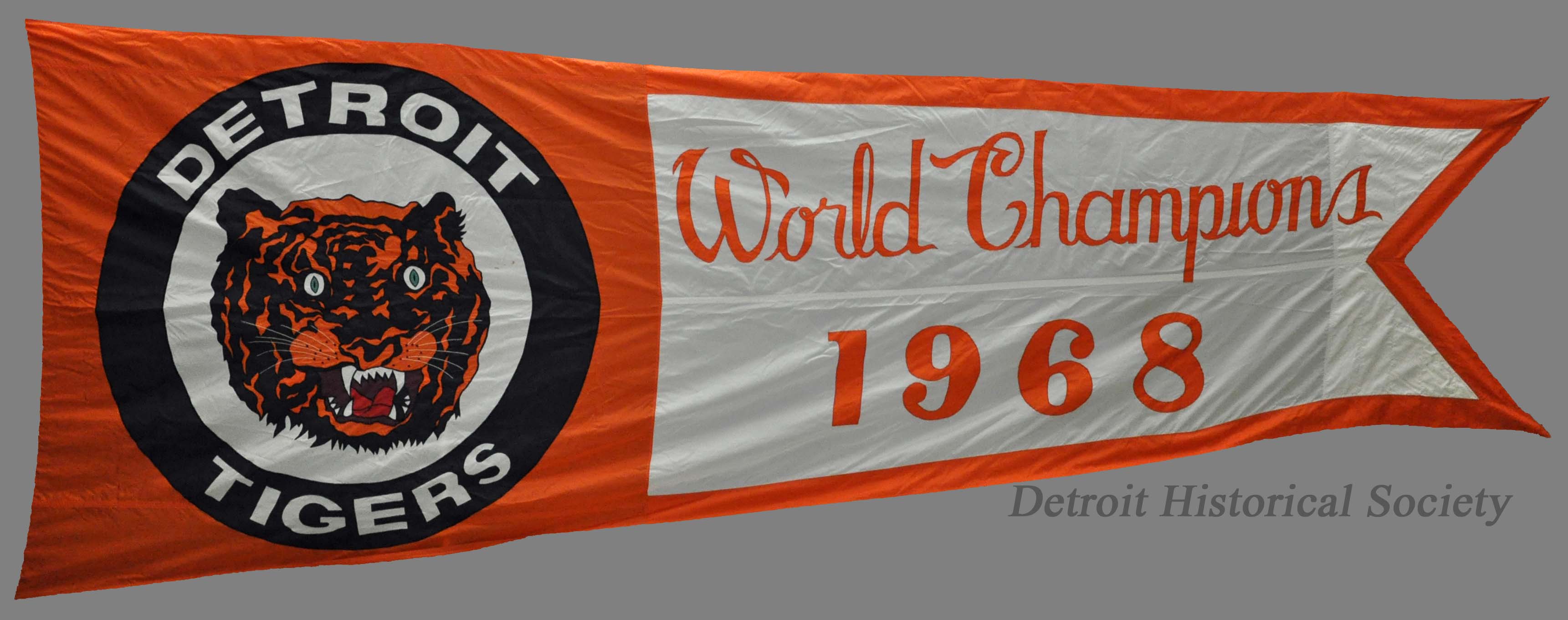
The 1968 World Series title is perhaps the most emotionally resonant for many Detroiters. It came just a year after the devastating 1967 riots, a period that tested the city’s resilience like never before. The 1968 Tigers, led by the formidable pitching of Denny McLain (who won 31 games) and the legendary hitting of Al Kaline, became a symbol of unity and healing for a wounded city. They faced the heavily favored St. Louis Cardinals, who boasted pitching ace Bob Gibson. In a dramatic seven-game series, the Tigers overcame a 3-1 deficit, winning the final two games on the road. The victory was a transformative moment, lifting the spirits of a city in need of heroes. For tourists, understanding the context of the 1968 win offers a powerful glimpse into Detroit’s capacity for recovery and unity. It highlights how sports can transcend the playing field, serving as a catalyst for collective pride and a reminder of the human spirit’s ability to overcome adversity. When visiting Detroit, this history enriches the understanding of its vibrant, resilient culture.
The Dominant Run of ’84
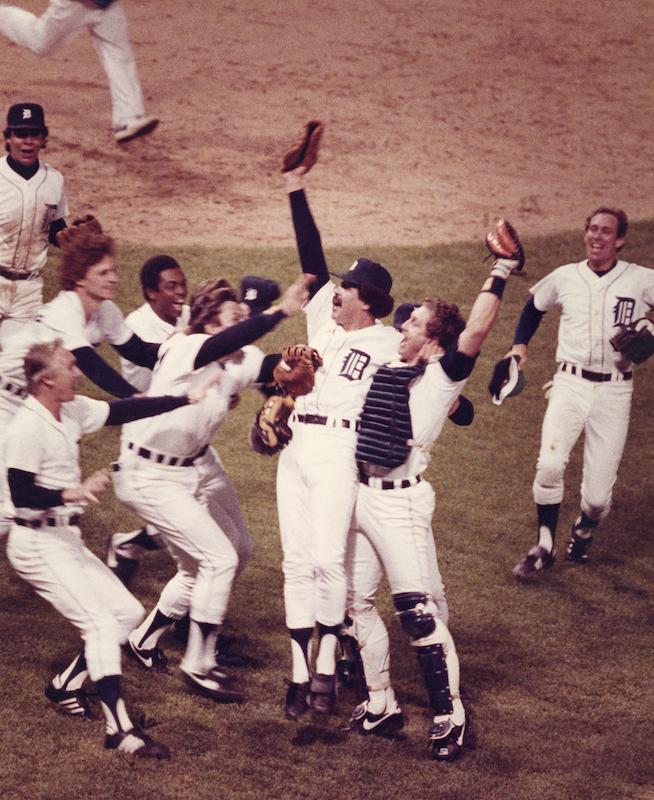
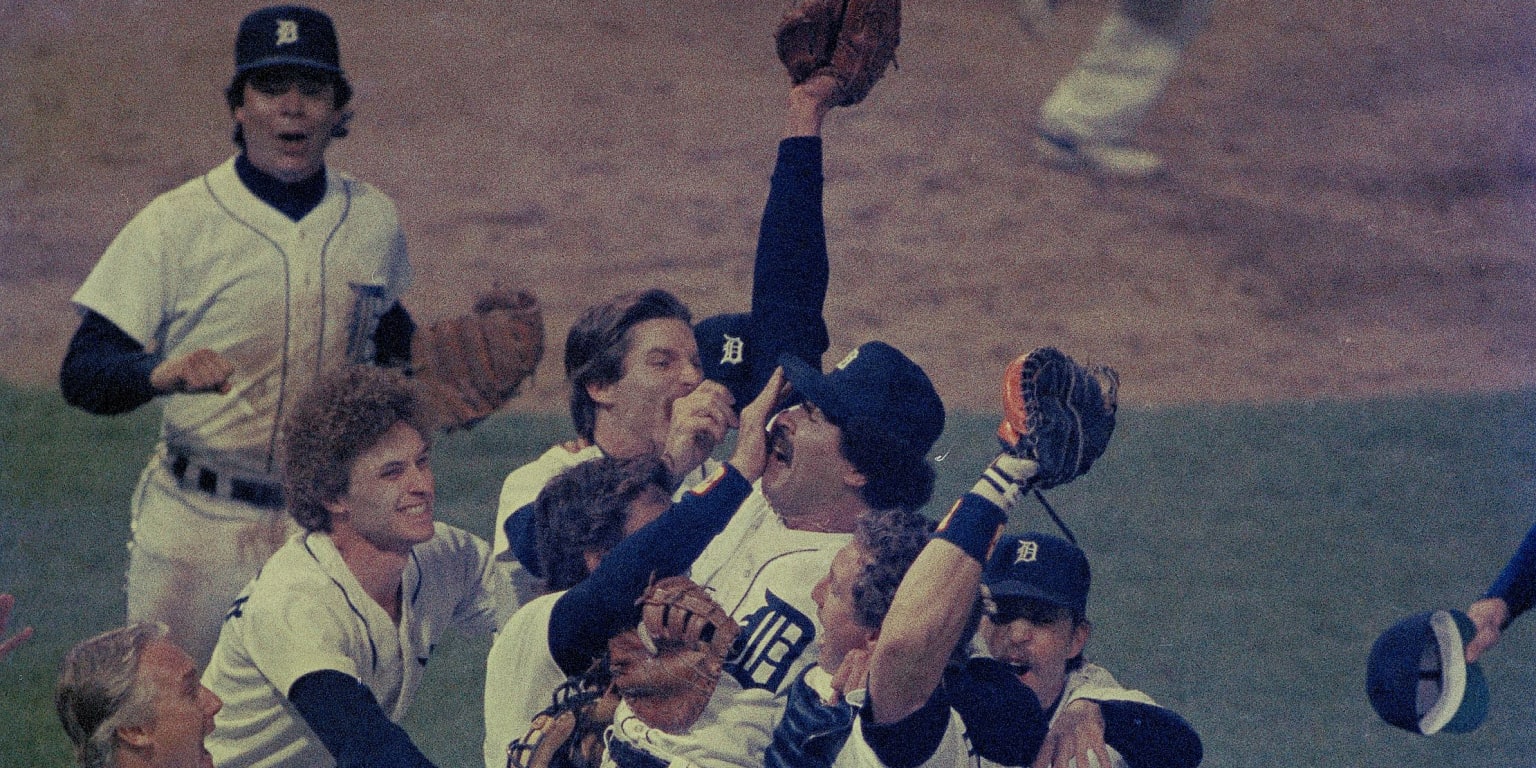
Sixteen years later, in 1984, the Detroit Tigers delivered another unforgettable championship, sweeping the San Diego Padres in five games. This team, managed by the iconic Sparky Anderson and featuring stars like Alan Trammell, Lou Whitaker, Lance Parrish, and the fiery Kirk Gibson, dominated from the start of the season. They began the year with a phenomenal 35-5 record, leading the league wire-to-wire. The 1984 team embodied confidence, swagger, and a relentless winning mentality, qualities that resonated deeply with Detroiters. The championship was a clean, decisive victory that solidified the team’s place in baseball lore and brought another wave of celebration to the city. For visitors, the 1984 Tigers represent a period of renewed optimism and a showcase of Detroit’s enduring love for its sports heroes. It’s a testament to the city’s blue-collar work ethic and the pride derived from hard-earned success. Tourists can still feel the echoes of this triumph in local sports bars, memorabilia shops, and the vibrant atmosphere around Comerica Park.
Experiencing Tigers History Today: A Tourist’s Guide
For any visitor to Detroit with an interest in local culture and sports history, exploring the legacy of the Detroit Tigers’ World Series wins is an essential activity. These victories aren’t just dates in a history book; they are living parts of the city’s narrative, celebrated through landmarks, fan traditions, and the enduring spirit of the community. Understanding this heritage enriches the travel experience, connecting visitors more deeply to the heart of Detroit.
Visiting Comerica Park: More Than Just a Game
The modern home of the Detroit Tigers, Comerica Park, located in the vibrant heart of downtown Detroit, offers more than just a place to watch a baseball game. It’s a shrine to the team’s history and a testament to the city’s ongoing passion for the sport. Visitors can take a stadium tour to learn about the venue’s features, including statues of Tigers legends like Ty Cobb, Al Kaline, and Hank Greenberg, all of whom played significant roles in the team’s championship history. The Tigers Museum within the park also houses fascinating memorabilia, including artifacts from the World Series victories. Even if you don’t catch a game, a visit to Comerica Park provides an immersive experience into the team’s rich past and its current cultural significance. The roar of the crowd, the smell of hot dogs, and the shared excitement of thousands of fans offer an authentic taste of Detroit’s local flavor.
Detroit’s Baseball Culture Beyond the Stadium
The impact of the Tigers’ World Series wins extends far beyond the stadium walls, permeating Detroit’s broader cultural landscape. Many local sports bars and pubs around the city feature historical memorabilia, photos, and game reruns that celebrate these iconic moments. Engaging with locals in these establishments can provide firsthand anecdotes and a deeper appreciation for the team’s historical significance. Neighborhoods like Corktown, near the site of the former Tiger Stadium, retain a strong historical connection to baseball. While Tiger Stadium no longer stands, the site is now a youth sports complex, ensuring the spirit of baseball lives on. Exploring these areas offers a nostalgic journey for fans and a cultural immersion for visitors.
Planning Your Sports-Centric Detroit Itinerary
For tourists keen on integrating the Detroit Tigers’ history into their visit, a well-planned itinerary can maximize the experience. Beyond Comerica Park, consider visiting the Detroit Historical Museum or the Henry Ford Museum of American Innovation, which often feature exhibits on Detroit sports, industry, and social history, providing context for the periods of the Tigers’ triumphs. Pairing a game or stadium tour with explorations of Detroit’s revitalized downtown, its burgeoning culinary scene, and its unique neighborhoods will offer a comprehensive look at how the city’s past, present, and future intertwine. Understanding the historical triumphs of the Tigers adds another layer to appreciating Detroit’s enduring spirit and its vibrant local culture.
The Enduring Impact on Local Culture
The Detroit Tigers’ World Series victories have left an indelible mark on the city’s cultural identity, fostering a sense of civic pride and community that transcends generations. These moments of collective jubilation are not just footnotes in sports almanacs; they are touchstones in Detroit’s history, continuing to shape local culture and offering unique insights for tourists seeking an authentic experience of the city.
Civic Pride and Fan Engagement
Each World Series win cemented the Detroit Tigers as more than just a baseball team; they became an embodiment of the city’s dreams and struggles. The parades that followed these victories, particularly in 1968 and 1984, saw millions line the streets, creating unforgettable memories and solidifying a shared narrative of triumph. This deep-seated civic pride is evident in the passionate fan base that fills Comerica Park and adorns the city with Tigers apparel. For visitors, witnessing this fan engagement—whether at a live game, in a local sports bar, or through conversations with Detroiters—provides a direct connection to the city’s soul. It’s a living testament to how these historical wins have fostered a collective identity and an unwavering loyalty that continues to define Detroit’s unique atmosphere.
Legends and Lore: Storytelling for Visitors
The heroes of the Tigers’ championship teams—from Hank Greenberg to Al Kaline to Kirk Gibson—are celebrated figures whose stories are passed down through generations. These legends are not confined to historical texts but are woven into the city’s oral tradition and public discourse. Tourists can encounter these stories in various forms: through monuments and plaques, in local museums, or simply by striking up a conversation with a longtime resident. Hearing tales of Greenberg’s wartime return, Kaline’s consistent excellence, or Gibson’s dramatic home runs offers a personal connection to the city’s past. These narratives provide depth to Detroit’s cultural landscape, making its history tangible and engaging for any traveler. By understanding when the Detroit Tigers won the World Series, visitors gain a richer appreciation for the city’s heritage, its people, and the enduring power of sports to shape a community’s identity.
LifeOutOfTheBox is a participant in the Amazon Services LLC Associates Program, an affiliate advertising program designed to provide a means for sites to earn advertising fees by advertising and linking to Amazon.com. Amazon, the Amazon logo, AmazonSupply, and the AmazonSupply logo are trademarks of Amazon.com, Inc. or its affiliates. As an Amazon Associate we earn affiliate commissions from qualifying purchases.