
The history of Detroit is a rich tapestry woven with ambition, strategic foresight, and cultural intersection, all stemming from a singular foundational act. While the city’s narrative is often dominated by its industrial might and automotive legacy, understanding its origins is crucial to appreciating Detroit as a landmark of American history and innovation. The question of “Who founded Detroit?” leads directly to the figure of a determined French explorer and military officer: Antoine de la Mothe Cadillac. His vision laid the groundwork for what would become one of the most pivotal cities in North America.
The Strategic Vision of Antoine de la Mothe Cadillac
In 1701, amidst the fierce competition for control of the fur trade and strategic waterways of New France, Antoine de la Mothe Cadillac embarked on a mission that would forever alter the landscape of the Great Lakes region. A French officer and adventurer, Cadillac had a keen understanding of both military strategy and economic opportunity. He recognized the immense potential of a narrow strait connecting Lake Erie and Lake Huron (via Lake Saint Clair) – a passage the French called “le détroit,” meaning “the strait.” This strategic location was not merely a convenient waypoint; it was a choke point, controlling access to a vast network of inland waterways and lucrative fur-trading territories.
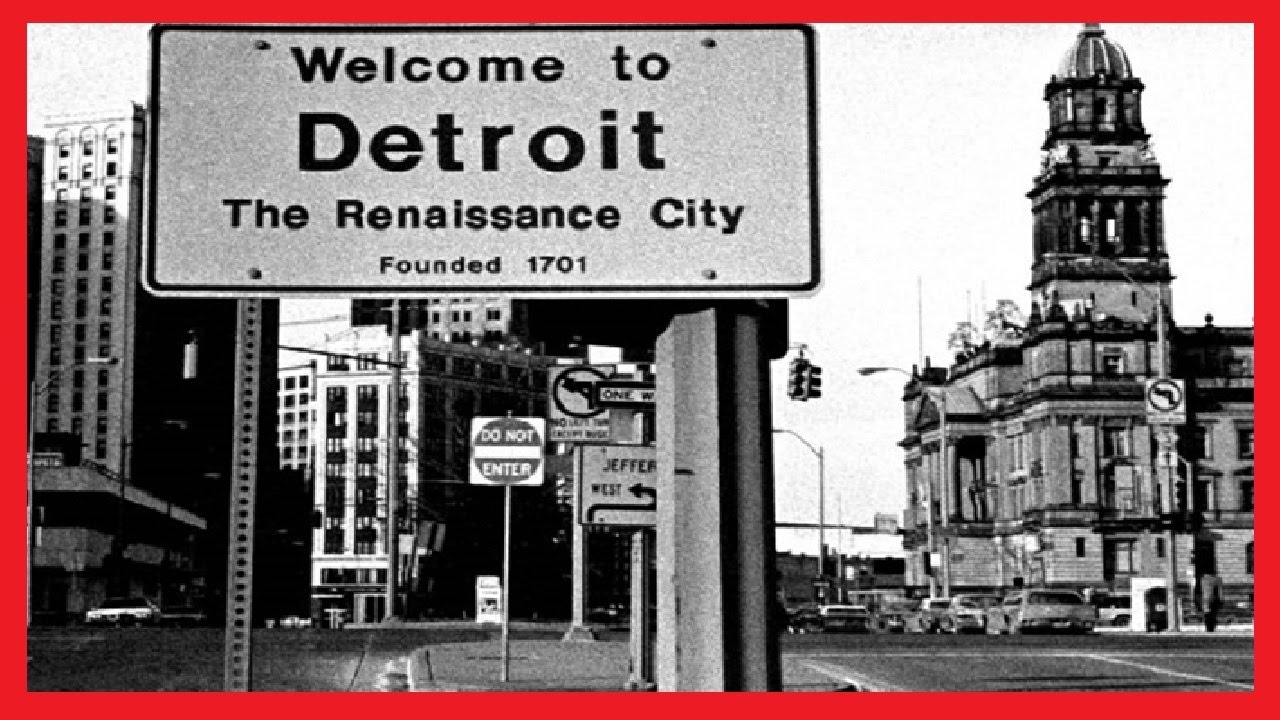
A Fur Trading Outpost on the Détroit
Cadillac’s primary objective in establishing a settlement at this location was multifaceted. First and foremost, it was intended to serve as a robust French fur-trading post, designed to consolidate control over the lucrative beaver pelt trade that was vital to the economy of New France. By establishing a fortified presence, the French hoped to intercept furs before they reached English or Dutch traders, bolstering their economic dominance. Furthermore, the fort was envisioned as a deterrent against British expansion from the east and a means to cultivate alliances with various Indigenous nations, who were crucial partners in the fur trade. The location’s natural defenses, with its commanding views over the river, made it an ideal spot for a permanent settlement capable of projecting French power.
French Colonial Ambitions
Beyond mere commerce, Cadillac’s endeavor was deeply intertwined with broader French colonial ambitions. France sought to solidify its claim over North America, extending its influence from the St. Lawrence River basin deep into the interior. A permanent settlement at the détroit would act as a crucial link in a chain of French outposts, strengthening their territorial claims against rival European powers. Cadillac promised fertile lands, a mild climate, and a strategic advantage, enticing settlers to brave the wilderness. He envisioned a prosperous community, not just a military camp, believing that the future of New France depended on establishing permanent, self-sustaining colonies that could withstand the pressures of imperial competition.
Fort Pontchartrain du Détroit: A Fledgling Settlement
On July 24, 1701, Antoine de la Mothe Cadillac and a contingent of approximately 100 people, including soldiers, artisans, and two priests, landed on the north bank of the Detroit River. They immediately began constructing a stockade fort, which Cadillac named Fort Pontchartrain du Détroit, in honor of Louis Phélypeaux, comte de Pontchartrain et de Maurepas, the French Minister of Marine. This small, fortified settlement marked the official birth of Detroit. The fort was strategically positioned, offering a commanding view of the river and surrounding lands, crucial for defense and trade. The design of the fort followed typical French colonial patterns, with palisades, bastions, and a central parade ground, reflecting the dual military and civilian purposes of the outpost.
Early Challenges and Growth
Life in the nascent Fort Pontchartrain du Détroit was undoubtedly arduous. Settlers faced harsh winters, the constant threat of intertribal conflicts exacerbated by European rivalries, and the immense labor of building a community from scratch in the wilderness. Supplies were often scarce, and communication with the wider world was slow and unreliable. Despite these challenges, the settlement gradually grew. Cadillac actively encouraged farming and attracted more settlers, including women and families, to ensure the long-term viability of the colony. The lure of available land and the promise of a fresh start drew individuals seeking opportunities unavailable in more established European settlements. Early structures beyond the fort included churches, homes, and trading posts, slowly transforming the military outpost into a burgeoning community.
Interactions with Indigenous Peoples

From its inception, Fort Pontchartrain du Détroit existed in close proximity and complex interaction with various Indigenous nations. The area had long been the traditional territory of tribes such as the Wyandot (Huron), Ottawa, and Potawatomi. Cadillac’s strategy involved cultivating alliances with these groups, primarily for their role in the fur trade and as potential military allies against the British and their Indigenous partners. However, these relationships were often fraught with tension, marked by misunderstandings, resource competition, and occasional conflicts. The arrival of the French disrupted existing power dynamics and trade networks, leading to a complex web of diplomacy, trade, and intermittent warfare. The presence of these Indigenous communities around the fort played a pivotal role in shaping the early cultural and economic landscape of Detroit, contributing to its unique blend of European and Native American influences.
Shifting Hands and Enduring Legacies
The strategic importance of Detroit’s location meant that its control was hotly contested throughout the colonial era. The initial French vision for Fort Pontchartrain du Détroit as a bulwark of New France would eventually yield to the tides of imperial conflict, leading to a succession of rulers and significant transformations in the city’s identity and development. This period of shifting allegiances profoundly impacted the physical and cultural landmarks of the city, leaving a layered historical legacy.
From French to British Rule
The fate of Detroit was inextricably linked to the broader struggle between France and Great Britain for dominance in North America. The French and Indian War (1754–1763), known globally as the Seven Years’ War, ultimately decided this contest. Following French defeat, the Treaty of Paris (1763) formally ceded all French territories east of the Mississippi River, including Detroit, to the British Empire. On November 29, 1760, British forces under Major Robert Rogers took possession of the fort, marking the end of French rule after nearly six decades. The British continued to operate Detroit as a vital military and fur-trading outpost, consolidating their control over the Great Lakes region. This transition, however, was not without conflict. Pontiac’s Rebellion, a significant Indigenous uprising against British rule in 1763, saw a prolonged siege of Fort Detroit, highlighting the complex and often hostile relations between European powers and Native American nations.
American Frontier and Industrial Boom
The British hold on Detroit was itself transient. Following the American Revolutionary War, despite the Treaty of Paris (1783) ceding the territory to the newly formed United States, the British maintained control of Fort Detroit until 1796. It wasn’t until Jay’s Treaty (1794) that the British finally evacuated their frontier posts, formally transferring Detroit to American sovereignty. The city officially became part of the Michigan Territory in 1805, and despite a devastating fire that same year, was quickly rebuilt, incorporating the grand urban plan designed by Augustus Woodward, which can still be seen in the radiating avenues around Cadillac Square and Grand Circus Park. This period established Detroit’s role as an American frontier town, a gateway to the west, and a hub for trade and nascent industries. It laid the groundwork for the monumental industrial boom of the late 19th and early 20th centuries, which would transform Detroit into the automotive capital of the world, marking a new chapter in its landmark status.
Detroit Today: A City Forged by its Past
The legacy of Antoine de la Mothe Cadillac and the founding of Detroit in 1701 continues to resonate profoundly throughout the city, shaping its identity and providing a rich historical context for its contemporary landmarks. From the layout of its historic core to its enduring spirit of resilience, Detroit is a living testament to its diverse and complex past. Understanding who founded Detroit is not just about a historical fact; it’s about appreciating the foundational layer upon which centuries of development, culture, and innovation have been built.
Historic Districts and Architectural Marvels
Today, visitors to Detroit can trace the remnants of its colonial origins and subsequent growth in its urban fabric. The downtown area, with its distinctive radial street plan stemming from the Woodward Plan, is a direct legacy of its rebuilding after the 1805 fire, itself an event that solidified the city’s commitment to rebuilding and progress. While the original Fort Pontchartrain du Détroit no longer stands, its historical footprint is commemorated, and the surrounding areas retain a sense of the city’s foundational importance. Architectural landmarks like the Guardian Building and the Fisher Building, testaments to Detroit’s 20th-century boom, stand as modern historical markers, their art deco grandeur reflecting an era of immense wealth and industrial power. These structures are not merely buildings; they are physical manifestations of Detroit’s journey from a small trading post to a global metropolis. Even parks like Belle Isle Park have a long history, serving as a pastoral escape for generations of Detroiters and evolving from a mere island in the river to a designed landscape with its own unique landmarks.

Embracing its Foundational Narrative
Detroit actively embraces its rich, layered history as a cornerstone of its identity. Institutions like the Detroit Historical Museum and the Henry Ford Museum delve deep into the city’s past, from its Native American heritage and French colonial roots to its industrial revolution and automotive ascendancy. These museums are critical landmarks themselves, offering invaluable insights into the forces that shaped the city. The story of Antoine de la Mothe Cadillac and the establishment of Fort Pontchartrain du Détroit serves as the beginning of a narrative that encompasses Indigenous history, French and British colonial struggles, the American frontier, and eventually, the rise of an industrial giant. This foundational history provides a powerful lens through which to view Detroit’s resilience, its capacity for reinvention, and its enduring status as a city whose past continues to inform its present and future as a truly remarkable landmark in the American story. From the birthplace of Motown to the heart of American innovation, Detroit’s origins are integral to its identity as a city of profound historical significance.
LifeOutOfTheBox is a participant in the Amazon Services LLC Associates Program, an affiliate advertising program designed to provide a means for sites to earn advertising fees by advertising and linking to Amazon.com. Amazon, the Amazon logo, AmazonSupply, and the AmazonSupply logo are trademarks of Amazon.com, Inc. or its affiliates. As an Amazon Associate we earn affiliate commissions from qualifying purchases.