
Navigating the vibrant landscapes and diverse attractions of Florida is an exhilarating experience for any tourist. From the sun-drenched beaches of Miami to the magical theme parks of Orlando, the Sunshine State offers an array of unforgettable moments. However, as visitors plan their trips, an increasingly common question arises, often related to wellness trends or recreational interests: “Are gummies legal in Florida?” The answer is complex, nuanced, and critically important for tourists to understand, as [Florida]’s laws on edible products, particularly those containing cannabinoids, are subject to specific regulations and ongoing changes. For anyone visiting the state, grasping these legal distinctions is essential to ensure a smooth and compliant stay.
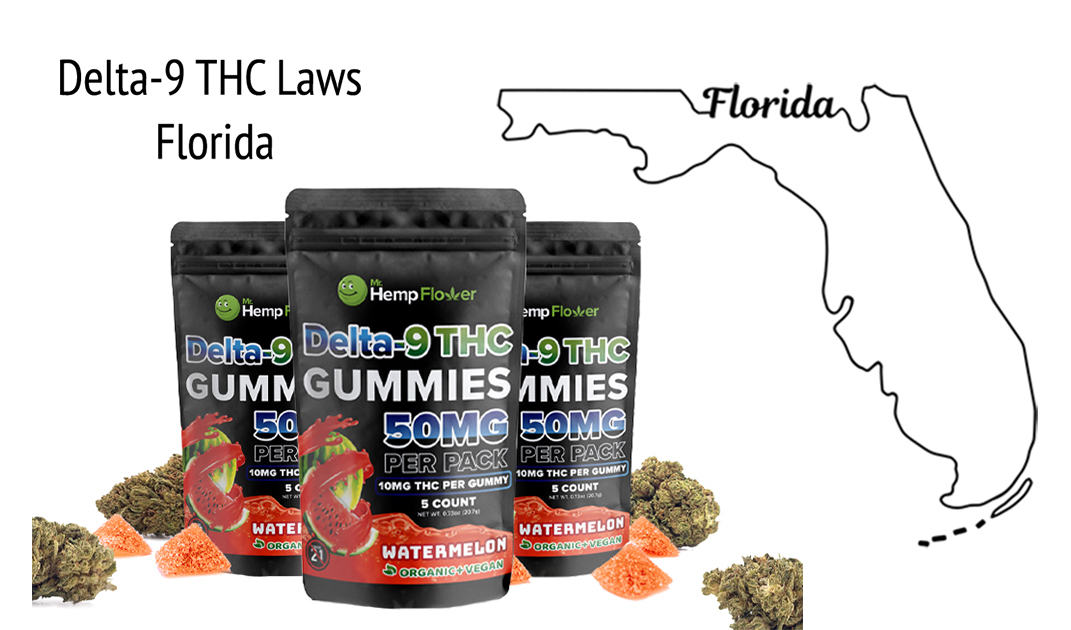
Understanding the Spectrum of Gummies: [Florida]’s Regulatory Framework
The term “gummies” can encompass a wide range of edible products, some of which are entirely legal and others that fall into heavily regulated or outright prohibited categories within [Florida]. The legality primarily hinges on the active ingredients within these gummies, most notably cannabinoids derived from hemp or marijuana. [Florida]’s approach aligns with both federal guidelines and its own state-specific legislation, creating a patchwork of rules that can be confusing for even seasoned travelers.
Hemp-Derived CBD Gummies: The Legality of Non-Intoxicating Options
The most straightforward category of gummies in Florida is those containing cannabidiol (CBD) derived from industrial hemp. Following the passage of the 2018 Farm Bill at the federal level, industrial hemp, defined as cannabis with less than 0.3% Delta-9 tetrahydrocannabinol (THC) on a dry weight basis, was federally legalized. Florida subsequently enacted its own legislation (Senate Bill 1020 in 2019, which led to Florida Statute 581.217) to regulate the cultivation, processing, and sale of hemp and hemp-derived products, including CBD.
For tourists, this means that CBD gummies that adhere strictly to the 0.3% Delta-9 THC limit are generally legal to purchase, possess, and consume in [Florida]. These products are widely available in various retail environments, from dedicated CBD stores and health food shops to supermarkets and even gas stations. When purchasing CBD gummies, visitors should look for clear labeling indicating the product is hemp-derived, contains less than 0.3% Delta-9 THC, and ideally provides a QR code linking to third-party lab test results (Certificates of Analysis, or COAs). These COAs verify the cannabinoid content and absence of contaminants, offering peace of mind regarding compliance and safety. It’s important to remember that while CBD is non-intoxicating, quality and accurate labeling are paramount.
Delta-8 THC and Other Minor Cannabinoids: A Shifting Legal Battleground
The legality of gummies containing other hemp-derived cannabinoids, such as Delta-8 THC, Delta-10 THC, HHC, and THCa, presents a far more complex and evolving scenario in [Florida]. These compounds, often referred to as “minor cannabinoids” or “intoxicating hemp products,” are chemically distinct from Delta-9 THC but can produce intoxicating or psychoactive effects similar to traditional marijuana. Their initial legality stemmed from a loophole in the 2018 Farm Bill and subsequent state laws, which focused primarily on the Delta-9 THC content, inadvertently allowing other intoxicating isomers of THC to flourish if derived from hemp.
However, [Florida]’s legislature has actively sought to close this loophole. In a significant development, Florida Senate Bill 1676 was passed in 2024, imposing stricter regulations on intoxicating hemp-derived cannabinoids. While certain provisions, such as a ban on intoxicating hemp products, are scheduled to take full effect on January 1, 2025, the intent and practical implications of the bill have already begun to reshape the market. The bill sets new limits for total THC (including Delta-8, Delta-10, and Delta-9) in hemp products, aiming to effectively ban products that could produce intoxicating effects. This means that many Delta-8 THC gummies and similar products that were previously widely available may become illegal or heavily restricted for sale and possession.
For tourists, this legislative shift is crucial. What might have been legal or readily accessible a few months prior could become prohibited. Visitors should exercise extreme caution and assume that gummies marketed for their intoxicating effects, even if labeled “hemp-derived,” are either currently illegal or will soon be in [Florida]. Relying on outdated information or assumptions could lead to legal trouble. Always verify the most current regulations before purchasing or possessing such products.
Medical Marijuana and High-Potency Delta-9 THC Gummies: Strict Rules for Visitors
When it comes to gummies containing high levels of Delta-9 THC – the primary psychoactive compound in traditional marijuana – [Florida]’s laws are unequivocal: recreational marijuana is illegal. This means that purchasing, possessing, or consuming Delta-9 THC gummies for recreational purposes is prohibited for both residents and tourists.
Florida does, however, have a robust medical marijuana program. Qualified patients with specific debilitating conditions can obtain a medical marijuana card issued by the state and purchase medical cannabis products, including high-potency Delta-9 THC gummies, from state-licensed Medical Marijuana Treatment Centers (MMTCs).
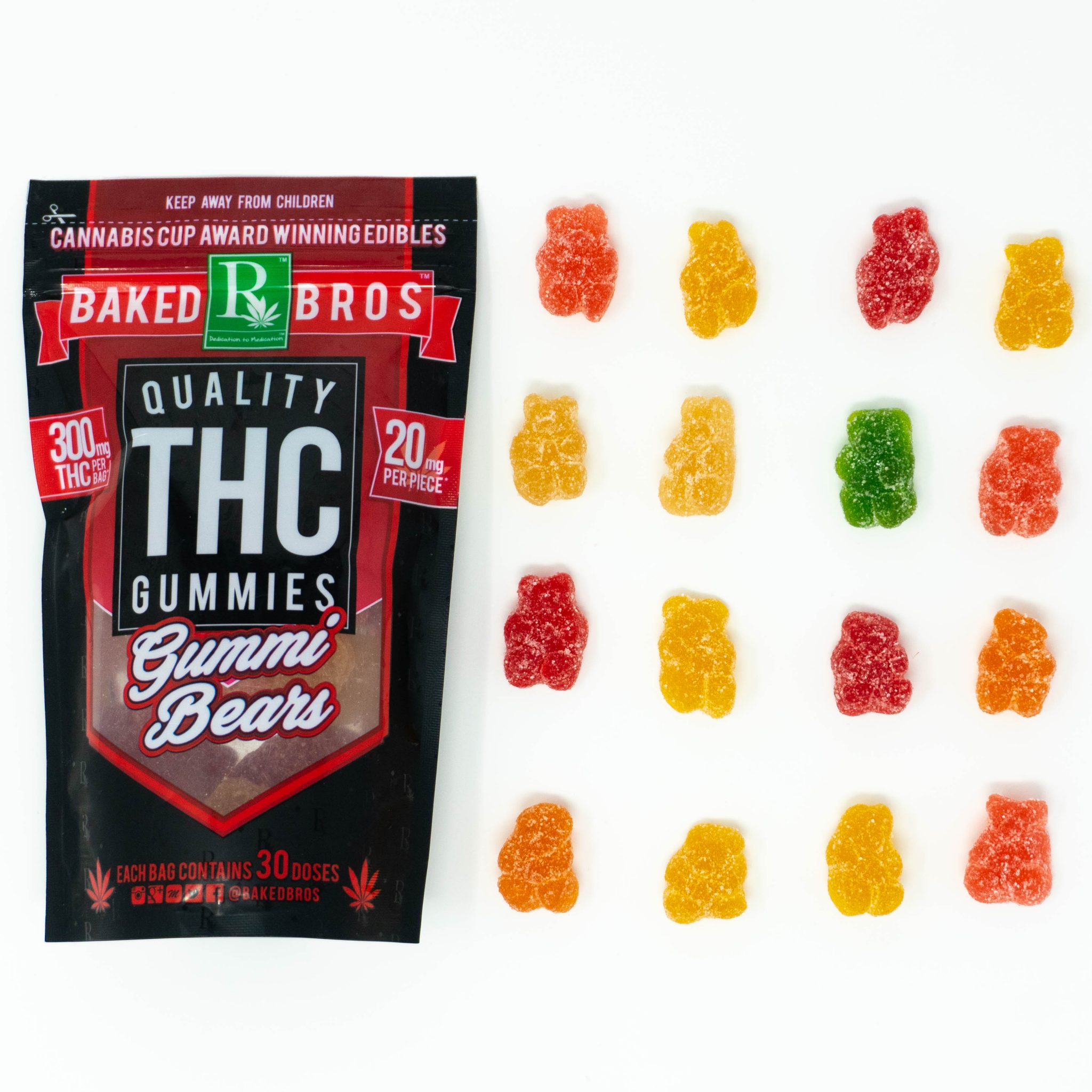
The critical point for tourists is that out-of-state medical marijuana cards are not recognized or valid in Florida. Even if you have a valid medical marijuana prescription or card from another state where medical or recreational cannabis is legal, you cannot use it to purchase products at a Florida MMTC. Attempting to do so, or possessing high-THC Delta-9 gummies without a valid Florida-issued medical marijuana card, can lead to severe legal penalties, including fines and imprisonment.
Practical Considerations for Tourists in the Sunshine State
Understanding the legal landscape is the first step; applying that knowledge while on your trip requires practical awareness.
Where to Purchase and What to Look For
If you are interested in legally available hemp-derived products, such as compliant CBD gummies:
- Reputable CBD Stores: Seek out establishments specializing in hemp products. Their staff are usually knowledgeable, and they typically stock products with readily available lab results.
- Avoid Suspicious Vendors: Be wary of products sold in unverified locations or those making exaggerated claims without proper labeling or third-party testing.
- Check Labels Meticulously: Ensure the product clearly states it’s hemp-derived, contains less than 0.3% Delta-9 THC, and has a scannable QR code for COAs. For Delta-8 or similar products, assume they are or will soon be illegal.
For medical marijuana patients with a valid Florida card, purchases must be made exclusively from licensed Medical Marijuana Treatment Centers (MMTCs), which operate under strict state oversight.
Public Consumption and Age Restrictions
Even for legal CBD gummies, exercising discretion is advisable. While consumption of legal hemp products might not carry the same legal risks as illicit substances, consuming them openly in public places could still draw unwanted attention or misinterpretation. Most legal hemp products, especially those that are intoxicating, are subject to age restrictions, typically 21 years or older, similar to alcohol and tobacco. Always carry identification if you plan to purchase or consume these products.
Traveling With Gummies: Interstate and Air Travel
One of the most critical warnings for tourists pertains to traveling with gummies.
- Interstate Travel: Crossing state lines with any cannabis product, even if legal in both origin and destination states, can be illegal under federal law. Federal law still classifies marijuana (including high-THC Delta-9) as a Schedule I controlled substance. While hemp-derived CBD products (under 0.3% Delta-9 THC) are federally legal, even they can cause issues if airport or border personnel are unfamiliar with the nuances.
- Air Travel (TSA): The Transportation Security Administration (TSA) states that its screening procedures are focused on security threats, not searching for illegal drugs. However, if they discover substances that appear to be illegal, they are obligated to report it to law enforcement. Carrying any THC-containing gummy (including Delta-8 or even full-spectrum CBD that might exceed trace THC limits) through airport security or on a flight is inherently risky due to the conflict between state and federal law. It is always safest to avoid traveling with any product containing THC, regardless of its derivation or perceived legality in Florida.

Staying Informed: The Dynamic Nature of [Florida] Law
[Florida]’s legal landscape regarding cannabis and hemp-derived products is highly dynamic. Laws and regulations are subject to change, often with little advance notice to the general public. What might be legal today could be restricted or prohibited tomorrow, especially concerning intoxicating hemp products like Delta-8 THC.For tourists planning a trip to Florida, it is highly recommended to:
- Check Current Legislation: Before and during your visit, consult official Florida government websites or reputable legal resources for the latest updates on hemp and cannabis laws.
- Err on the Side of Caution: When in doubt about the legality of a specific gummy product, especially one with intoxicating effects, assume it is illegal to purchase, possess, or consume. The legal ramifications of non-compliance can range from significant fines to felony charges, which can severely disrupt a vacation and have lasting consequences.
By understanding the current laws, being vigilant about product sourcing, and exercising caution, tourists can confidently enjoy all the legal offerings of Florida without encountering unexpected legal challenges related to gummies.
LifeOutOfTheBox is a participant in the Amazon Services LLC Associates Program, an affiliate advertising program designed to provide a means for sites to earn advertising fees by advertising and linking to Amazon.com. Amazon, the Amazon logo, AmazonSupply, and the AmazonSupply logo are trademarks of Amazon.com, Inc. or its affiliates. As an Amazon Associate we earn affiliate commissions from qualifying purchases.