
The question of whether manatees are native to Florida elicits a resounding affirmative, cementing their status as one of the state’s most iconic and beloved natural landmarks. These gentle, slow-moving marine mammals, often referred to as “sea cows,” have been an integral part of Florida’s aquatic ecosystems for millions of years, shaping its natural identity and captivating the hearts of residents and visitors alike. Their long-standing presence is not merely a matter of occasional visitation but of deep-rooted evolutionary history and ecological interdependence with the Florida landscape.
The Iconic Presence: Confirming Native Status in Florida
The manatee species found in Florida is the West Indian Manatee (Trichechus manatus), which is further divided into two subspecies: the Florida Manatee (Trichechus manatus latirostris) and the Antillean manatee. The Florida Manatee subspecies is unequivocally native to the waters of the southeastern United States, primarily Florida. Their continuous presence in Florida’s rivers, estuaries, and coastal waters dates back to prehistoric times, with fossil records providing clear evidence of their ancient lineage in the region. These docile giants are perfectly adapted to the warm, shallow waters that characterize much of Florida’s coastline and inland waterways, relying heavily on the abundance of seagrass and other aquatic vegetation for sustenance.
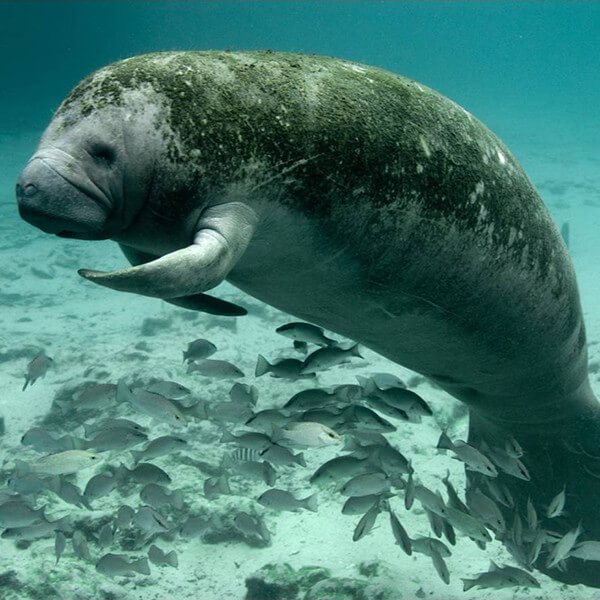
Their native status means that the Florida Manatee has evolved alongside the flora and fauna of the state, playing a crucial role in maintaining the health and balance of these delicate ecosystems. Unlike migratory species that might visit seasonally from distant lands, Florida manatees establish year-round residences in specific habitats, although they do undertake seasonal migrations within the state to find warmer waters during colder months. This intrinsic connection makes them more than just an attraction; they are a living, breathing component of Florida’s natural heritage, as fundamental to its wetlands and coasts as the cypress trees or the sawgrass of the Everglades.
Evolutionary Roots: A Deep History in Florida’s Ecosystems
The evolutionary journey of the manatee in Florida is a testament to the state’s enduring role as a critical habitat for these unique marine mammals. Tracing their ancestry back tens of millions of years, manatees belong to the order Sirenia, which also includes dugongs. Early sirenian fossils have been found across various continents, but the West Indian Manatee lineage adapted specifically to the nutrient-rich, warm coastal waters of the Americas. In Florida, the relatively stable climate and extensive network of freshwater springs, rivers, and coastal shallows provided an ideal environment for their ancestors to thrive and specialize.
Adapting to Florida’s Aquatic Landscapes
Over millennia, the Florida Manatee has developed distinct physiological and behavioral adaptations that allow it to flourish in the state’s diverse aquatic landscapes. Their large, streamlined bodies and paddle-like flippers are perfectly suited for navigating shallow waters and grazing on submerged vegetation. Crucially, their low metabolic rate and lack of significant blubber insulation mean they are highly sensitive to cold water. This sensitivity is a key factor influencing their distribution within Florida, compelling them to seek out warm water refugia during the winter.
The state’s unique geological features, particularly its numerous natural springs that maintain a constant temperature around 72°F (22°C) year-round, have been absolutely vital to the manatees’ survival. These springs act as essential havens when coastal waters in the Gulf of Mexico and Atlantic Ocean drop below 68°F (20°C). Without these natural warm-water sanctuaries, the Florida Manatee population would face severe challenges during winter months, potentially unable to sustain itself in such northern latitudes.
Seasonal Movements and Critical Warm-Water Refuges
While manatees are native year-round residents, their distribution within Florida is highly seasonal. During the warmer months, roughly from April to November, manatees disperse widely across the state’s coastal waters, rivers, and estuaries, utilizing the abundant food sources available. They can be found as far north as the Panhandle region on the Gulf Coast and even occasionally straying into states like Georgia or the Carolinas on the Atlantic. However, as winter approaches, these populations converge on traditional warm-water sites.
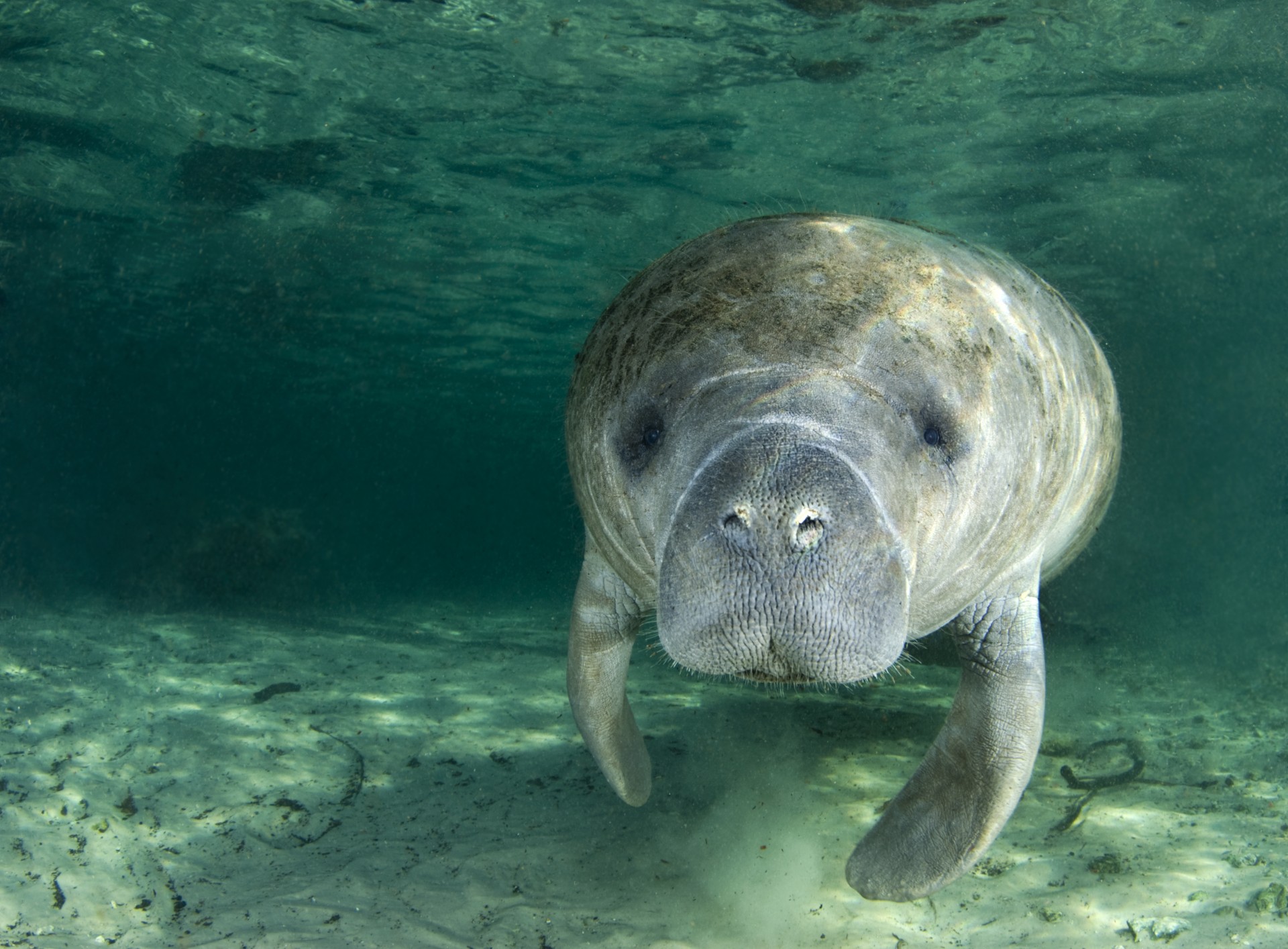
Prime examples of these critical refuges include the Crystal River National Wildlife Refuge, Blue Spring State Park in Volusia County, and the warmer discharges from power plants. These locations become temporary congregations, with hundreds of manatees gathering to escape the cold. The ability of manatees to navigate to these specific sites, often traveling hundreds of miles, underscores their deep evolutionary knowledge of Florida’s waterways and their critical reliance on these natural and anthropogenic warm spots. Observing this seasonal migration and congregation is one of Florida’s most remarkable natural phenomena.
Manatees as a Living Natural Landmark: Ecological Significance
A native species like the Florida Manatee is far more than just a charming creature; it serves as a living natural landmark, indicative of the health and biodiversity of its environment. Their presence signals a vibrant, functioning aquatic ecosystem, and their well-being is intrinsically linked to the overall ecological integrity of Florida’s waterways. As large herbivores, manatees play a crucial role in shaping the underwater landscape, much like grazing animals do on land.
Their Role in Seagrass Health
Manatees are primarily herbivorous, consuming vast quantities of seagrass and other submerged vegetation. This grazing behavior is vital for the health of seagrass beds. By selectively consuming older, slower-growing blades, manatees help stimulate new growth, much like mowing a lawn. This ‘gardening’ action ensures the seagrass beds remain healthy and productive, which in turn benefits countless other marine species that rely on these beds for food, shelter, and breeding grounds, including juvenile fish, crabs, and shellfish. Healthy seagrass beds also contribute significantly to water quality by stabilizing sediments and filtering pollutants, thus making manatees indirect indicators of ecosystem vitality.
When manatee populations decline, or their access to feeding grounds is restricted, the health of seagrass meadows can suffer, leading to cascading effects throughout the aquatic food web. Therefore, safeguarding manatee habitats is not just about protecting a single species but about preserving an entire interconnected ecosystem that defines much of Florida’s coastal natural landscape.
Conservation as a Testament to Florida’s Natural Heritage
The conservation status of the Florida Manatee has been a significant concern for decades, moving from endangered to threatened, largely due to successful conservation efforts. This focus on protection highlights their immense value as a natural landmark. Organizations like the Florida Fish and Wildlife Conservation Commission (FWC) and numerous non-profits dedicate substantial resources to researching manatee behavior, protecting their habitats, and educating the public.
Protection measures include speed restrictions in manatee zones to prevent boat strikes, the establishment of sanctuaries, and efforts to restore and preserve seagrass beds. The recovery of the manatee population is a testament to Florida’s commitment to preserving its natural heritage. For many, the sight of a manatee is synonymous with Florida’s wild beauty, a gentle reminder of the pristine nature that still exists amidst development. Their continued presence serves as a powerful symbol of successful conservation and the enduring value of native species.
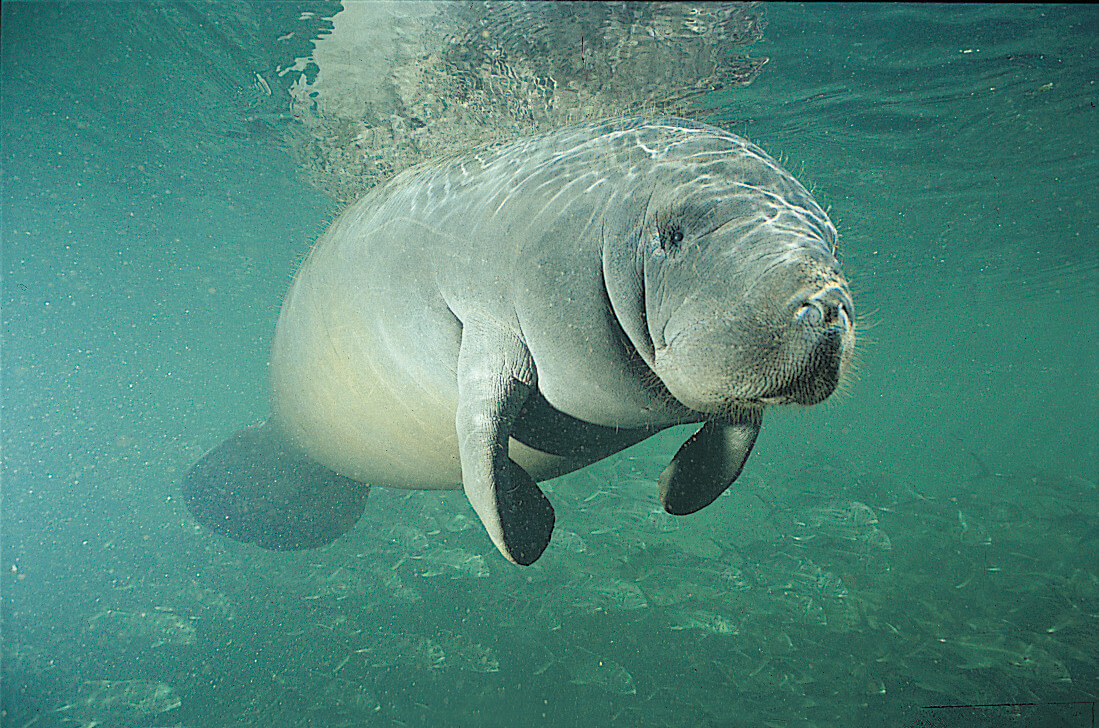
Ethical Engagement: Appreciating Florida’s Gentle Giants Responsibly
Understanding that manatees are native to Florida comes with a responsibility to appreciate them ethically and ensure their long-term survival. As a living natural landmark, manatees draw considerable interest, making responsible interaction crucial. The goal is to observe these magnificent creatures in their natural habitat without disturbing their behavior or threatening their well-being.
Approaches to ethical engagement include passive observation from a respectful distance, particularly in designated viewing areas. For instance, locations like Homosassa Springs Wildlife State Park or Blue Spring State Park offer boardwalks and observation platforms that allow visitors to view manatees in their natural environment without direct interaction. In areas where swimming with manatees is permitted, such as parts of Crystal River, it is imperative to choose licensed tour operators who adhere to strict guidelines. These guidelines emphasize passive observation, meaning no touching, chasing, cornering, or disturbing the animals. Swimmers are encouraged to float calmly and let manatees approach them on their own terms, if at all.
Beyond direct interaction, general awareness about manatee protection is vital for anyone enjoying Florida’s waters. This includes adhering to posted speed limits in manatee zones, properly disposing of fishing line and litter, and reporting injured or distressed manatees to wildlife authorities like the Florida Fish and Wildlife Conservation Commission. By acting as stewards of their environment, we ensure that these gentle, native giants continue to be a cherished and integral part of Florida’s landscape for generations to come. Their presence is a vibrant testament to the state’s unique natural history and an irreplaceable element of its environmental identity.
LifeOutOfTheBox is a participant in the Amazon Services LLC Associates Program, an affiliate advertising program designed to provide a means for sites to earn advertising fees by advertising and linking to Amazon.com. Amazon, the Amazon logo, AmazonSupply, and the AmazonSupply logo are trademarks of Amazon.com, Inc. or its affiliates. As an Amazon Associate we earn affiliate commissions from qualifying purchases.