
Navigating the nuances of breed-specific legislation can be a significant concern for pitbull owners planning a trip or considering a move to Florida. The question of whether pitbulls are illegal in the Sunshine State is common, and understanding the current legal landscape is crucial for a seamless and enjoyable lifestyle with your canine companion. While statewide prohibitions on specific dog breeds once existed, recent legislative changes have shifted the responsibility largely to local jurisdictions, creating a patchwork of regulations that impact pet owners. This guide delves into the specifics, offering insights for those whose lifestyle includes their beloved pitbulls.
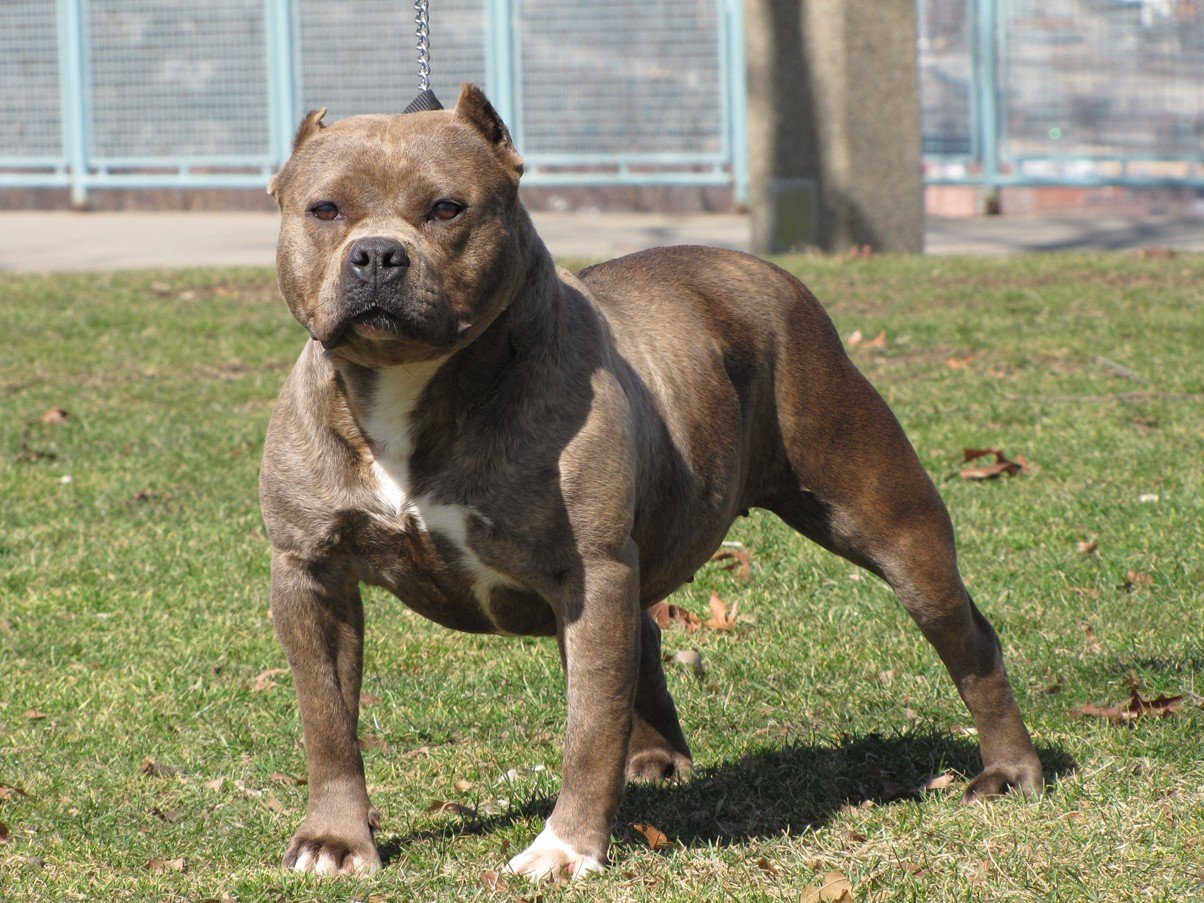
Understanding Florida’s Stance on Breed-Specific Legislation
For many years, Florida was known for its state-level ban on breed-specific legislation, a measure that notably included a prohibition on local governments enacting laws targeting specific dog breeds, such as pitbulls. However, the legal environment has evolved, introducing both clarity and complexity for pet owners.
The Repeal of the Statewide Preemption
Until October 1, 2023, Section 767.14 of the Florida Statutes generally prohibited local governments from adopting or enforcing breed-specific ordinances. This meant that, while a few older, grandfathered ordinances (like the one in Miami-Dade County) existed, most cities and counties in Florida could not outright ban or impose special restrictions on specific dog breeds. This provided a relatively consistent environment for pitbull owners across much of the state.
However, a significant legislative change took effect on October 1, 2023, when Governor Ron DeSantis signed Senate Bill 942 into law. This bill repealed the statewide preemption on breed-specific legislation. The repeal granted local governments the authority to enact ordinances that restrict or ban specific dog breeds. This pivotal change means that the answer to “Are pitbulls illegal in Florida?” is no longer a simple statewide “no,” but rather a more localized “it depends.”
The Role of Local Ordinances
With the statewide preemption lifted, individual cities and counties now have the power to decide whether to implement breed-specific regulations. This has created a dynamic and potentially varied legal landscape across Florida. Some local governments may choose to adopt bans, require specific insurance, mandate muzzling in public, or impose stricter containment rules for breeds identified as “dangerous” or “aggressive,” often including pitbull-type dogs. Other jurisdictions may continue to focus on “deed-not-breed” laws, which regulate dogs based on their individual behavior rather than their breed.
For pitbull owners, this means that thorough research into the specific ordinances of any city or county they plan to visit or reside in is absolutely essential. A pitbull that is perfectly legal and welcome in Orlando might face restrictions in Tampa or Jacksonville, depending on local legislative actions. Websites for local animal services, city or county clerk offices, and municipal codes are good starting points for this research. Consulting with local legal counsel specializing in animal law can also provide invaluable clarity for long-term stays or relocation.
Navigating Pet-Friendly Travel with Your Pitbull
The repeal of the statewide preemption profoundly impacts the lifestyle of pitbull owners traveling within or to Florida. What was once a relatively straightforward endeavor now requires meticulous planning and vigilance.
Researching Accommodation Policies
Finding pet-friendly accommodation is always a key consideration for travelers with dogs, but it becomes even more critical for pitbull owners in Florida. Many hotels, resorts, vacation rentals, and apartment complexes already have their own breed restrictions, often excluding pitbulls, regardless of local laws. With the new legislative freedom for local governments, properties may become even more cautious.
Before booking, always confirm the pet policy directly with the accommodation provider. Do not rely solely on “pet-friendly” labels on booking websites. Specifically inquire about breed restrictions. Many national hotel chains like La Quinta by Wyndham or Kimpton Hotels are generally more accommodating, but individual property owners or franchisees may still enforce their own rules. For vacation rentals, platforms like Airbnb or VRBO allow you to filter for pet-friendly options, but direct communication with the host about your specific breed is non-negotiable. Mentioning your pitbull’s temperament and providing references can sometimes help, but ultimately, the property owner’s policy is final.
Transportation Considerations
Traveling to Florida by air with a pitbull may present challenges, as many airlines have breed restrictions for brachycephalic (snub-nosed) breeds and also for breeds perceived as “dangerous,” including pitbulls, especially in cargo. Always check airline-specific policies well in advance. For road trips, your pitbull can accompany you, but be mindful of local ordinances in any towns you pass through or stop in. Rest stops and gas stations are generally fine, but a prolonged stop in a town with a breed ban could lead to issues. Ensure your dog is securely harnessed or crated in the vehicle for safety.
Public transportation within Florida cities typically restricts pets to service animals, though some systems may allow small dogs in carriers. Given the size of most pitbulls, this is rarely an option. Ride-sharing services like Uber or Lyft have individual driver discretion for non-service animals, so it’s essential to communicate your pet’s presence and breed upfront.

Public Spaces and Leash Laws
Even in areas without breed-specific bans, Florida has universal leash laws and responsible pet ownership requirements. Your pitbull must be on a leash in public spaces, unless in a designated off-leash dog park. Always clean up after your pet. Be particularly aware of local nuances regarding dog parks, beaches, and outdoor dining areas. Some beaches may allow dogs during specific hours or in designated sections, while others may ban them entirely. Dog parks may require proof of vaccination or registration. With the new legislative environment, it’s conceivable that some local dog parks or public spaces might implement restrictions on specific breeds, so confirming local rules for your chosen destination is crucial.
Ensuring a Smooth Stay: Preparation and Best Practices
A successful trip or relocation with your pitbull to Florida hinges on thorough preparation and adherence to best practices for responsible pet ownership, especially with the evolving legal landscape.
Necessary Documentation and Vaccinations
Always travel with your pitbull’s up-to-date vaccination records, especially for rabies. A copy of their veterinary health certificate is also advisable. If your dog is licensed in your home state or county, keep that documentation handy. Consider carrying proof of temperament training or Canine Good Citizen certification, as these can sometimes help in situations where breed perception is a concern, though they do not override legal restrictions. Microchipping your dog is essential for identification and reunification in case they get lost, and ensures you are easily contactable.
Responsible Pet Ownership in Tourist Areas
Responsible behavior is paramount, particularly in public and tourist-heavy areas. Ensure your pitbull is well-socialized and responsive to commands. Always use a sturdy leash and harness. Be mindful of your dog’s demeanor around strangers and other animals. If your dog exhibits any signs of stress or aggression, remove them from the situation. Public perception can unfortunately be biased against certain breeds, so demonstrating exemplary behavior helps to challenge stereotypes and promote a positive image for all pitbull owners. Avoid leaving your dog unattended in vehicles, especially given Florida’s intense heat, which can quickly lead to dangerous conditions.
Emergency Preparedness
Know the location of emergency veterinary clinics in the areas you plan to visit. Keep their contact information readily accessible. In a state prone to severe weather events like hurricanes, have an emergency plan that includes your pet. This involves identifying pet-friendly shelters or hotels outside evacuation zones and having an emergency kit for your dog (food, water, medication, leashes, proof of ownership). Being prepared ensures that you and your pitbull can safely navigate any unforeseen circumstances.
Lifestyle Implications for Pitbull Owners in Florida
The legal changes in Florida directly impact the daily lifestyle and long-term planning for pitbull owners, whether they are tourists or potential residents.
Recreational Activities and Dog Parks
Access to recreational activities is a significant part of a fulfilling lifestyle with a dog. While many Florida cities offer excellent dog parks and pet-friendly trails, local breed restrictions could potentially limit access in certain areas. For example, Sarasota boasts beautiful beaches and a vibrant pet scene, but a local ordinance could change that. Before planning a visit to a specific park or attraction, verify if there are any breed-specific rules in place. This includes popular destinations like the Florida Keys or national forests within the state. Seek out community groups or online forums for local pitbull owners in your destination area; they often have the most up-to-date information on pet-friendly spots and potential restrictions.
Community Acceptance and Perception
Beyond legalities, the social landscape also plays a role. While many Florida residents are dog lovers, breed perception can vary. Some communities may be more welcoming than others. As a pitbull owner, be prepared for a range of reactions, from warm greetings to cautious avoidance. Maintaining a well-behaved dog and being a responsible, courteous owner can significantly improve interactions and foster a more inclusive environment. Educating those who express concern in a polite manner can also contribute positively to shifting perceptions over time.

Long-Term Relocation Considerations
For those considering moving to Florida with a pitbull, the repeal of the statewide preemption adds a new layer of complexity to the decision-making process. The choice of city or county for residence will now heavily depend on its specific animal ordinances. A locality with a breed ban might make finding housing, obtaining pet insurance, or even participating in community activities extremely difficult or impossible. Thorough due diligence is paramount, extending to researching housing options, local vet services, and community resources that specifically cater to or welcome pitbulls. Understanding the local government’s stance on animal control and welfare is as important as researching schools or job markets when planning a lifestyle change with your pitbull in Florida.
In conclusion, while pitbulls are not universally illegal across Florida, the legal landscape has shifted dramatically. Owners must now proactively research local ordinances to ensure their beloved companions comply with regulations wherever they travel or reside. With careful planning and responsible pet ownership, enjoying the Florida lifestyle with a pitbull remains entirely possible.
LifeOutOfTheBox is a participant in the Amazon Services LLC Associates Program, an affiliate advertising program designed to provide a means for sites to earn advertising fees by advertising and linking to Amazon.com. Amazon, the Amazon logo, AmazonSupply, and the AmazonSupply logo are trademarks of Amazon.com, Inc. or its affiliates. As an Amazon Associate we earn affiliate commissions from qualifying purchases.