
The question of whether pythons are native to Florida is a crucial one for anyone planning a visit to the Sunshine State, especially for those interested in its unparalleled natural beauty and wildlife. The short answer is a definitive no; pythons are not indigenous to Florida’s delicate ecosystems. Their presence is a direct result of human activity, primarily the pet trade, leading to accidental or intentional releases into the wild. What began as a localized problem in South Florida has spiraled into a pervasive ecological crisis, with significant implications for both the environment and the tourism experience. Understanding this phenomenon is key to appreciating the efforts being made to preserve Florida’s natural heritage and ensuring a safe, responsible visit for all.

The Intrusion: Pythons in the Sunshine State’s Ecosystem
The story of pythons in Florida is a stark example of the far-reaching consequences of invasive species. The most prevalent of these, the Burmese python, native to Southeast Asia, found a hospitable new home in the warm, wetland environments of South Florida. These formidable constrictors can grow to impressive lengths, often exceeding 15 feet, and have a prodigious reproductive capacity. Their introduction, largely stemming from releases of unwanted pets during the 1980s and 1990s, particularly after Hurricane Andrew in 1992 which destroyed a python breeding facility, allowed them to establish breeding populations in areas like the Everglades National Park and the Big Cypress National Preserve.
Unlike native predators, Florida’s ecosystem lacked defenses against the Burmese python. They quickly rose to the top of the food chain, preying on a wide array of native wildlife, including mammals and birds that had no evolutionary history with such a large, efficient predator. This unchecked predation has led to precipitous declines in populations of raccoons, opossums, bobcats, and deer in the Everglades National Park, with some small mammal populations seeing reductions of over 90%. Such significant ecological disruption not only threatens biodiversity but also alters the very fabric of Florida’s natural attractions, impacting what tourists can expect to see and experience in these unique environments. The long-term effects on marsh rabbits, cotton rats, and other small prey species, vital components of the ecosystem, are particularly concerning, as their disappearance can trigger cascading effects throughout the food web. The python invasion serves as a continuous reminder of the fragility of natural ecosystems and the critical need for responsible pet ownership and stringent wildlife management to prevent similar ecological disasters from occurring in other sensitive natural areas, both domestically and internationally.
Impact on Florida’s Unique Ecosystems and Tourist Activities
The invasion of non-native pythons profoundly impacts Florida’s renowned natural landscapes, especially those that draw millions of tourists annually. The dramatic decline in native mammal and bird populations directly affects the wildlife viewing experiences that are a cornerstone of tourism in areas like the Everglades National Park. Visitors hoping to spot a wide variety of indigenous species may find their opportunities diminished due to python predation.
Altered Wildlife Viewing Opportunities
For tourists who flock to Florida seeking close encounters with its diverse fauna, the python problem presents a somber reality. The once-common sightings of raccoons, marsh rabbits, and even larger mammals like deer within the Everglades National Park have become increasingly rare in certain areas. This shift alters the authentic wildlife experience that defines a visit to these wetlands. While alligators, a formidable native predator, still thrive and are a major draw, the balance of the ecosystem is undeniably skewed. Eco-tourism operators, airboat tour guides, and park rangers often incorporate discussions about the python issue into their narratives, educating visitors on the challenges faced by Florida’s conservation efforts. This educational component adds a layer of depth to the tourist experience, transforming it from mere observation to a greater understanding of ecological stewardship.
Safety Concerns and Recreational Activities
While python encounters are relatively rare for the average tourist sticking to designated trails and popular attractions, the invasive species does introduce a new dynamic to outdoor recreational activities. Hiking, birdwatching, and camping in more remote areas of the Everglades National Park or the Big Cypress National Preserve now come with heightened awareness. Park authorities and local tourism boards provide guidance on staying safe in python territory, emphasizing vigilance and advising against venturing off marked paths. For the most part, pythons are elusive and avoid human contact, but the potential for an encounter, particularly with a large individual, underscores the need for caution. This awareness becomes part of the local “culture” for visitors, integrated into advice alongside tips for avoiding mosquitoes or understanding alligator behavior. The very presence of pythons highlights the wildness of Florida’s natural spaces, making the experience both thrilling and a call for respectful engagement with nature.
Navigating the Wild: Tips for Tourists in Python Territory
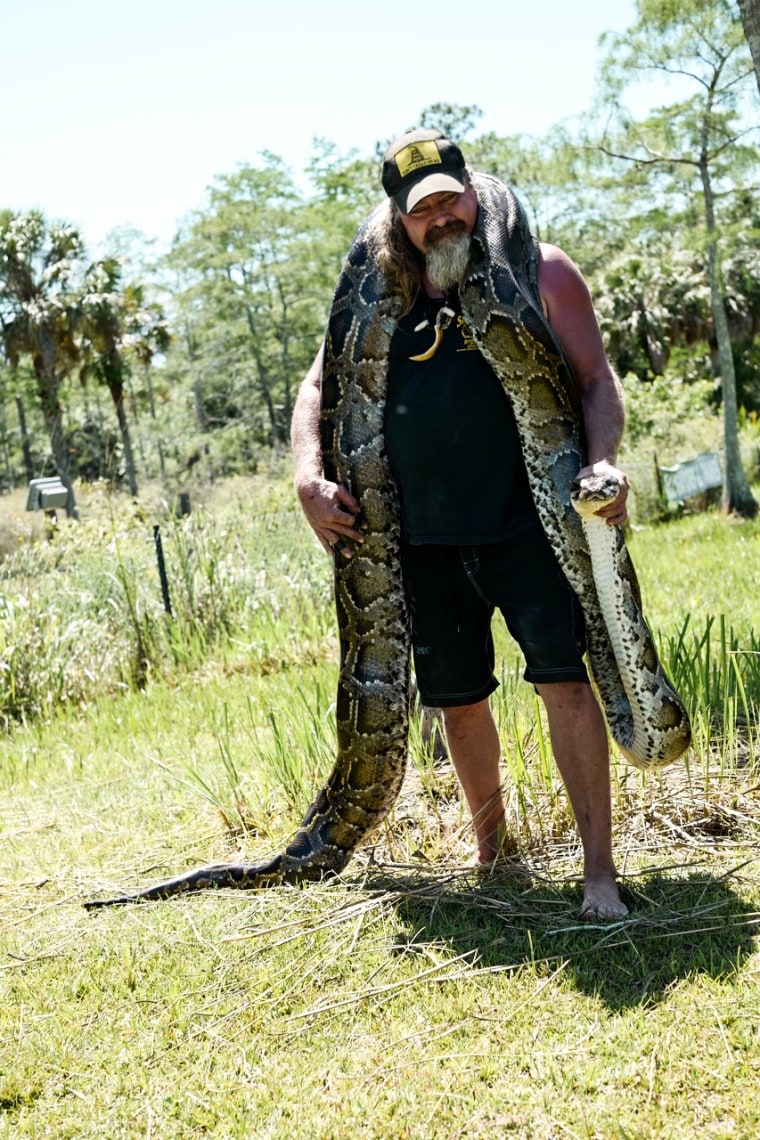
For visitors to [Florida](https://lifeoutofthebox.com/florida], especially those drawn to the state’s incredible natural parks and preserves, understanding the presence of pythons is part of responsible tourism. While an encounter is unlikely for most, being informed ensures a safer and more enjoyable experience.
General Awareness and Preparedness
The most critical tip for tourists is to remain aware of your surroundings, particularly when venturing into natural areas. Always stay on marked trails and boardwalks. These paths are designed to keep visitors safe and minimize disturbance to wildlife. Avoid dense vegetation where pythons and other reptiles might seek cover. If you plan on hiking in remote sections of the Everglades National Park, inform park rangers of your itinerary and carry appropriate safety gear, including a fully charged phone, plenty of water, and a first-aid kit. While pythons are generally shy and non-aggressive towards humans, they are powerful animals, and respect for their wild nature is paramount. Even in areas further afield from Miami or Orlando, such as the suburbs of Naples or the Lower Keys near Key West, where pythons have been sighted, basic vigilance is always prudent.
What to Do If You Encounter a Python
Should you be one of the rare tourists to encounter a python in the wild, the best course of action is to maintain a safe distance and observe it from afar. Do not approach, harass, or attempt to handle the snake. Pythons are wild animals and can strike if they feel threatened. Simply back away slowly and calmly. It’s advisable to report sightings to park staff or the Florida Fish and Wildlife Conservation Commission (FWC) using their app or hotline, providing as much detail as possible about the location and size of the snake. This information is invaluable for tracking python movements and aiding removal efforts. Remember, touching or attempting to capture a python without proper training and permits is dangerous and illegal. The focus for tourists should always be on safety and non-interference, allowing professionals to manage the invasive species problem. This responsible behavior contributes directly to conservation efforts and the safety of the natural environment for both wildlife and future visitors.
Conservation and Responsible Tourism: Protecting Florida’s Natural Heritage
Addressing the python invasion is a monumental task, and Florida’s response involves a multi-pronged approach that significantly intersects with the state’s tourism sector. Understanding these efforts not only enriches the visitor experience but also highlights how tourists can be part of the solution.
State and Federal Mitigation Efforts
The Florida Fish and Wildlife Conservation Commission (FWC) and the National Park Service lead extensive programs aimed at python eradication and research. These initiatives include professional python removal contractors, public python removal programs that allow licensed individuals to hunt pythons in designated areas, and ongoing scientific research into python behavior, breeding patterns, and detection methods. Tourist dollars, through park fees and related expenditures, indirectly support these critical conservation efforts. Educational exhibits and signage in places like the Everglades National Park explain the python crisis, turning a potential negative into an opportunity for environmental education and advocacy among visitors. Various organizations, including the Audubon Society and other non-profits, also play a vital role in public awareness and habitat restoration.

How Tourists Can Contribute to Conservation
Responsible tourism is key to supporting Florida’s conservation battle. Beyond adhering to safety guidelines and reporting sightings, tourists can contribute in several ways:
- Support Eco-Friendly Businesses: Choose tour operators and accommodations that prioritize sustainable practices and contribute to local conservation initiatives. Inquire about their environmental policies and how they address issues like invasive species.
- Respect Wildlife and Habitats: Always observe wildlife from a distance, do not feed animals, and pack out everything you pack in. Staying on marked trails minimizes disruption to sensitive ecosystems and prevents the spread of non-native plant species, which can also become invasive.
- Educate Others: Share your knowledge about the python problem with friends and family. Encourage responsible pet ownership, particularly regarding exotic animals, to prevent similar situations in other regions.
- Support Conservation Organizations: Consider donating to or volunteering with organizations dedicated to Florida’s wildlife and habitat preservation. Many offer opportunities for citizen science or educational outreach.
By understanding the gravity of the python situation and engaging in responsible tourism, visitors to Florida can play an active role in protecting its unparalleled natural beauty and ensuring that its unique ecosystems thrive for generations to come. The invasive python may not be native, but the collective efforts to manage its impact highlight Florida’s commitment to preserving its authentic wild heart, which is a key part of its appeal as a global tourist destination.
LifeOutOfTheBox is a participant in the Amazon Services LLC Associates Program, an affiliate advertising program designed to provide a means for sites to earn advertising fees by advertising and linking to Amazon.com. Amazon, the Amazon logo, AmazonSupply, and the AmazonSupply logo are trademarks of Amazon.com, Inc. or its affiliates. As an Amazon Associate we earn affiliate commissions from qualifying purchases.