
Understanding the nuances of compensation is paramount for anyone building a life or career, especially in a vibrant economic hub like Florida. The distinction between a “stipend” and “base salary” is not merely semantic; it carries significant implications for an individual’s financial planning, lifestyle choices, and overall economic well-being within the Sunshine State. For residents, aspiring transplants, and business professionals alike, discerning how these different forms of remuneration are classified and treated can profoundly impact everything from daily budgeting to long-term investment strategies and the ability to enjoy Florida’s unique offerings.
Understanding Compensation Structures and Your Lifestyle in Florida
In the realm of personal finance and lifestyle planning, how your income is structured directly dictates your financial flexibility. For many in Florida, where industries like tourism, hospitality, and real estate thrive, various compensation models are prevalent. Clarifying whether a stipend forms part of your base salary is a foundational step in crafting a robust financial strategy that supports your desired lifestyle.

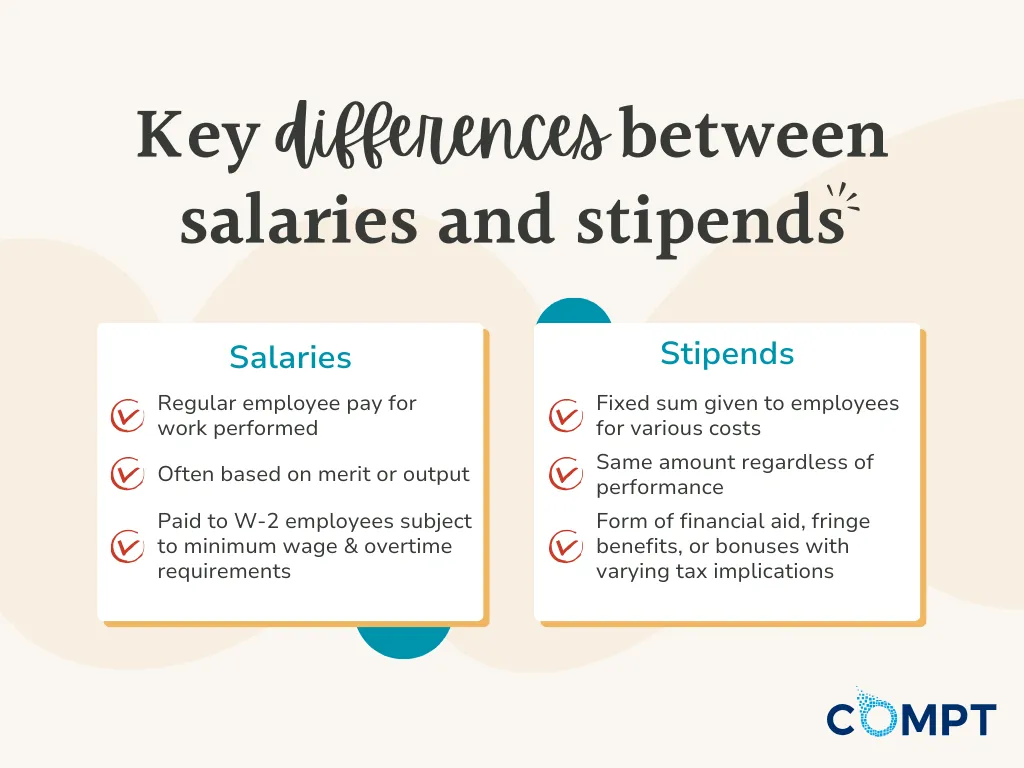
The Core Distinction: Salary vs. Stipend
A “base salary” typically refers to a fixed, regular payment that an employee receives for their work, usually paid on a bi-weekly or monthly basis. It is generally subject to standard payroll taxes, contributes to social security, and forms the bedrock of an individual’s taxable income. This predictable income stream is what most people rely on for their primary living expenses, rent, mortgage, and regular savings. It’s the stable foundation upon which a household budget is built, influencing eligibility for loans, credit, and major purchases like homes or vehicles.
A “stipend,” on the other hand, is generally a fixed sum of money paid periodically to cover specific expenses or to compensate for services that may not be considered traditional employment. Common examples include stipends for interns, graduate students, volunteers, or employees receiving allowances for specific work-related costs like housing, travel, or education. Crucially, stipends are often viewed differently from a base salary for tax purposes and may or may not be subject to withholding, depending on their nature and purpose. While some stipends might be taxable income, others might be considered reimbursements. This distinction is vital in Florida, where a dynamic workforce often encounters a mix of compensation types, particularly in sectors with transient or project-based roles. For someone living in Miami or working seasonally in Orlando, understanding if their housing stipend is taxable and affects their overall take-home pay can significantly alter their daily budget and capacity for leisure.
Financial Planning and Disposable Income
The classification of a stipend as either taxable income or a non-taxable reimbursement profoundly impacts an individual’s disposable income. If a stipend is classified as base salary, it typically means it will be subject to all applicable federal, state (though Florida has no state income tax), and local taxes, reducing the net amount received. Conversely, a non-taxable stipend or reimbursement preserves more of the gross amount, offering greater financial flexibility. This is particularly relevant for those planning their budgets to explore Florida’s attractions, from the theme parks of Walt Disney World to the vibrant nightlife of South Beach.
Understanding this difference is critical for setting realistic financial goals. For example, if you’re receiving a stipend for relocation to Tampa and it’s not considered taxable income, you have more funds available upfront for furnishing your new apartment or exploring the city’s culinary scene. If it is taxable and contributes to your base salary, you must account for the tax implications in your budgeting from day one. This knowledge empowers individuals to make informed decisions about their spending, saving, and investing, directly impacting the quality of their lifestyle in Florida.
Business Travel, Relocation, and Lifestyle Implications
For professionals whose careers involve frequent travel or relocation within Florida or to it, the structure of compensation is more than just an HR detail; it’s a lifestyle determinant. Whether you’re a consultant traveling between Jacksonville and Fort Lauderdale or an executive relocating to Naples, how your expenses are covered and classified significantly affects your personal finances and daily living.
Per Diems and Temporary Assignments
Many companies operating in Florida offer “per diems” – a type of stipend – to employees on business travel or temporary assignments. These are fixed daily allowances intended to cover lodging, meals, and incidental expenses. The key question for employees is whether these per diems are considered part of their taxable income or merely reimbursements. If structured as a non-taxable reimbursement, they effectively augment an employee’s disposable income during the assignment, allowing for greater comfort in accommodation, dining at local Sarasota restaurants, or even incidental leisure activities.
However, if a per diem is excessively large compared to actual expenses or is integrated into a larger compensation package without clear expense substantiation, it might be reclassified as taxable income. This shift significantly impacts the individual’s net earnings and, consequently, their lifestyle during the assignment. For a project manager on a long-term assignment in Boca Raton, understanding this can mean the difference between staying in a luxury resort versus a budget-friendly extended-stay hotel, directly influencing their quality of life away from home.
Settling in Florida: Long-term Financial Health
Relocating to Florida often comes with various financial incentives, including relocation stipends. The tax treatment of these stipends is crucial for new residents establishing their financial foothold. A taxable relocation stipend, which is treated as part of one’s salary, will reduce the net amount available for moving costs, setting up a new household, or even initial leisure activities. Conversely, a non-taxable reimbursement for actual moving expenses leaves more of the individual’s base salary free for lifestyle expenses, such as exploring the Everglades or enjoying the beaches of St. Petersburg.
Long-term financial health is intrinsically linked to understanding total compensation. When negotiating a job offer in Florida, it’s essential to clarify how all components of your compensation package – base salary, bonuses, and any stipends – are classified and taxed. This holistic view ensures that you can accurately plan for homeownership in Orlando, retirement savings, and the funding of your desired Florida lifestyle, from frequent cruises out of Port Canaveral to season passes for local attractions.
Impact on Quality of Life and Leisure Travel
The way stipends are accounted for can directly enhance or limit one’s ability to experience the rich lifestyle Florida offers. From world-class entertainment to pristine natural landscapes, enjoying these aspects often requires discretionary income.
Funding Your Florida Adventures
If your stipends effectively boost your disposable income by being non-taxable or supplementary to your base salary, it opens up a world of possibilities for leisure and exploration. Imagine having extra funds to frequently visit Busch Gardens Tampa Bay, take weekend trips to the Florida Keys, or indulge in the fine dining scenes of Palm Beach. Conversely, if a stipend you expected to be supplemental is instead classified as taxable salary, it means less net income for these experiences, potentially pushing beloved Florida adventures out of reach or into a stricter budget.
This impacts both luxury and budget travel styles. A professional relying on stipends for a particular lifestyle might find their plans for a luxurious South Beach stay or an exclusive golf retreat in Ponte Vedra Beach significantly altered if the stipend’s tax implications are misunderstood. Similarly, even budget travelers relying on careful financial planning might find unexpected tax liabilities on stipends impacting their ability to afford camping trips in Ocala National Forest or exploring historic St. Augustine.
Making Informed Lifestyle Choices
Ultimately, the distinction between stipends and base salary empowers individuals to make informed lifestyle choices. It influences decisions such as where to live, what type of vehicle to purchase, and how often one can afford to travel for leisure within and outside Florida. A clear understanding allows for accurate budgeting, enabling residents to allocate funds confidently towards their desired quality of life, whether that means prioritizing savings for a home, investing in personal development, or frequent excursions to Kennedy Space Center Visitor Complex. Without this clarity, financial stress can dampen the joy of living and working in such a desirable state.
Navigating Compensation for a Fulfilling Florida Lifestyle
Ensuring a robust financial foundation in Florida means being proactive about understanding all aspects of your compensation. This diligence translates directly into greater freedom and opportunity to enjoy the diverse lifestyle the state offers.
Seeking Professional Guidance
Given the complexities of tax law and employment regulations, especially with different types of compensation, seeking advice from a qualified financial advisor or tax professional in Florida is highly recommended. They can provide personalized insights into how stipends, bonuses, and base salaries interact with your overall financial situation, helping you optimize your net income and plan effectively for your desired lifestyle. Understanding the specific regulations that apply to your stipends, whether for education, housing, or travel, ensures you avoid unexpected tax liabilities and maximize your financial resources. This is particularly important in a state with unique economic drivers and a high cost of living in some metropolitan areas like Miami or Naples.
The Broader Economic Picture in Florida
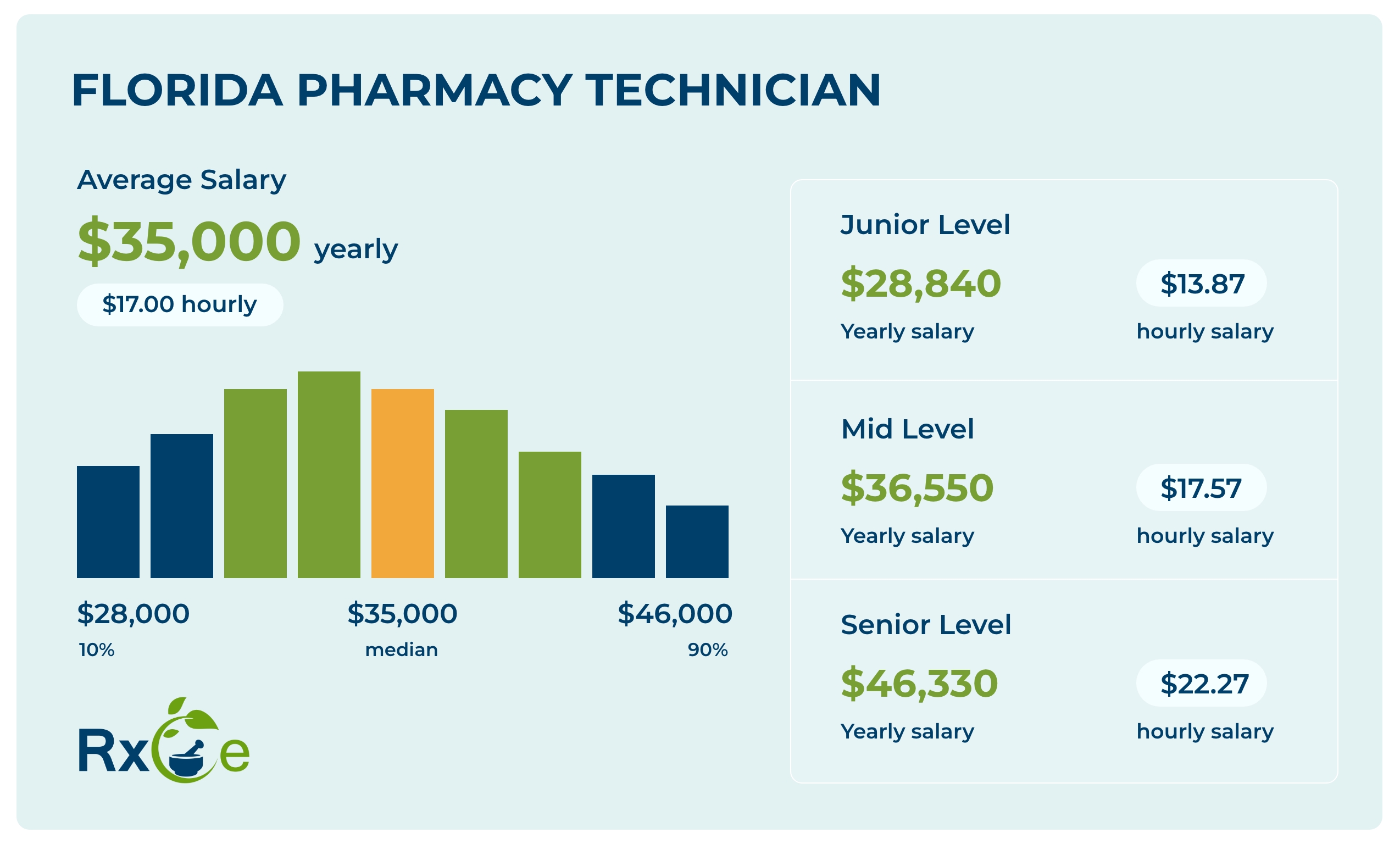
Florida’s economy is dynamic, characterized by growth in tourism, technology, healthcare, and finance. This diverse landscape means a variety of employment models and compensation packages. As individuals navigate career opportunities across cities like Orlando, Tampa, and Jacksonville, the ability to decipher and negotiate compensation terms, including the classification of stipends versus base salary, is an invaluable skill. It directly contributes to financial resilience and the capacity to embrace the full spectrum of Florida’s lifestyle, from its world-renowned beaches and cultural attractions to its burgeoning business opportunities. Making informed decisions about your income structure is not just about taxes; it’s about building the life you envision in this vibrant state.
LifeOutOfTheBox is a participant in the Amazon Services LLC Associates Program, an affiliate advertising program designed to provide a means for sites to earn advertising fees by advertising and linking to Amazon.com. Amazon, the Amazon logo, AmazonSupply, and the AmazonSupply logo are trademarks of Amazon.com, Inc. or its affiliates. As an Amazon Associate we earn affiliate commissions from qualifying purchases.