
Navigating Florida’s Roadways: The Evolving Landscape of Tolls
Florida, a premier destination for travelers worldwide, boasts an extensive network of highways, expressways, and scenic routes designed to connect its diverse cities, theme parks, and stunning coastlines. Integral to this infrastructure are its numerous toll roads, which play a crucial role in funding construction, maintenance, and enhancing traffic flow. For many years, these tolls have been a consistent, albeit sometimes overlooked, part of the travel experience in the Sunshine State. However, in the wake of significant events, particularly natural disasters, there have been instances where the state temporarily suspended tolls to facilitate evacuations, aid relief efforts, and ease the burden on residents and visitors. This practice has led to recurring questions from travelers: are the toll roads still suspended? Understanding the current status of these suspensions is vital for effective travel planning, budgeting, and ensuring a smooth journey across Florida. The temporary removal of tolls can significantly impact the economic considerations of a trip, from reducing unexpected costs for rental car users to making commutes more affordable for long-term visitors.
The Standard Toll System in Florida
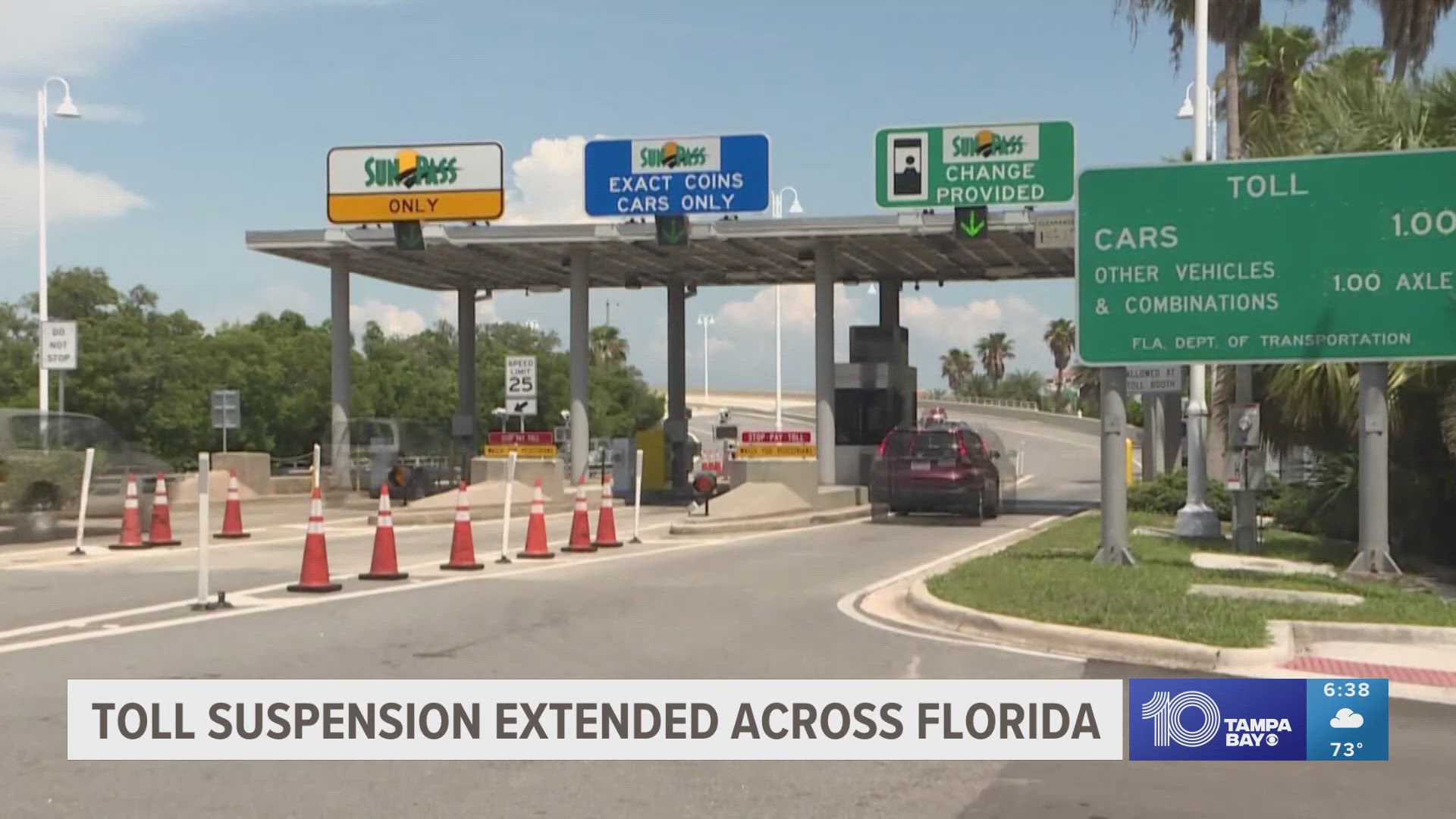
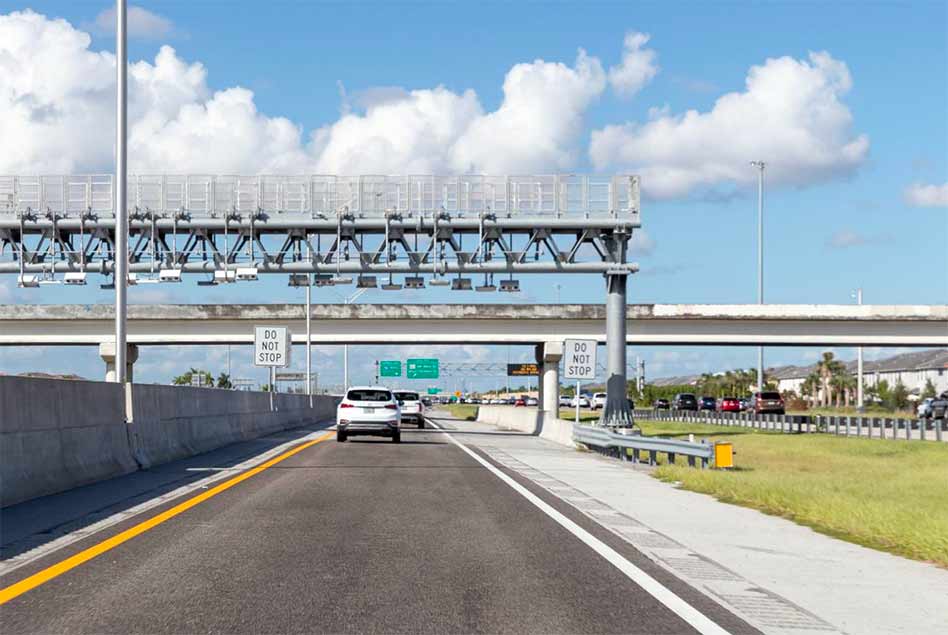
Before delving into suspensions, it’s essential to understand Florida’s standard toll collection methods. The state primarily utilizes electronic tolling systems, with options like SunPass and E-PASS being the most prevalent. These transponders allow for seamless, cashless travel through toll plazas, deducting fees automatically from a linked account. For out-of-state visitors or those without a transponder, the “Toll-By-Plate” or “Pay-By-Plate” system is often used. This method involves cameras capturing license plate images, and a bill is then mailed to the registered owner of the vehicle. While convenient, Toll-By-Plate typically incurs higher administrative fees compared to using a transponder. Rental car companies also offer various toll programs, which can add convenience but often come with their own set of fees and charges, sometimes significantly increasing the overall cost of tolls for a trip. Cash lanes, once common, are now increasingly rare, making electronic payment almost a necessity on most major toll routes.
Understanding Recent Suspensions and Reinstatements
The most significant and widespread toll suspensions in recent memory occurred in response to powerful hurricanes impacting Florida. A prime example was the suspension of tolls across multiple regions in anticipation of and recovery from Hurricane Ian in late 2022. During such emergencies, the Florida Department of Transportation (FDOT) and Florida’s Turnpike Enterprise, along with local toll authorities like the Central Florida Expressway Authority (CFX), declare emergency toll suspensions to aid evacuations, allow residents to return safely, and facilitate the movement of emergency personnel and supplies. These suspensions are not indefinite; they are typically implemented for a specific period, often lasting from a few days to a couple of weeks, depending on the severity and duration of the emergency and the subsequent recovery efforts. Once the immediate crisis passes and normal operations resume, tolls are officially reinstated.
Impact on Travel Planning and Budgets
The temporary suspension of tolls, while a welcome relief during an emergency, is not a permanent state. For travelers planning a road trip or an extended stay in Florida, assuming tolls are suspended could lead to unexpected charges and complications. When tolls are active, they represent a significant line item in a travel budget, especially for those traversing the state from north to south or frequently visiting areas like Orlando and Miami, which are surrounded by numerous tolled expressways. Unaccounted-for toll fees can quickly accumulate, especially when using rental car toll programs like PlatePass or TollPass, which often charge daily service fees on top of the actual toll costs. Misunderstanding the current toll status can disrupt financial planning, potentially leading to budget overruns or a frustrating experience trying to resolve unexpected bills post-trip.
Practical Advice for Travelers: What You Need to Know Now

As of the current period, there are no widespread, emergency-related toll suspensions in effect across Florida. Toll roads are operating under their standard payment collection systems. This means that travelers should anticipate and prepare to pay tolls on designated routes throughout the state. It is always prudent to verify the most current information, especially if planning a trip during hurricane season or following any major weather event, but generally, normal toll operations have resumed following any past emergency declarations.
Preparing for Tolls: Options and Strategies
Navigating Florida’s toll roads efficiently and cost-effectively requires a bit of foresight:
- Rental Cars: If you are renting a vehicle, inquire about the rental company’s toll program before you drive off the lot. Understand their daily fees, administrative charges, and how the tolls will be processed. Sometimes, opting out of their program and using a personal SunPass transponder (if you have one from previous trips) or simply paying via Toll-By-Plate, despite its higher per-toll cost, might be cheaper for short trips with minimal toll road usage. Be aware that many rental companies’ systems are automatic and opting out requires specific action.
- Personal Vehicles: For those driving their own car or planning multiple trips to Florida, purchasing a SunPass transponder (either the Mini sticker or a portable device) is the most economical option. These can be bought at retail locations like Publix, CVS, or Walgreens, and then activated and funded online. This ensures you pay the lowest toll rates and avoid any administrative fees.
- Pay-by-Plate: While an option, it is generally the most expensive. Be prepared for bills to arrive weeks after your trip, potentially with added processing fees. Ensure your vehicle’s registration address is current if you plan to rely on this method.
- Mapping Apps: Utilize GPS navigation apps like Google Maps, Waze, or Apple Maps, which often have options to “avoid tolls.” While this might extend your travel time, it can be a viable strategy for budget-conscious travelers on specific routes. However, avoiding tolls on major corridors like Florida’s Turnpike or certain expressways around large cities can significantly increase travel duration and complexity.
Key Routes and Toll Hotspots
Travelers should be particularly aware of toll segments on major routes connecting popular Florida destinations. The Florida’s Turnpike is a primary north-south artery running much of the length of the state and is fully tolled. Alligator Alley, the section of I-75 that cuts across the Everglades between Naples and Fort Lauderdale, is another significant toll road. In Central Florida, particularly around the Orlando area, a dense network of expressways managed by the Central Florida Expressway Authority (CFX) are tolled, including SR 417 (Central Florida GreeneWay) and SR 528 (Beachline Expressway), which connects Orlando International Airport to the coast. The greater Miami area also has numerous tolled expressways essential for navigating the metropolitan sprawl. Planning your route and checking for tolls beforehand is a crucial step for a hassle-free trip.
Staying Informed: Official Sources and Updates
For the most accurate and up-to-date information regarding toll statuses in Florida, travelers should always consult official sources. These include:
- Florida Department of Transportation (FDOT) Website: The FDOT website provides comprehensive information on road conditions, construction projects, and official announcements, including any emergency toll suspensions.
- Florida’s Turnpike Enterprise: This authority manages the majority of Florida’s major toll roads and their website is the go-to for specific information on these routes.
- SunPass and E-PASS Websites: These sites offer details on how to acquire and manage transponders, as well as general information about the toll system.
- Local Toll Authority Websites: For specific regions, such as the Orlando area, the Central Florida Expressway Authority (CFX) website is invaluable for local toll information.
- Emergency Management Websites: During hurricane season or other large-scale emergencies, state and county emergency management websites will often carry notices about toll suspensions as part of broader evacuation or recovery instructions.
By proactively checking these official channels, travelers can ensure they have the latest information, avoid unexpected costs, and enjoy their journey through Florida with peace of mind. While past emergency suspensions offered temporary relief, the current expectation should always be that Florida’s toll roads are active and require payment.
LifeOutOfTheBox is a participant in the Amazon Services LLC Associates Program, an affiliate advertising program designed to provide a means for sites to earn advertising fees by advertising and linking to Amazon.com. Amazon, the Amazon logo, AmazonSupply, and the AmazonSupply logo are trademarks of Amazon.com, Inc. or its affiliates. As an Amazon Associate we earn affiliate commissions from qualifying purchases.