
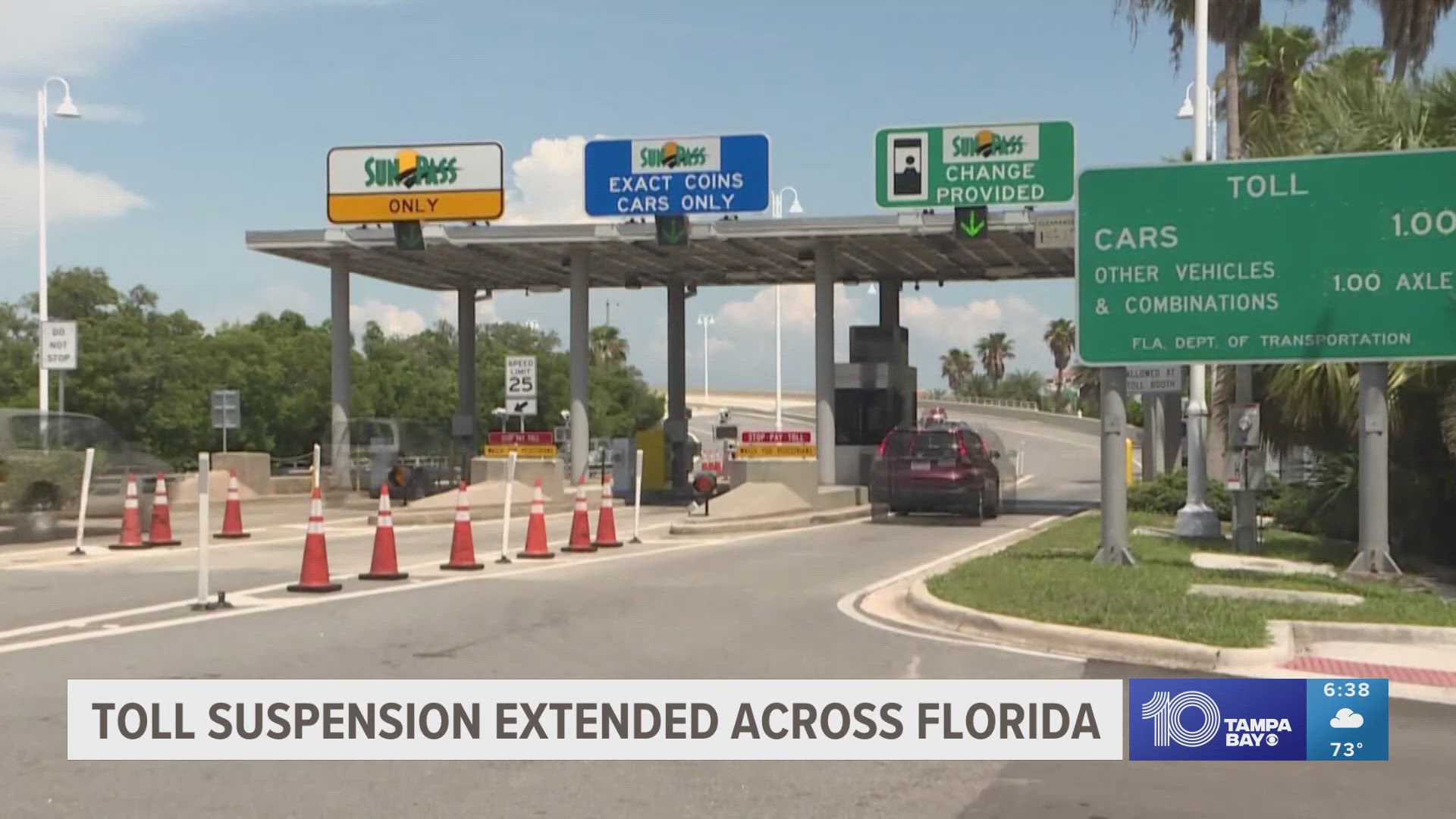
For many travelers planning a Florida getaway, the question of toll road suspensions can be a significant one, impacting both budget and route planning. Florida, known for its vast network of expressways and scenic drives, also boasts one of the most extensive toll road systems in the United States. Understanding the current status of these tolls is crucial for a smooth and cost-effective travel experience. As of the current period, the widespread toll suspensions that have occasionally been enacted in response to specific emergencies, such as hurricanes or during certain public health crises, are not in effect. Travelers should anticipate paying tolls when utilizing designated toll roads and bridges across the state. This article delves into Florida’s toll infrastructure, explains past suspensions, and provides essential tips for navigating the system efficiently.
Understanding Florida’s Extensive Toll Road Network
Florida’s transportation infrastructure relies heavily on its toll roads to fund construction, maintenance, and expansion projects. These roads are designed to provide faster, less congested routes, particularly around major metropolitan areas and along key interstates. While they offer convenience and time savings, they come with associated costs that travelers must factor into their budgets. From the northern reaches of the state to the southern tip, toll roads crisscross Florida, serving millions of residents and tourists annually.
Key Toll Roads and Expressways
The state’s toll network is managed by various authorities, including the Florida Department of Transportation (FDOT), the Florida’s Turnpike Enterprise, and numerous local expressway authorities. Some of the most prominent toll roads include:
- Florida’s Turnpike: This is arguably the most well-known toll road, running approximately 309 miles from Wildwood south to Homestead in Miami-Dade County. It’s a critical artery for north-south travel, bypassing many smaller towns and offering a direct route through the heart of the state.
- I-4 Express: A newer addition in Orlando, these express lanes offer a faster, dynamic-tolled option within the heavily trafficked Interstate 4 corridor.
- Dolphin Expressway (SR 836): A vital east-west route serving downtown Miami, Miami International Airport, and western Miami-Dade County.
- Beachline Expressway (SR 528): Connects Orlando with the Space Coast, including Cocoa Beach and Cape Canaveral.
- Veterans Expressway (SR 589) and Suncoast Parkway (SR 589): These roads provide crucial north-south links through Tampa and along the Gulf Coast.
- Alligator Alley (I-75): The section of Interstate 75 that traverses the Everglades between Naples and Fort Lauderdale, a critical link between Florida’s east and west coasts.
- Toll bridges: Several bridges, particularly those connecting barrier islands to the mainland, also levy tolls, such as the Sunshine Skyway Bridge near St. Petersburg and the Mid-Bay Bridge in the Panhandle.
Each of these roads plays a vital role in Florida’s transportation landscape, offering diverse routes for various travel needs.
The Reality of Toll Suspensions: Past and Present
The concept of toll suspension often arises during extraordinary circumstances. While the idea of free travel on these routes is appealing, such occurrences are temporary and infrequent.
Historical Context of Toll Suspensions
Historically, Florida governors have authorized the suspension of tolls primarily in anticipation of or immediately following major hurricanes. The primary goal during these times is to facilitate evacuations, aid emergency response, and expedite the delivery of essential supplies to affected areas. For instance, tolls have been suspended on Florida’s Turnpike, Alligator Alley, and other key routes during events like Hurricane Irma (2017) and Hurricane Ian (2022). These suspensions are typically announced with specific start and end dates and are limited to the areas impacted by the emergency. Outside of hurricane-related emergencies, toll suspensions are exceedingly rare. There was a temporary suspension of tolls in 2020 on some routes during the initial phase of the COVID-19 pandemic, primarily to ease economic burdens and facilitate essential travel, but this was a unique situation.
Current Status and What Travelers Need to Know
As of now, there are no statewide toll suspensions in Florida. All standard toll roads and bridges are operating with their regular fee structures. This means that travelers should plan to encounter tolls on most expressways, especially those leading to popular destinations like Orlando’s theme parks, Miami’s beaches, and major airports.
It is critical for travelers to:
- Stay Informed: Always check official sources like the Florida Department of Transportation website or the Florida’s Turnpike Enterprise for the most current information, especially if traveling during hurricane season (June 1 to November 30).
- Assume Tolls Are Active: Unless there is a widely publicized, official announcement to the contrary, always assume that tolls are active on designated routes.
- Prepare for Payment: Have an electronic transponder or understand the pay-by-plate options available.
Relying on outdated information or assumptions about toll suspensions can lead to unexpected charges, administrative fees, or delays.
Navigating Florida’s Tolls: Payment Methods and Best Practices
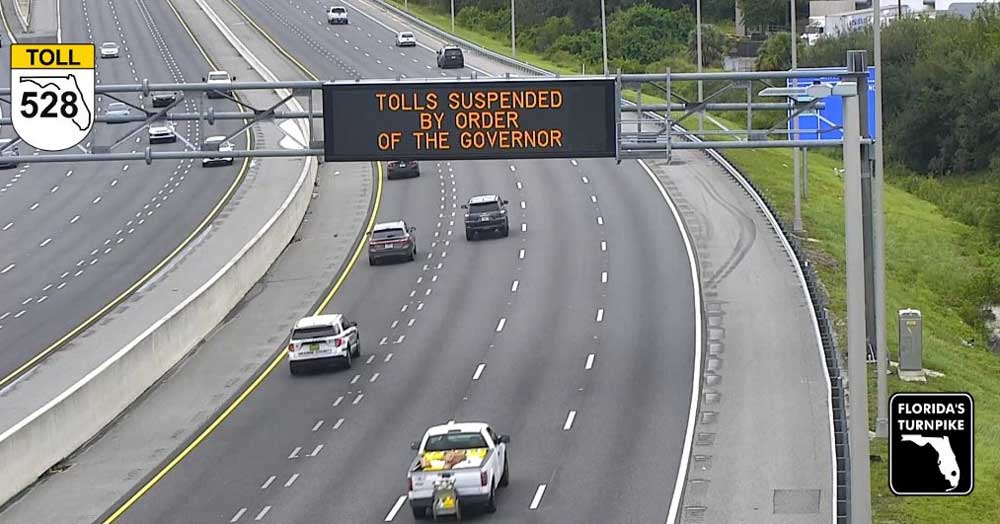
Florida’s toll system is predominantly electronic, designed for seamless travel. While some older gantries might still accept cash, the trend is overwhelmingly towards automated collection.
Electronic Toll Collection Systems
The most convenient and cost-effective way to pay tolls in Florida is through an electronic transponder. The state’s primary system is SunPass, but other compatible transponders are also accepted.
- SunPass: This is Florida’s prepaid toll program. A small transponder (mini or portable) is affixed to your windshield, and tolls are automatically deducted from a pre-funded account. SunPass users typically receive a discount on tolls compared to cash or pay-by-plate rates. SunPass transponders can be purchased at major retailers like Publix, CVS, Walgreens, and AAA offices, as well as online.
- E-PASS: Managed by the Central Florida Expressway Authority (CFX) in the Orlando area, E-PASS is fully interoperable with SunPass and can be used statewide.
- Other Transponders: Florida toll roads also accept transponders from other states participating in the E-ZPass Group (e.g., E-ZPass from the Northeast, Peach Pass from Georgia, NC Quick Pass from North Carolina). This interoperability makes travel across state lines much easier for those who already use these systems.
For rental cars, many agencies offer their own toll programs, often through a third-party provider. While convenient, these programs typically involve a daily service fee in addition to the tolls, which can add up significantly. It’s often more economical for frequent Florida travelers to purchase their own SunPass transponder.
Cash and Pay-By-Plate Options
While electronic payment is dominant, travelers still have options:
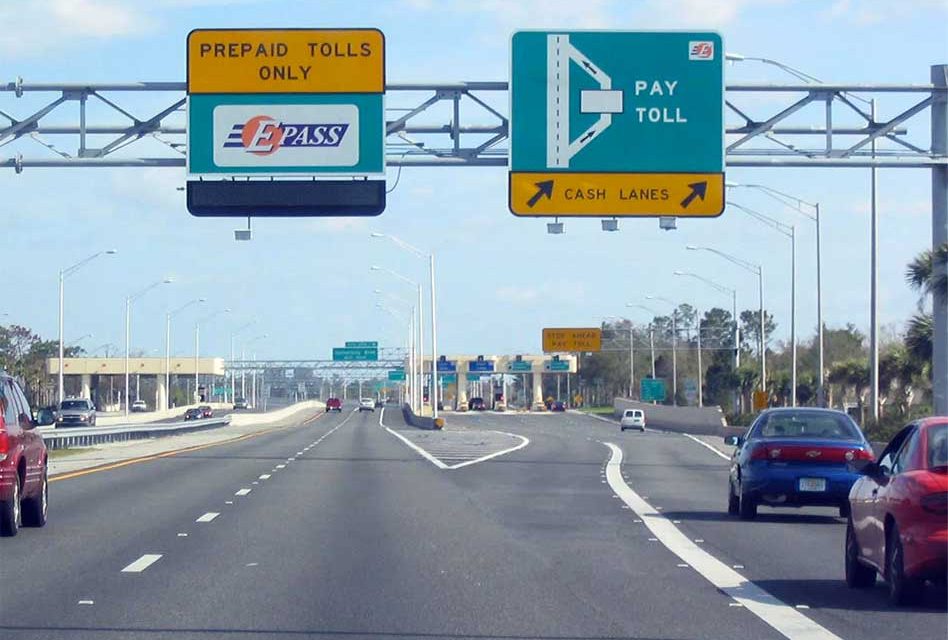
- Cash Lanes: A dwindling number of toll plazas still have dedicated cash lanes. However, many major toll roads, particularly newer segments and express lanes, are completely cashless. Relying solely on cash is not recommended and can lead to missed payments and penalties.
- Toll-By-Plate (or Pay-By-Plate): If you drive through a cashless toll plaza without a transponder, cameras capture your license plate. A bill for the tolls, often with an additional administrative fee, will be mailed to the registered owner of the vehicle. For rental cars, this bill goes to the rental company, which then forwards the charge to you, usually with substantial administrative fees tacked on. This is generally the most expensive way to pay tolls.
To avoid extra fees and ensure a smooth journey, planning your toll payment strategy before hitting the road is essential.
Planning Your Florida Journey: Minimizing Toll Costs
While tolls are a fact of life for many Florida routes, smart planning can help mitigate their impact on your travel budget.
Utilizing Navigation Apps
Modern navigation apps like Google Maps, Waze, and Apple Maps are invaluable tools. They often include options to “Avoid Tolls” when calculating routes. While taking non-toll roads might add significant time to your journey, especially for long distances or during peak hours, it can be a viable strategy for shorter trips or if you’re not in a hurry. For example, local routes parallel to the Florida’s Turnpike or I-4 can bypass tolls but will likely involve more traffic lights and lower speed limits.
The Cost-Benefit Analysis of Toll Roads
When deciding whether to use a toll road or a free alternative, consider the following:
- Time Savings: Toll roads are generally faster and less congested. The time saved can be valuable, especially if you have a tight schedule or are trying to maximize your vacation time.
- Fuel Efficiency: Stop-and-go traffic on non-toll routes can consume more fuel than smooth driving on an expressway. The fuel savings might partially offset the toll costs.
- Convenience and Stress: Driving on well-maintained toll roads can be a less stressful experience than navigating crowded surface streets, particularly in unfamiliar areas.
- Destination Accessibility: For some destinations, particularly airports or certain attractions, toll roads offer the most direct and practical access.
Ultimately, the decision to use toll roads depends on individual priorities, budget, and itinerary. For most travelers seeking efficiency and ease, utilizing Florida’s electronic toll system with a SunPass or compatible transponder remains the recommended approach. By understanding the system and planning ahead, you can enjoy all that Florida has to offer without any unexpected financial detours.
LifeOutOfTheBox is a participant in the Amazon Services LLC Associates Program, an affiliate advertising program designed to provide a means for sites to earn advertising fees by advertising and linking to Amazon.com. Amazon, the Amazon logo, AmazonSupply, and the AmazonSupply logo are trademarks of Amazon.com, Inc. or its affiliates. As an Amazon Associate we earn affiliate commissions from qualifying purchases.