
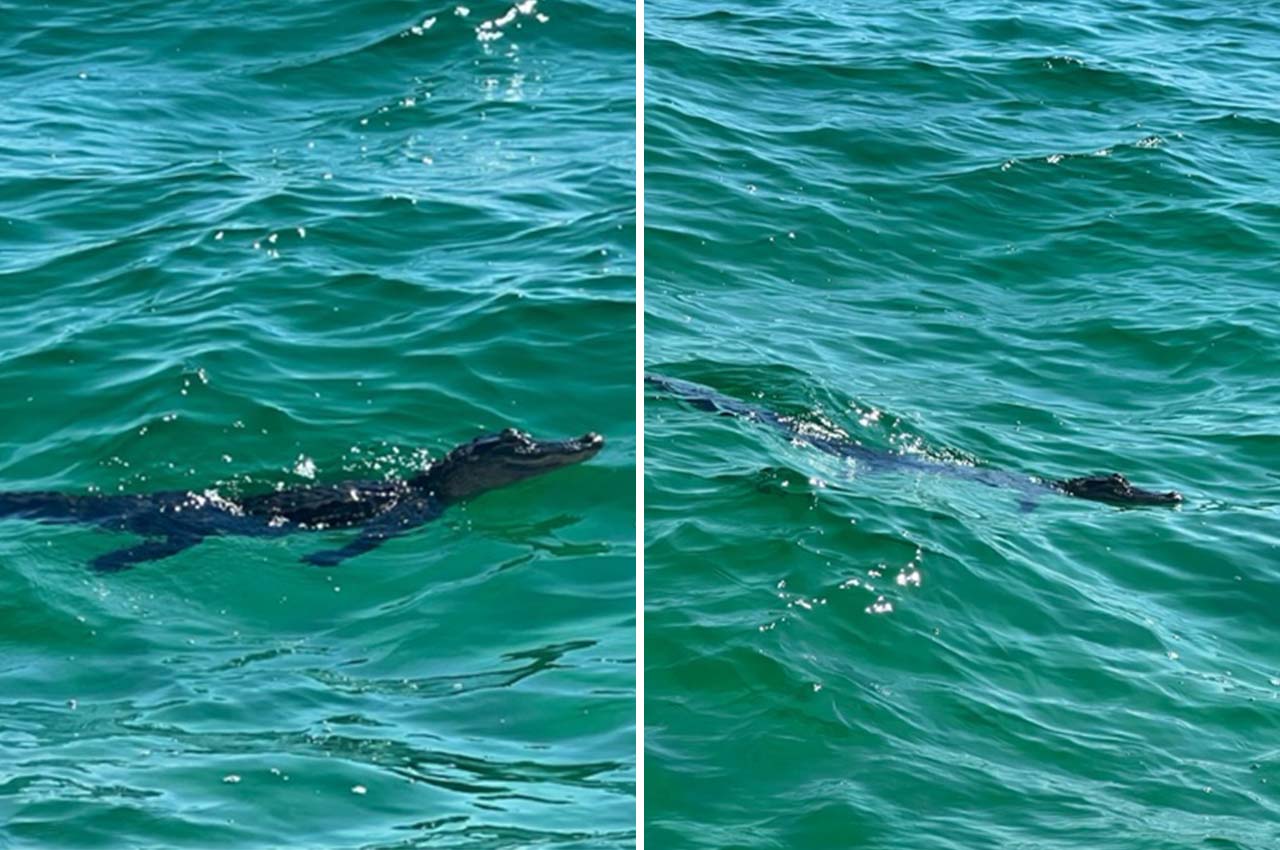
Yes, there are alligators in Destin, Florida. While Destin is renowned for its sugar-white beaches and emerald waters of the Gulf of Mexico, which are typically saltwater environments where alligators are rarely found, the surrounding freshwater and brackish habitats throughout Okaloosa County and the broader Florida Panhandle are indeed home to American alligators. As a traveler to this beautiful region, understanding where these fascinating reptiles reside and how to safely coexist with them is key to an enjoyable and respectful visit. Florida is a state rich in biodiversity, and alligators are a vital part of its intricate ecosystem.
Understanding Destin’s Ecosystem: The Presence of Alligators
The presence of alligators in Destin is a testament to the region’s diverse ecological landscape, which extends far beyond its famous coastline. While visitors primarily associate Destin with its pristine beaches and marine activities, the inland areas and the extensive network of freshwater systems provide ideal habitats for these apex predators.
Florida’s Natural Inhabitants
American alligators (Alligator mississippiensis) are native to the southeastern United States, and Florida has one of the largest populations. They are cold-blooded reptiles that thrive in warm, aquatic environments. Their role in the ecosystem is crucial, as they help control populations of other animals and maintain the health of their wetland habitats. While they might seem formidable, alligators are generally shy and reclusive, preferring to avoid human interaction. However, their natural instincts drive them to seek food, water, and mates, which can sometimes bring them into proximity with human activity, especially in areas where urban development encroaches on natural wetlands.
Defining Alligator Territory in Destin
For travelers, it’s important to understand that “in Destin” can refer to a broad area. While the immediate beachfront is generally safe from alligators due to its high salinity, the freshwater lakes, ponds, canals, and especially the large Choctawhatchee Bay that borders Destin to the north are prime alligator territory. These areas provide the perfect blend of deep water for refuge, shallow areas for basking, and abundant prey. Many residential communities and golf courses in and around Destin are built around such water bodies, increasing the potential for sightings. Consequently, anyone exploring nature trails, fishing in freshwater canals, or staying in properties bordering retention ponds should be aware of the potential presence of alligators.
Distinguishing Habitats: Where Alligators Are (and Aren’t) Likely Found
Understanding the specific types of habitats alligators prefer is vital for travelers to Destin. This knowledge allows for responsible exploration and minimizes the risk of unexpected encounters.
Freshwater Sanctuaries: Lakes, Ponds, and Rivers
The most common places to encounter alligators are in freshwater systems. This includes the numerous lakes, ponds, slow-moving rivers, and canals that crisscross the Florida Panhandle. Areas such as the vast Eglin Air Force Base reservation, which encompasses significant wilderness areas adjacent to Destin, are teeming with freshwater habitats and, consequently, alligators. Retention ponds in residential areas, golf courses, and even drainage ditches can also serve as temporary or permanent homes for these reptiles. These environments offer stable food sources, shelter, and breeding grounds. Visitors partaking in freshwater fishing, kayaking, or hiking near these areas should always exercise caution and maintain situational awareness.
Brackish Water: Estuaries and Bays
Alligators are surprisingly tolerant of brackish water—a mixture of fresh and saltwater. This means estuaries, salt marshes, and even large bodies of water like Choctawhatchee Bay can host alligators. While the salinity levels in the bay fluctuate, areas where freshwater rivers and streams feed into the bay often provide suitable conditions. Therefore, boaters, paddleboarders, and kayakers exploring the bay’s calmer inlets and tributaries should also be mindful. Alligators can occasionally travel through brackish waters to reach new freshwater sources, making sporadic sightings possible in these transitional zones.
The Gulf of Mexico and Public Beaches: A Rare Sight
It is exceptionally rare, though not entirely impossible, to see an alligator in the highly saline waters of the Gulf of Mexico or directly on Destin’s public beaches. Alligators are not well-adapted to prolonged exposure to saltwater, as their bodies cannot efficiently process the salt. If an alligator is spotted in the surf, it is typically a transient individual that has wandered out from a nearby freshwater source, possibly disoriented or swept out by currents during severe weather. Such occurrences are very uncommon and usually result in the animal quickly attempting to return to fresh or brackish water. Therefore, while swimming, sunbathing, and enjoying water sports on Destin’s famous beaches, travelers can generally relax without concern for alligator encounters.
Navigating Wildlife Encounters: Essential Safety Protocols for Travelers
While alligator encounters are rare, especially in areas frequented by tourists, being prepared with proper safety knowledge is crucial for any traveler exploring Florida’s natural landscapes. Responsible travel includes understanding and respecting the local wildlife.
Maintaining a Respectful Distance
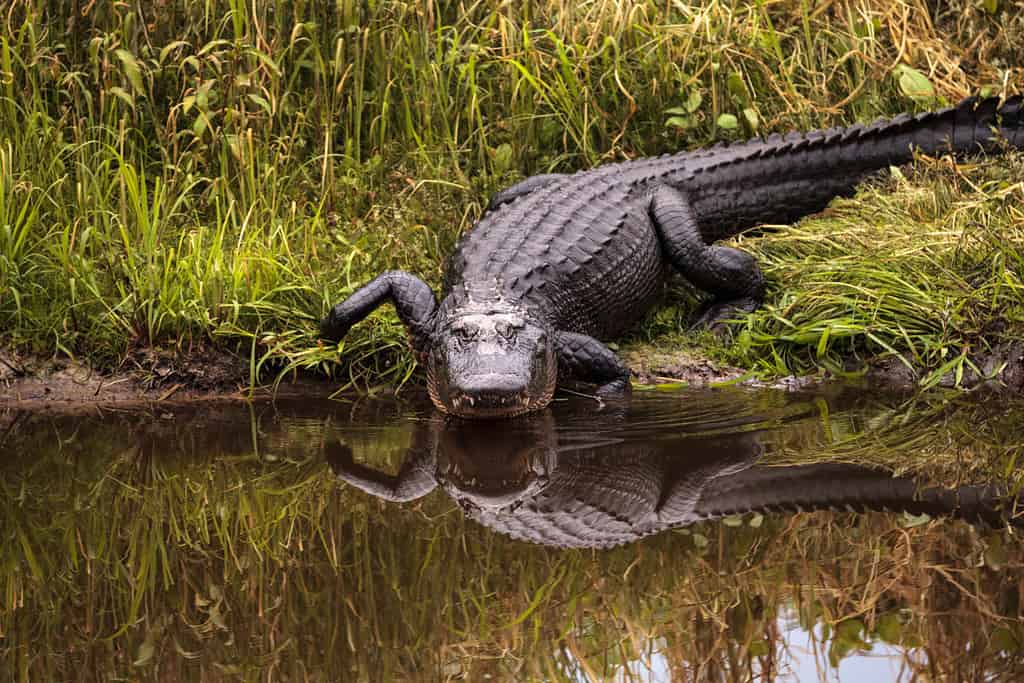
The golden rule for any wildlife encounter is to maintain a safe and respectful distance. Never approach an alligator, regardless of its size. Alligators can move surprisingly fast on land over short distances. It is recommended to stay at least 30 to 60 feet (9 to 18 meters) away. If you spot an alligator, observe it from afar and never attempt to feed it or lure it closer. Feeding alligators is illegal in Florida and is one of the primary reasons they lose their natural fear of humans, leading to potentially dangerous situations.
Understanding Alligator Behavior
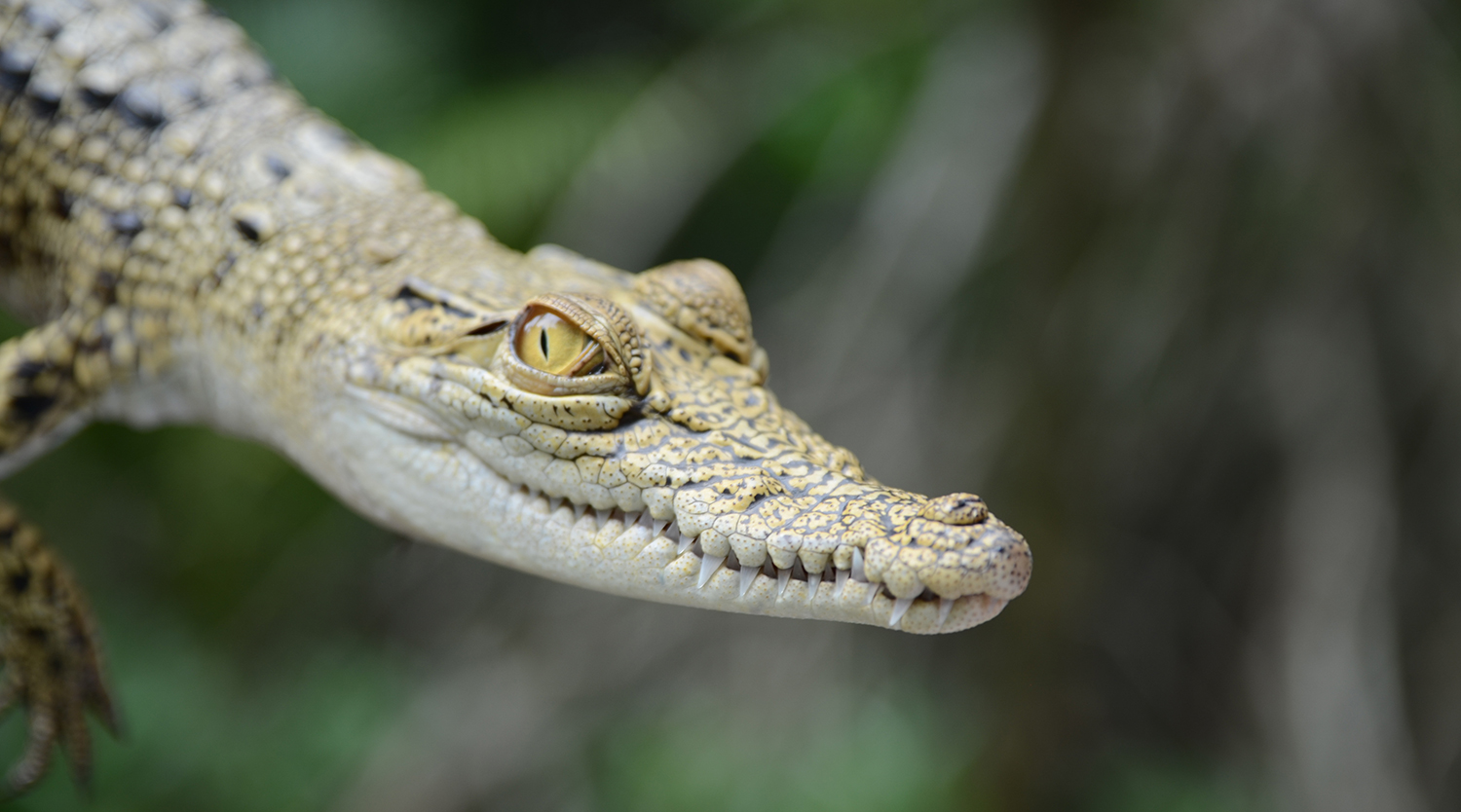
Most alligators will try to avoid humans. If you see one, it will likely submerge or move away. However, they are most active during dawn and dusk, which are prime hunting times. During these periods, be extra vigilant near water bodies. Alligators are also more active during mating season (typically spring) and nesting season (summer). If you see a small alligator, be aware that its mother might be nearby and protective. Always assume any body of freshwater or brackish water in Florida could contain an alligator.
Protecting Pets and Children
Special precautions should be taken when traveling with pets and children. Keep pets on a leash and away from the edges of freshwater ponds, lakes, and canals. Alligators view small animals as potential prey. Similarly, supervise children closely around water and educate them about the dangers of approaching wildlife. Never allow children to play unsupervised near water bodies where alligators might be present. These simple measures can significantly reduce risks.
Reporting Concerns: When to Call the Experts
If you encounter an alligator that appears to be acting aggressively, is larger than four feet and in an unusual location (like a residential pool or street), or is causing a nuisance, it’s imperative to contact the appropriate authorities. The Florida Fish and Wildlife Conservation Commission (FWC) operates a statewide Nuisance Alligator Program. You can report concerns by calling their toll-free hotline. Trained alligator trappers are dispatched to handle these situations, ensuring both public safety and the humane relocation or management of the alligator. Do not attempt to handle the situation yourself.
Beyond Alligators: Exploring Destin’s Rich Biodiversity
While alligators are a notable part of Destin’s ecosystem, the region offers a much broader spectrum of natural wonders and wildlife that travelers can safely enjoy. Embracing Destin’s rich biodiversity enhances the overall travel experience, offering insights into the natural beauty of the Florida Panhandle.
Dolphins, Manatees, and Marine Life
The Gulf of Mexico is teeming with marine life. Pods of bottlenose dolphins are a common and delightful sight, often seen playfully swimming alongside boats or leaping through the waves. Manatees, gentle giants of the sea, also frequent the calmer waters of the bay and coastal inlets, especially during warmer months. Snorkeling and diving expeditions reveal vibrant underwater ecosystems, home to colorful fish, sea turtles, stingrays, and various shellfish. Many local tour operators offer guided excursions that focus on marine wildlife viewing, providing safe and ethical opportunities to appreciate these magnificent creatures.
Birdwatching Opportunities
Destin and its surrounding areas are a paradise for birdwatchers. The diverse habitats, from coastal dunes and sandy beaches to freshwater marshes and pine forests, attract a wide array of avian species. Expect to see majestic ospreys diving for fish, graceful great blue herons wading in the shallows, playful sandpipers scurrying along the surf, and numerous species of gulls, pelicans, and terns. Inland, you might spot various songbirds, woodpeckers, and even migratory birds depending on the season. Carrying a pair of binoculars and a field guide can turn a simple walk into an engaging wildlife observation adventure.
Preserving Natural Beauty
Responsible travel in Destin extends beyond safety with alligators; it encompasses a broader commitment to preserving the natural environment. Travelers are encouraged to stick to marked trails, dispose of waste properly, and avoid disturbing plant and animal life. Supporting local conservation efforts, choosing eco-friendly tour operators, and educating oneself about the local flora and fauna contribute significantly to maintaining the pristine condition of this beautiful destination for future generations. Destin’s natural attractions are a significant draw, and their protection is a shared responsibility.
Responsible Travel in Destin: Enjoying Nature Safely and Sustainably
Traveling to Destin offers an incredible blend of beach relaxation and ecological exploration. While the presence of alligators might initially raise questions, it ultimately serves as a reminder of the rich and wild nature that exists just beyond the manicured tourist spots. By understanding their habitat and following sensible safety guidelines, visitors can have a rewarding and worry-free experience.
Local Regulations and Conservation Efforts
Florida has comprehensive regulations in place to protect both its wildlife and its residents. The Florida Fish and Wildlife Conservation Commission (FWC) is the primary agency responsible for managing the state’s fish and wildlife resources, including alligators. These regulations are designed to ensure the health of alligator populations while minimizing conflicts with humans. Travelers should always adhere to local signage in parks and natural areas, which often provide specific warnings and guidelines regarding wildlife. Supporting parks and wildlife preserves financially or through volunteerism also aids in ongoing conservation efforts that benefit all species, including alligators.
Embracing the Wild, Responsibly
Ultimately, the answer to “Are there alligators in Destin, Florida?” is yes, but with context. They are a natural and important part of the state’s ecosystem, thriving in freshwater and brackish environments rather than the open Gulf of Mexico beaches. Their presence adds to the authenticity of Florida’s wild side, offering a glimpse into a world of diverse ecosystems. By practicing responsible tourism—maintaining a respectful distance, never feeding wildlife, and staying informed—travelers can safely enjoy all the natural wonders Destin has to offer, from its stunning beaches to its vibrant wetlands. Enjoy your trip to Destin, armed with the knowledge to appreciate its wild inhabitants safely.
LifeOutOfTheBox is a participant in the Amazon Services LLC Associates Program, an affiliate advertising program designed to provide a means for sites to earn advertising fees by advertising and linking to Amazon.com. Amazon, the Amazon logo, AmazonSupply, and the AmazonSupply logo are trademarks of Amazon.com, Inc. or its affiliates. As an Amazon Associate we earn affiliate commissions from qualifying purchases.