
Addressing the Question Directly: The Presence of Black Widows in Florida
Yes, Florida is indeed home to black widows. Specifically, the southern black widow spider (Latrodectus mactans) is a native inhabitant of the state’s diverse ecosystems. For travelers planning a visit to the Sunshine State, understanding the local wildlife, including potentially dangerous species, is a crucial aspect of responsible and safe exploration. While their presence might sound alarming, encounters with these spiders are relatively rare, especially in well-trafficked tourist areas, and bites are even less common. However, being informed is the first step in ensuring a worry-free travel experience, allowing visitors to appreciate Florida’s natural beauty with confidence.
Where They Reside: Typical Habitats
Black widows are reclusive creatures, preferring dark, secluded, and undisturbed places. In Florida, this translates to areas such as woodpiles, sheds, garages, under rocks, in dense vegetation, and crawl spaces. They are not typically found inside meticulously maintained hotels, resorts, or bustling attractions. For travelers, this means the risk is highest when engaging in activities that take them into more natural or less developed settings, such as camping, hiking off marked trails, or exploring rural areas. Urban environments like Miami or Orlando have a lower likelihood of encounters, though they can occasionally be found in neglected outdoor structures or utility boxes. Their preference for quiet, undisturbed spots means that active, frequently disturbed areas are generally safe from their significant presence.
Identifying Black Widows: What Travelers Should Know
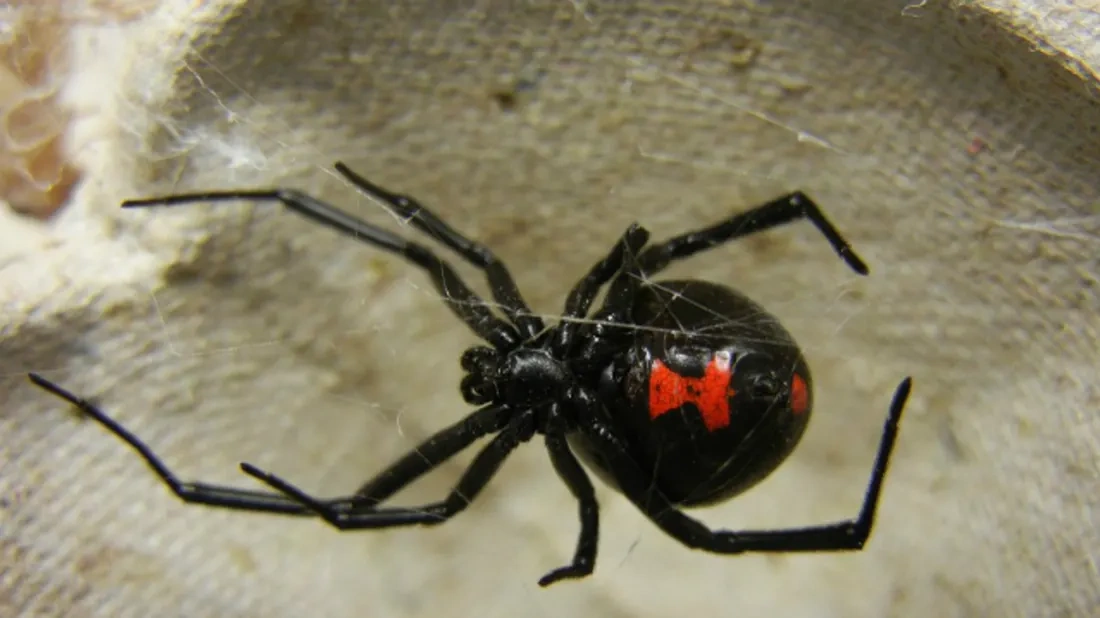
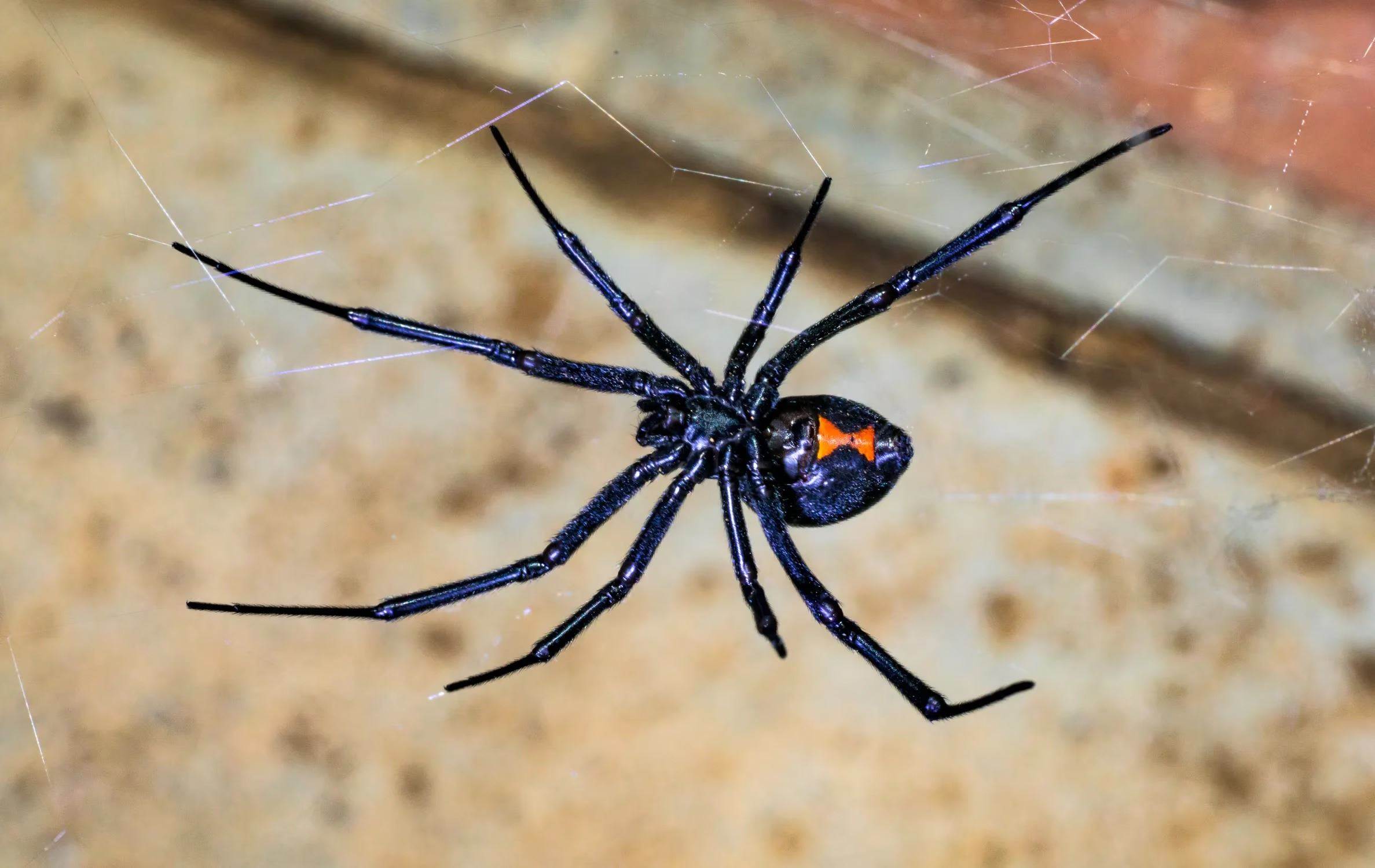
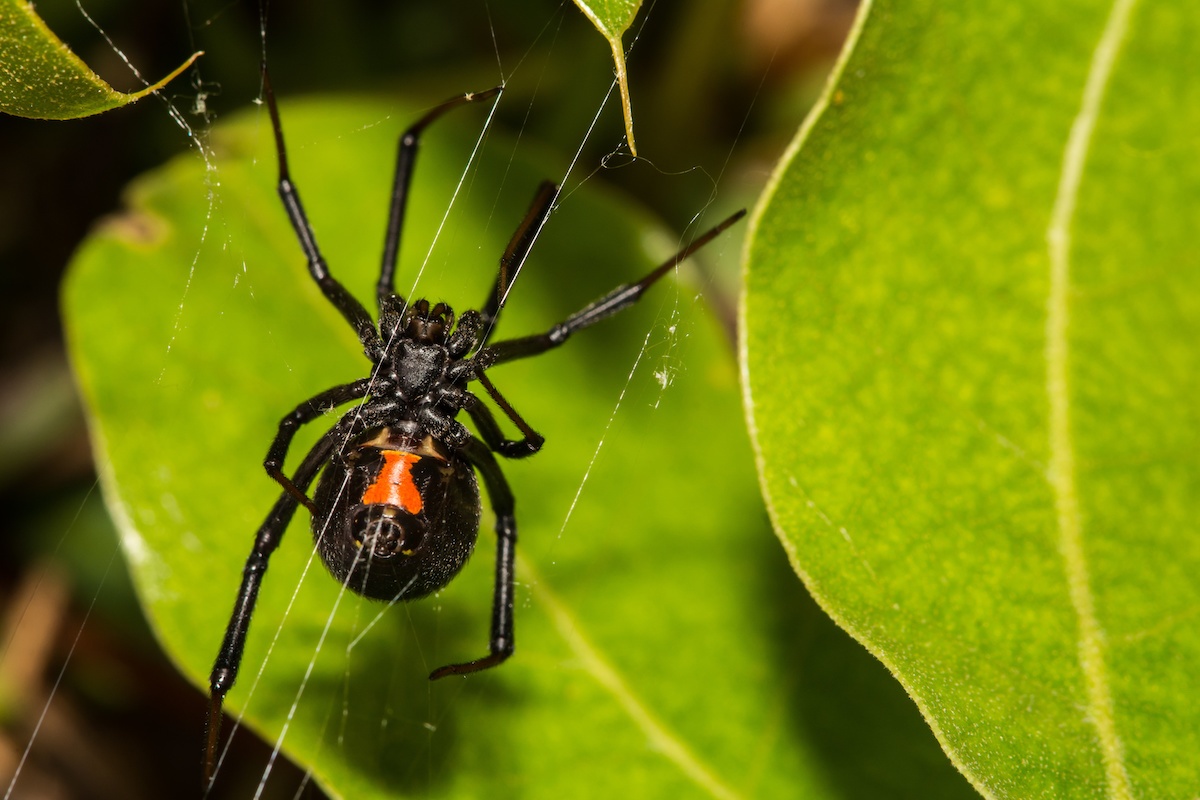
Recognizing a black widow is key to avoiding an unwanted encounter. The most well-known species in Florida, the southern black widow, is characterized by its glossy black body and the distinctive red hourglass marking on the underside of its abdomen. Females are larger and more venomous than males, measuring about half an inch long (excluding leg span). Males are smaller, lighter in color, and may have red or yellow spots or stripes. Their webs are typically irregular, strong, and messy-looking, built close to the ground in sheltered locations like under ledges, within cavities, or between objects. Observing these features from a safe distance can help travelers identify potential risks without direct interaction.
The Significance of the Bite
While intimidating, a black widow bite is rarely fatal for healthy adults, though it can be medically significant and intensely painful. The venom, a neurotoxin, can cause symptoms such as muscle cramps, nausea, sweating, tremors, and in severe cases, abdominal pain mimicking appendicitis. Symptoms usually begin within an hour and can last for several days. Children, the elderly, and individuals with compromised immune systems are more vulnerable to severe reactions, making prompt medical attention even more critical for these groups. If bitten, seeking immediate medical attention is paramount; hospitals often have antivenom available, which can alleviate symptoms rapidly. It’s important to remember that these spiders are not aggressive and only bite defensively if they feel threatened, often when their web is disturbed or they are accidentally pressed against skin, such as when reaching into a woodpile or putting on shoes left outdoors.
Safety Measures for Travelers in Florida
Mitigating the risk of encountering black widows or other potentially harmful wildlife in Florida comes down to a few sensible precautions. These measures not only apply to spiders but also to other natural elements that travelers might encounter, ensuring a safer and more enjoyable trip across the diverse landscapes of the state.
Practical Tips for Prevention
- Be Aware of Your Surroundings: When venturing into natural areas, especially those with dense vegetation, tall grass, or debris, pay close attention to where you step and place your hands. Avoid sticking hands into dark, confined spaces without first checking for inhabitants.
- Footwear and Clothing: Wear closed-toe shoes and long pants when hiking, exploring wooded areas, or engaging in outdoor activities away from manicured paths. This provides a physical barrier against various ground-dwelling creatures, including spiders, snakes, and insects.
- Check Outdoor Items: If staying in accommodations with outdoor spaces like patios or balconies, or if using outdoor furniture, give it a quick visual check before use. Similarly, inspect camping gear, shoes, and clothing left outside, particularly overnight, as spiders might seek shelter within them.
- Avoid Disturbing Potential Habitats: Refrain from rummaging through woodpiles, moving rocks, overturning logs, or reaching into dark, secluded spaces without first checking. These are prime hiding spots for spiders and other creatures.
- Utilize Repellents Judiciously: While insect repellents are highly effective against mosquitoes and ticks, they are generally not effective against spiders. Focus repellent use on warding off biting insects that are more prevalent and pose different health risks.
- Educate Children: If traveling with children, teach them not to touch spiders or unfamiliar insects and to report any sightings to an adult. Emphasize that wild animals, even small ones, should be observed from a distance.
- Stay on Marked Trails: When hiking in parks like Everglades National Park or state forests, stick to designated paths. This minimizes interaction with undisturbed habitats and reduces the chance of accidental encounters with wildlife.
What to Do If You Encounter a Black Widow
The primary advice if you encounter a black widow is simple: do not approach, provoke, or try to handle the spider. If you see one, give it space and move away calmly. If it’s in an area that poses a direct threat (e.g., inside your tent, near your entry door at a rental, or within a commonly used outdoor space), it’s best to contact local staff, park rangers, or pest control professionals if applicable. Attempting to remove it yourself could lead to an accidental bite, which is precisely what these precautions aim to prevent.
Beyond Black Widows: General Wildlife Awareness for Florida Visitors
While black widows are a valid concern, they are just one small part of Florida’s rich and diverse wildlife. The state is famous for its unique ecosystems, from the Atlantic Ocean coastline to the Gulf of Mexico shores, and from its vast pine forests to its iconic wetlands. Responsible travel in Florida involves a broader awareness of its natural inhabitants, understanding that each species plays a role in the ecosystem and requires respectful interaction from visitors.
Other Notable Wildlife Considerations
- Alligators and Crocodiles: These apex predators are common in Florida’s freshwater systems and brackish waters. Always observe warning signs, keep a safe distance, and never feed them. Swimming in unmarked waters or at dawn/dusk should be avoided, as these are their most active hunting times.
- Snakes: Florida has several venomous snake species, including rattlesnakes, cottonmouths (water moccasins), and coral snakes. Like spiders, they generally avoid humans and bite only when threatened. Watch your step, particularly in grassy or wooded areas, and never try to handle a snake. Learning to identify local venomous species can be helpful for those spending extended time in natural settings.
- Mosquitoes and Ticks: These small insects can transmit diseases such as West Nile Virus, Zika Virus, and Lyme disease. Use effective insect repellent, especially during dawn and dusk, when mosquitoes are most active. Inspect yourself, children, and pets for ticks after spending time outdoors, particularly in wooded or grassy areas.
- Marine Life: When enjoying Florida’s beautiful beaches and waters, be aware of jellyfish, stingrays, and other marine creatures. Shuffle your feet when wading in shallow sandy areas to avoid stepping on a stingray, which can inflict a painful sting. Heed beach warning flags regarding currents, marine life, or other hazards.
- Bears and Panthers: While less common in highly populated tourist areas, Florida is home to black bears and the endangered Florida panther. If exploring remote wilderness areas, be aware of their presence and follow guidelines for storing food and waste to avoid attracting them.
Enjoying Florida Safely and Responsibly
Florida offers an incredible array of travel experiences, from the thrilling theme parks of Orlando to the serene beaches of the Florida Keys, and the vibrant city life of Tampa and Jacksonville. A slight awareness of its natural elements, including the presence of black widows, should not deter travelers but rather empower them to explore confidently. By taking simple, preventative measures and staying informed about the local environment, visitors can fully immerse themselves in the state’s unique charm without unnecessary worry. Prioritizing safety allows for a deeper appreciation of Florida’s natural beauty and ensures a memorable and positive journey. Always consult local resources, park rangers, or trusted travel guides for the most up-to-date safety information regarding specific destinations within Florida, ensuring your adventure is both exciting and secure.
LifeOutOfTheBox is a participant in the Amazon Services LLC Associates Program, an affiliate advertising program designed to provide a means for sites to earn advertising fees by advertising and linking to Amazon.com. Amazon, the Amazon logo, AmazonSupply, and the AmazonSupply logo are trademarks of Amazon.com, Inc. or its affiliates. As an Amazon Associate we earn affiliate commissions from qualifying purchases.