
For many planning a vibrant getaway to the Sunshine State, the allure of pristine beaches, bustling theme parks, and rich cultural experiences is often accompanied by a fleeting, yet persistent, concern: local wildlife. Among the various creatures that spark curiosity, spiders frequently top the list for travelers. Specifically, the question of the Brown Recluse Spider‘s presence in Florida often arises, creating a ripple of apprehension for those envisioning hikes through lush natural preserves or evenings spent on a veranda. Understanding the reality of this particular arachnid’s distribution is crucial for any tourist looking to fully enjoy their Florida adventure without unnecessary worry.
Debunking the Florida Brown Recluse Myth
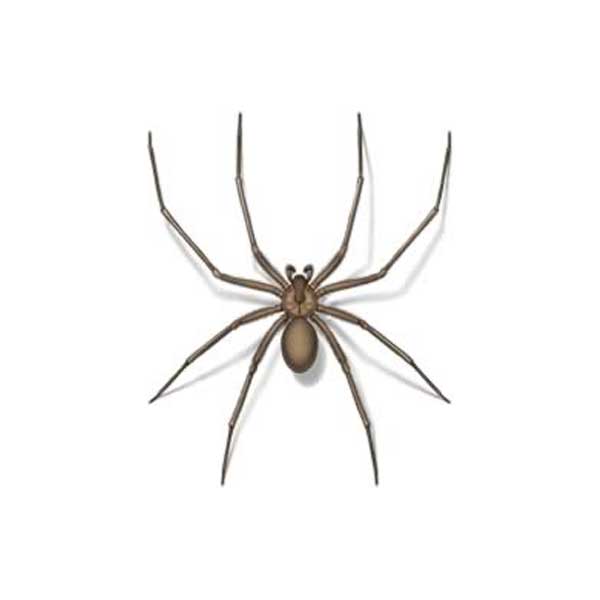
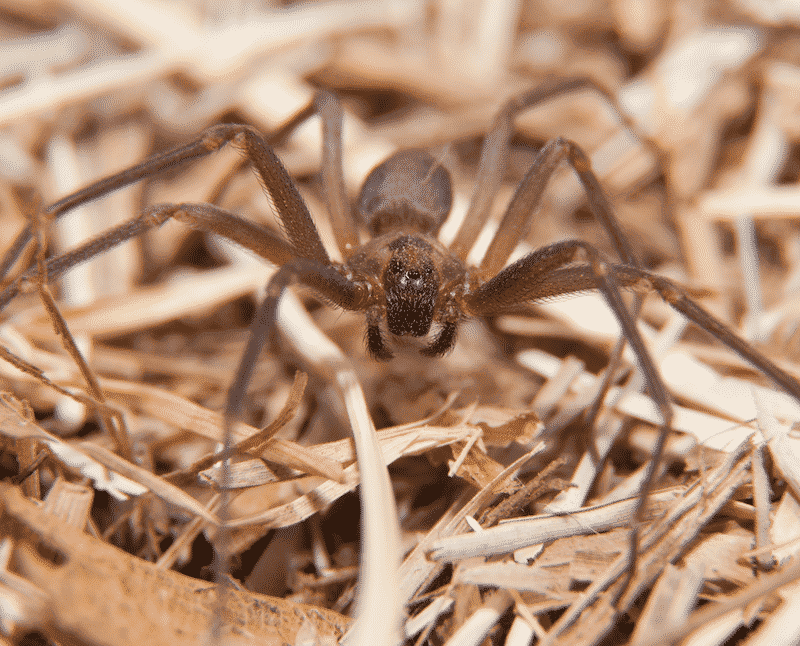
Despite widespread urban legends and anecdotal accounts, the scientific consensus is clear: the Brown Recluse Spider (Loxosceles reclusa) is not a native or established species in Florida. Its natural habitat primarily spans the south-central and Midwestern United States, far from the subtropical climate of Florida. This distinction is vital for tourists, as it helps to reframe the perception of potential risks and allows for a more accurate assessment of local environmental considerations.
The Truth About Spider Distribution
Entomological research, notably from institutions like the University of Florida‘s Institute of Food and Agricultural Sciences (IFAS), consistently confirms that the Brown Recluse Spider population does not extend into Florida. While it’s theoretically possible for a single spider to be inadvertently transported into the state via luggage or freight, such isolated incidents do not constitute an established population, nor do they pose a significant threat to the general public or tourists. These occurrences are exceedingly rare and do not reflect a natural presence. Travelers can breathe a sigh of relief knowing that encounters with this specific spider are virtually unheard of within Florida’s borders. The state’s unique climate and ecological conditions simply aren’t conducive to the long-term survival and propagation of the Brown Recluse Spider species.
Why the Misconception Persists
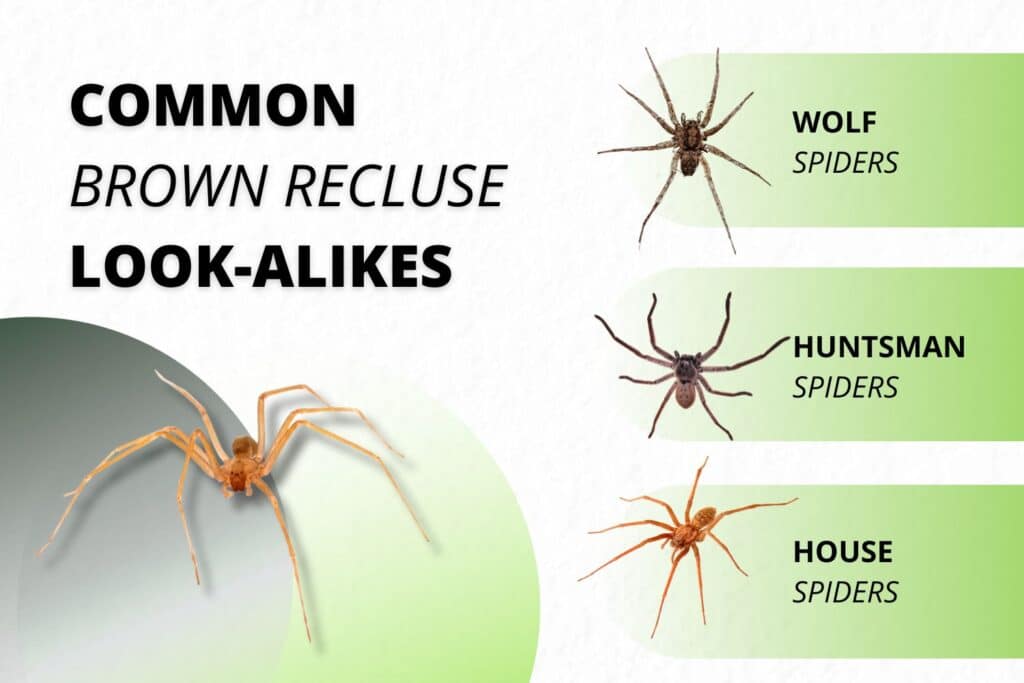
The persistent myth of the Brown Recluse Spider in Florida is often fueled by several factors. Firstly, many spider bites, regardless of the species, can lead to similar initial symptoms, such as redness, swelling, and localized pain. The distinct necrotic lesion associated with a Brown Recluse Spider bite can sometimes be misdiagnosed, or attributed to the wrong spider, especially when a physician is not familiar with the local arachnid fauna. Secondly, the term “recluse” itself has become a generalized descriptor for any brown, seemingly elusive spider, leading to misidentification by the public. Furthermore, the internet and social media can quickly spread misinformation, making it challenging to discern accurate entomological facts from common folklore. For tourists, understanding that many brown spiders exist globally, but not all are medically significant, is a crucial step in dispelling unfounded fears.
Identifying Common Florida Spiders for Tourist Safety
While the Brown Recluse Spider isn’t a concern for Florida tourists, the state is home to a diverse array of other spiders, most of which are harmless and play a vital role in the ecosystem. However, knowing how to identify a few key species can contribute to a safe and informed visit. This knowledge is not intended to instill fear but rather to empower travelers with practical awareness for navigating Florida’s natural beauty responsibly.
The Southern House Spider: Often Mistaken
One of the most common culprits for Brown Recluse Spider misidentification in Florida is the Southern House Spider (Kukulcania hibernalis). These relatively large, velvety brown or black spiders are frequently found in and around human structures throughout the state. Females can be quite substantial, leading to alarm, but their bites are generally harmless, causing only minor irritation similar to a bee sting. They create tangled, messy webs, often in corners, under eaves, or around windows and doorways. Recognizing the Southern House Spider can prevent undue panic, as their appearance often triggers the “recluse” alarm for the uninitiated. Their robust build and distinct web structure differentiate them from the more slender, violin-backed true recluses.
Other Spiders of Note: Black Widows and Wolf Spiders
While rare, a tourist’s primary concern regarding medically significant spiders in Florida should be the Black Widow (Latrodectus mactans and Latrodectus geometricus, the brown widow). Black Widows are identifiable by their shiny black bodies and the distinctive red hourglass marking on the underside of their abdomen. They prefer dark, secluded areas, such as woodpiles, sheds, or under outdoor furniture. Their bites, while painful, are rarely fatal but do require medical attention. Another common spider is the Wolf Spider (Lycosidae family), which are large, hairy, and often mistaken for tarantulas. They are hunters, not web-builders, and can be found scurrying across lawns or garden paths. While their appearance can be intimidating, their bites are typically mild and localized, though they can be uncomfortable. For tourists, simply being aware of these species’ general appearance and preferred habitats is usually sufficient.
Practical Tips for Tourists: Staying Safe in Florida’s Natural Environments
Enjoying Florida’s rich biodiversity is a highlight for many tourists. From the expansive wetlands of Everglades National Park to the serene beaches of the Florida Keys, encounters with nature are inevitable. By adopting a few simple precautions, visitors can minimize interactions with any potentially problematic wildlife, including spiders, and ensure a comfortable and safe trip.
When Exploring Outdoors
When venturing into natural areas like hiking trails, parks, or conservation lands, proactive steps can significantly reduce potential encounters. Always wear closed-toe shoes and long pants when traversing dense vegetation or exploring wooded areas. Before sitting down on logs, rocks, or benches, give them a quick visual check. If you’re camping or picnicking, check your gear and food items before use, especially if they’ve been stored outdoors. When reaching into dark spaces, such as underbrush or leaf litter, use a stick or tool to probe first rather than your bare hands. These general best practices extend beyond just spiders, offering protection from various insects and potential irritants present in Florida’s vibrant ecosystem. Remember, most spiders are more afraid of humans than vice versa and will generally try to avoid confrontation.
In Your Accommodation
Even within hotels, resorts, or rental homes in cities like Orlando, Miami, or Tampa, basic vigilance can be beneficial. While professional pest control services are standard, occasional stray spiders can find their way indoors. Before putting on shoes or clothing that have been left on the floor, especially in dark corners or closets, give them a quick shake. Check under beds and in less-frequented areas of your room if you are particularly concerned. Most spiders found indoors are harmless household varieties. If you encounter a spider, rather than crushing it, which can sometimes lead to a defensive bite, gently usher it outside using a cup and a piece of paper, or alert hotel staff if you prefer. A clean and tidy living space naturally deters most pests, including spiders, so maintaining a neat environment during your stay is always a good practice.
What to Do in Case of a Spider Bite
Should you or a travel companion experience a spider bite, remain calm. In most cases, spider bites in Florida are not serious. Clean the bite area with soap and water. Applying a cold compress can help reduce swelling and pain. Over-the-counter pain relievers or antihistamines might also provide relief for itching or discomfort. Monitor the bite for any signs of infection, such as increased redness, warmth, pus, or fever. If you suspect a bite from a Black Widow (characterized by sharp pain, muscle cramps, and sometimes nausea or sweating), or if symptoms worsen, or you develop an allergic reaction, seek immediate medical attention. It’s helpful, if safely possible, to take a photo of the spider (without touching it) for identification by medical professionals, though this is rarely feasible or necessary.
Embracing Florida’s Unique Ecosystem (Without Fear)
Ultimately, understanding the true nature of spider populations in Florida allows tourists to shift their focus from unfounded fears to an appreciation of the state’s rich and diverse natural environment. Florida offers unparalleled opportunities for outdoor activities, from kayaking through mangrove forests to birdwatching in state parks. The absence of the Brown Recluse Spider is just one aspect of what makes the state’s natural exploration so enjoyable and relatively safe.
Florida’s Biodiversity Beyond Spiders
Florida is a biodiversity hotspot, home to unique ecosystems like the Everglades National Park and the Big Cypress National Preserve. While spiders are a small part of this, the state truly shines with its incredible birdlife, including majestic wading birds, playful marine mammals such as manatees and dolphins, and a fascinating array of reptiles and amphibians. By dispelling the myth of the Brown Recluse Spider, tourists can better appreciate the actual natural wonders and focus their attention on spotting a roseate spoonbill or an alligator from a safe distance, rather than worrying about an unlikely arachnid encounter.
Enjoying the Outdoors Responsibly
A responsible tourist approaches any destination with respect for its local environment and a willingness to learn. By understanding that the Brown Recluse Spider is not a concern in Florida, and by being generally aware of common, non-threatening spiders and the few medically significant ones, visitors can confidently immerse themselves in the state’s outdoor offerings. Pack appropriate clothing, stay on marked trails, and always supervise children when exploring. Florida’s natural beauty is immense, and with accurate information and a respectful approach, it can be enjoyed to its fullest, free from the shadow of unproven myths.
LifeOutOfTheBox is a participant in the Amazon Services LLC Associates Program, an affiliate advertising program designed to provide a means for sites to earn advertising fees by advertising and linking to Amazon.com. Amazon, the Amazon logo, AmazonSupply, and the AmazonSupply logo are trademarks of Amazon.com, Inc. or its affiliates. As an Amazon Associate we earn affiliate commissions from qualifying purchases.