
The Florida Everglades, a sprawling wetland wilderness often called the “River of Grass,” is one of Florida’s most iconic and unique destinations. Many travelers planning a trip to this biodiverse national park are curious about its most famed residents – the large reptiles that lurk in its waters. While alligators are the undisputed kings of the Everglades, a lesser-known but equally fascinating apex predator also calls this special ecosystem home: the American crocodile. Understanding their presence, their habitat, and how to safely experience them is key to a truly unforgettable Everglades adventure.
The Unique Ecosystem of the Florida Everglades
The Everglades isn’t just a swamp; it’s a vast, slow-moving sheet of water that flows from Lake Okeechobee south to Florida Bay. This freshwater wetland transitions into brackish and saltwater estuaries along the coast, creating a mosaic of habitats that support an incredible array of life found nowhere else on earth. For travelers, this means an opportunity to witness rare and endangered species in their natural environment.

A River of Grass: What Makes the Everglades Special
Designated a National Park, an International Biosphere Reserve, a World Heritage Site, and a Wetland of International Importance, the Everglades holds immense ecological significance. Its unique hydrology, characterized by a seasonal wet and dry cycle, shapes the landscape and the life it sustains. Sawgrass prairies stretch for miles, punctuated by cypress swamps, mangrove forests, pine rocklands, and hammocks—tree islands rising slightly above the water. This incredible diversity of environments is what allows for such a wide range of flora and fauna to thrive, making it a premier destination for ecotourism and wildlife photography.
Habitat for Rare Species: Beyond the Alligator
While the American alligator is undoubtedly the most visible and iconic resident, the Everglades is a sanctuary for many other creatures. It’s home to over 350 species of birds, 300 species of fish, 50 species of reptiles, and 40 species of mammals. From the elusive Florida panther and the gentle West Indian manatee to a spectacular array of wading birds like the roseate spoonbill and the great white heron, the park offers endless opportunities for wildlife spotting. But for those specifically asking about crocodiles, the answer lies in the park’s coastal, brackish waters.
Unmasking the Apex Predators: Alligators vs. Crocodiles
The Florida Everglades is the only place in the world where both alligators and crocodiles coexist naturally. While both are powerful reptiles, understanding their differences is crucial for any discerning traveler.
Key Distinctions: A Guide for Travelers
For visitors, distinguishing between an alligator and a crocodile can be tricky but rewarding. Alligators typically have broad, U-shaped snouts, and their upper teeth overlap their lower jaw, meaning you only see their upper teeth when their mouth is closed. Their skin is generally darker, often black or dark grey. American alligators prefer freshwater habitats, though they can tolerate brackish water for short periods.
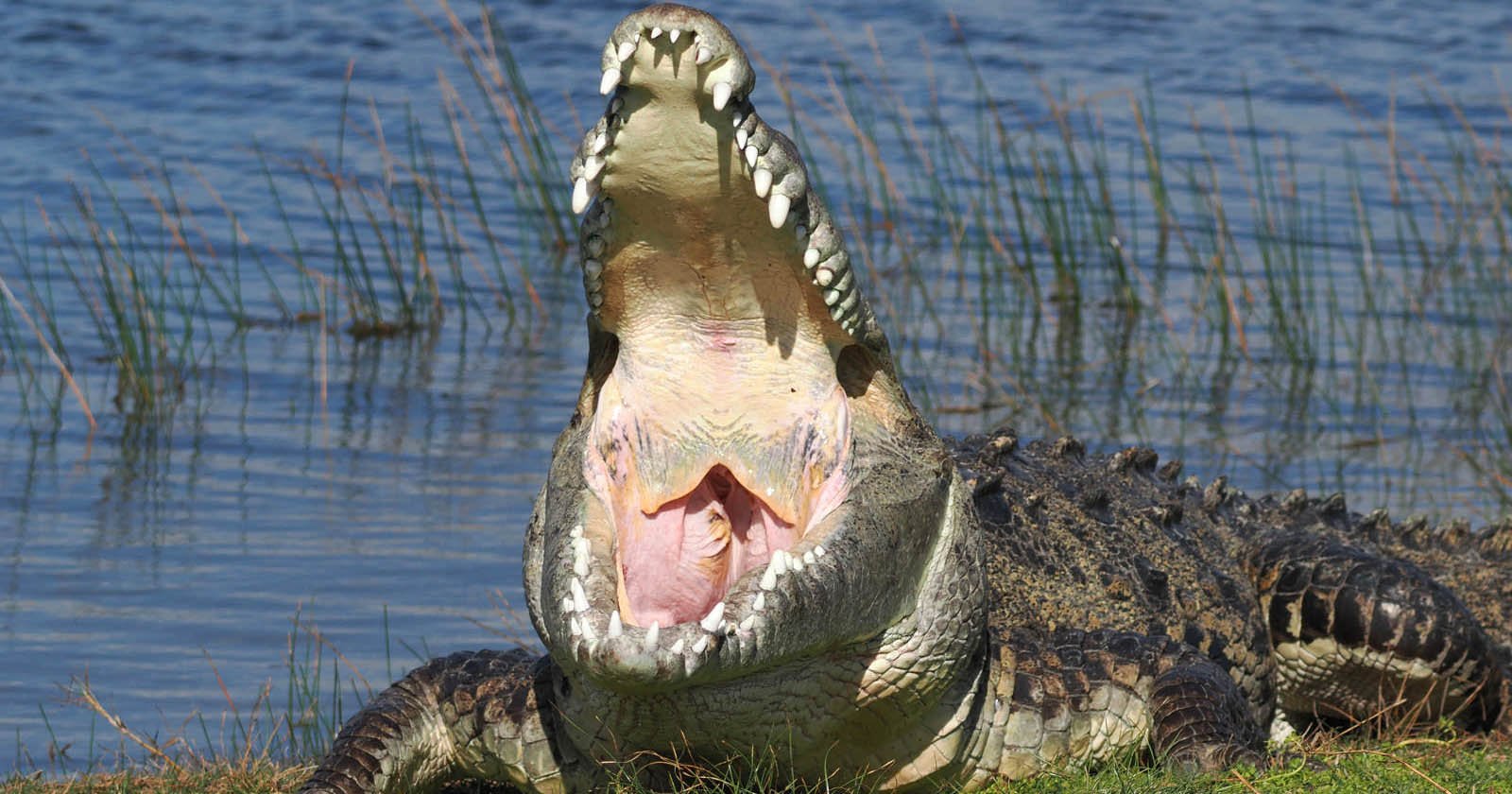
American crocodiles, on the other hand, possess a more pointed, V-shaped snout. When their mouth is closed, both upper and lower teeth are visible, with the fourth tooth on the lower jaw protruding noticeably. Their skin tends to be lighter, a greenish-grey or tan color. Crocodiles are built for saltwater environments and thrive in the brackish and marine waters found along the Everglades’ southern coast.
The American Crocodile: A Rare Florida Resident
Yes, there are crocodiles in the Florida Everglades! The American crocodile (Crocodylus acutus) is the largest reptile in North America, with males reaching impressive lengths of up to 15 feet. Historically, these magnificent creatures were endangered, their populations decimated by hunting and habitat loss. Thanks to extensive conservation efforts, their numbers have slowly rebounded, and they are now listed as a threatened species.
Unlike the more widespread alligator, the American crocodile has a limited range in the United States, primarily found in the southern tip of Florida and the Florida Keys. Within the Everglades National Park, their preferred habitat is the coastal mangrove estuaries, canals, and bays where fresh and saltwater mix. Their presence adds an extra layer of wildness and wonder to the Everglades experience.
Where to Spot Them: Prime Viewing Locations
For travelers hoping to catch a glimpse of an American crocodile, focusing on the southern coastal areas of the Everglades is key. The Flamingo Visitor Center area, located at the very southern end of the park, is perhaps the best bet. Here, the freshwater marsh meets the brackish waters of Florida Bay. Crocodiles are often seen basking near the marina, in the canals, or along the shoreline. The Snake Bight Trail and the Eco Pond Trail near Flamingo are also known spots.
While less common, some crocodiles can also be found in the brackish waters around the Gulf Coast Visitor Center near Everglades City on the western side of the park, as well as in the canal systems stretching towards Key Largo. Keep an eye out for park rangers or signs that might indicate recent crocodile sightings.
Planning Your Wildlife Expedition in the Everglades
Visiting the Everglades is an adventure, and thoughtful planning can significantly enhance your chances of seeing its incredible wildlife, including its elusive crocodiles.
Best Times to Visit for Wildlife Viewing
The dry season, from November to April, is generally considered the best time to visit the Everglades for wildlife viewing. During these cooler, less humid months, water levels recede, concentrating wildlife in fewer, smaller bodies of water. This makes it easier to spot alligators, wading birds, and, by extension, crocodiles who also rely on these water sources. The comfortable temperatures also make hiking and outdoor activities more enjoyable. The wet season (May to October) brings higher humidity, frequent afternoon thunderstorms, and more mosquitoes, but also lush growth and vibrant bird breeding activity.
Guided Tours and Safe Exploration: Airboat Adventures and Ranger Programs
To maximize your chances of spotting crocodiles and safely navigating the Everglades, consider joining a guided tour. Airboat tours, departing from various points outside the National Park boundaries (or specific approved areas within, like those run by authorized concessionaires), offer an exhilarating way to skim across the “River of Grass” and often provide excellent opportunities to see alligators and numerous bird species. While airboats may not venture into primary crocodile habitat, they are a quintessential Everglades experience.
For crocodile-specific viewing, ranger-led programs at the Flamingo Visitor Center can be invaluable. These experts know the area intimately and can provide insights into recent sightings and crocodile behavior. Kayak and canoe rentals are also available at Flamingo, allowing for quiet exploration of the brackish waterways where crocodiles are more likely to be found. Always adhere to park regulations and safety guidelines, especially when near water.
Essential Gear for Your Everglades Journey
Packing appropriately is essential for a comfortable and rewarding Everglades trip. Bring binoculars for wildlife viewing, as many animals, especially crocodiles, will be at a distance. A camera with a good zoom lens is also highly recommended. Wear light, breathable clothing, a wide-brimmed hat, and plenty of sunscreen. Insect repellent, especially during the wetter months, is an absolute necessity. Comfortable walking shoes are a must for exploring trails like the Anhinga Trail or Shark Valley. Don’t forget water bottles to stay hydrated.
Safety and Conservation: Respecting the Wild
The Everglades is a wild place, and respecting its inhabitants is paramount for both your safety and the preservation of this fragile ecosystem.
Coexisting with Wildlife: Do’s and Don’ts
When observing any wildlife, especially large predators like alligators and crocodiles, always maintain a safe distance. Never feed wild animals; it habituates them to humans and can lead to dangerous encounters. Use binoculars or a telephoto lens for close-up views. Stay on marked trails and boardwalks. Swimming or wading in unprotected waters is strictly prohibited and highly dangerous due to the presence of both alligators and crocodiles. Supervise children closely. If you encounter an animal on a trail, give it space and allow it to move away. Remember, you are a visitor in their home.
Protecting the Everglades’ Fragile Future
The Everglades faces ongoing threats from development, pollution, and climate change. As a traveler, you play a role in its conservation. Support park initiatives, follow Leave No Trace principles, and learn about the ongoing restoration efforts. Every visitor who appreciates the beauty and ecological importance of this unique wetland contributes to the collective effort to protect it for future generations. Witnessing an American crocodile in its natural habitat is a testament to successful conservation and a reminder of the preciousness of wild places.
Beyond Reptiles: Other Must-See Everglades Wildlife
While the quest to see crocodiles is a thrilling part of an Everglades trip, the park offers so much more in terms of wildlife experiences. Diversify your itinerary to appreciate the full spectrum of life.
Birds of a Feather: Wading Birds and Raptors
The Everglades is a birder’s paradise. The sight of hundreds of wading birds like great egrets, snowy egrets, great blue herons, and the vibrant roseate spoonbill foraging in the shallow waters is truly spectacular. Keep an eye out for raptors such as ospreys soaring overhead and bald eagles nesting in tall trees. The Anhinga Trail near the Ernest Coe Visitor Center is particularly renowned for its accessibility and abundant birdlife, often alongside numerous alligators.

Mammals and More: From Manatees to Panthers
Beyond reptiles and birds, the Everglades supports a variety of mammals. The elusive Florida panther, though incredibly rare to spot, roams these lands. More frequently seen are white-tailed deer, raccoons, otters, and even bobcats. In the coastal waters and estuaries, visitors might be lucky enough to see a gentle West Indian manatee gracefully swimming. At the Shark Valley entrance (near Miami and Fort Lauderdale), the 15-mile loop trail, often explored by tram or bicycle, offers excellent opportunities to see alligators, turtles, and a diverse range of birds, with the occasional sighting of other mammals. On the western edge near Naples, the Big Cypress National Preserve, contiguous with the Everglades National Park, also offers rich wildlife viewing, including wading birds, alligators, and sometimes the rare Florida panther.
In conclusion, the answer to “Are there crocodiles in Florida Everglades?” is a resounding yes! These magnificent reptiles are a vital, albeit rarer, part of the park’s incredible biodiversity. Their presence makes a visit to the Everglades an even more unique and thrilling travel experience, showcasing the wonders of nature and the success of dedicated conservation efforts. Plan your trip with an eye towards the coastal regions, respect the wild, and prepare for an unforgettable journey into one of America’s most extraordinary natural treasures.
LifeOutOfTheBox is a participant in the Amazon Services LLC Associates Program, an affiliate advertising program designed to provide a means for sites to earn advertising fees by advertising and linking to Amazon.com. Amazon, the Amazon logo, AmazonSupply, and the AmazonSupply logo are trademarks of Amazon.com, Inc. or its affiliates. As an Amazon Associate we earn affiliate commissions from qualifying purchases.