
Florida’s reputation often conjures images of sun-drenched beaches, vibrant coral reefs, and a dazzling array of marine life. While the Sunshine State is a haven for snorkelers and divers seeking encounters with sea turtles, dolphins, and a kaleidoscope of tropical fish, the question of whether the ocean’s apex predator, the Great White Shark, shares these waters often sparks curiosity and, for some, a touch of trepidation. The answer, while not a simple “yes” or “no,” is nuanced and rooted in scientific observation and understanding of marine ecosystems.
Understanding Shark Distribution and Migration
The presence of any shark species in a particular region is dictated by a complex interplay of factors, including water temperature, prey availability, and migratory patterns. For apex predators like the Great White Shark ( Carcharodon carcharias), these patterns are particularly extensive.

Global Presence and Habitat Preferences
Great White Sharks are found in temperate and tropical waters across all major oceans. They are not confined to a single region but exhibit a global distribution. Their preferred habitats include coastal areas, continental shelves, and around islands that offer abundant food sources. This broad range means that theoretically, they could be found in waters off the coast of any continent.
Factors Influencing Shark Movement
Sharks, especially large migratory species like the Great White, are constantly on the move. Their migrations are driven by several key factors:
- Prey Availability: Great Whites are opportunistic predators, feeding on a diet that includes marine mammals (seals, sea lions, dolphins), large fish, and seabirds. Areas with a high concentration of these prey species will naturally attract sharks.
- Water Temperature: While Great Whites can tolerate a wide range of temperatures, they tend to favor cooler waters, particularly for their breeding and pupping grounds. However, their migratory routes often take them through warmer regions.
- Reproductive Cycles: Like many marine animals, sharks engage in migrations to facilitate breeding and birthing. These movements are often predictable and can lead them to specific locations at certain times of the year.
- Seasonal Changes: Seasonal shifts in ocean currents and prey distribution also play a significant role in directing shark movements.
Great Whites in the Atlantic: A Seasonal Phenomenon
The Atlantic Ocean is a known habitat for Great White Sharks, with significant populations observed along the eastern coast of North America. This has led to the question of their presence in Florida waters, which form the southeastern edge of this vast ocean.
Historical Sightings and Evidence
While Florida may not be a primary breeding or feeding ground for Great White Sharks in the same way that areas like Cape Cod, Massachusetts, or South Africa are, there have been documented sightings and evidence of their presence. These occurrences are generally considered to be transient, meaning sharks are passing through rather than establishing a permanent residence.
- Tagging Studies: Advanced research using electronic tagging has provided invaluable data on shark migratory patterns. These studies have shown Great White Sharks traveling vast distances along the Atlantic coast. Some tagged individuals have been detected in waters off Florida, particularly during the cooler months.
- Opportunistic Encounters: While rare, fishermen and divers have reported encounters with Great White Sharks off the Florida coast. These are often isolated incidents and are typically observed in deeper offshore waters.
- Prey Presence: The waters off Florida do host populations of marine mammals and large fish that could serve as prey for Great Whites. However, these prey species may not be as consistently abundant or concentrated as in other established Great White habitats, making Florida a less attractive year-round destination.
The Role of the Gulf Stream
The powerful Gulf Stream current plays a crucial role in shaping marine life distribution in the Atlantic. This warm ocean current originates in the Gulf of Mexico, flows through the Straits of Florida, and then up the Atlantic coast. While the Gulf Stream itself is warm, its influence extends to areas that might otherwise be cooler and could potentially influence the movement of pelagic species like sharks. However, Great Whites are more commonly associated with the cooler waters that the Gulf Stream moves away from, rather than its core warm flow.
Why Florida Isn’t a “Hotspot” for Great Whites
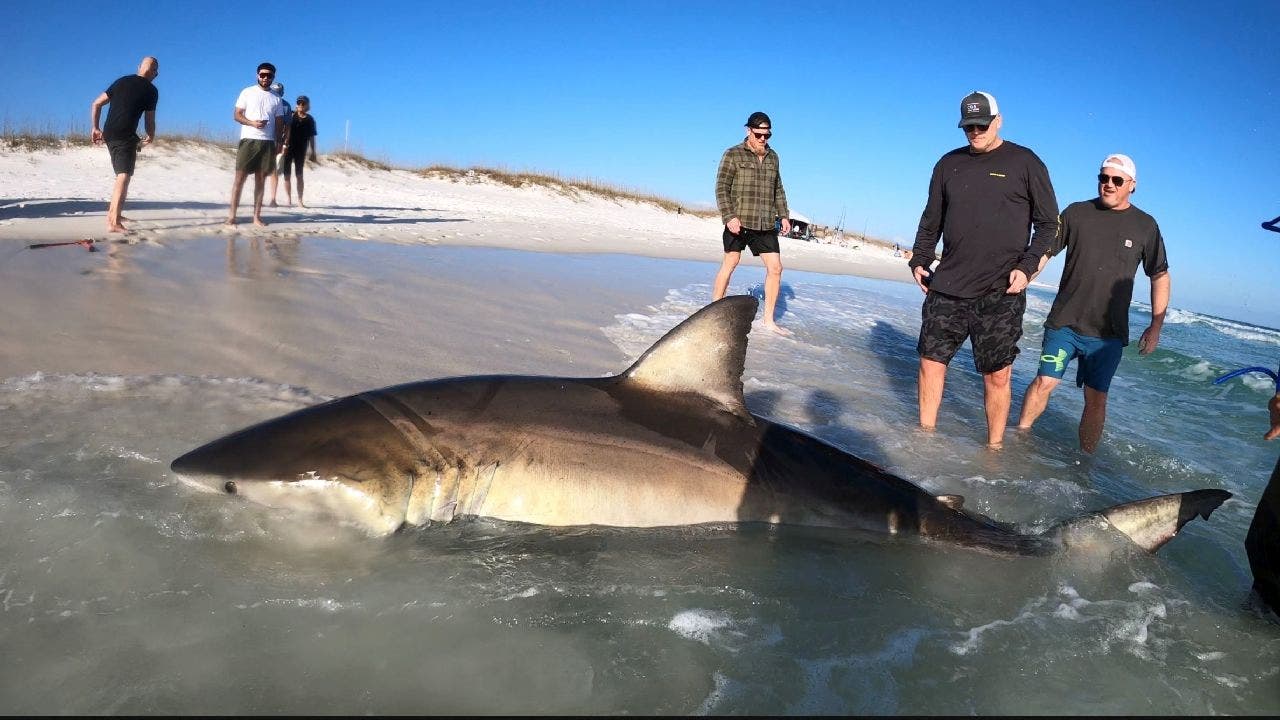
Despite the possibility of transient visitors, Florida is not considered a primary hotspot for Great White Shark activity. Several factors contribute to this:
Water Temperature Preferences
Great White Sharks generally prefer cooler waters. The consistently warm temperatures of Florida‘s coastal waters, especially during the summer months, are less appealing to them compared to more temperate regions further north. While they may venture into warmer waters during migrations, they are unlikely to linger in areas that remain consistently warm year-round.
Prey Density and Distribution
While Florida‘s waters are rich in marine biodiversity, the specific prey animals that form the bulk of a Great White’s diet, such as certain seal and sea lion populations, are not as prevalent as they are in more northern Atlantic ecosystems. The seals and sea lions that are found in Florida waters are typically more tropical species, which may not be a primary food source for Great Whites. Their main prey in the Atlantic are found in more temperate waters where they congregate.
Coastal Topography and Habitat Suitability
Great White Sharks often utilize specific types of underwater topography for hunting and resting. Areas with kelp forests, rocky reefs, and steep continental shelves can provide ideal environments. While Florida has diverse marine habitats, including offshore reefs, they may not replicate the exact conditions that attract large, consistent congregations of Great Whites in other parts of the world.
Navigating Florida’s Waters Safely
For those visiting Florida‘s beautiful coastlines, understanding the potential presence of sharks, including the occasional Great White, is part of responsible marine interaction.
Understanding Shark Behavior
It’s important to remember that shark encounters, especially with large predators, are exceedingly rare. Sharks are not actively hunting humans. Most shark bites are believed to be cases of mistaken identity, where a shark might mistake a splashing swimmer for its natural prey.
Safety Precautions and Best Practices
When enjoying activities in Florida‘s waters, consider the following recommendations:
- Swim in Groups: Sharks are more likely to approach solitary individuals.
- Avoid Swimming at Dawn or Dusk: These are peak hunting times for many shark species.
- Stay Close to Shore: If you are unsure about your surroundings, it’s generally safer to stay in shallower waters.
- Avoid Areas with Fishing Activity: Blood and bait from fishing operations can attract sharks.
- Do Not Wear Shiny Jewelry: The glint of jewelry can resemble fish scales, potentially attracting sharks.
- Avoid Excessive Splashing: Erratic movements can mimic distressed prey.
- Respect Marine Life: Observe all marine animals from a safe distance and never feed them.
- Heed Local Advisories: Pay attention to any shark warnings or beach closures issued by local authorities.
The Value of Shark Conservation
The presence, or even the occasional transient passage, of Great White Sharks in Florida‘s waters underscores the importance of shark conservation. These apex predators play a vital role in maintaining the health and balance of marine ecosystems. Protecting shark populations ensures the overall well-being of our oceans, from the smallest plankton to the largest whales. Organizations like the Atlantic White Shark Conservancy work tirelessly to research and protect these magnificent creatures.
Conclusion: A Rare but Possible Encounter
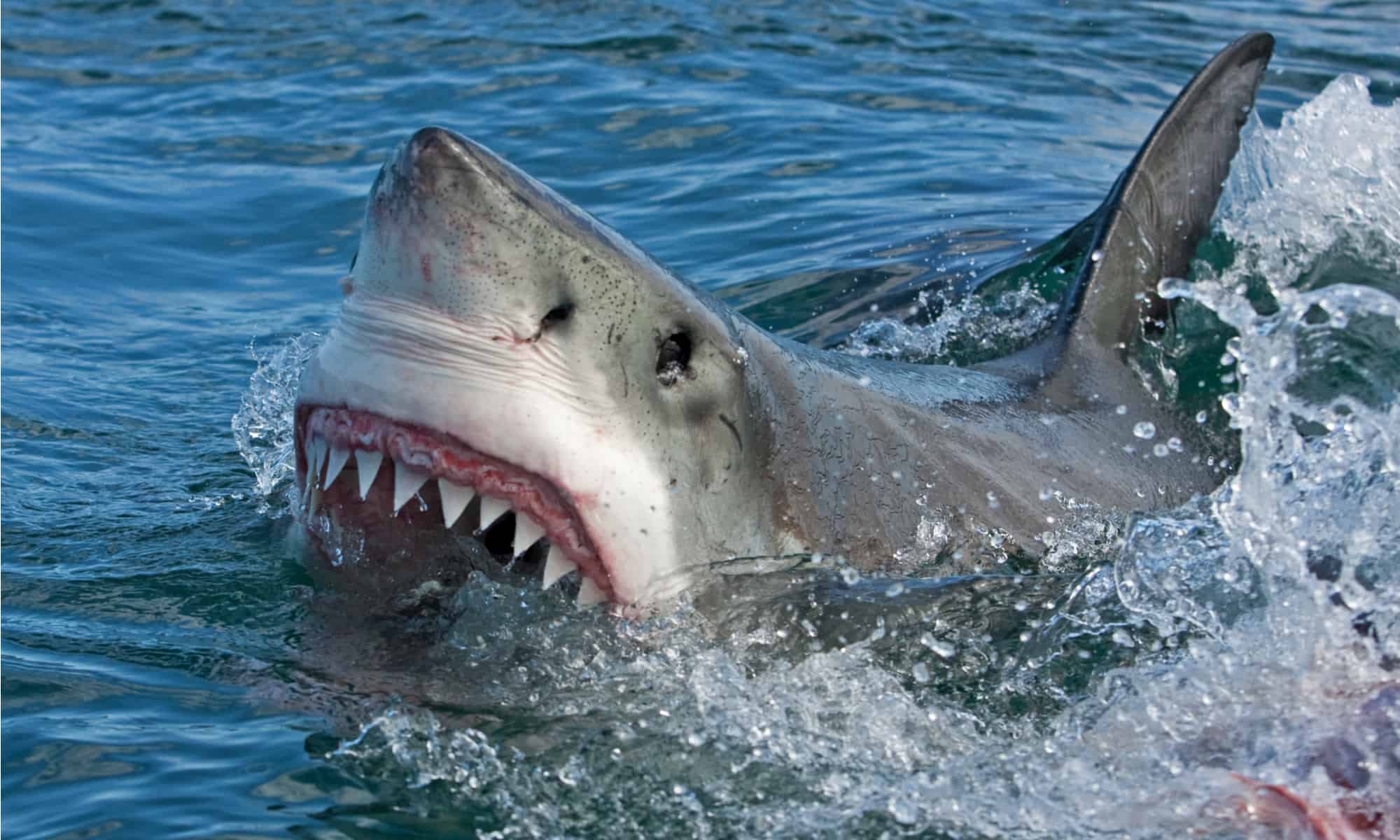
In conclusion, while Florida is not a primary habitat or a regular sighting ground for Great White Sharks, their presence in Florida waters cannot be entirely dismissed. Transient individuals may pass through, particularly during cooler months, as part of their extensive migratory journeys along the Atlantic coast. The rare nature of these encounters means that visitors to Florida are overwhelmingly likely to enjoy its marine wonders without ever seeing a Great White. The true marvel of Florida‘s oceans lies in its incredible biodiversity, which can be enjoyed responsibly and safely by adhering to best practices and fostering a deep respect for the marine world. The occasional Great White sighting serves as a powerful reminder of the wildness that still exists in our oceans and the importance of continuing to study and protect these incredible animals.
LifeOutOfTheBox is a participant in the Amazon Services LLC Associates Program, an affiliate advertising program designed to provide a means for sites to earn advertising fees by advertising and linking to Amazon.com. Amazon, the Amazon logo, AmazonSupply, and the AmazonSupply logo are trademarks of Amazon.com, Inc. or its affiliates. As an Amazon Associate we earn affiliate commissions from qualifying purchases.