
For travelers planning an escape to the Sunshine State, the allure often lies in its pristine beaches, vibrant theme parks, and abundant sunshine. However, Florida offers a less celebrated, yet equally enchanting, natural spectacle: the presence of its delightful river otters. Indeed, for those wondering, the answer is a resounding yes—Florida is home to a thriving population of North American River Otters (Lontra canadensis), offering unique wildlife viewing opportunities for the observant visitor. Far from being a rare sight, these playful semi-aquatic mammals are a vital part of the state’s diverse ecosystem, inhabiting a wide array of aquatic environments across the peninsula. Discovering them can transform a typical Florida vacation into an unforgettable wildlife adventure, revealing a wilder side of the state often overlooked by mainstream tourism.
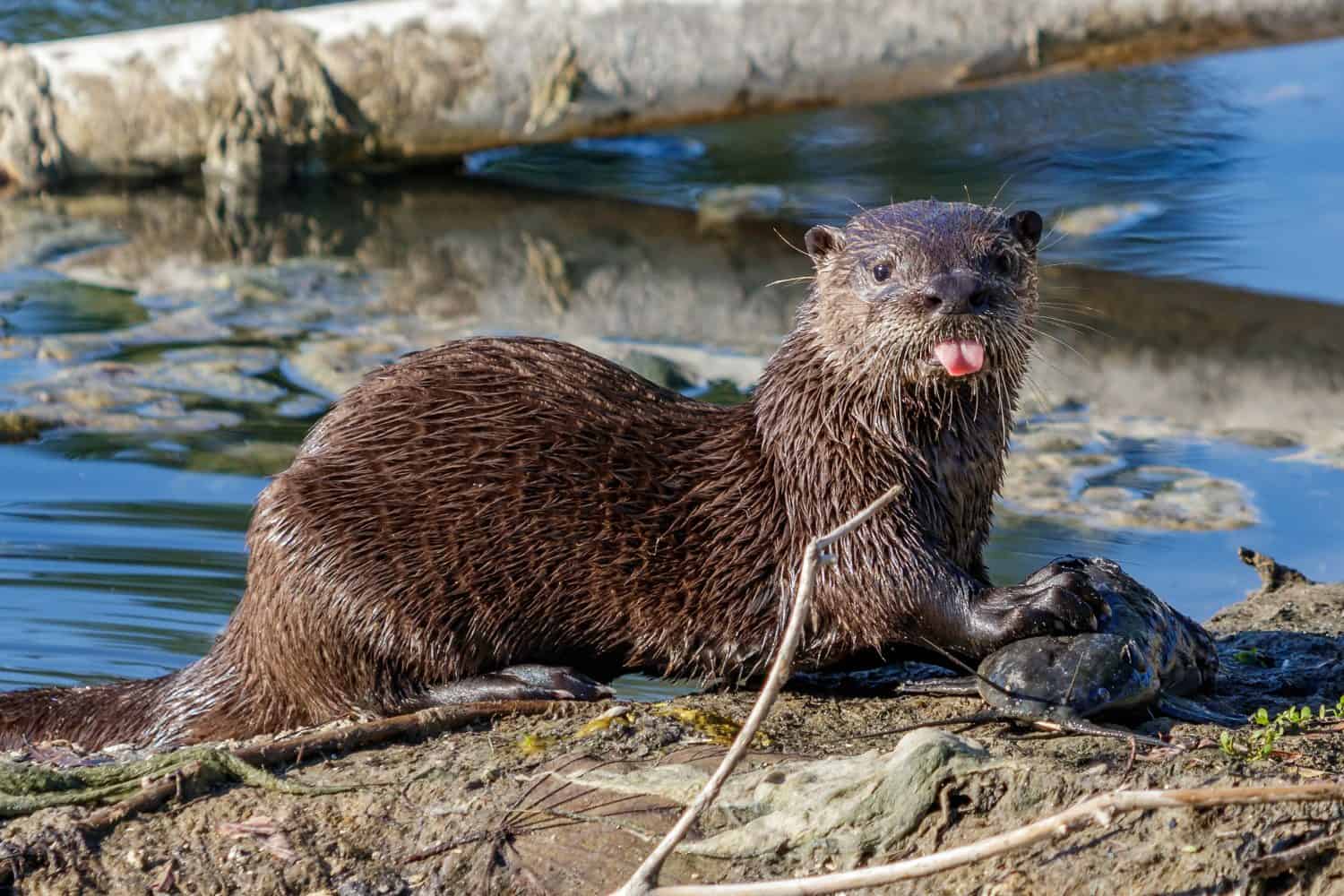
The Abundant Presence of Florida’s River Otters
The North American River Otter is not just present in Florida; it thrives there. These charismatic creatures are well-adapted to the state’s warm climate and extensive network of waterways, making Florida one of the best places in the United States to observe them in their natural habitat. Distinguished by their sleek, streamlined bodies, webbed feet, and powerful tails, river otters are perfectly evolved for life both in and out of the water. Their dense, oily fur provides insulation, allowing them to remain active year-round. Otters are highly social animals, often seen in family groups, engaging in playful antics that include sliding down muddy banks, chasing each other through the water, and tumbling on the shore. Their diet primarily consists of fish, but they are opportunistic feeders, also consuming crustaceans, amphibians, and occasionally small birds or mammals. Their presence indicates a healthy aquatic environment, as they prefer clean, unpolluted waters with ample food sources and denning sites. Understanding their behavior and habitat preferences is key for any traveler hoping to catch a glimpse of these elusive yet common residents.
Where to Spot These Elusive Aquatics
For the intrepid traveler eager to witness Florida’s otters, knowing where to look is half the battle. Their widespread distribution means that opportunities abound, from the state’s famous wetlands to its lesser-known coastal inlets.
Freshwater Habitats: Rivers, Lakes, and Swamps
The most iconic locations for otter sightings in Florida are undoubtedly its vast freshwater systems. The Everglades National Park, a UNESCO World Heritage Site, is a prime destination. Its slow-moving rivers, cypress swamps, and sawgrass marshes provide an ideal environment for otters, who can often be seen swimming along its many canals or fishing near observation decks. Similarly, the St. Johns River, Florida’s longest river, offers numerous access points where otters are frequent visitors, particularly around its many tributaries and spring-fed lakes. Travelers exploring the Ocala National Forest and its crystal-clear springs, such as Juniper Springs or Alexander Springs, may also be rewarded with otter sightings, especially during early morning or late afternoon hours when they are most active. Other notable freshwater locations include the extensive network of lakes in Central Florida and the tranquil blackwater rivers of the panhandle.
Coastal Areas and Estuaries
While often associated with freshwater, North American River Otters are remarkably adaptable and are frequently found in brackish and saltwater environments, particularly along Florida’s extensive coastline. Estuaries, where fresh and saltwater mix, are rich in prey, making them attractive hunting grounds for otters. The mangrove forests and salt marshes of the Florida Keys and the Gulf Coast are excellent places to search. Visitors kayaking or paddleboarding through these sheltered waterways might spot otters fishing, grooming on a low-hanging branch, or even hauling out on small islands. State parks and wildlife refuges along both the Atlantic and Gulf Coasts often protect these critical estuarine habitats, increasing the chances of an encounter. For example, J.N. “Ding” Darling National Wildlife Refuge on Sanibel Island is known for its diverse wildlife, including otters.
Urban and Suburban Green Spaces
Surprisingly, otters are not exclusively confined to remote wilderness areas. With Florida’s rapid development, otters have adapted to living near human populations, often utilizing urban green spaces, retention ponds, and suburban canals. While sightings might be less frequent and require more patience, travelers exploring city parks or botanical gardens with natural waterways, such as parts of Orlando, Tampa, or Sarasota, might just stumble upon these playful creatures. These sightings offer a unique perspective on wildlife resilience and integration into developed landscapes, reminding us that nature can thrive in unexpected places.
Best Practices for Otter Watching: A Traveler’s Guide
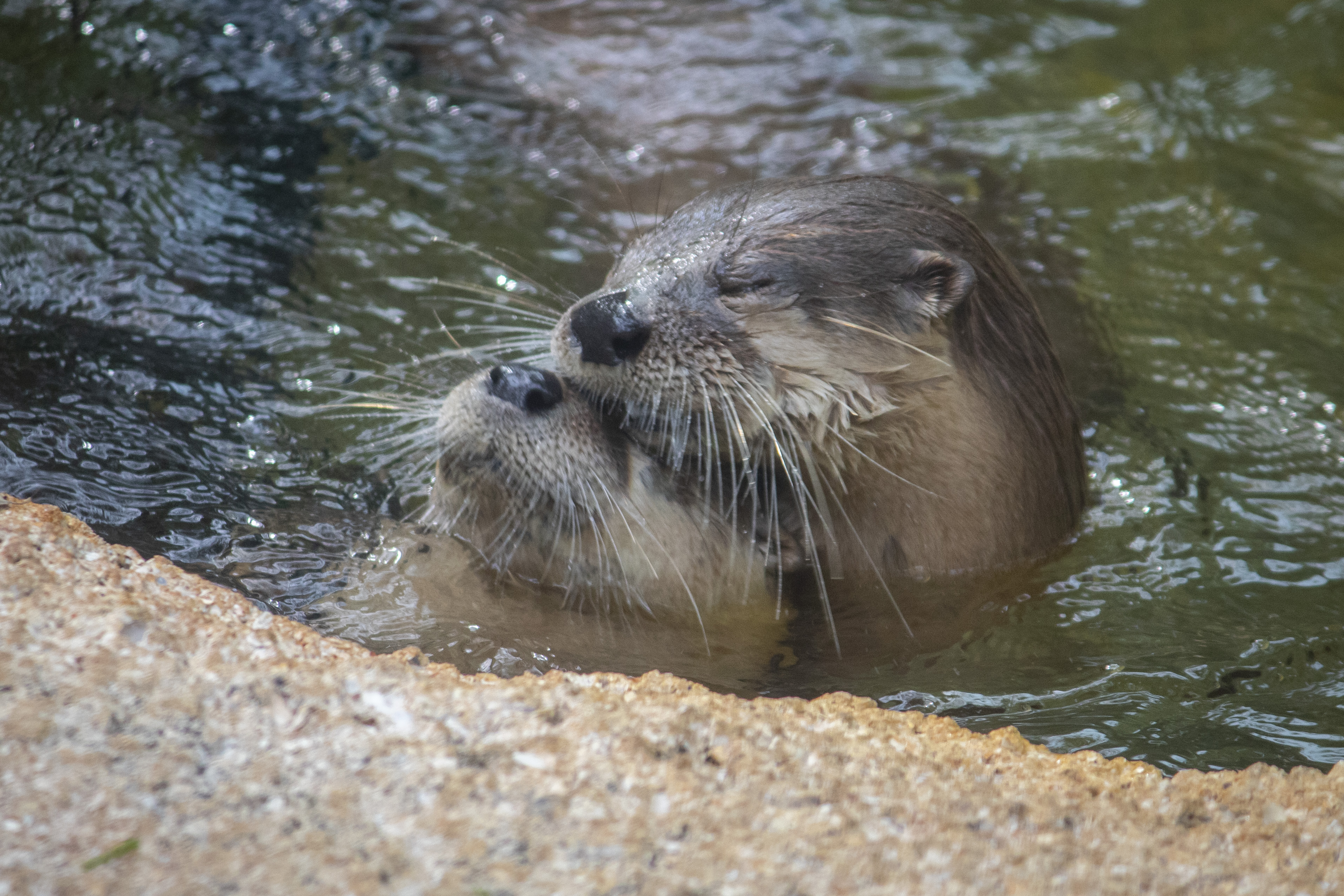
Successfully spotting otters requires a blend of patience, proper timing, and respectful observation techniques. For travelers, adopting these practices will significantly enhance the wildlife viewing experience while ensuring the animals remain undisturbed.
Timing Your Visit
Otters are typically most active during dawn and dusk. These crepuscular hours offer cooler temperatures and lower light, making them ideal for hunting and social interaction. Planning early morning excursions or late afternoon paddles will maximize your chances. While otters are present year-round in Florida, the cooler, drier months from November to April can sometimes offer better visibility. Lower water levels and reduced vegetation in certain areas during this period might make otters easier to spot as they navigate their habitats. Avoiding the midday heat is also beneficial for your comfort as a traveler.
Equipment and Preparedness
To make the most of an otter-watching expedition, a few key items are indispensable. A good pair of binoculars is essential for observing these creatures from a respectful distance without disturbing them. A camera with a telephoto lens can capture memorable shots, but remember to prioritize observation over photography. Wear quiet clothing that blends with the natural environment, and avoid strong perfumes or loud conversations. Maintaining a low profile and moving slowly will prevent startling the otters. Crucially, always maintain a safe and respectful distance, typically at least 50 feet. Never attempt to feed otters or any wild animals, as this can alter their natural behavior and dependence on humans.
Guided Tours and Kayaking Adventures
For an immersive and often more successful otter-watching experience, consider joining a guided tour. Many Florida destinations offer eco-tours led by experienced naturalists who know the local otter habits and prime viewing spots. Kayak, canoe, or stand-up paddleboard tours are particularly effective as they allow for quiet, stealthy navigation through otter habitats, especially in places like Myakka River State Park or the numerous spring runs. Airboat tours in the Everglades can also offer glimpses, though the noise might be less conducive to prolonged observation. These guided experiences not only increase your chances of a sighting but also provide valuable insights into the otters’ ecology and the broader Florida ecosystem.
Understanding Otter Behavior and Habitat Preservation
Observing otters in their natural environment is not just about seeing them; it’s about understanding their world. Otters are incredibly playful, and witnessing their frolics—be it sliding down a mud bank, wrestling with siblings, or meticulously grooming—is a highlight for many travelers. Look for tell-tale signs of their presence: tracks along muddy banks, distinct “slides” where they repeatedly enter the water, and spraints (feces) which they use to mark their territory. Their vocalizations, a mix of chirps, growls, and whistles, can also indicate their proximity.
The opportunity to observe North American River Otters in Florida is a testament to the state’s natural beauty and biodiversity. However, these magnificent creatures face ongoing threats from habitat loss, water pollution, and human encroachment. As responsible travelers, our role extends beyond mere observation to active support for conservation efforts. Supporting state parks, national wildlife refuges like Corkscrew Swamp Sanctuary, and local environmental organizations directly contributes to the protection of otter habitats. Choosing ecotourism operators who prioritize sustainable practices and wildlife welfare also makes a significant difference. By appreciating these animals respectfully and advocating for their protection, we ensure that future generations of travelers can also experience the joy of seeing Florida’s otters in the wild.
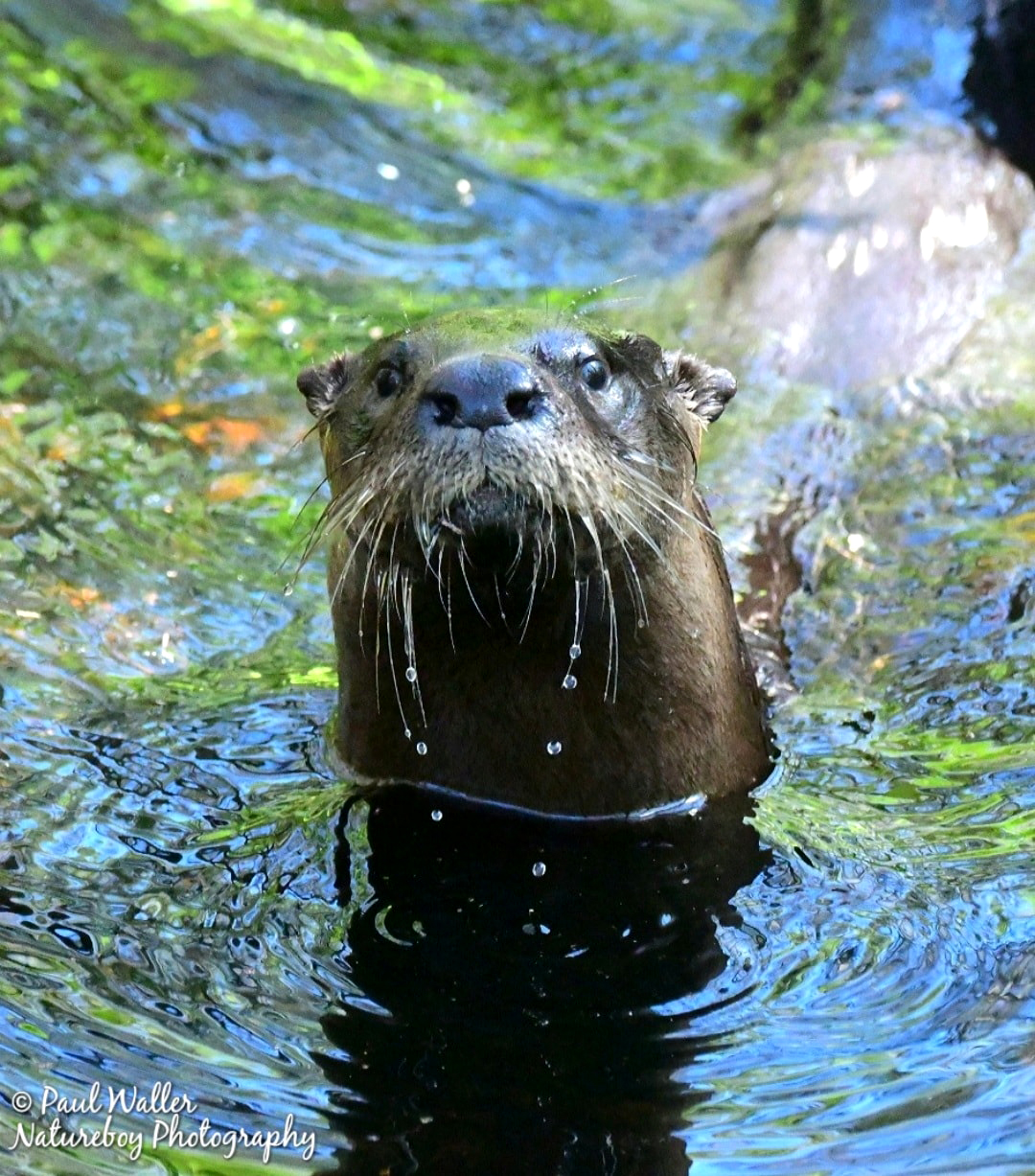
Planning Your Otter-Focused Florida Itinerary
Integrating otter viewing into your Florida travel itinerary can create a truly memorable trip. Consider focusing your travels on regions known for high otter activity. A journey through Southwest Florida might combine visits to the Everglades, Big Cypress National Preserve, and coastal areas around Naples or Fort Myers, all offering excellent opportunities. Alternatively, exploring Central Florida could include the St. Johns River, the Ocala National Forest, and various state parks known for their spring systems.
Combine otter expeditions with other nature-based activities. Many of the same habitats that attract otters also host alligators, manatees, diverse bird species, and various fish. Kayaking through a mangrove tunnel in search of otters could easily turn into a serene encounter with a gentle manatee or a majestic wading bird. Booking accommodation near these natural areas, such as eco-lodges or cabins within state parks, can enhance the overall experience, allowing for multiple early morning or late evening wildlife ventures. By thoughtfully planning your trip around these incredible animals, you unlock a deeper appreciation for Florida’s wild heart, discovering that the state offers far more than just sun and sand—it provides a vibrant, living canvas for unforgettable natural encounters.
LifeOutOfTheBox is a participant in the Amazon Services LLC Associates Program, an affiliate advertising program designed to provide a means for sites to earn advertising fees by advertising and linking to Amazon.com. Amazon, the Amazon logo, AmazonSupply, and the AmazonSupply logo are trademarks of Amazon.com, Inc. or its affiliates. As an Amazon Associate we earn affiliate commissions from qualifying purchases.