
Exploring the unique agricultural landscape of Florida often leads to surprising discoveries about what thrives in its subtropical embrace and what struggles against its inherent warmth. For many travelers accustomed to the crisp autumn harvests of temperate climates, the question of whether apples—a quintessential symbol of cooler seasons—can flourish in the Sunshine State is a fascinating one. Understanding this dichotomy not only illuminates Florida’s distinctive ecology but also enriches the experience of culinary tourism and agricultural exploration for visitors.
The Sunshine State’s Unique Agricultural Landscape
Florida is renowned globally for its vibrant citrus groves, sprawling sugar cane fields, and a cornucopia of tropical fruits that thrive under its abundant sun and often humid conditions. For tourists, this translates into an incredible array of fresh produce, from juicy oranges and grapefruits to exotic mangoes, lychees, and starfruit readily available at roadside stands, farmers’ markets, and farm-to-table restaurants across the state. The state’s agricultural identity is firmly rooted in these warm-weather crops, which significantly shape its local culture and food scene.
Climate Challenges for Temperate Fruits
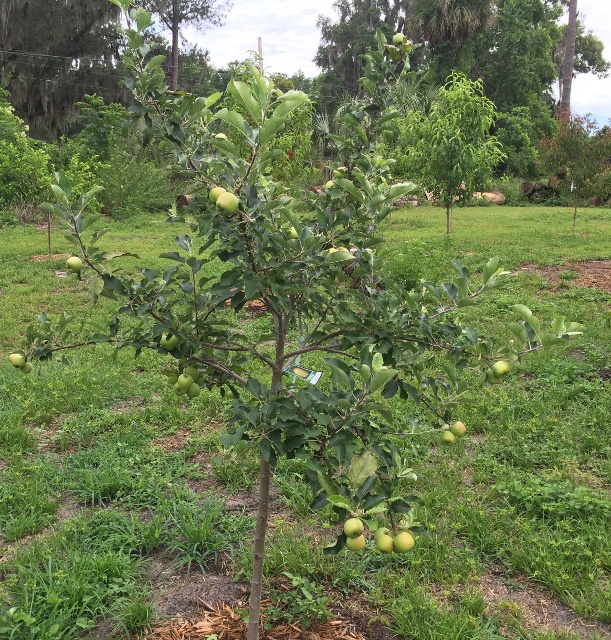
The primary challenge for growing conventional apple varieties in Florida lies in its climate, specifically the lack of “chilling hours.” Most apple trees, like many other temperate fruit trees such as peaches, cherries, and pears, require a specific number of hours at temperatures below 45°F (7°C) during their dormant period to properly break dormancy, blossom, and bear fruit. Without sufficient chilling, the trees may experience delayed bud break, erratic flowering, poor fruit set, and reduced yields. Florida’s mild winters, particularly in its central and southern regions, simply do not provide the prolonged cold spells necessary for these traditional varieties. Even North Florida, while experiencing slightly cooler winters, often falls short of the ideal chilling requirements for commercial apple production. This climatic reality shapes what a tourist will typically encounter in terms of local fruit offerings.
Florida’s Famous Produce: A Tourist’s Delight
Instead of apples, visitors to Florida are treated to an unparalleled selection of tropical and subtropical fruits. The sweet aroma of citrus permeates many regions, particularly during the winter months, inviting tourists to pick their own fruit at U-pick groves or sample fresh-squeezed juices. Beyond citrus, the summer months bring a bounty of mangoes, avocados, papayas, and dragon fruit, each offering a unique taste of the local terroir. These abundant harvests form the backbone of Florida’s food tourism, providing distinct flavors and experiences that differentiate it from more temperate destinations. From farmers’ markets brimming with colorful produce to specialized fruit stands offering samples of exotic delights, the local produce scene is a highlight for many visitors.
The Quest for Cold-Hardy Varieties: A Niche Agritourism Endeavor
Despite the significant climatic hurdles, dedicated horticulturists and agricultural researchers in Florida have, over decades, explored the possibility of growing apples. This endeavor, while not leading to widespread commercial orchards, has carved out a unique, albeit small, niche within the state’s agritourism landscape, appealing to curious visitors interested in agricultural innovation and local food lore.
Low-Chill Apple Varieties: A Scientific Pursuit
The breakthrough in growing apples in Florida came with the development and identification of “low-chill” apple varieties. These specific cultivars require significantly fewer chilling hours than their temperate cousins, making them suitable for Florida’s warmer winters. The most notable and relatively successful varieties are ‘Anna’ and ‘Dorsett Golden‘.
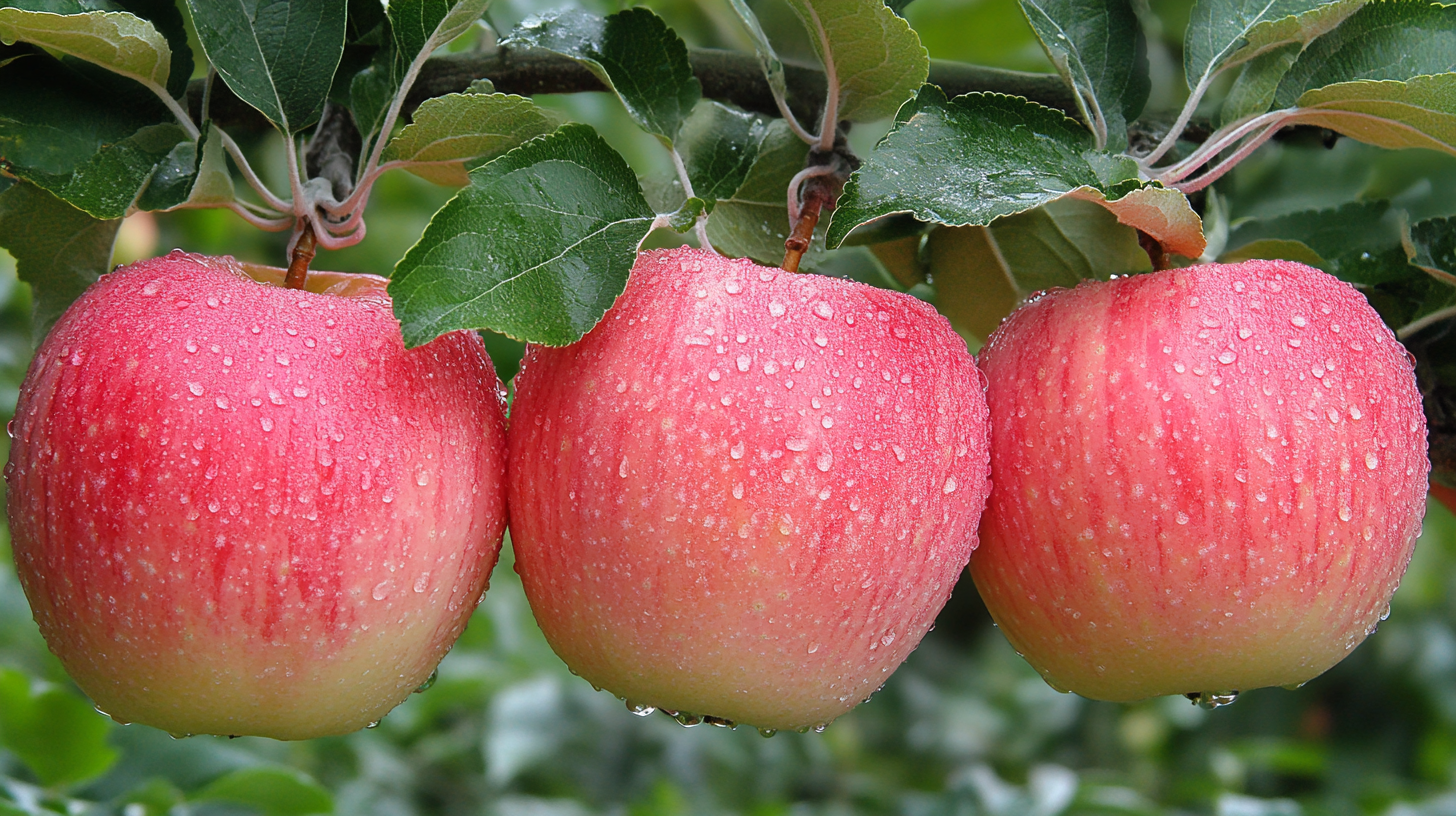
- Anna: Originating from Israel, ‘Anna’ is perhaps the most widely grown low-chill apple in Florida. It requires only about 200-300 chilling hours and produces medium-sized, crisp, sweet-tart apples with a reddish blush. It’s often compared to a ‘Gala’ or ‘Fuji’ in flavor profile.
- Dorsett Golden: Discovered in the Bahamas, this variety is another popular choice for low-chill environments, requiring a similar number of chilling hours. It produces sweet, yellow apples with a slight blush and is often used as a pollinator for ‘Anna’ due to their compatible blooming times.
These varieties, while allowing apples to grow, do not typically achieve the same intense sweetness or crispness as apples from more traditional growing regions, often having a somewhat softer texture. However, they offer a fresh, locally grown alternative for those seeking this specific fruit. For the discerning tourist, encountering these unique apples can be a rare and intriguing experience, providing insight into the resilience of agriculture and the ingenuity of plant breeding.
Visiting Experimental Orchards and Local Markets
For tourists keen on experiencing this niche agricultural pursuit, opportunities exist, albeit sparingly. Small, privately-owned experimental orchards or home growers might cultivate these low-chill varieties. While dedicated U-pick apple orchards like those in temperate zones are virtually non-existent for apples in Florida, some local farmers’ markets, particularly in parts of North or Central Florida, might occasionally feature ‘Anna’ or ‘Dorsett Golden’ apples during their relatively early harvest season (typically late May to June). Discovering these apples offers a distinct “local find” experience, allowing visitors to taste a truly unique Florida specialty that defies the state’s typical fruit profile. Engaging with the growers at these markets provides a direct link to the local agricultural community and offers fascinating insights into the challenges and triumphs of growing unusual crops in the region.
Beyond Apples: Embracing Florida’s Diverse Culinary Tourism
While the quest for apples in Florida highlights agricultural innovation, the true richness of Florida’s culinary tourism lies in embracing what naturally thrives. The state’s unique climate has fostered a diverse array of edible delights, many of which offer equally engaging and educational experiences for visitors.
Tropical Fruit Farms: A Sweet Alternative
Instead of apple orchards, tourists seeking a farm-based experience in Florida should gravitate towards the numerous tropical fruit farms. Destinations like the Fruit & Spice Park in Homestead or various U-pick mango and lychee farms in South Florida offer immersive experiences. Visitors can stroll through groves, learn about exotic fruits from around the world, taste rare varieties, and often pick their own seasonal produce. These farms provide a similar “connection to the land” experience that apple orchards offer elsewhere, but with a distinctly tropical twist, perfectly aligned with Florida’s unique biodiversity. This allows tourists to explore the origins of their food, understand sustainable farming practices, and savor flavors they might not encounter anywhere else.
Farmers’ Markets and Farm-to-Table Experiences
For a taste of Florida’s bounty, tourists should make visiting local farmers’ markets a priority. These vibrant hubs are not just places to buy produce; they are cultural touchpoints, reflecting the agricultural heartbeat of a community. From the bustling Sarasota Farmers Market to the smaller, charming markets in coastal towns, visitors can find everything from heirloom tomatoes and organic greens to fresh seafood and artisanal products. Many markets also feature local musicians and food vendors, creating a lively atmosphere.
Furthermore, Florida’s burgeoning farm-to-table restaurant scene is another excellent avenue for culinary exploration. Chefs across the state are increasingly sourcing ingredients directly from local farms, creating menus that highlight seasonal specialties and regional flavors. Dining at these establishments allows tourists to experience the freshest Florida produce expertly prepared, deepening their understanding of the state’s agricultural offerings and culinary identity.
Planning Your Florida Food Adventure
For tourists, embracing Florida’s unique food landscape means adjusting expectations from temperate fruit harvests to the abundant tropical and subtropical delights. Planning your visit around seasonal harvests can significantly enhance your culinary journey.
Seasonal Delights and Regional Specialties
Understanding Florida‘s agricultural calendar is key. Winter (December-March) is prime citrus season, with oranges, grapefruits, and tangerines at their peak. Spring (April-May) brings strawberries, blueberries (especially in Central Florida), and the early harvest of low-chill apples in very limited areas. Summer (June-September) is a tropical fruit extravaganza, featuring mangoes, lychees, longans, and starfruit, particularly in South Florida. Fall (October-November) offers pumpkins, sweet potatoes, and various leafy greens. Each season presents an opportunity to discover distinct regional specialties and participate in related local festivals, enhancing the overall tourist experience.
Engaging with Local Agricultural Tours
Beyond U-pick farms, many Florida regions offer specialized agricultural tours. These can range from guided visits to working cattle ranches, tours of hydroponic farms, or even eco-tours that highlight the importance of sustainable agriculture and conservation. For those interested in the unique challenge of growing apples, seeking out a local agricultural extension office or a small, independent nursery specializing in fruit trees might provide a lead to the rare ‘Anna’ or ‘Dorsett Golden’ trees, and perhaps even a chance to taste their fruit if the timing is right. Such focused exploration offers a deeper, more intimate understanding of Florida’s diverse and sometimes surprising agricultural narrative. Ultimately, while apples may not be a prominent feature of Florida’s tourist offerings, the state’s commitment to cultivating a vibrant food scene, whether through traditional citrus or innovative low-chill fruits, ensures a rich and flavorful experience for every visitor.
LifeOutOfTheBox is a participant in the Amazon Services LLC Associates Program, an affiliate advertising program designed to provide a means for sites to earn advertising fees by advertising and linking to Amazon.com. Amazon, the Amazon logo, AmazonSupply, and the AmazonSupply logo are trademarks of Amazon.com, Inc. or its affiliates. As an Amazon Associate we earn affiliate commissions from qualifying purchases.