
For many teenagers in Florida, obtaining a learner’s permit marks a significant rite of passage, symbolizing the first step towards true independence. The dream of driving to school without relying on parents, carpools, or public transportation is a powerful motivator. However, the path from a learner’s permit to solo school commutes is paved with specific regulations, responsibilities, and lifestyle adjustments that both teens and their families must navigate. Understanding the nuances of Florida’s driving laws is crucial for aspiring young drivers and their households.
Navigating Florida’s Permit Regulations for School Commutes
The short answer to whether you can drive to school with a permit in Florida is generally “no,” not without direct supervision. Florida’s Graduated Driver Licensing (GDL) program is designed to provide new drivers with supervised experience, gradually increasing their driving privileges as they gain skill and maturity. For a learner’s permit holder, this means strict limitations on unsupervised driving.
The Learner’s Permit Stage: Strict Supervision is Key
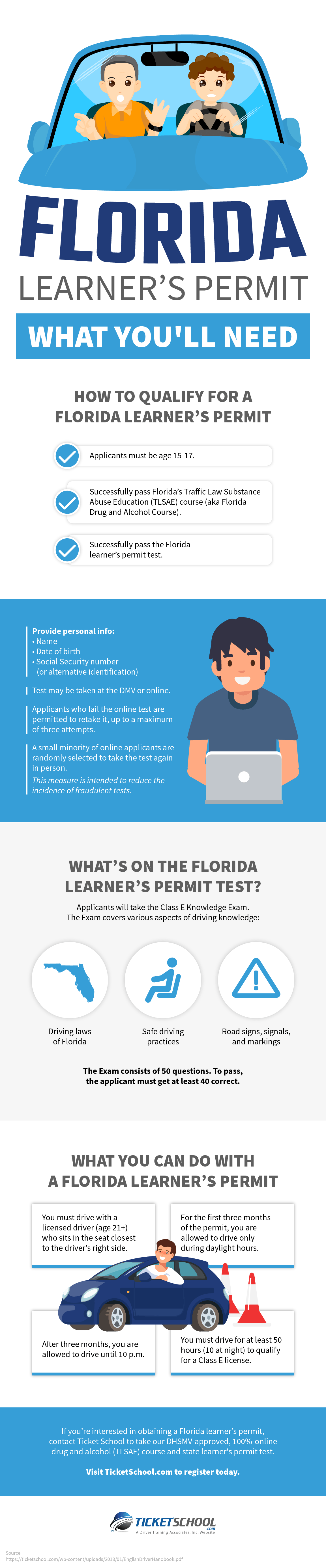
In Florida, a learner’s permit allows an individual to drive only under specific conditions. The primary rule is that the permit holder must always be accompanied by a licensed driver who is at least 21 years old and occupies the front passenger seat. This supervising driver must also be fit to drive. This fundamental requirement directly impacts the possibility of driving to school. A teenager cannot legally drive themselves to school with just a permit unless a qualified supervising adult is present in the car. This regulation applies universally, whether the destination is school, a friend’s house, or a part-time job.
The Florida Department of Highway Safety and Motor Vehicles (DHSMV) outlines these rules clearly, emphasizing safety and supervised practice. The permit phase is intended to be a learning period, not a shortcut to independent travel. Furthermore, there are specific time restrictions for learner’s permit holders: they can only drive during daylight hours for the first three months after the permit is issued, and until 10 PM thereafter. While school commutes typically fall within these hours, the supervision requirement remains paramount.
Transitioning to a Provisional License
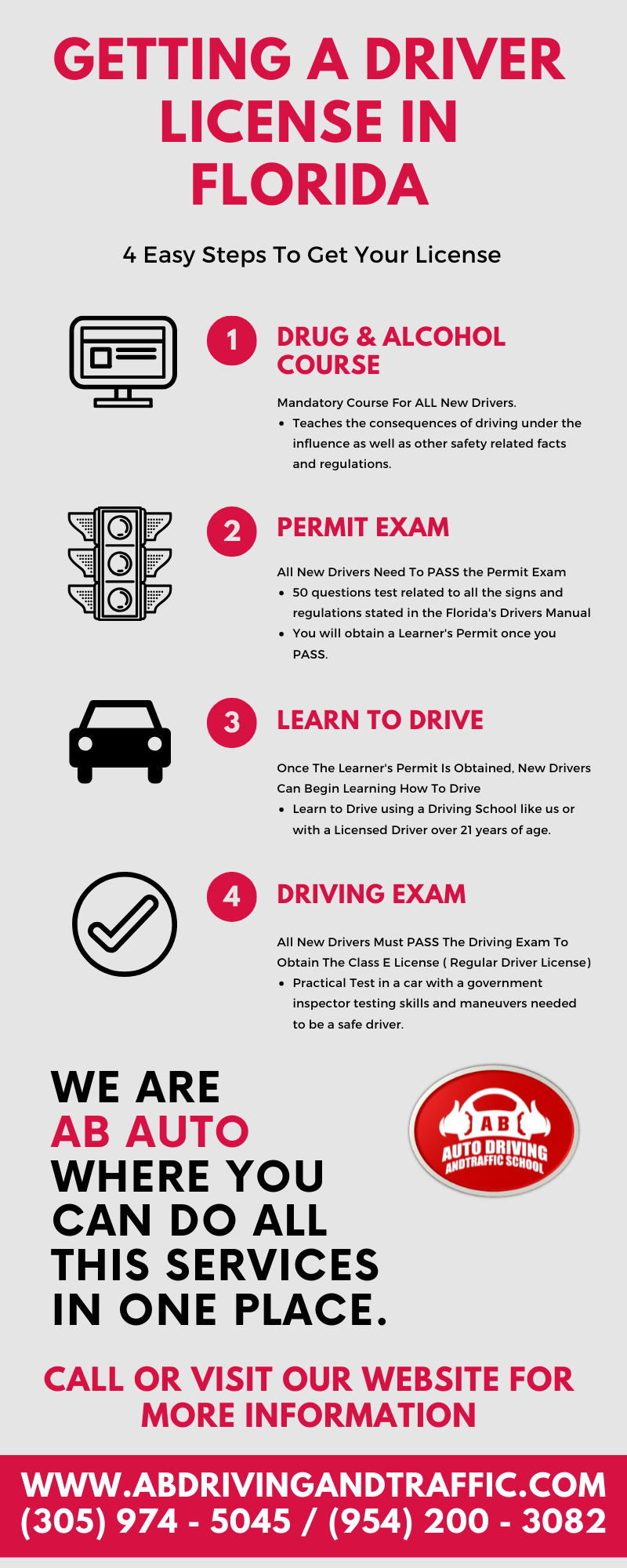
The next step in Florida’s GDL program is the Class D operator’s license, often referred to as a provisional or intermediate license. To obtain this, a driver must be at least 16 years old, have held a learner’s permit for at least one year without any traffic convictions, and complete a certified traffic law and substance abuse education course. They also need to pass a driving test.
With a provisional license, the rules for driving to school change significantly. A 16-year-old with a provisional license can drive to school unsupervised. However, even this stage has its own set of time-based restrictions:
- 16-year-olds: Cannot drive between 11 PM and 6 AM unless accompanied by a licensed driver 21 years or older, or if driving to or from work.
- 17-year-olds: Cannot drive between 1 AM and 5 AM unless accompanied by a licensed driver 21 years or older, or if driving to or from work.
These restrictions are designed to reduce the risk associated with nighttime driving for inexperienced drivers, ensuring that the transition to full driving privileges is gradual and safe.
The Road to Independence: Lifestyle Implications for Teens
For teenagers, the learner’s permit represents more than just a piece of plastic; it signifies the burgeoning desire for independence and a profound shift in their lifestyle. The ability to drive oneself, even with supervision, opens up new possibilities and responsibilities.
Gaining Autonomy (Gradually)
The permit phase introduces teens to the concept of personal mobility. While they can’t drive to school alone, having a permit means they can take the wheel during family errands, weekend outings, or even supervised practice drives to extracurricular activities. This gradual exposure helps them develop crucial driving skills and road awareness. It’s a stepping stone that builds confidence and prepares them for the full autonomy that comes with a provisional and then full license. This period allows them to practice defensive driving, understand traffic patterns in areas like Miami or Orlando, and learn to navigate various weather conditions unique to Florida.
Developing Responsibility
Along with new freedoms come new responsibilities. The learner’s permit stage is a critical time for teens to understand the gravity of operating a motor vehicle. They learn about traffic laws, the importance of avoiding distractions, and the consequences of reckless driving. This early inculcation of responsibility is a vital part of their development, extending beyond driving to other aspects of their lives. Adhering to the permit’s limitations, such as always having a supervising adult, teaches discipline and respect for rules. This period is also essential for them to understand vehicle maintenance basics, emergency procedures, and how to safely share the road with others.
Family Logistics and Shared Responsibilities
The presence of a teenager with a learner’s permit significantly impacts family dynamics and daily logistics. While the permit doesn’t immediately free parents from school drop-offs, it can eventually lighten the load.
The Role of the Supervising Adult
During the permit phase, parents or other qualified adults become de facto driving instructors. This requires a considerable time commitment, as they must accompany the teen on all drives. For school commutes, this means a parent or guardian must be available to drive the student to school while the student drives, or to pick them up after school. This shared responsibility can be an excellent opportunity for bonding and teaching, but it also demands coordination and flexibility in family schedules. For busy families, this might mean adjusting work hours or coordinating with other family members to ensure the permit holder gets enough supervised driving time, especially for regular routes like the school run.
Planning for the Future
Families often view the permit year as an investment. The goal is to provide enough supervised practice so that when the teen is eligible for a provisional license, they are a competent and confident driver. This planning includes budgeting for driving lessons, car insurance, and potentially a vehicle. The successful completion of the permit phase and the acquisition of a provisional license can dramatically alter family routines, reducing the need for parents to act as chauffeurs and allowing teens greater flexibility in their schedules, particularly for after-school activities or part-time jobs in areas like Tampa or Jacksonville.
Safety First: Cultivating Responsible Driving Habits
The learner’s permit period is paramount for instilling safe driving habits. Florida’s GDL structure emphasizes safety by requiring extensive supervised practice before granting full independence.
The Importance of Supervised Practice
Every mile driven under supervision is an opportunity to learn. Parents and guardians play a critical role in coaching their teens through various driving scenarios: adverse weather, heavy traffic, night driving, and navigating complex intersections. The focus should be on defensive driving techniques, hazard recognition, and making responsible decisions behind the wheel. The more diverse and extensive the supervised practice, the better prepared the young driver will be for solo driving. This supervised practice extends beyond basic maneuvering; it includes teaching situational awareness, managing stress behind the wheel, and understanding the implications of distractions.
Avoiding Common Pitfalls
New drivers are particularly susceptible to risks like distracted driving, speeding, and driving under the influence. The permit phase is the ideal time to discuss these dangers openly and set clear expectations. Emphasizing the “why” behind driving rules – focusing on safety and the protection of all road users – can be more effective than simply listing prohibitions. Schools often incorporate driver safety education, but consistent reinforcement at home is vital. This holistic approach to driver education during the permit phase helps lay a strong foundation for a lifetime of safe driving practices.
Beyond the Permit: Preparing for a Licensed Lifestyle
While driving to school with a permit in Florida is not feasible without an adult, the journey through the GDL program is a transformative one. It moves a teenager from relying on others for transportation to becoming an independent, responsible driver.
The learner’s permit is the foundational step. It allows young drivers to gradually assimilate into the driving culture of Florida, understanding its unique road challenges and legal requirements. By adhering to the regulations, accumulating supervised hours, and actively learning from experienced drivers, teens effectively prepare themselves for the freedom and responsibility that a provisional and ultimately, a full driver’s license affords. This progressive approach ensures that when they finally do drive to school alone, they do so with the confidence, skill, and judgment necessary to keep themselves and others safe on the road. The lifestyle change from dependent passenger to independent driver is a complex evolution, managed meticulously through state regulations designed for the wellbeing of its youngest road users.
LifeOutOfTheBox is a participant in the Amazon Services LLC Associates Program, an affiliate advertising program designed to provide a means for sites to earn advertising fees by advertising and linking to Amazon.com. Amazon, the Amazon logo, AmazonSupply, and the AmazonSupply logo are trademarks of Amazon.com, Inc. or its affiliates. As an Amazon Associate we earn affiliate commissions from qualifying purchases.