
Navigating the Professional Landscape: Establishing a Legal Practice in Texas or Florida
For legal professionals contemplating the launch or expansion of their practice, the choice of jurisdiction profoundly impacts their professional lifestyle and operational framework. Texas and Florida stand out as two dynamic states offering robust economies, diverse populations, and distinct legal environments. The decision to establish an LLC law firm in either of these states requires a deep understanding of state-specific regulations, ethical considerations, and business advantages. Both states present unique opportunities for attorneys to build thriving practices, but they also come with specific requirements that shape the daily operations and long-term trajectory of a legal business. Understanding these nuances is crucial for any attorney looking to embrace the entrepreneurial lifestyle within the legal sector. From the bustling metropolitan areas of Houston and Dallas in Texas to the vibrant legal markets of Miami and Orlando in Florida, the potential for growth is significant, provided the foundational business structure aligns with state bar rules.

The Appeal of Texas for Legal Entrepreneurs
Texas offers a burgeoning economy, particularly in sectors like energy, technology, and healthcare, creating a diverse demand for legal services. The state’s business-friendly policies and absence of state income tax are often cited as major attractions for professionals. For attorneys, this translates into a potentially lower cost of doing business and a higher disposable income, factors that significantly influence professional and personal lifestyle choices. The sheer size and growth of cities like Austin, San Antonio, and Fort Worth, alongside the traditional legal hubs of Houston and Dallas, provide a broad client base across various practice areas. However, navigating the State Bar of Texas regulations regarding business entity formation for legal practices is paramount.
Florida’s Dynamic Legal Market
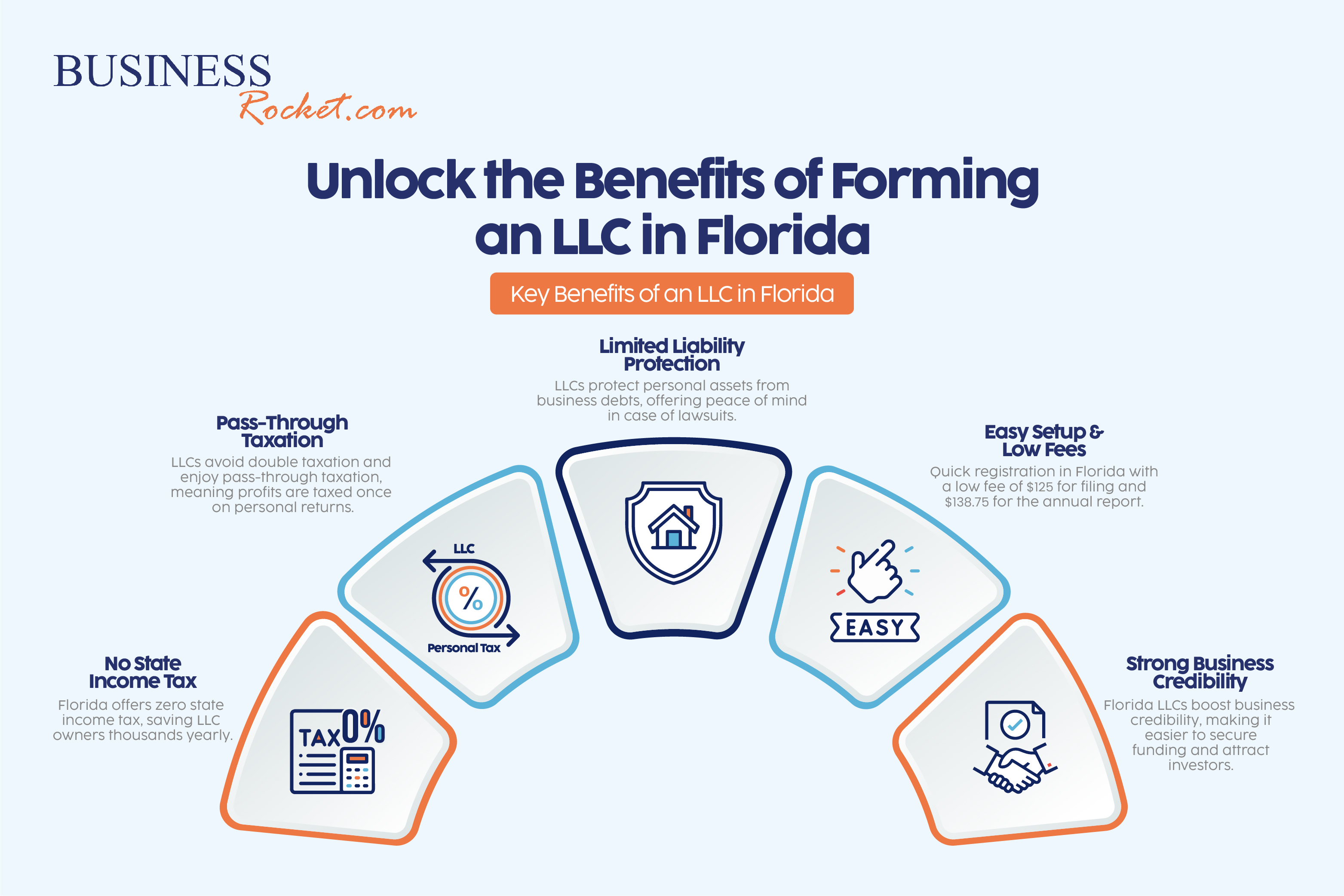
Florida, with its robust tourism, real estate, and international trade sectors, also presents a fertile ground for legal practices. The state’s attractive tax climate (no state income tax) and perpetual influx of new residents and businesses contribute to a consistently active legal market. Cities such as Tampa, Jacksonville, and Fort Lauderdale, in addition to Miami and Orlando, offer distinct legal communities with specialized needs. Attorneys considering Florida for their LLC law firm must similarly adhere to the specific rules set forth by The Florida Bar, which dictate how legal services can be rendered through various business structures. The professional lifestyle in Florida often combines demanding legal work with access to a vibrant cultural scene and recreational opportunities, appealing to many who seek a balanced life.
The LLC Structure: A Modern Approach to Legal Business
The Limited Liability Company, or LLC, has emerged as a popular business structure due to its blend of personal liability protection and flexible tax treatment. For many entrepreneurs, an LLC offers the best of both worlds: the limited liability shield of a corporation and the pass-through taxation of a partnership or sole proprietorship. However, applying this structure to a law firm introduces unique complexities given the ethical obligations and professional responsibilities inherent to the legal profession. State bar associations play a critical role in regulating how legal services are delivered, and their rules often dictate the permissible forms of business organization for attorneys.
Understanding the Concept of Professional LLCs (PLLCs)
While a standard LLC is common for many businesses, professions like law often require a Professional Limited Liability Company, or PLLC. The primary distinction is that a PLLC structure is specifically designed for licensed professionals, such as attorneys, physicians, or accountants, to ensure that professional standards and ethical duties are upheld even within a corporate entity. The PLLC still offers liability protection for the firm’s debts and obligations, but it typically does not shield individual members from liability arising from their own professional malpractice or negligence. This distinction is crucial for maintaining accountability within the legal profession.
Liability Protection and Ethical Considerations
The limited liability aspect of an LLC is a significant draw, protecting personal assets from business debts and certain liabilities. However, this protection has limits in the legal context. While an LLC might protect an attorney from the malpractice of a partner or employee (assuming they were not involved in or supervising the act), it will not shield them from their own malpractice. Furthermore, an LLC does not diminish an attorney’s ethical obligations to their clients. The professional lifestyle of an attorney is inherently bound by rules of professional conduct, and the chosen business structure must align with these mandates, which prioritize client welfare and the integrity of the legal system.
Regulatory Hurdles and State Bar Nuances: Texas and Florida Compared
The ability to operate a law firm as an LLC varies significantly from state to state, primarily due to each state’s bar association rules concerning the unauthorized practice of law and the ethical responsibilities of attorneys.
Texas Bar Rules on Entity Formation
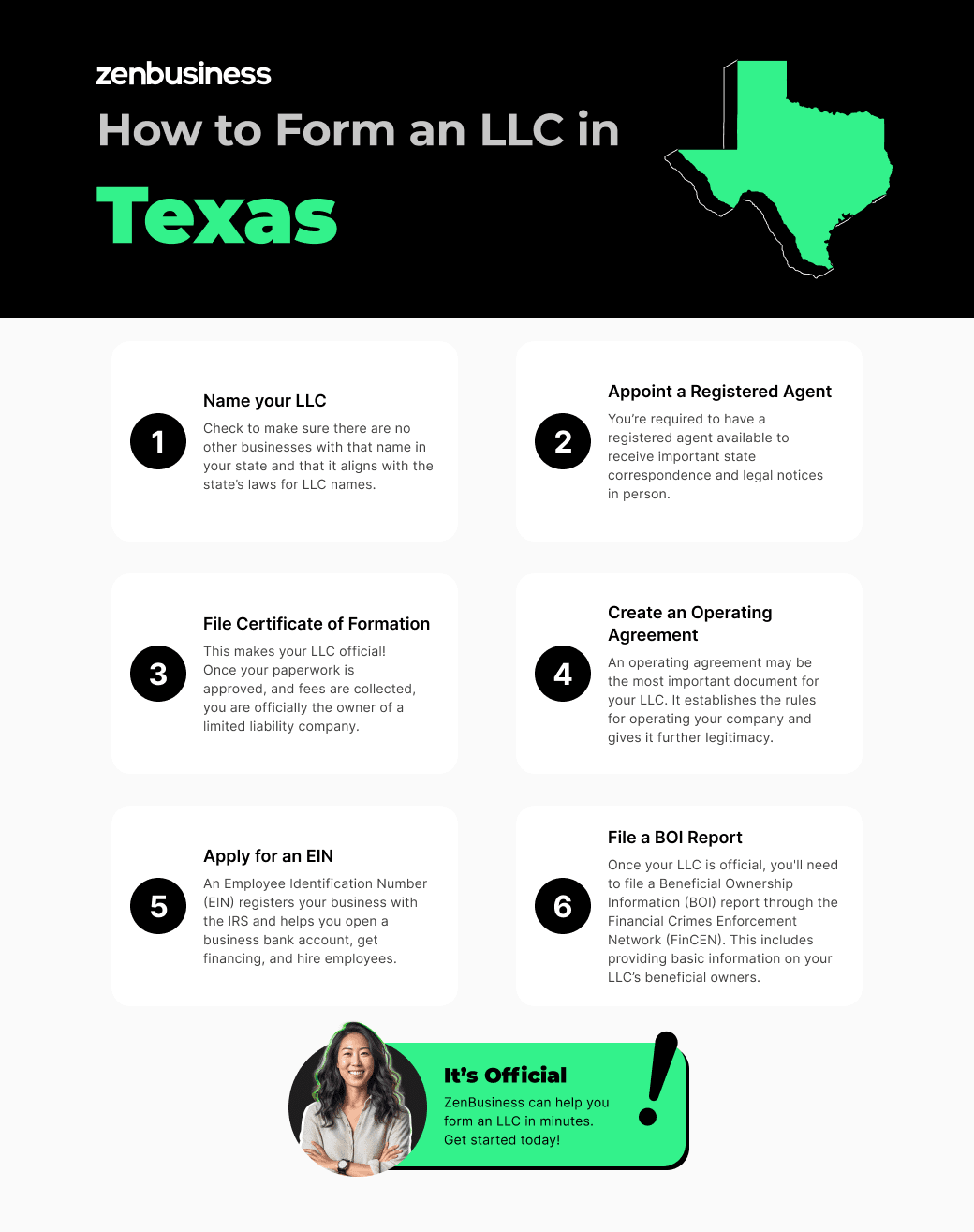
In Texas, attorneys can form a Professional Limited Liability Company (PLLC) or a Professional Corporation (PC) to practice law. The State Bar of Texas rules, particularly the Texas Disciplinary Rules of Professional Conduct, permit attorneys to practice through professional entities. Key requirements typically include:
- All owners and members of the PLLC must be licensed to practice law.
- The entity must comply with all registration requirements with the State Bar of Texas.
- The name of the PLLC must meet specific naming conventions, often including terms like “PLLC” or “Professional Limited Liability Company.”
- The entity cannot limit the professional liability of its members for their own acts of malpractice.
- The entity must maintain adequate professional liability insurance.
These provisions ensure that while attorneys gain the administrative and tax benefits of an LLC structure, their core professional responsibilities and accountability to clients remain intact. The professional lifestyle in Texas for a legal entrepreneur involves meticulous adherence to these regulations from the outset.
Florida Bar Regulations for Legal Entities
Florida also allows attorneys to practice law through professional service corporations (PCs) or professional limited liability companies (PLLCs). The Florida Bar has specific rules governing the formation and operation of such entities, primarily under Chapter 6 of its Rules Regulating The Florida Bar. Similar to Texas, the essential stipulations for a PLLC in Florida include:
- All shareholders, officers, directors, and agents (if applicable) must be licensed attorneys.
- The PLLC must be registered with The Florida Bar.
- The name of the firm must comply with advertising and naming rules, often including “PLLC” or “P.A.” (for Professional Association, which is another common form).
- Members remain personally liable for their own professional negligence or misconduct.
- Specific rules regarding professional liability insurance and client trust accounts apply.
Attorneys establishing an LLC law firm in Florida must carefully navigate these regulations to ensure full compliance and avoid any issues with The Florida Bar. The entrepreneurial lifestyle here is balanced with a strong emphasis on professional integrity and regulatory adherence.
Lifestyle Benefits and Operational Challenges of an LLC for Attorneys
Opting for an LLC (or PLLC) structure offers distinct advantages for attorneys, influencing their professional lifestyle, financial management, and firm’s longevity. However, it also introduces specific operational challenges that require careful planning.
Advantages of the LLC Structure
- Limited Personal Liability (with caveats): While not absolute for professional malpractice, an LLC protects an attorney’s personal assets from the firm’s business debts, contracts, and torts unrelated to professional services. This separation can bring peace of mind and contribute to a more stable personal financial lifestyle.
- Tax Flexibility: LLCs offer versatile tax options. They can be taxed as a sole proprietorship, partnership, S-corporation, or even a C-corporation, depending on the number of members and election with the IRS. This flexibility allows attorneys to optimize their tax burden, which directly impacts their professional earnings and lifestyle.
- Management Flexibility: LLCs can be managed by their members or by a designated manager, offering adaptability in structuring the firm’s leadership and operational workflow. This freedom in governance can significantly shape the daily professional experience.
- Credibility and Professional Image: Operating as a formal entity like an LLC can enhance a firm’s credibility with clients and other businesses, projecting a more established and professional image.
Operational Challenges for LLC Law Firms
- Compliance Burden: Adhering to state bar rules for PLLCs requires ongoing vigilance. This includes maintaining proper registration, ensuring all members are licensed, and fulfilling insurance requirements. Non-compliance can lead to severe penalties, disrupting an attorney’s professional life.
- Distinguishing Professional Liability: Clearly delineating between general business liability and professional malpractice liability within the LLC framework can be complex. Attorneys must ensure they have adequate professional liability insurance and understand its scope.
- Administrative Overhead: While flexible, forming and maintaining an LLC involves administrative tasks such as drafting operating agreements, filing annual reports, and maintaining corporate records. This adds to the operational overhead compared to a sole proprietorship.
- Perception and Education: Some clients or even other legal professionals might not fully understand the nuances of a PLLC versus a traditional partnership or solo practice. Educating stakeholders may sometimes be necessary.
Strategic Setup: Crafting Your LLC Law Firm for Success in the Sunshine or Lone Star State
Establishing an LLC law firm in Texas or Florida is a strategic decision that shapes an attorney’s entire professional trajectory. It’s not merely a legal formality but a foundational choice impacting everything from daily operations to long-term growth and personal fulfillment.
Key Steps for Formation and Compliance
- Conduct Thorough Research: Understand the specific PLLC or professional entity rules of The Florida Bar or the State Bar of Texas. This includes naming conventions, ownership requirements, and insurance mandates.
- Draft a Robust Operating Agreement: This critical document outlines the ownership structure, management responsibilities, profit and loss distribution, and procedures for decision-making and dispute resolution. A well-crafted operating agreement is vital for the smooth functioning of the firm and the harmonious professional lifestyle of its members.
- Register with the Secretary of State: File the Articles of Organization (or similar document) with the respective state’s Secretary of State office. Ensure the entity is correctly designated as a Professional LLC.
- Obtain Necessary Registrations with the Bar: Register the new entity with The Florida Bar or the State Bar of Texas as required. This often involves submitting additional forms and declarations.
- Secure Professional Liability Insurance: Maintaining adequate professional liability insurance is not just a regulatory requirement in many cases but also a critical component of risk management for any law firm operating as an LLC.
- Establish Clear Ethical Guidelines: Ensure all firm members understand and adhere to the rules of professional conduct. The LLC structure does not diminish individual ethical duties.
The Impact on Professional Lifestyle
For attorneys, the decision to form an LLC (or PLLC) represents an embrace of an entrepreneurial professional lifestyle. It offers autonomy, direct control over business decisions, and the potential for greater financial reward. However, it also comes with increased responsibility for business management, compliance, and strategic planning. Whether in Texas or Florida, success hinges on not only legal acumen but also sound business practices and a deep understanding of the regulatory environment. By carefully navigating the requirements and leveraging the benefits, attorneys can indeed establish and thrive with an LLC law firm in either of these dynamic states, crafting a fulfilling and prosperous professional life.
LifeOutOfTheBox is a participant in the Amazon Services LLC Associates Program, an affiliate advertising program designed to provide a means for sites to earn advertising fees by advertising and linking to Amazon.com. Amazon, the Amazon logo, AmazonSupply, and the AmazonSupply logo are trademarks of Amazon.com, Inc. or its affiliates. As an Amazon Associate we earn affiliate commissions from qualifying purchases.